Tracing Trieste
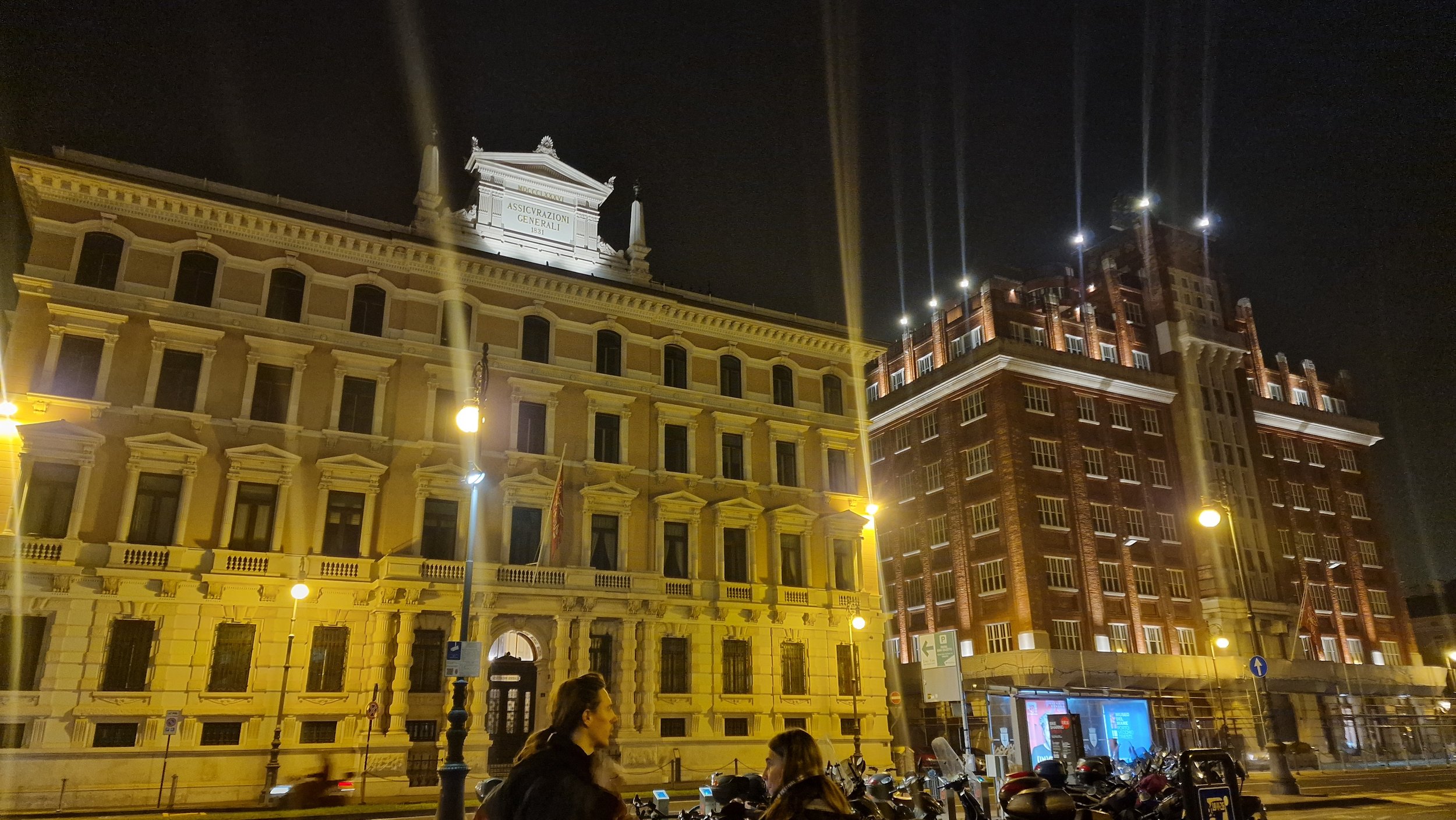
Assicurazioni Generali Building, Trieste
January in Trieste arrives with the biting edge of the Bora wind, sweeping off the Adriatic to rattle the grand windows of Habsburg-era palaces. We came to this borderland city not for a simple winter escape, but to wander through overlapping maps of memory. Trieste sits at the edge of things. It is a place where empires once dissolved and where the past feels close enough to touch, leaving behind a beautiful, melancholy coastline. Our journey was a tapestry woven from cinematic light, literary ghosts, and the heavy residue of personal and global history.
Our lodging was the DoubleTree by Hilton Trieste, a structure that whispers of its former life as an opulent bank. The building itself is a masterpiece, a fusion of neoclassical and Art Nouveau styles, with intricate details that seem to murmur secrets of another era. Stepping into the lobby felt like entering a shrine to the grandeur of the early 20th century; marble columns rose like sentinels, and the ceiling, adorned with decorative filigrees, shimmered faintly beneath the light of polished chandeliers. It was a space that seemed to breathe history, enveloping us in a sense of quiet reverence.
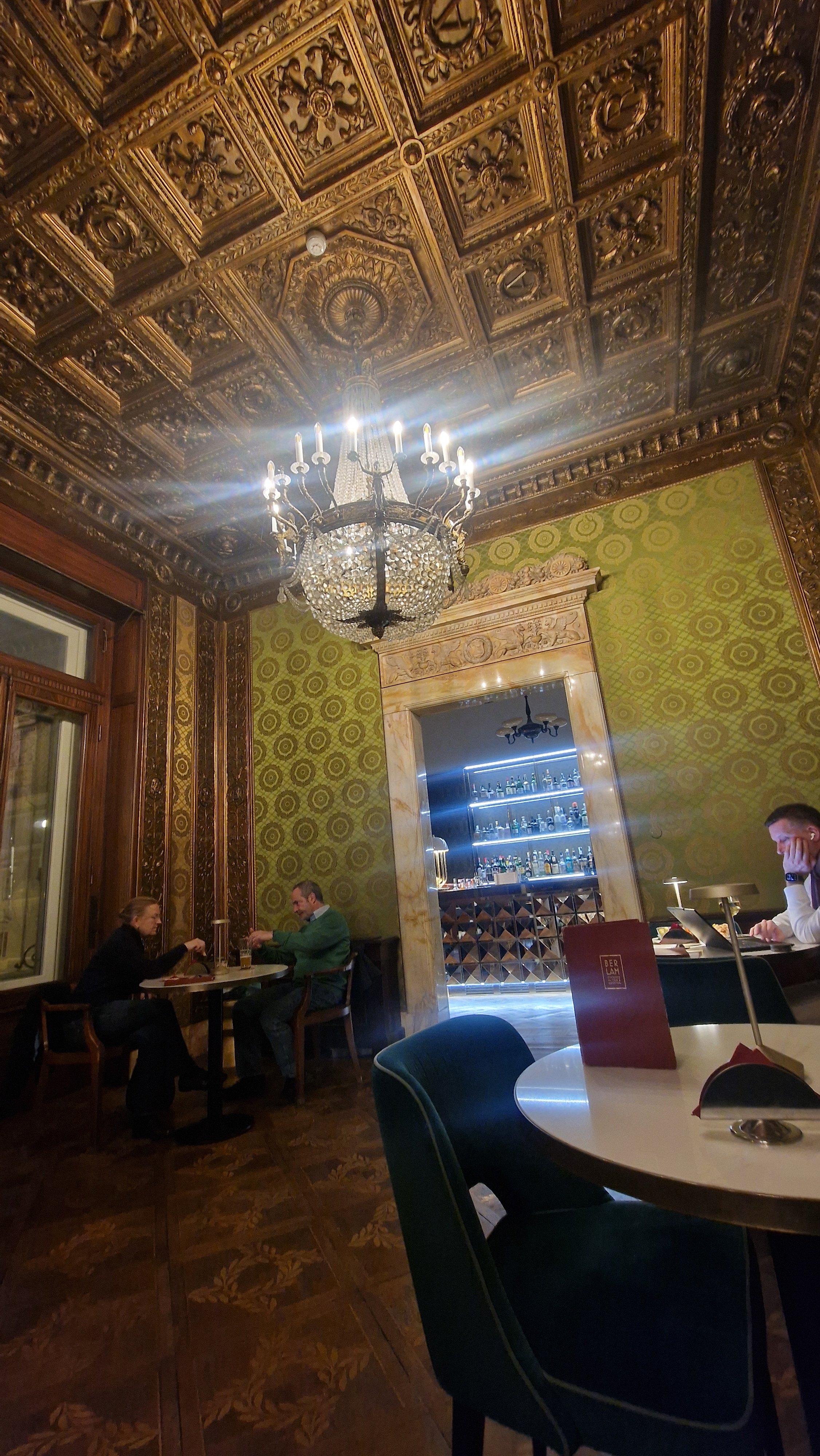
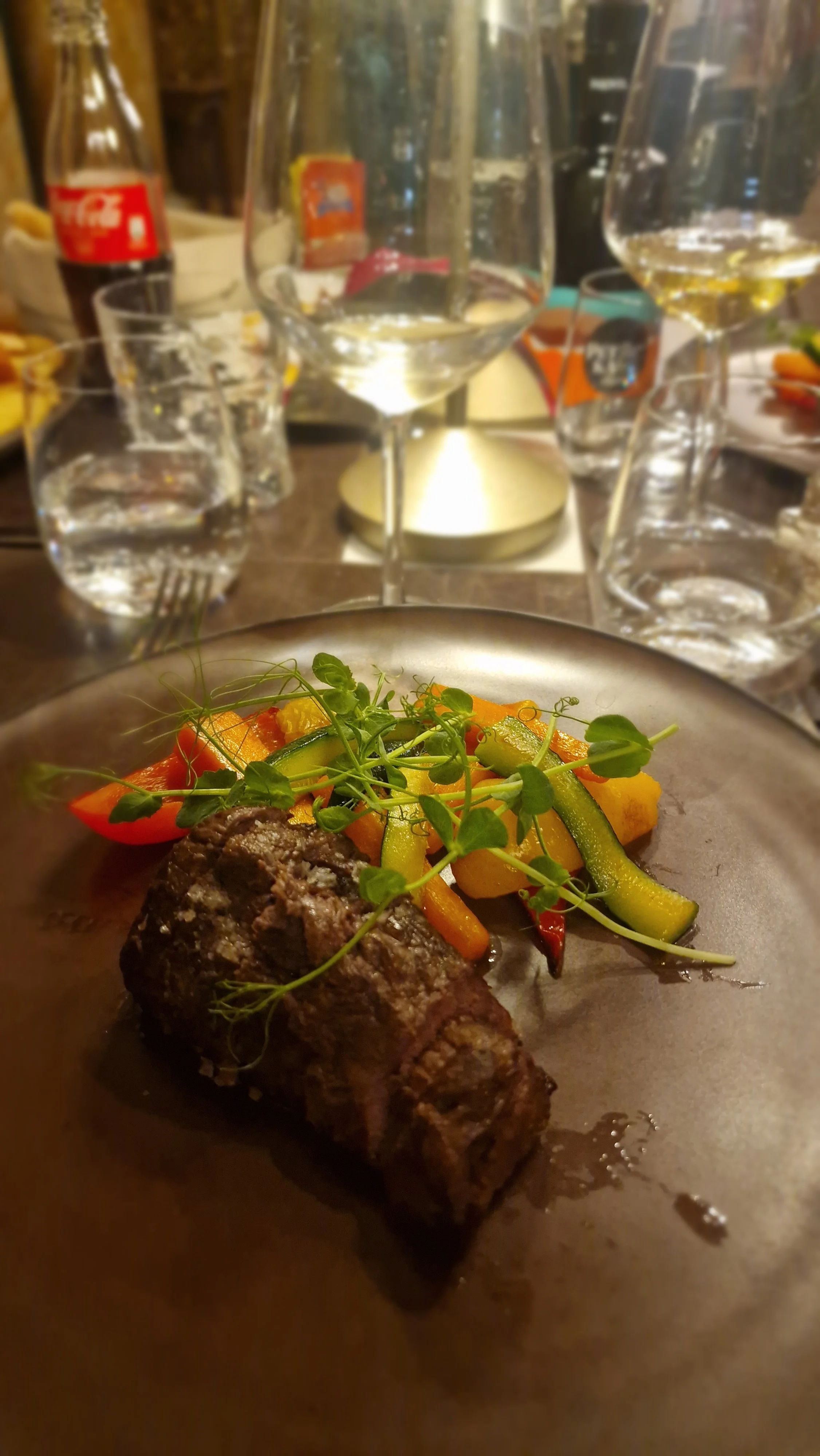
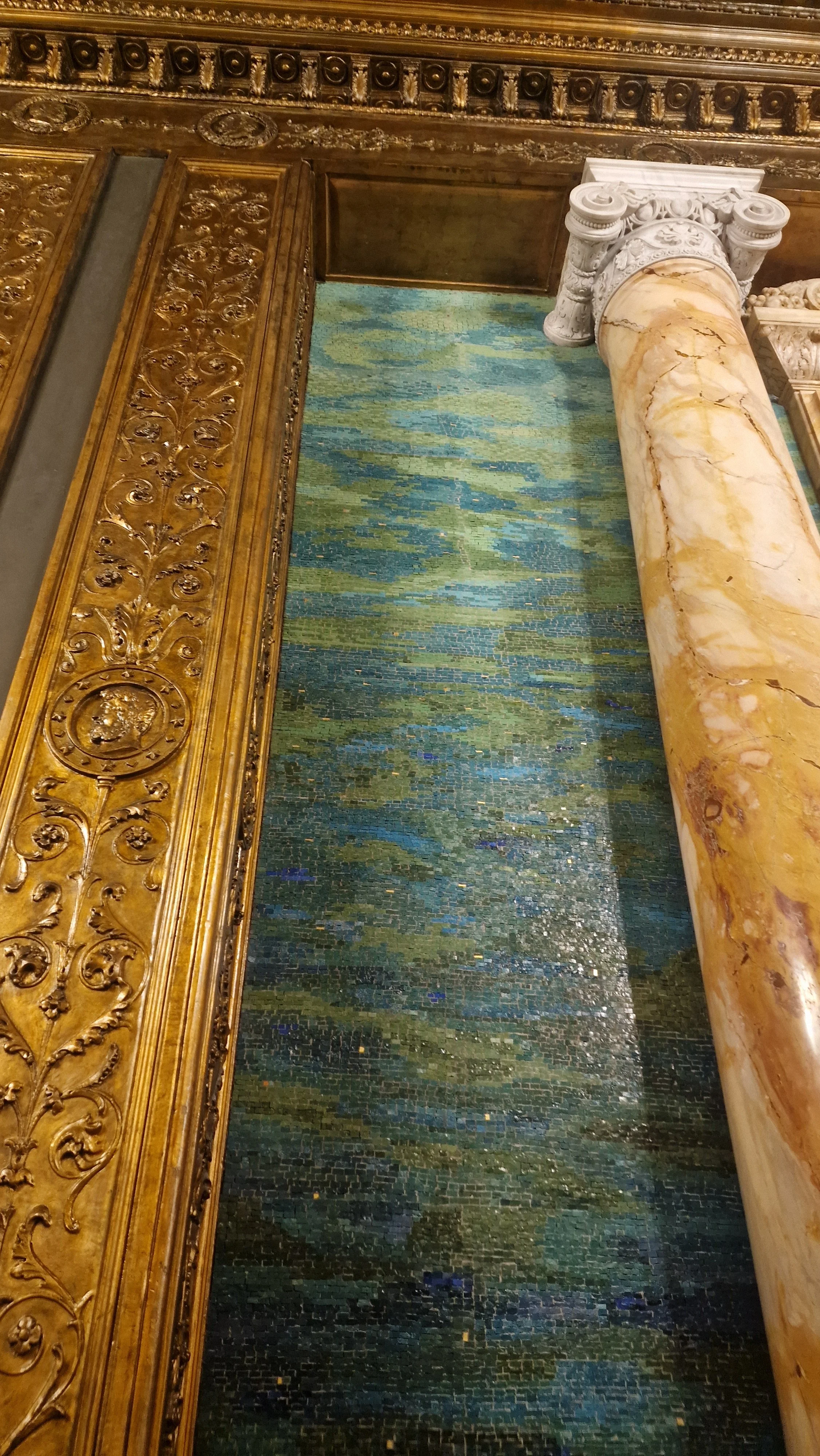
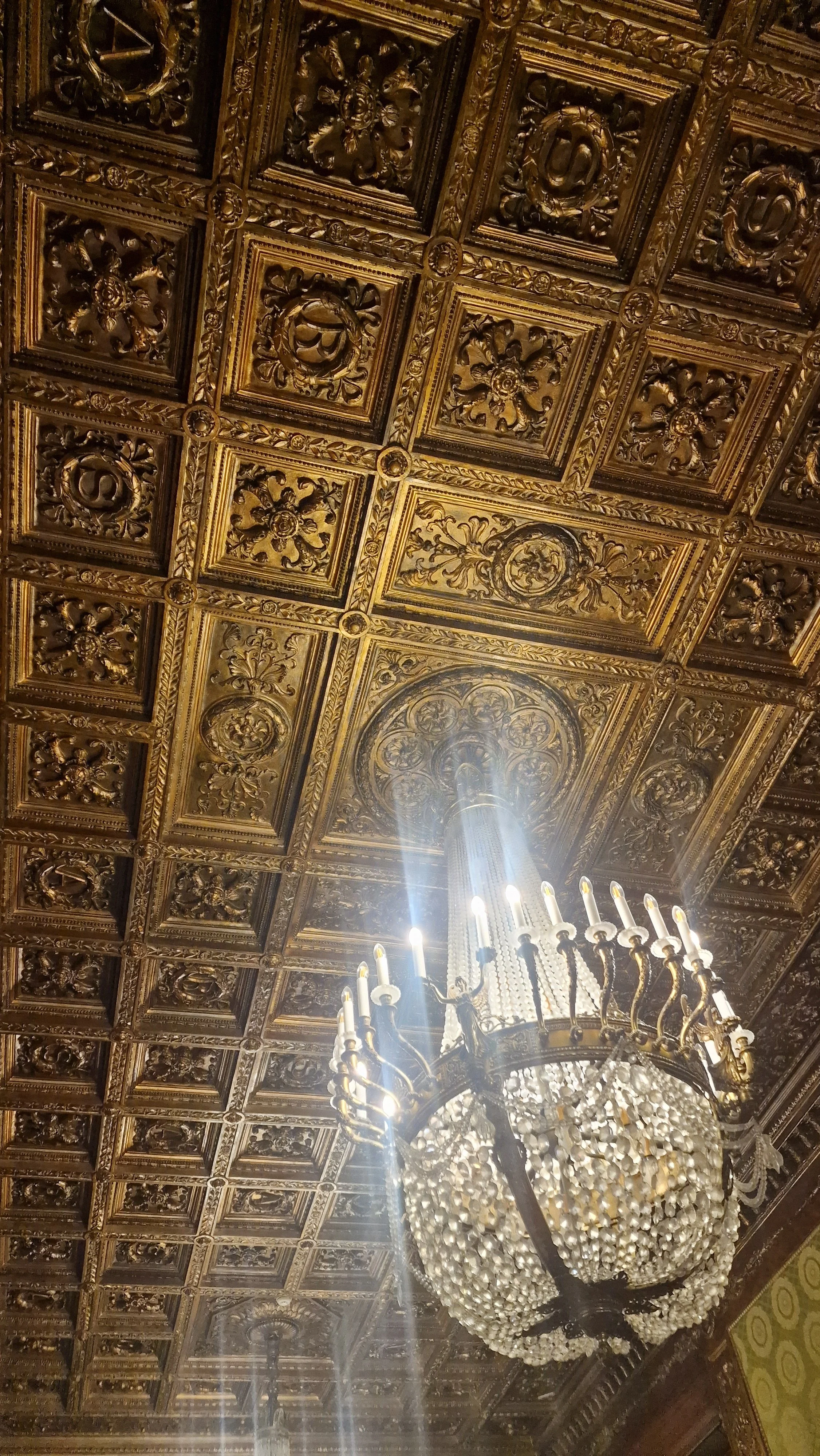
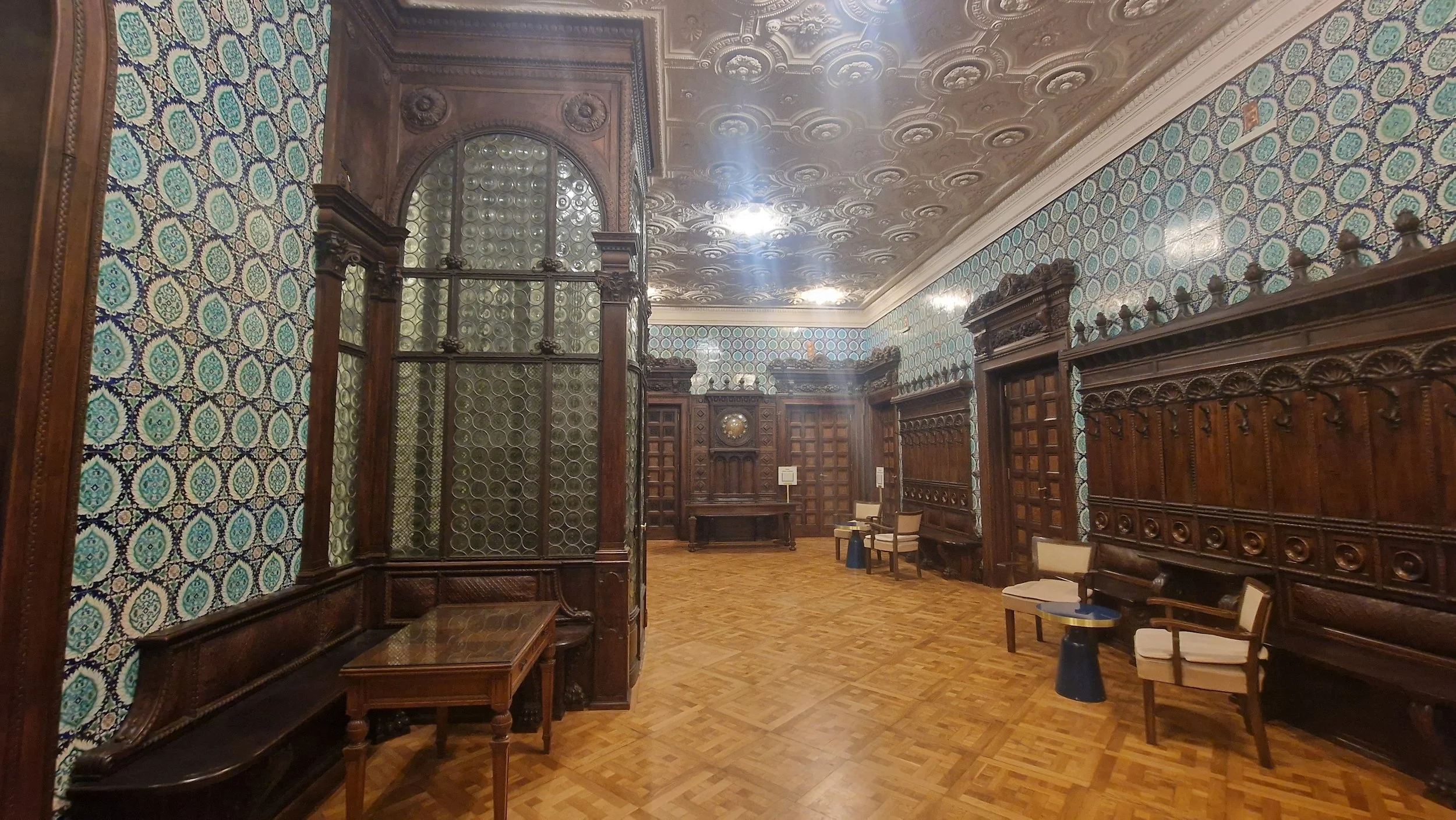
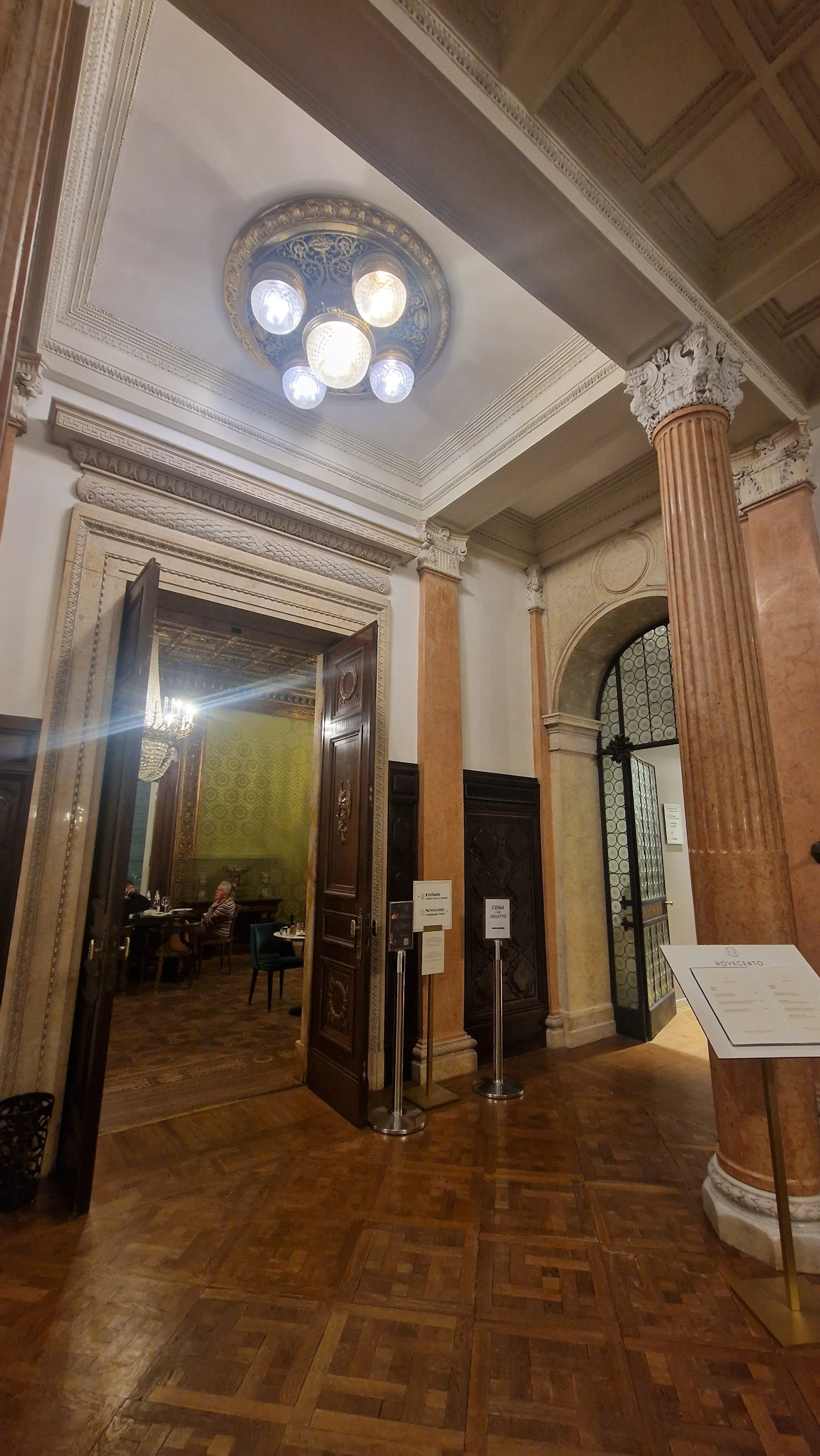
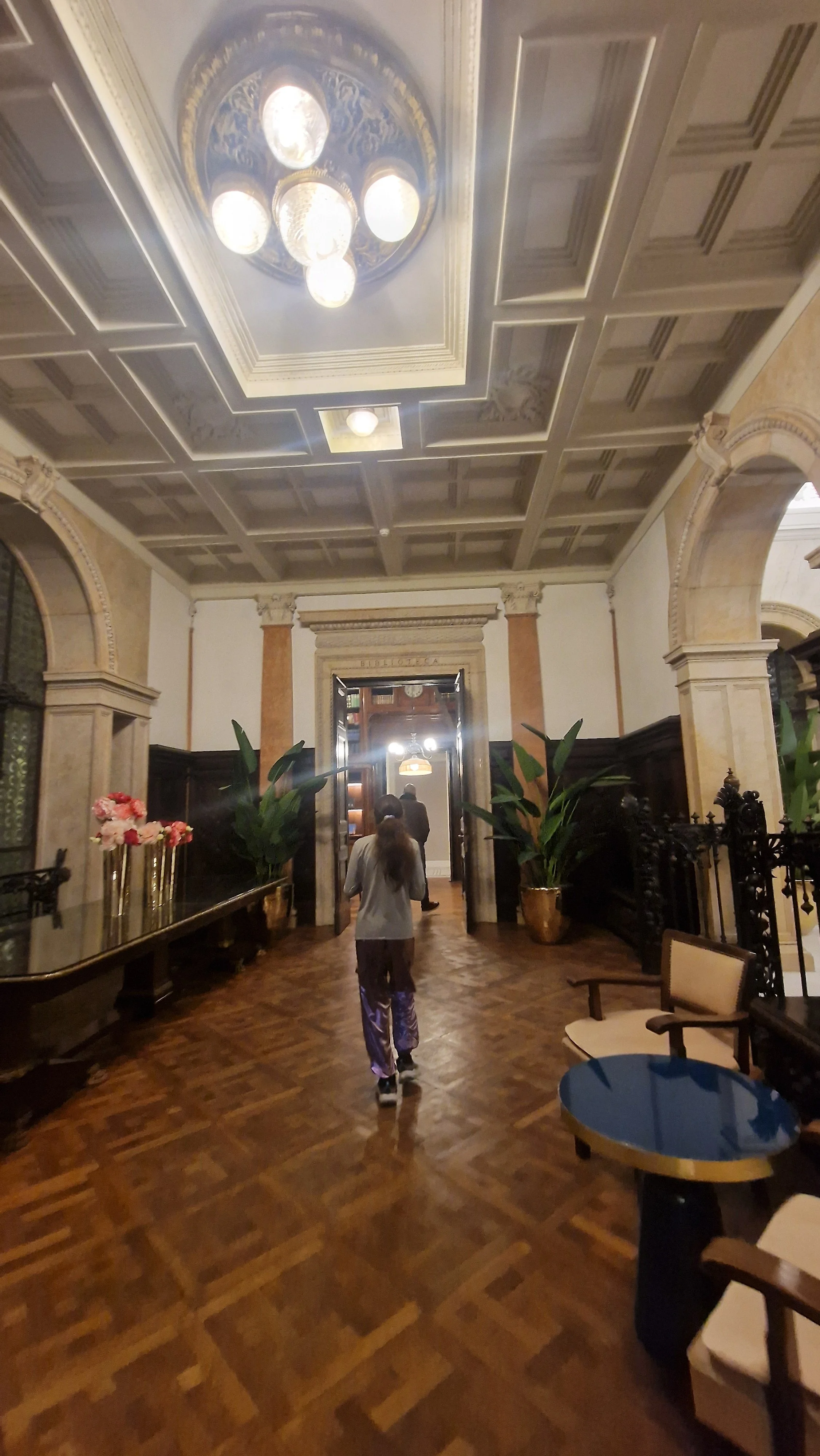
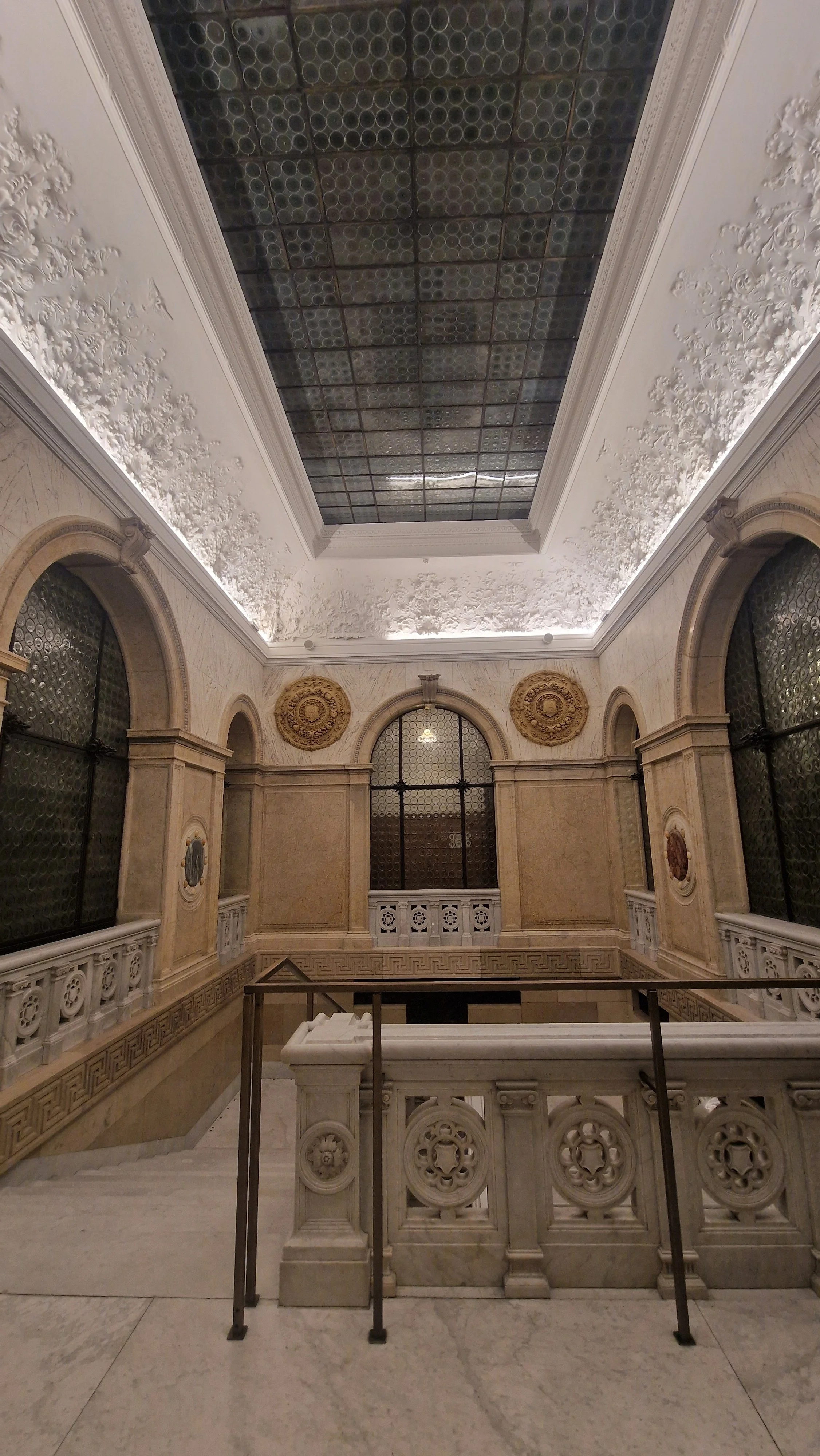
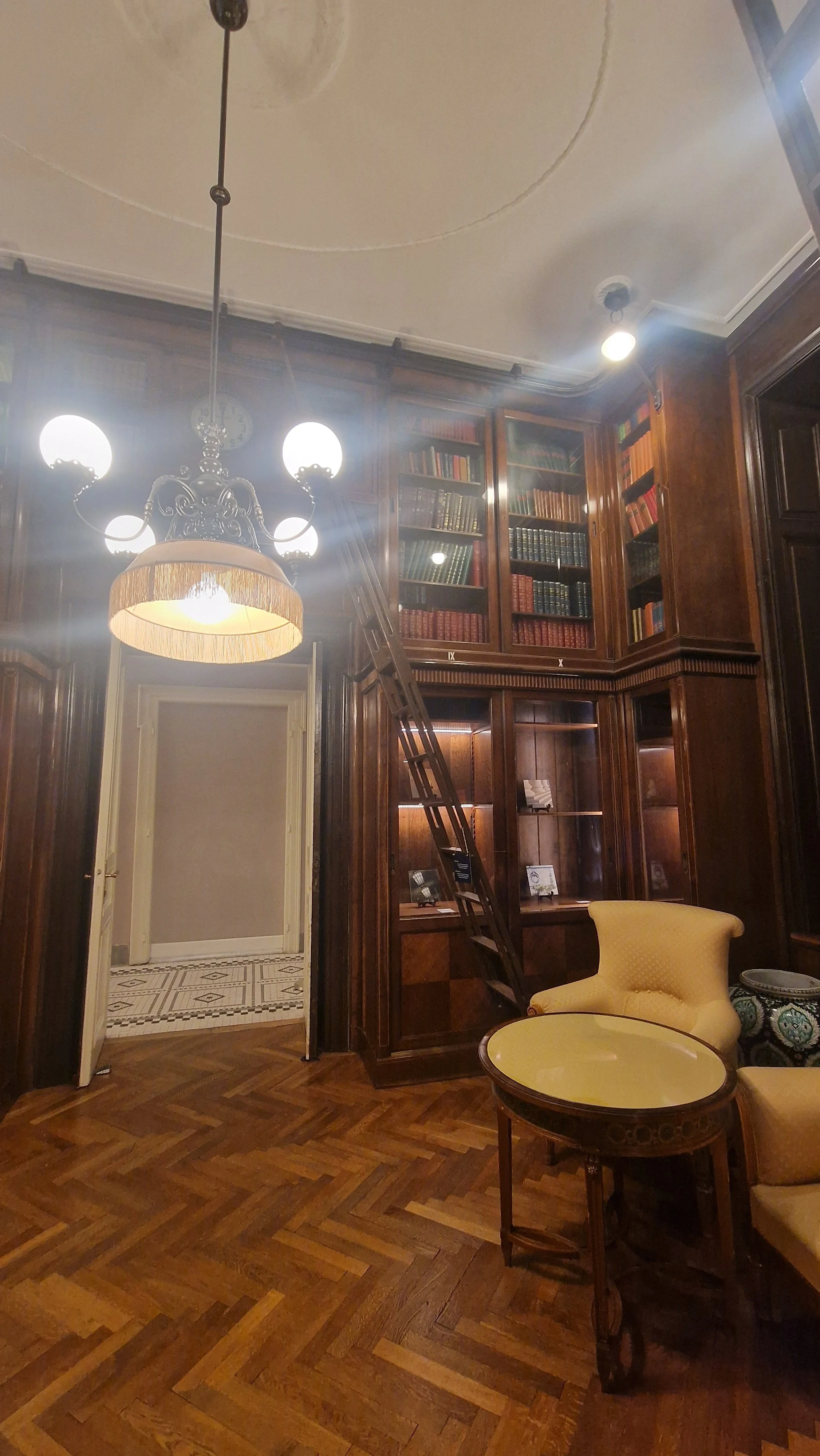
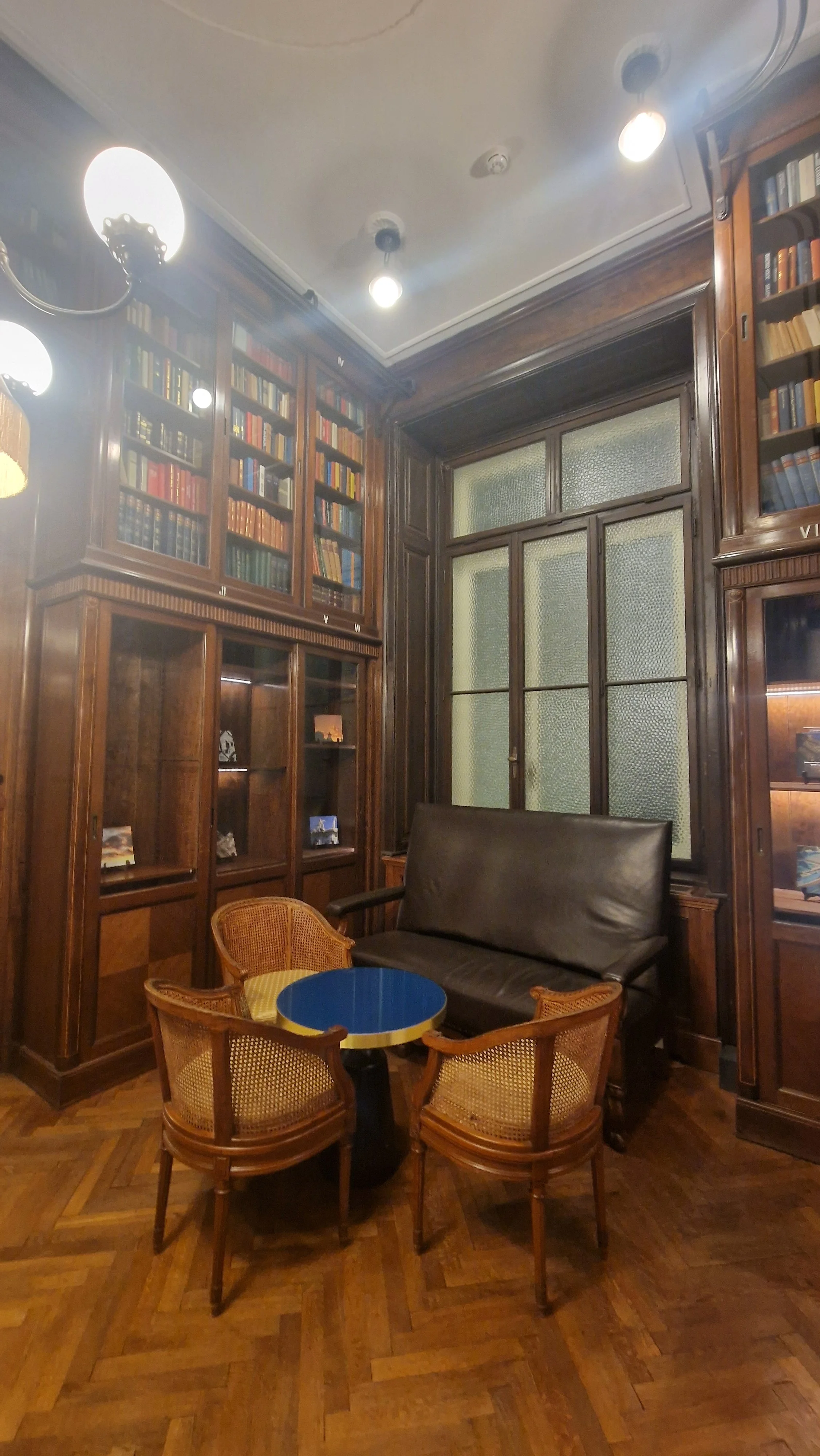

That evening, we dined in a room that felt untouched by the passage of time. The walls, heavy with their patina of age, were lined with dark wood and gilded accents. It was as though the very air carried a faint echo of conversations long past—financiers murmuring over ledgers, or perhaps laughter infusing a once-prosperous gathering. The present and the past seemed to fold into one as we savored our meal, tasting not just flavors but the resonance of a place steeped in layered histories.
TSFF
We built our days around the Trieste Film Festival (TSFF), stepping out of the biting wind and into the warm velvet dark of Teatro Miela to watch Franz. This was not my first time watching Franz, but it was for Alex. I wanted to share this film with him, to experience together the emotions it stirred within me.
Having Alex and our daughter with us, I wanted to trace the quiet footsteps of Franz Kafka, a man who understood the labyrinth of the human mind better than anyone. He passed through this port city in 1913, having worked previously for Assicurazioni Generali, leaving brief but indelible marks on its grand spaces.
Kafka’s affinity for Trieste went beyond mere professional obligation—it was a longing, almost poetic in nature. The city’s proximity to the sea called to him as though it could dissolve the weight of his routines. He imagined himself breathing in its salt-tinged air, learning Italian as if acquiring a new voice, and finding solace in the rhythm of the waves. Yet, bound by both the constraints of his work and his own fastidious nature, Kafka tempered his dreams to fit within the narrow corridors of his reality. Trieste became the embodiment of a quiet hope—a place where duty and desire momentarily intertwined, whispering of freedom at the edge of his disciplined life.
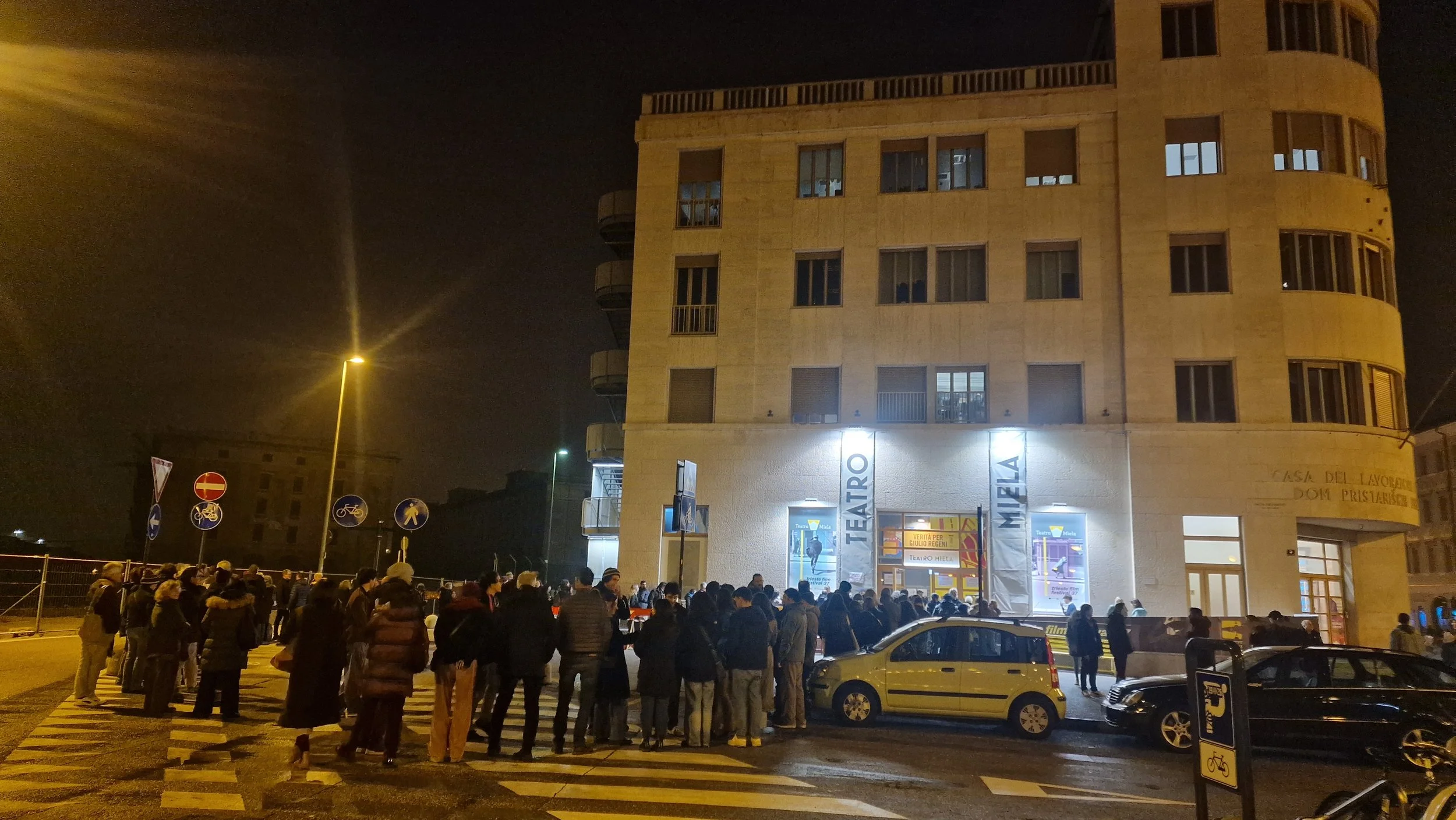
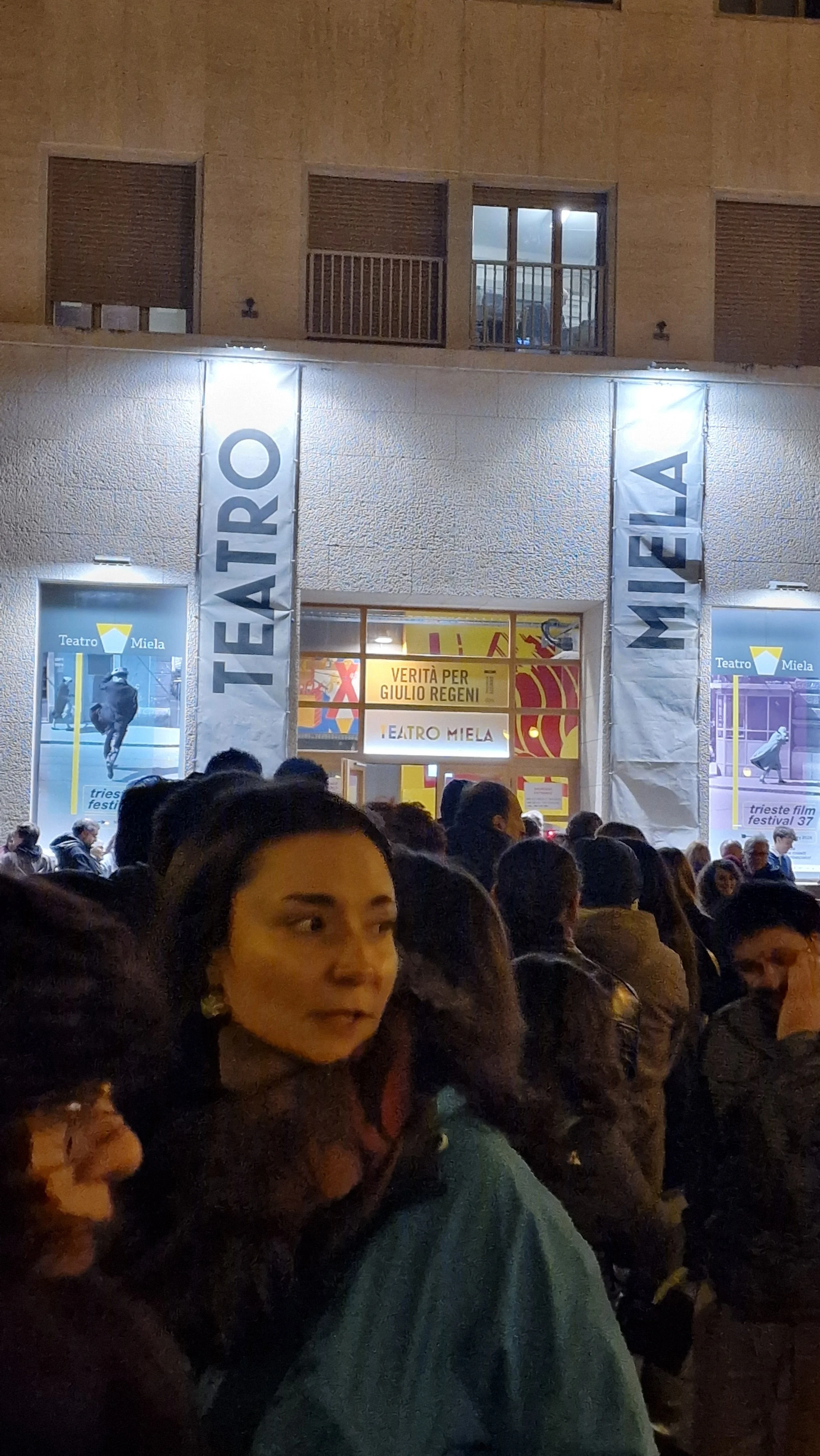
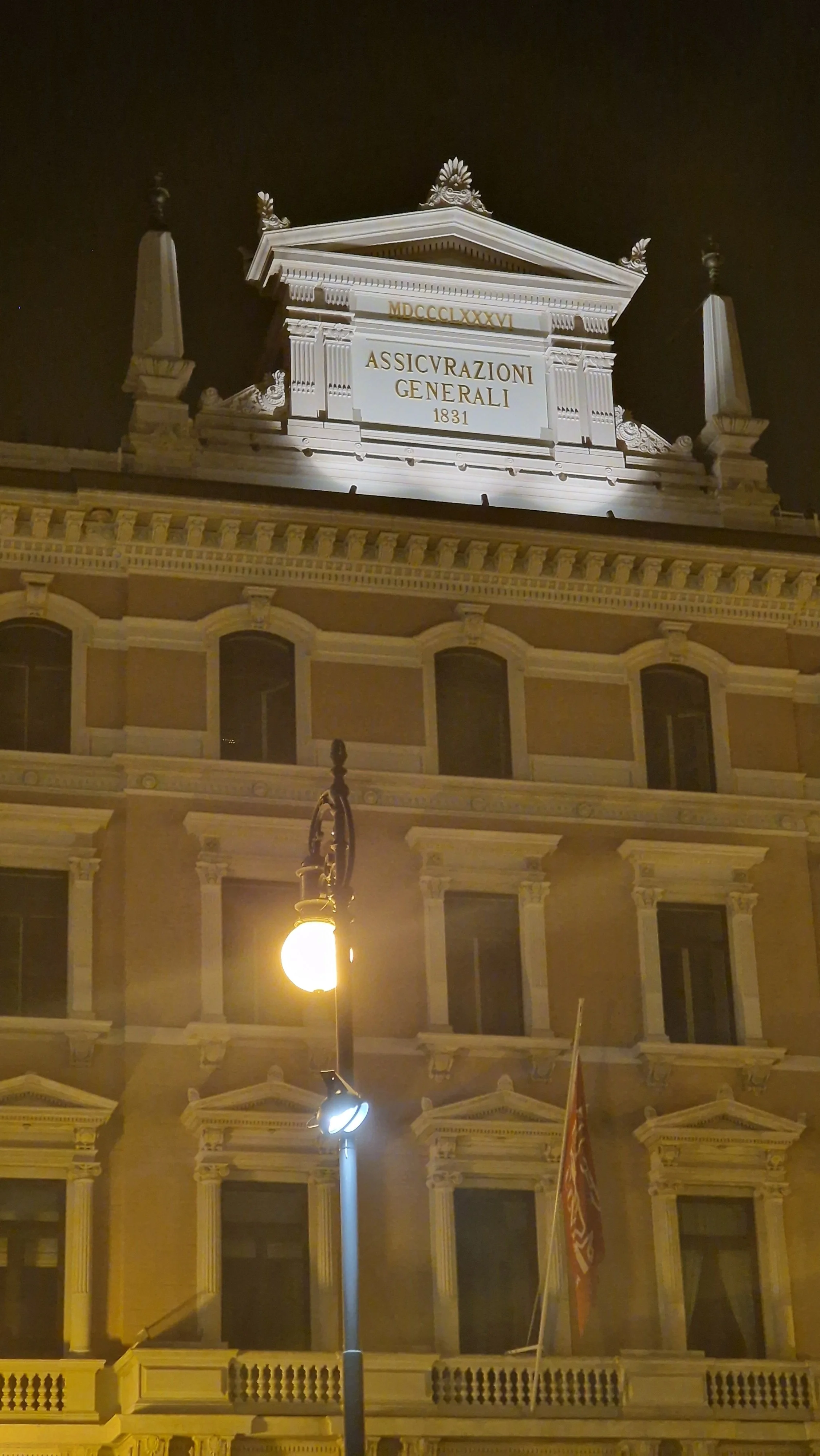
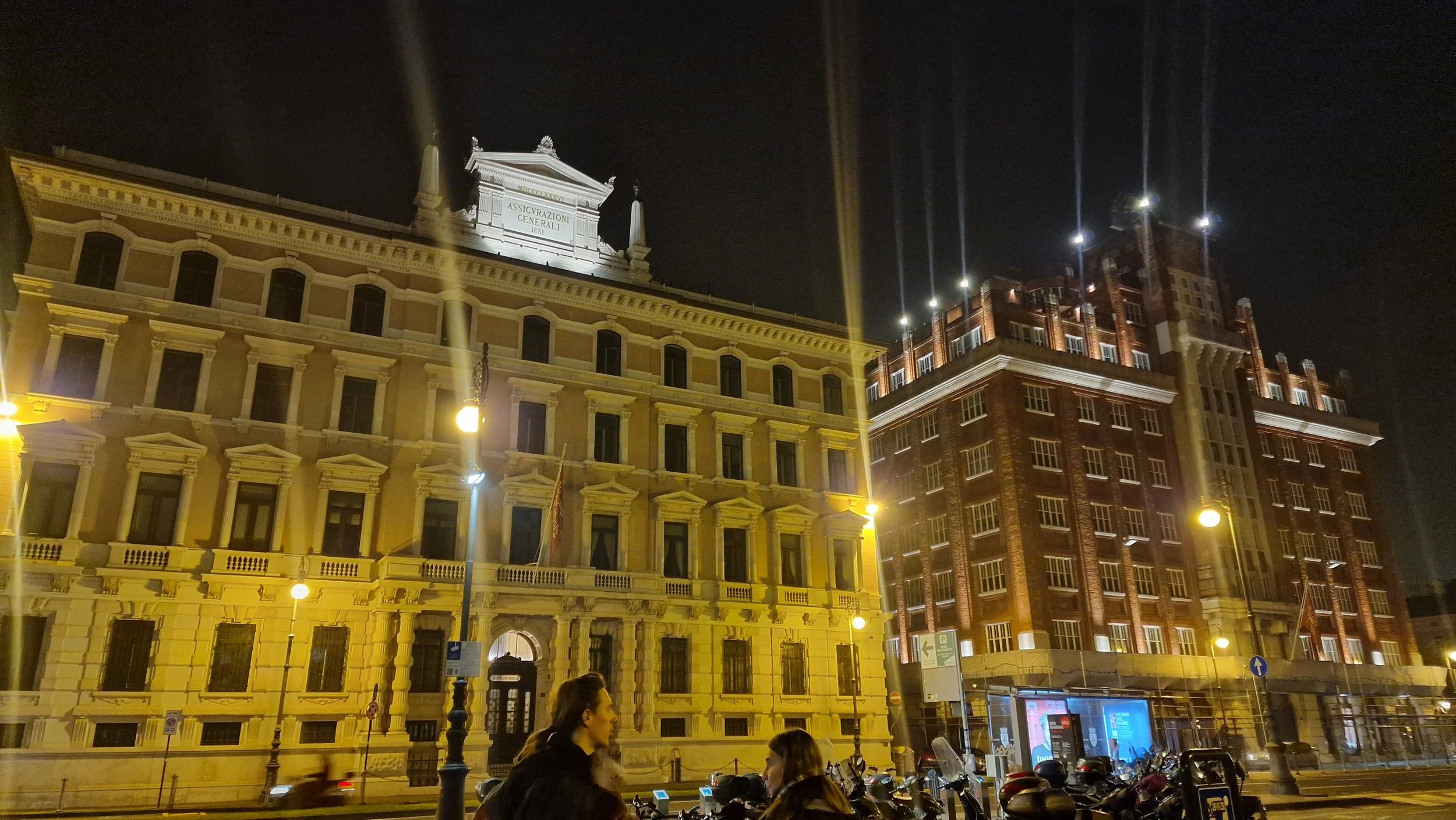
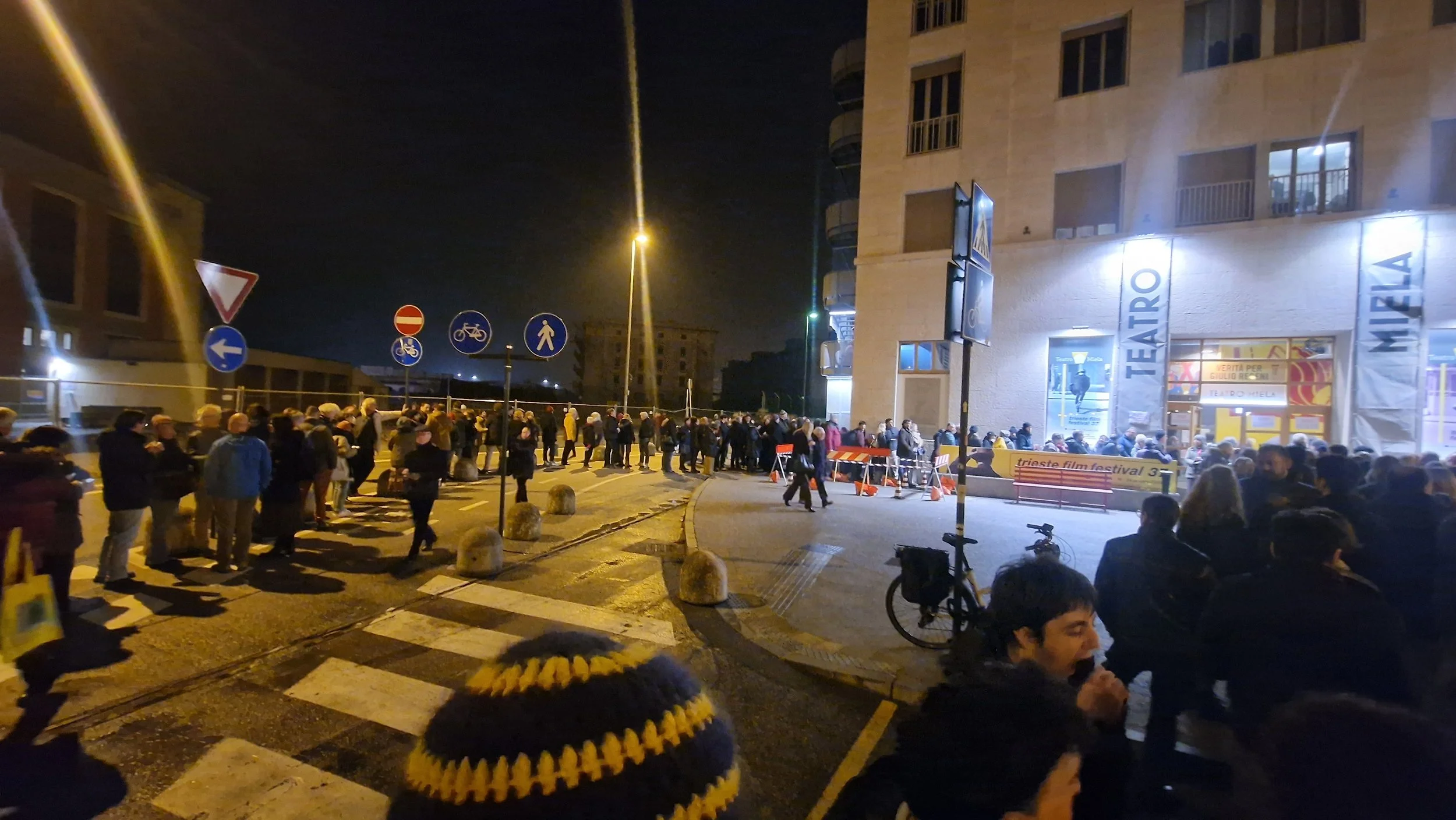
The line curved and twisted, growing restless as each second stretched unbearably long. Alex and I stood shoulder to shoulder, the cool evening air carrying with it the murmur of voices and the faint scent of the sea. My gaze wandered aimlessly until it landed on a weathered sign to my right, high above us, the bold letters reading "Assicurazioni Generali." I couldn’t help but laugh softly, the irony too sharp to remain unspoken. Nudging Alex, I pointed upwards, whispering, “Kafka’s original inspiration for bureaucratic dread.” There it loomed, its grandiose façade watching over Teatro Miela, which now brimmed with anticipation for the Italian premiere of his biopic—a peculiar symmetry of fate. Alex, catching my amusement, chuckled too. Beneath the weight of history and the pulsating energy of the moment, I wondered if we could truly grasp the significance of this convergence.
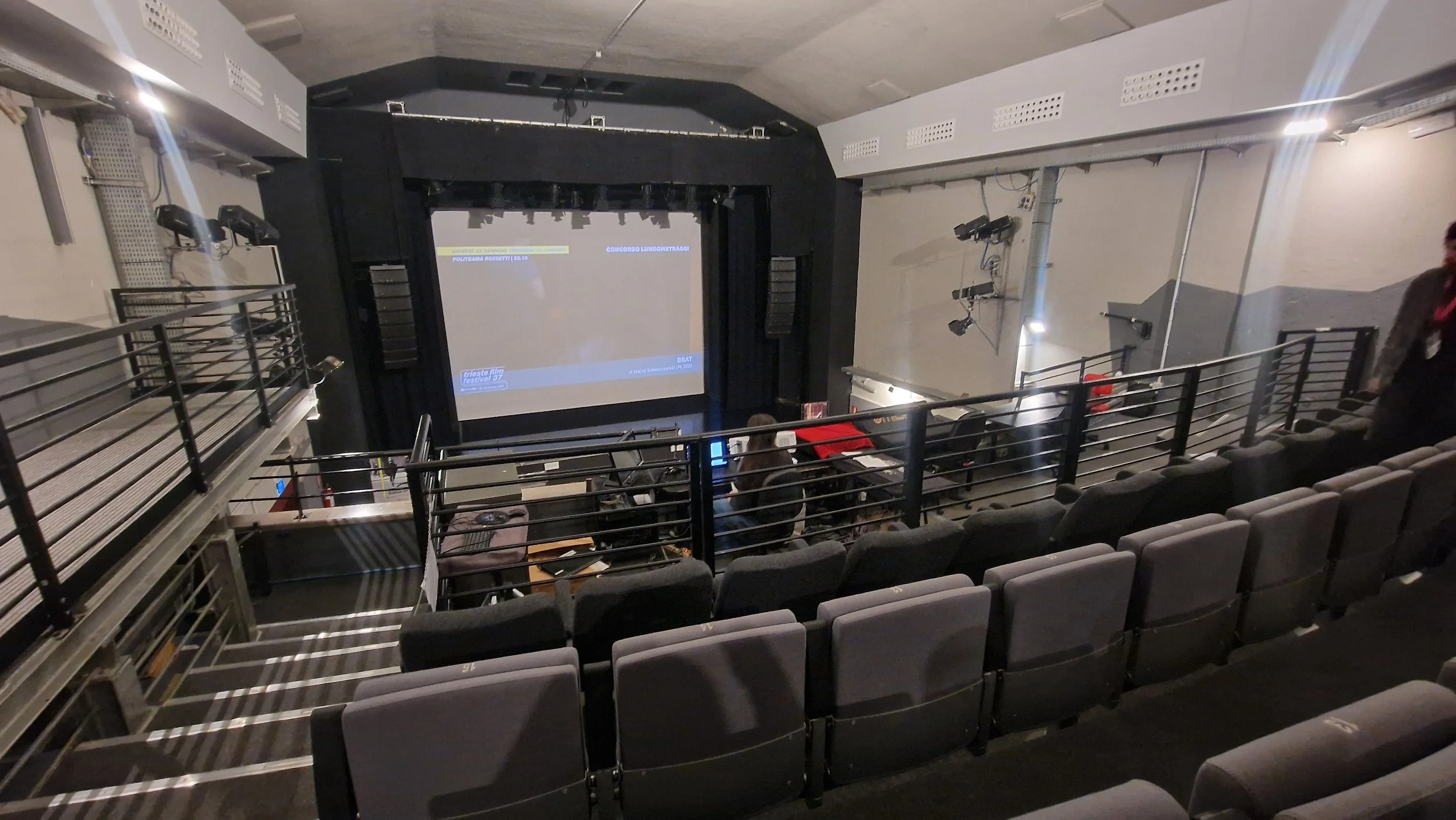
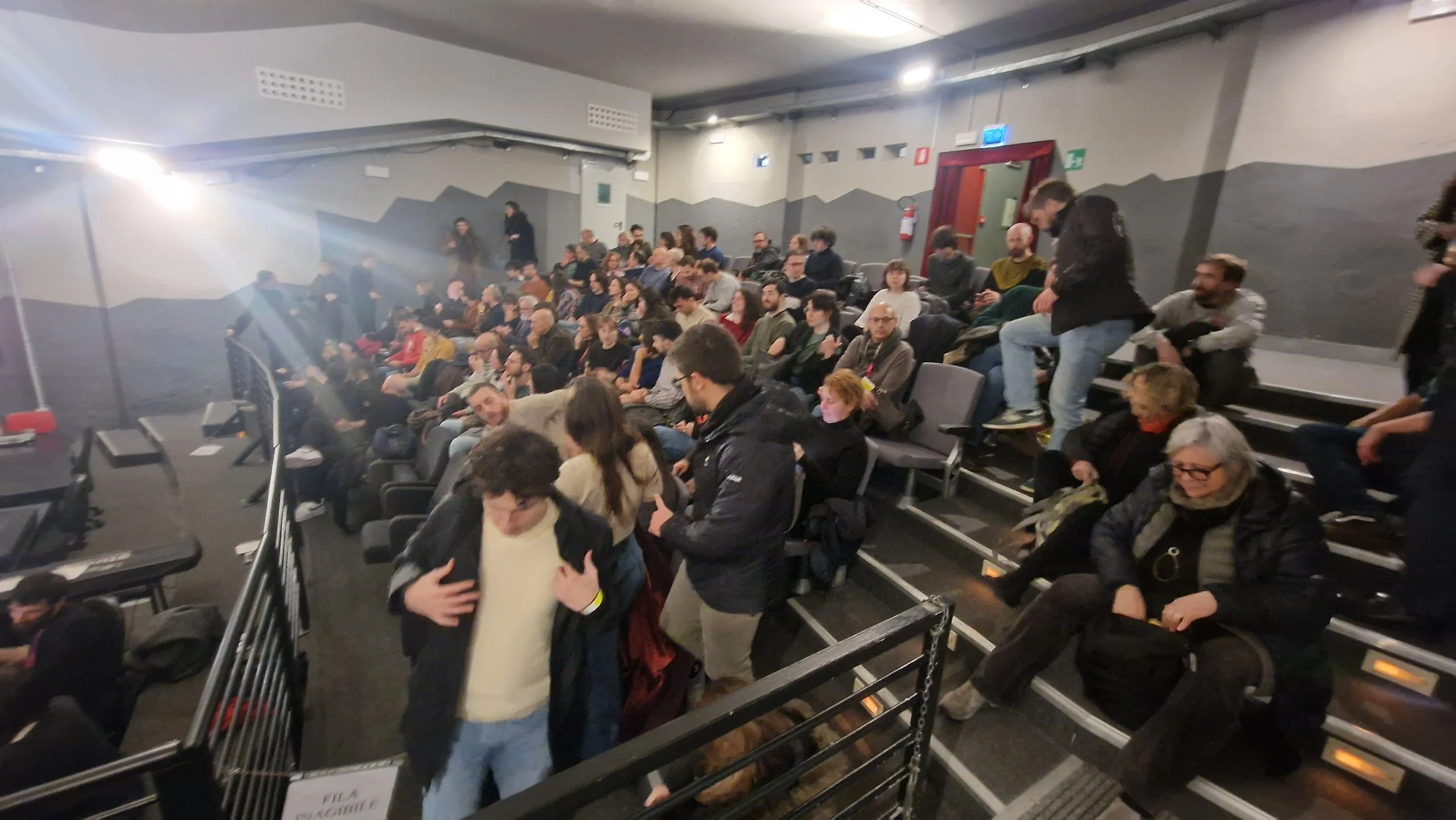
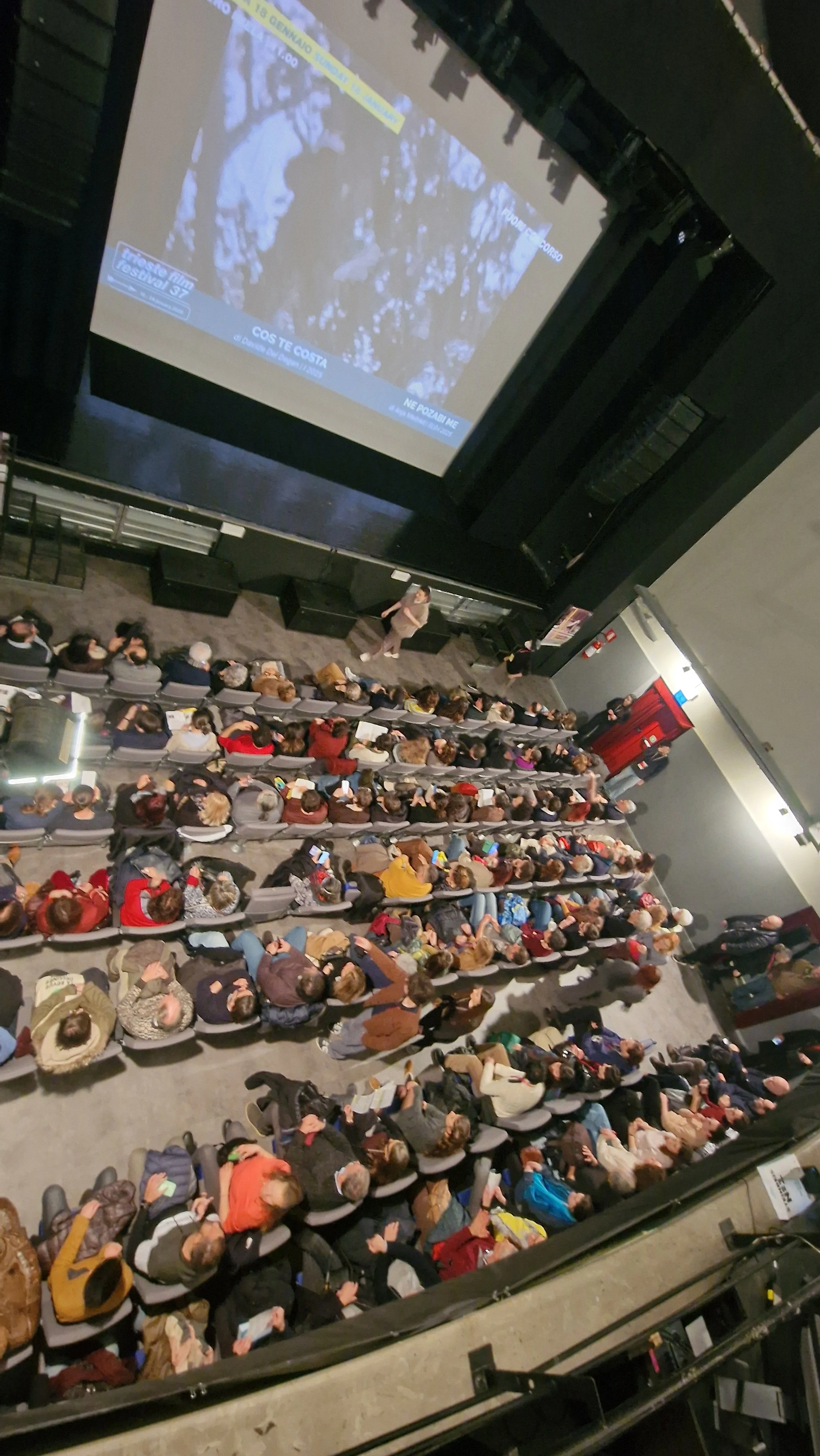
We found ourselves perched on the upper level of the theater, a vantage point both commanding and precarious. The air hummed with expectations as the crowd swelled beyond what the room seemed capable of holding. People crowded together, filling every seat, every aisle, spilling onto the steps and even the floor, their voices a low murmur of excitement and curiosity. Fire hazard? Perhaps, but in that moment, it felt as though the rules of reality bent to accommodate this shared wonder. Then, as the bustling energy tethered itself to the dimming of the lights, a hush fell over the audience. Shadows danced across the ornate walls of the cinema, and the screen flickered to life. The magic, fragile and electric, began to weave its spell, each frame pulling us deeper into a story far grander than the room around us could contain.
After the film, I turned to Alex, curious to hear his thoughts as the credits rolled. He sat there, quiet, his gaze distant yet brimming with emotion. When I finally asked how he felt, he simply said, "I need to process everything." That moment stayed with me, much like the film itself, haunting yet captivating. As we walked back to our hotel, Alex, a sensitive July Cancer like Kafka himself, began asking a series of questions regarding Kafka's life, which I was thrilled to answer.
"Did he really have a child with Grete Bloch? What was up with the homeless guy scene?" Alex asked, and having him peer into the life of Kafka and leave with more fascination simply added to the magic of that evening.
It's moments like these, where passion and curiosity merge, that reaffirm my love for art and its ability to connect people. The way a piece of literature or film can spark conversations and open up new perspectives is truly mesmerizing.
Later, Alex confided in me that he found a quote from Kafka's The Castle that he couldn’t shake. It spoke to him so deeply that he had it emblazoned on a gift for our anniversary—a quiet yet profound testament to the way art embeds itself in our lives. That scene, that dialogue, and that blog post of mine about Finding Franz still thread themselves through our shared conversations, shaping how we remember and tell the story of that evening.
Koffee With Kafka
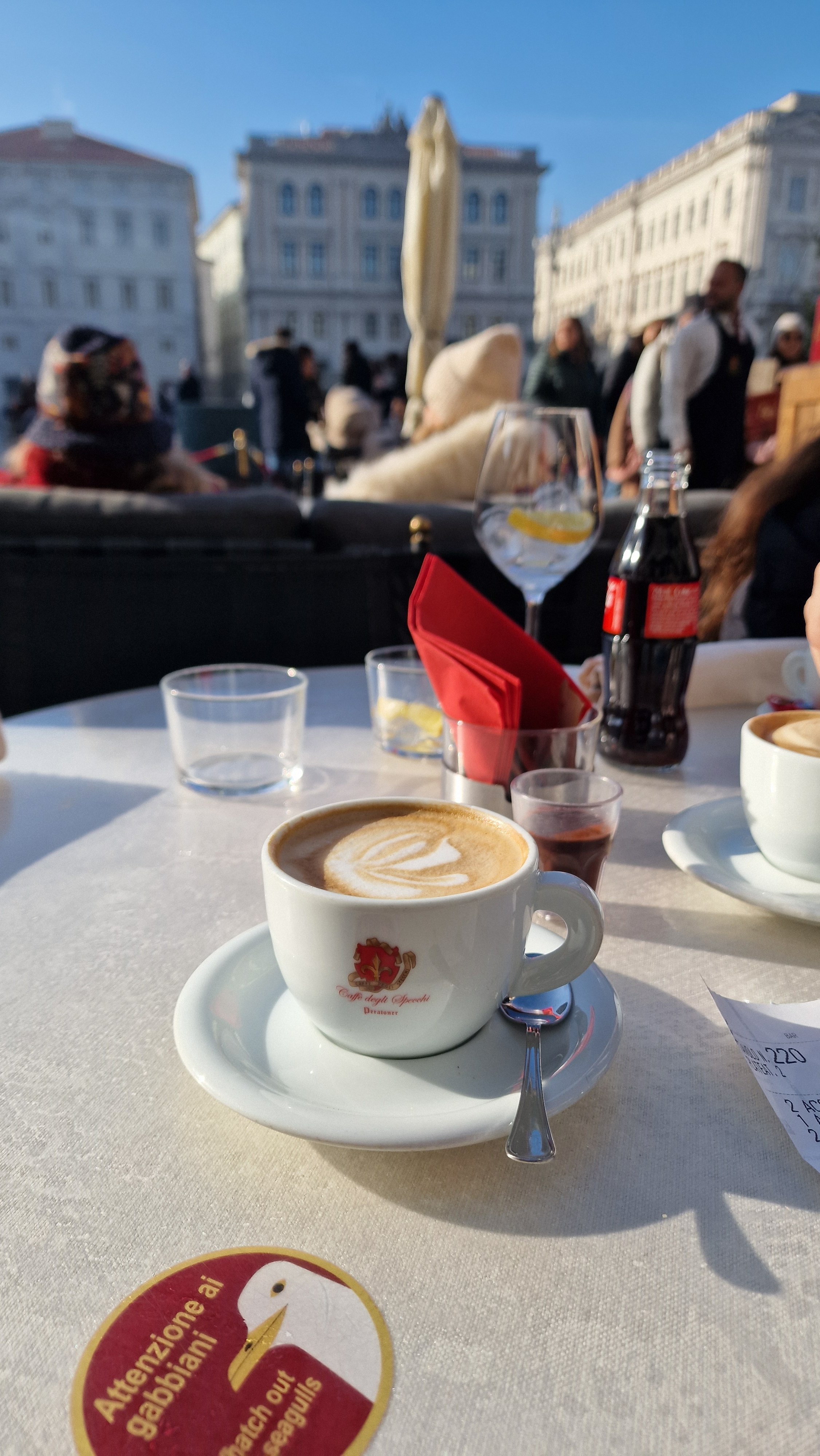
People-watching at Caffè degli Specchi
Following Kafka’s ghost, we sought out the historic cafés he frequented. Inside Caffè San Marco and Caffè degli Specchi, time seems to pool and settle. Trieste rose to prominence as Italy’s foremost port for importing coffee. The city became a vital gateway, ushering in the prized beans that would fuel the tastes of the entire Austro-Hungarian Empire and beyond, coinciding with the time when coffee gained immense popularity among Europe’s burgeoning bourgeoisie.
We drank thick, bitter espresso beneath ornate ceilings and antique mirrors. You can easily picture Kafka sitting in a corner, watching the steam rise from a cup, drafting letters full of longing and quiet dread or quite possibly enjoying people-watching out on the piazza.
Caffè degli Specchi, nestled in the timeless Piazza Unità d’Italia since 1839, feels like both a gateway to the past and a sanctuary for the present. Part of the stately Palazzo Stratti, its mirrored legacy reflects not just light but history itself—etched plates commemorating the city’s defining moments still whisper stories to those who pause to listen.
Throughout its storied history, Caffè degli Specchi has remained a steadfast beacon of the city’s social heart, untouched by political turmoil yet deeply intertwined with Trieste’s dramatic transformations. From its opening in 1839, it bore witness to moments both jubilant and turbulent—destroyed in October 1918 by crowds celebrating Italy's unification, only to be reborn in 1933 with a complete renovation. It endured the occupation by Tito’s soldiers in May 1945, serving as a meeting place under Anglo-American requisition for seven years before finally returning to the people of Trieste in 1953, restored and radiant once more. Subsequent closures and restorations, including those in 1967 and again at the turn of the millennium, have only deepened its legacy as a “city lounge,” where mirrors capture the glow of Trieste’s spirit, bright and alive, endlessly reflecting its vibrant past and present.
On an unseasonably sunny January afternoon, beneath a pale winter sun, we chose to sit outside. The air was crisp, carrying a chill that hinted at winters long gone yet felt gentler, almost subdued. Surrounded by the echoes of intellectuals and artists—Svevo, Joyce, and of course, our dear Kafka—we sipped our coffee slowly, as though steeped in the rhythm of a time when letters and ideas were the currency of the soul.
These coffeehouses still feel like sanctuaries for thinkers and exiles. They invite you to sit, to watch, and to let your thoughts wander through the smoke and chatter. Yet, I couldn't help but wonder, did this port city offer Kafka a fleeting sense of escape during his solo trip here, or just another beautiful cage?
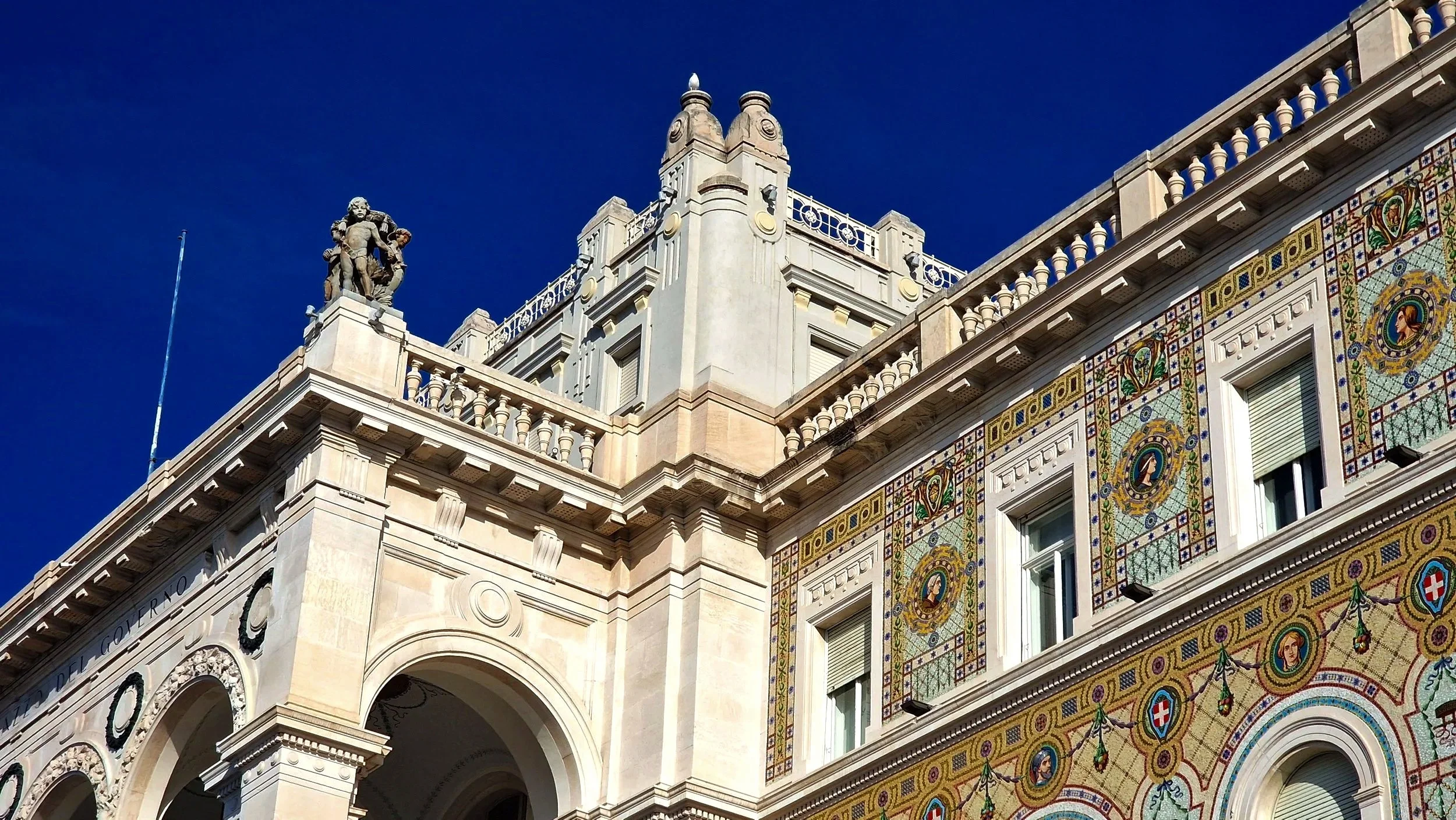
Franz Kafka's uncle, Alfred Löwy, stood as a prominent figure deeply rooted in the fabric of “exotic lands” like Madrid in Kafka’s imagination, weaving connections to the city's esteemed business elite. Aligned with the influential Rothschild and Péreire circles, he embodied the allure of a world Kafka could only imagine—a realm of success and sophistication, so distant from the dreariness of his own everyday work.
As we walked along the narrow streets, surrounded by grandiose buildings and delicate details, I couldn't help but wonder about the stories these walls held. The layers of history intertwined in this city seemed to seep into my bones, making my thoughts feel the added weight of contemplation.
But amidst all this quiet introspection, there was also a vibrant energy that filled the air. The cafes were bustling with people sipping on strong espresso and indulging in flaky pastries. Locals laughed loudly as they caught up with friends while tourists snapped photos of every corner. Trieste’s beauty is impossible to ignore.
Politics & Prose
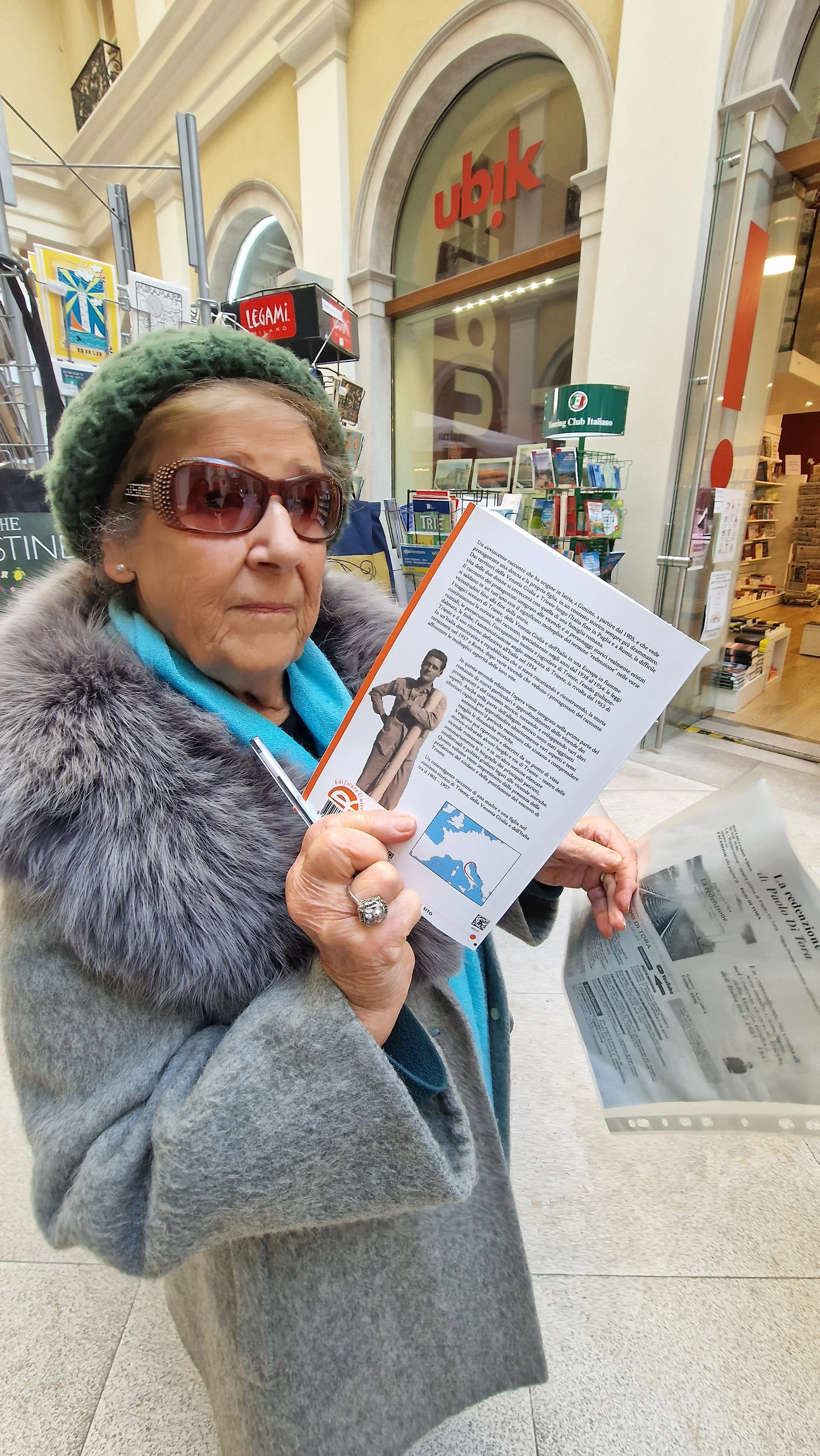
Paolo di Tora’s mother, Maria, proudly promoting her son’s book
Wandering through Trieste with Alex and Iselda felt like stepping into a sprawling labyrinth of charm, where every turn unveiled yet another bookstore or café bathed in soft amber light. I couldn’t help but marvel at the treasures we stumbled upon; shelves brimming with stories, aromas of freshly brewed coffee mingling with the scent of aged paper. “Why haven’t you brought us here before?” I teased Alex, half-joking, half-bewildered by his ability to withhold such a delight from us for so long.
The gentle buzz of discovery was interrupted when we came upon a galleria outside one of the bookstores, where an impassioned crowd had gathered. They carried signs, their voices rising in fervent protest against the violence unfolding in Iran. It was raw and powerful, but the intensity of the moment visibly unsettled Iselda. She clung to Alex’s arm, her usual spark dimmed by fear—not just for the fragile state of the world, but for the possibility of chaos so close to where we stood. I rested a reassuring hand on her shoulder, trying to ground her, as the hum of resistance mixed with the wind.
As emotions swirled, an elderly woman approached us, clutching a weathered paperback. Her voice was gentle but firm as she explained it was her son’s book, a novel rooted in their family’s history during WWII. She stood there, not as a vendor, but as a mother advocating for her child’s words to find a home. I thought about my own parents, whose quiet disapproval of my choices was the cold mirror I carried through adulthood. Would they stand out in the cold for my ideals, my words, or for my art? Like Kafka's parents, it would be a solid, indifferent no. I glanced at Iselda, leaning closer to whisper, “I would sell your books outside in January in Trieste with la bora at my back.” She smiled faintly, her eyes glimmering in quiet gratitude, a thread of warmth pulling us closer amidst all the uncertainties of the world.
Marching Orders
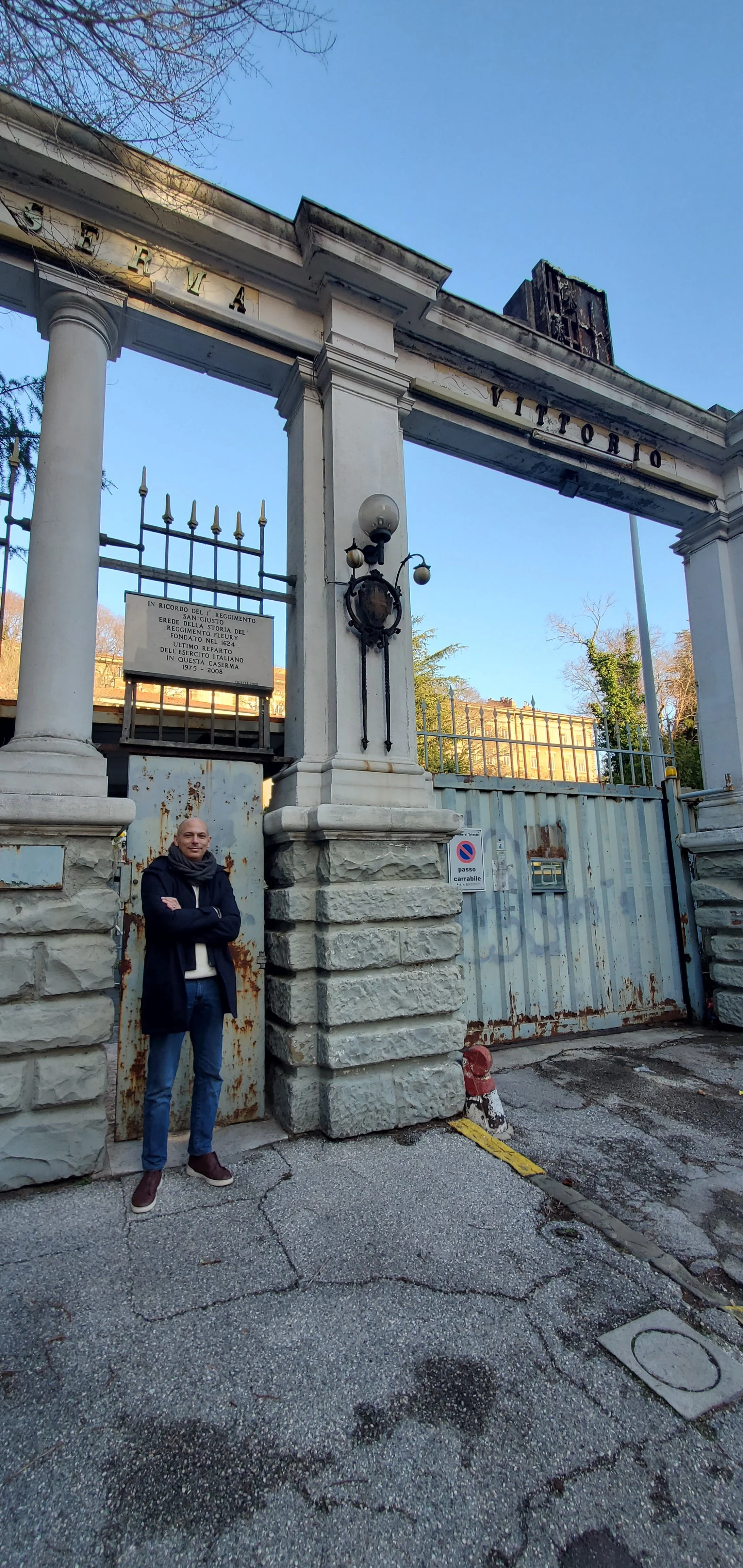
Alex in front of his old barracks
But literature was only one map we followed. Alex, brought his own history to these streets. We walked through his old Army stomping grounds, tracing the lines of a youth spent in uniform. The barracks and squares he once knew now hum with the quiet rustle of winter leaves against abandoned buildings. It is a profound thing to walk through a city with someone who lived it in another era. You see the buildings not just as stone and mortar, but as vessels holding echoes of the person they used to be.
Trieste, with its melancholic shores and labyrinthine streets, became a threshold for Alex—a place where boyhood drifted away like the Adriatic tide, replaced by the weight of responsibility. Here, he honed his discipline, shaped by the rigorous training that would prepare him for Sarajevo’s tumult. The city served as both a sanctuary and a proving ground. Its faded façade bore witness to the young soldier’s quiet resolve, his moments of doubt and clarity intertwining like threads in a tapestry. By 1997, when the echoes of distant gunfire called him to Sarajevo, Trieste had forged him into the infantry officer and Ranger who would endure the crucible of war. This city, in its stillness, had readied him for the chaos to come.
Alex's mother's lineage wove its roots through the verdant hills of Postumia (Postojna in Slovenian), a quiet town in Slovenia where tradition whispered through the wind and time seemed to move slower, as if savoring each moment. His grandmother’s stories often carried the scent of that distant place, laden with memories of family gatherings and generations passed. Alex’s grandmother's brothers, his great-uncles, had settled nearby in Trieste and Opicina (Trst & Opčine in Slovenian), where they became stewards of a different sort of wisdom—culinary lore that danced between Eastern Europe and Northern Italy. It was here that Alex was introduced to a feast of flavors unlike anything found on the tables of other regions of Italy.
The cuisine of Trieste weaves together the rich tapestry of Austrian, Slavic, and Venetian traditions, creating a culinary identity distinct from the rest of Italy. Signature dishes include Jota, a robust soup blending sauerkraut, beans, and potatoes, alongside Gulasch Triestino, a spiced stew infused with white onions, and Porcina, a tender preparation of pork often served in local buffets. From the sea, offerings like sardoni in savor and scampi alla busara delight the palate, while desserts such as strudel and presnitz add a sweet final note to this symphony of flavors.
He still remembers the smoky notes of Cevapcici, the rich, buttery layers of delicate apple pastries, and the rustic heartiness of dishes rooted in Slovenian kitchens but mastered along Trieste’s borders. Each meal was more than sustenance; it was a history lesson, a celebration of culture that painted his family story in the colors of shared ingredients and tradition.
Risiera di San Sabba
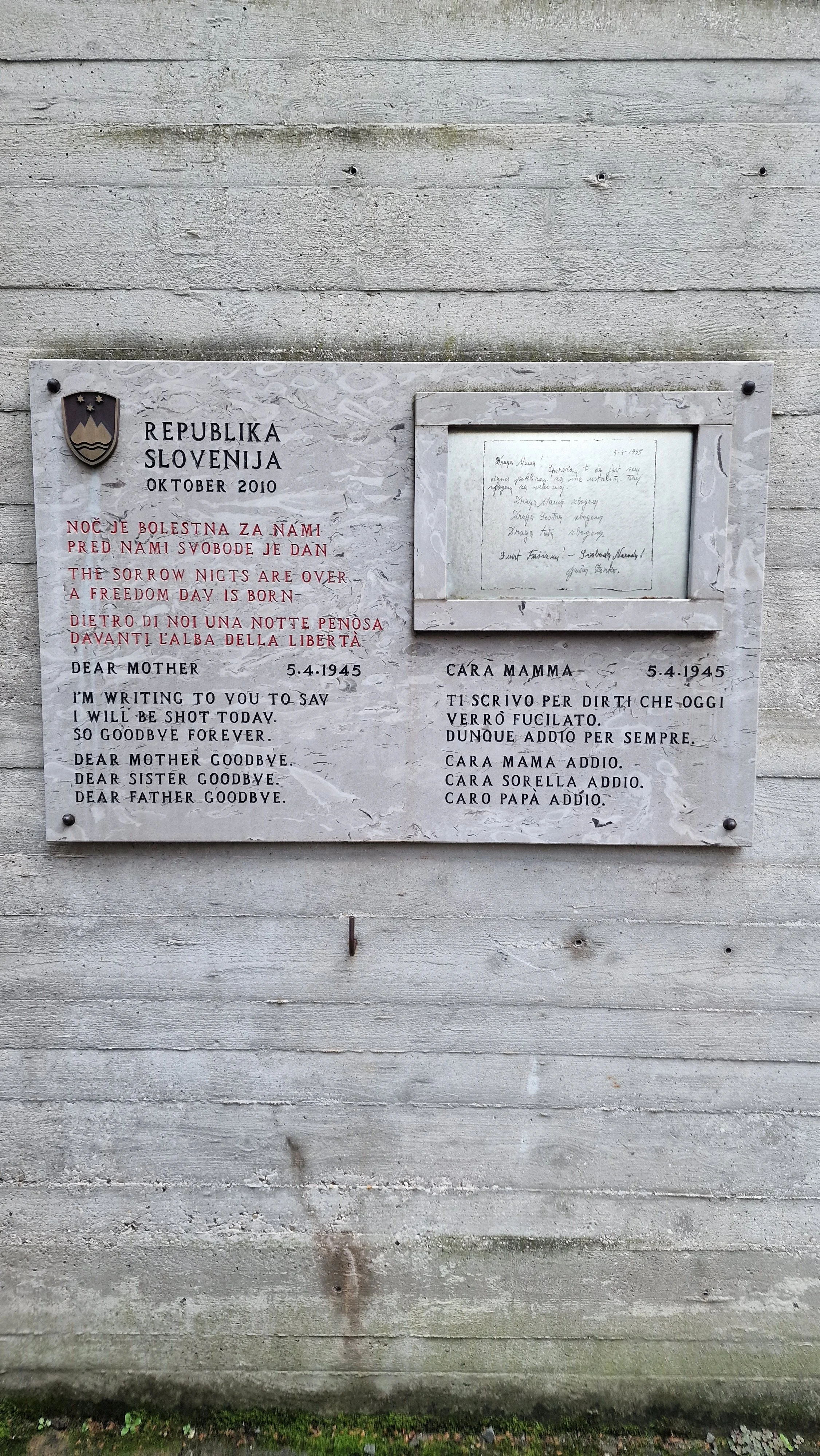
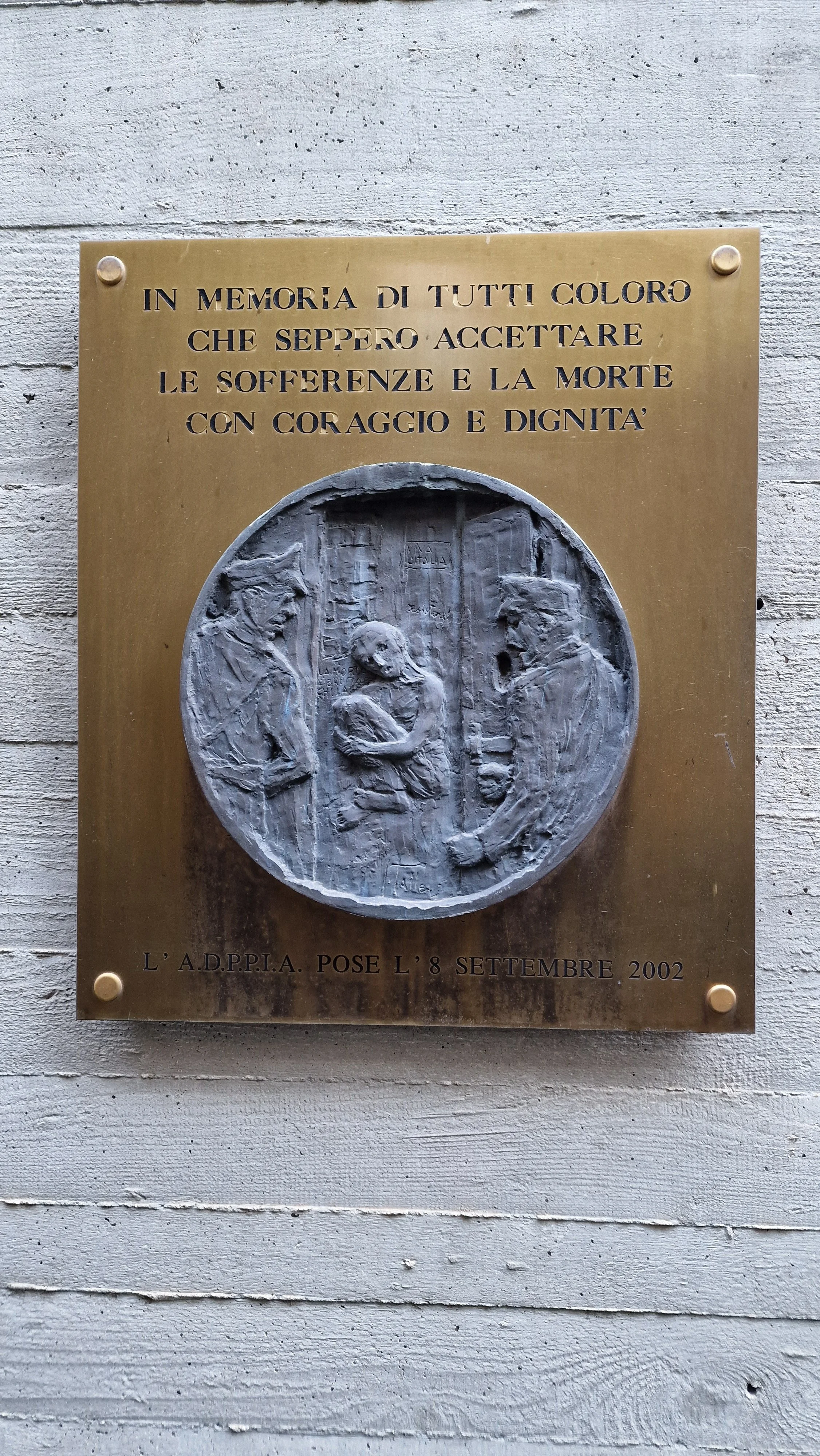
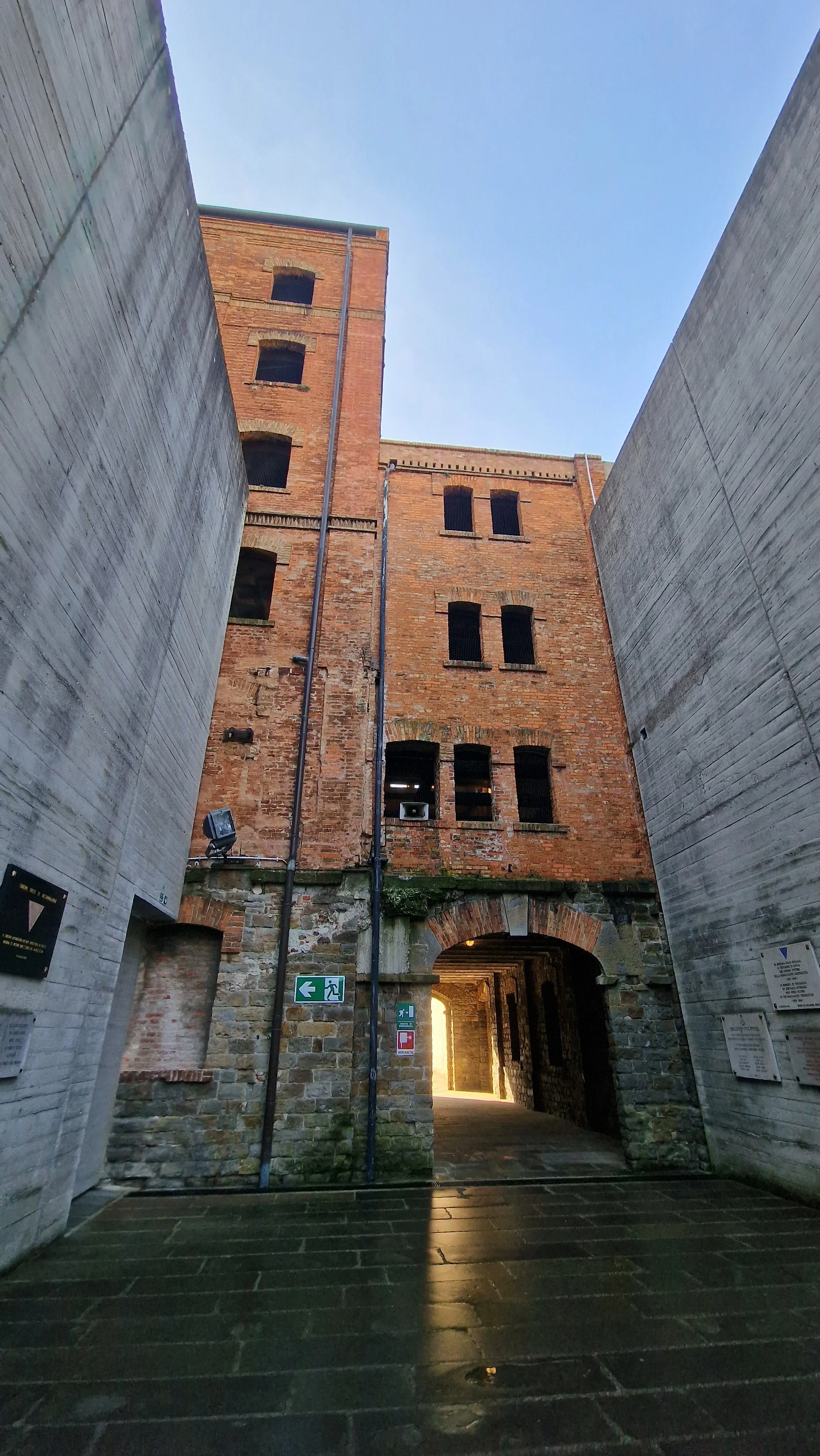
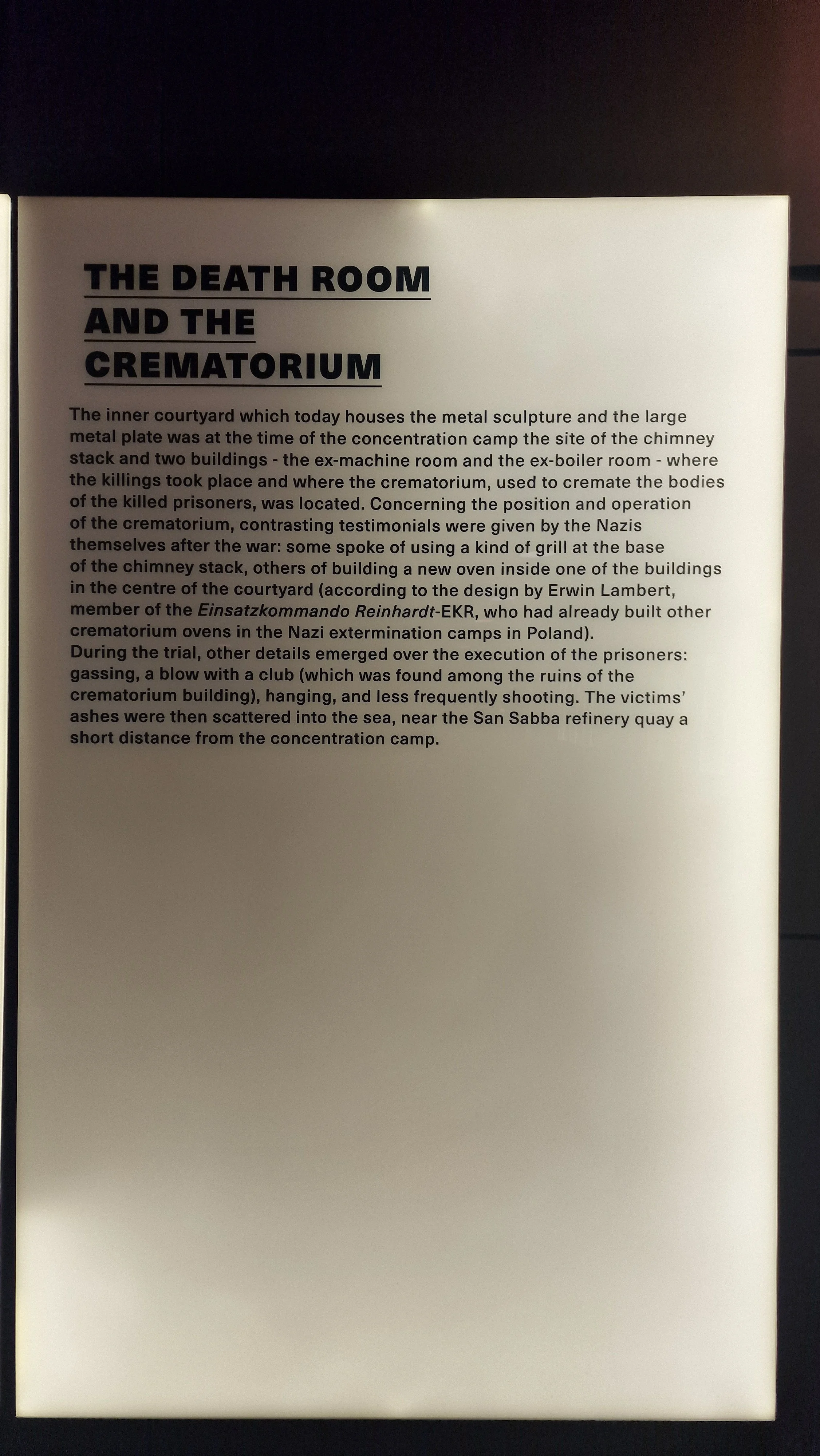
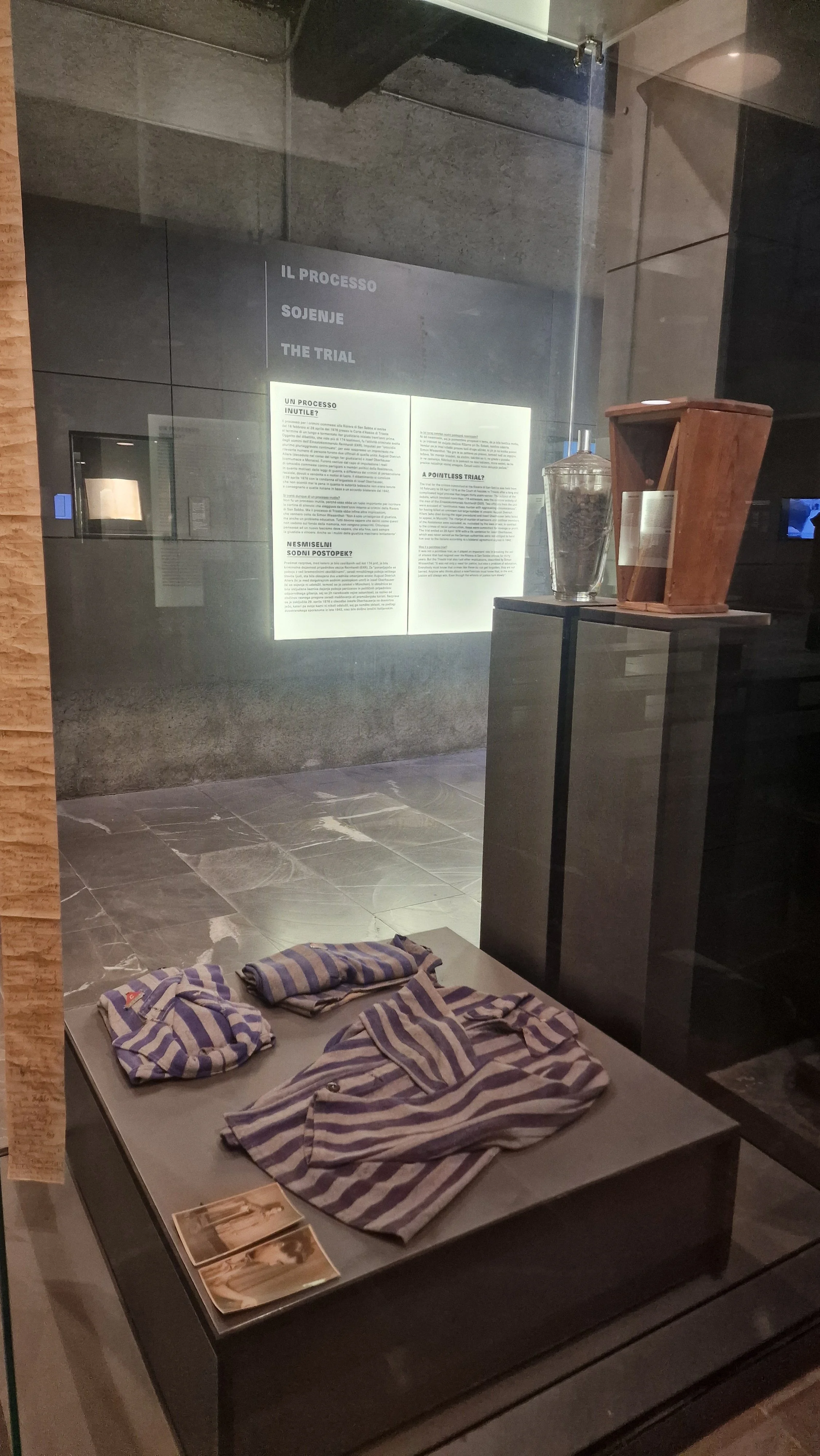
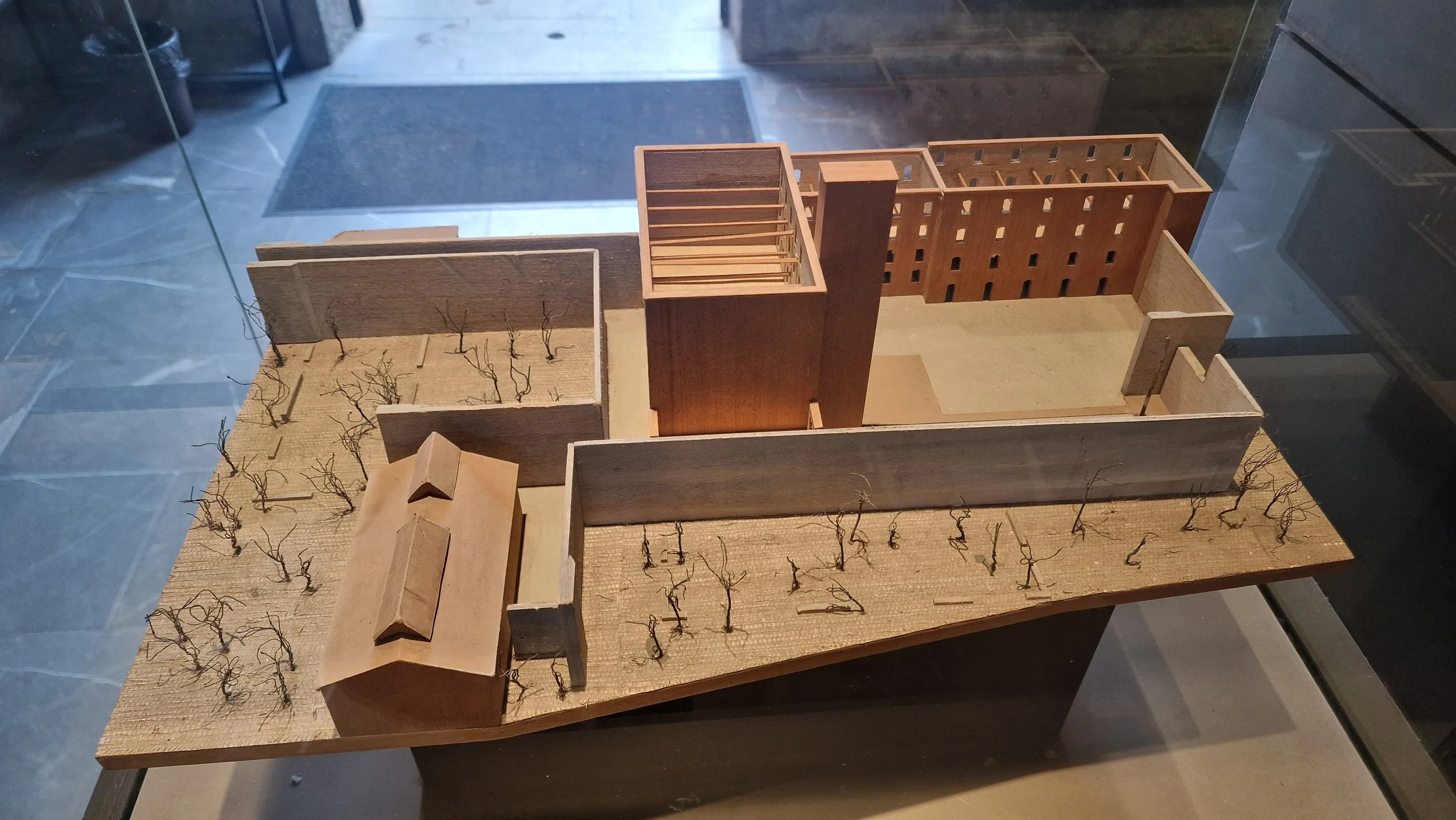
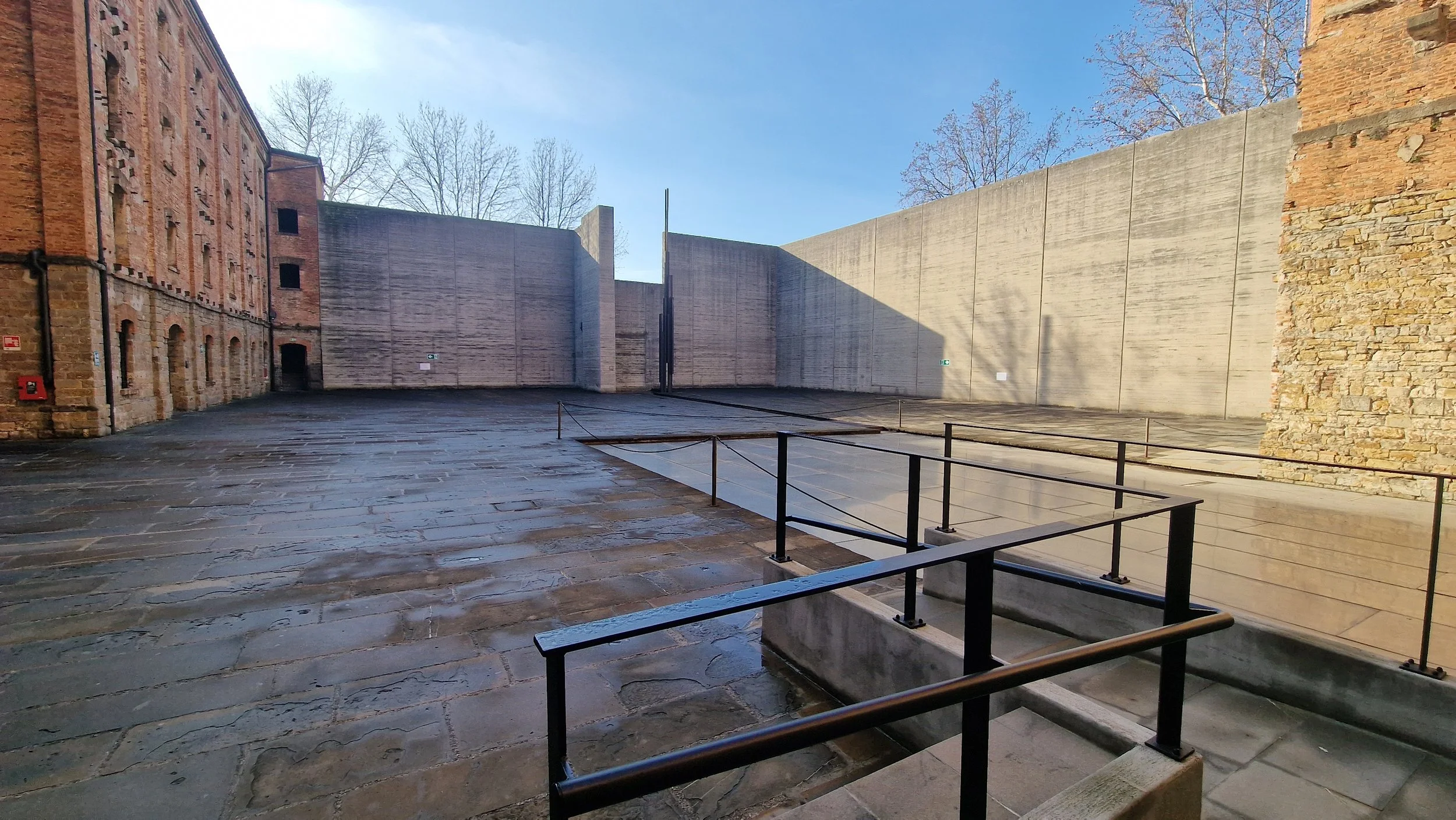
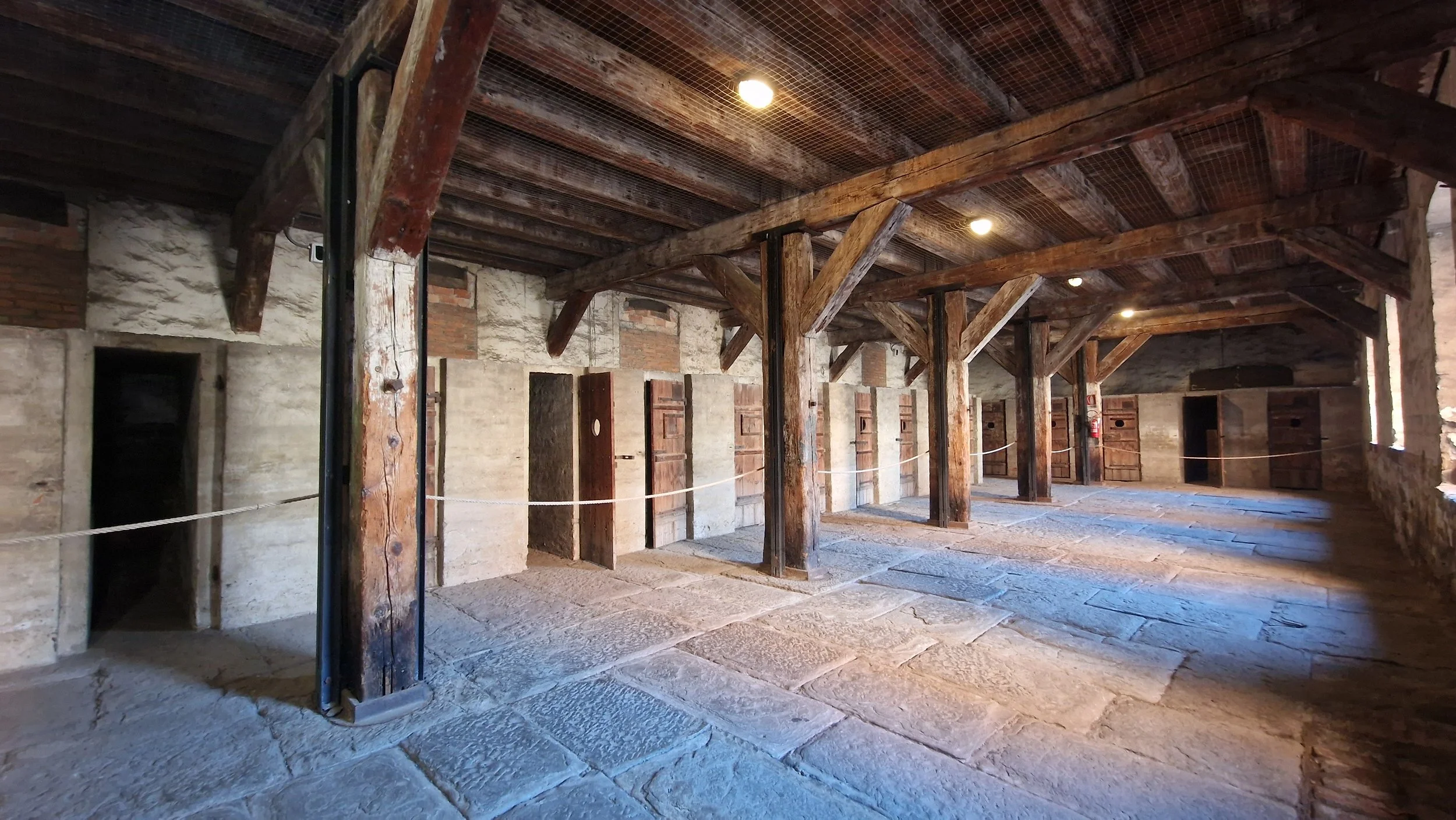
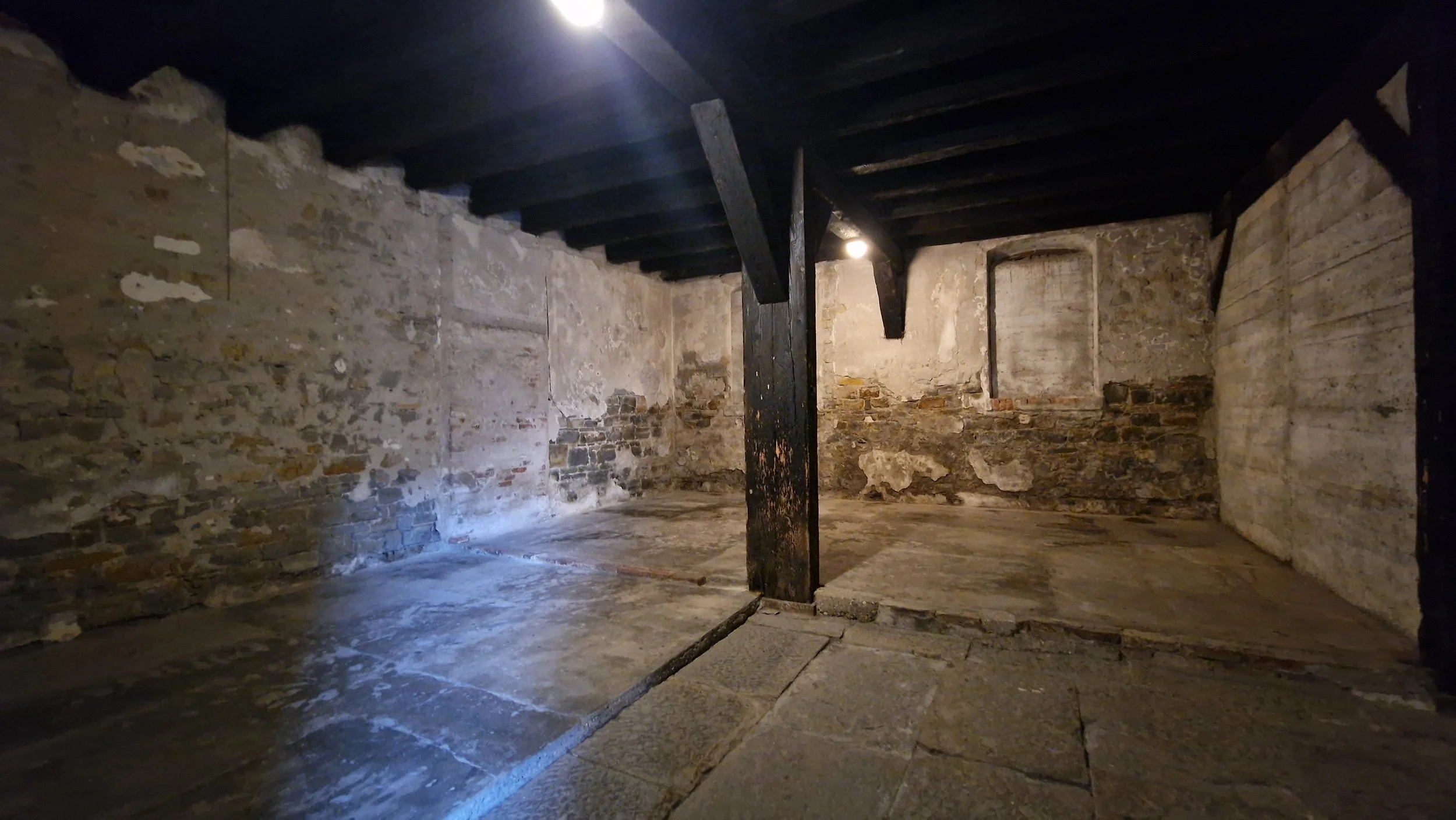
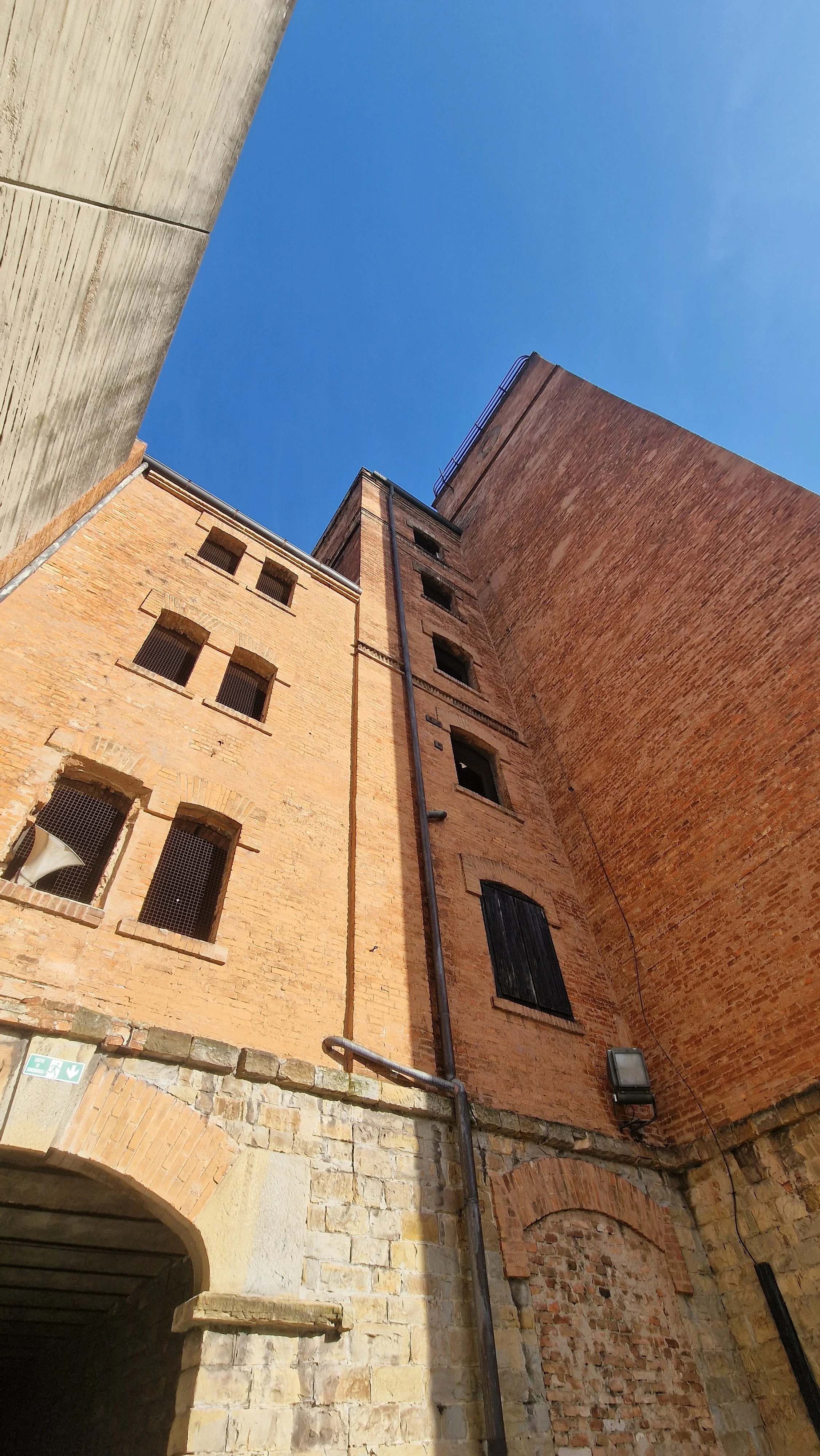
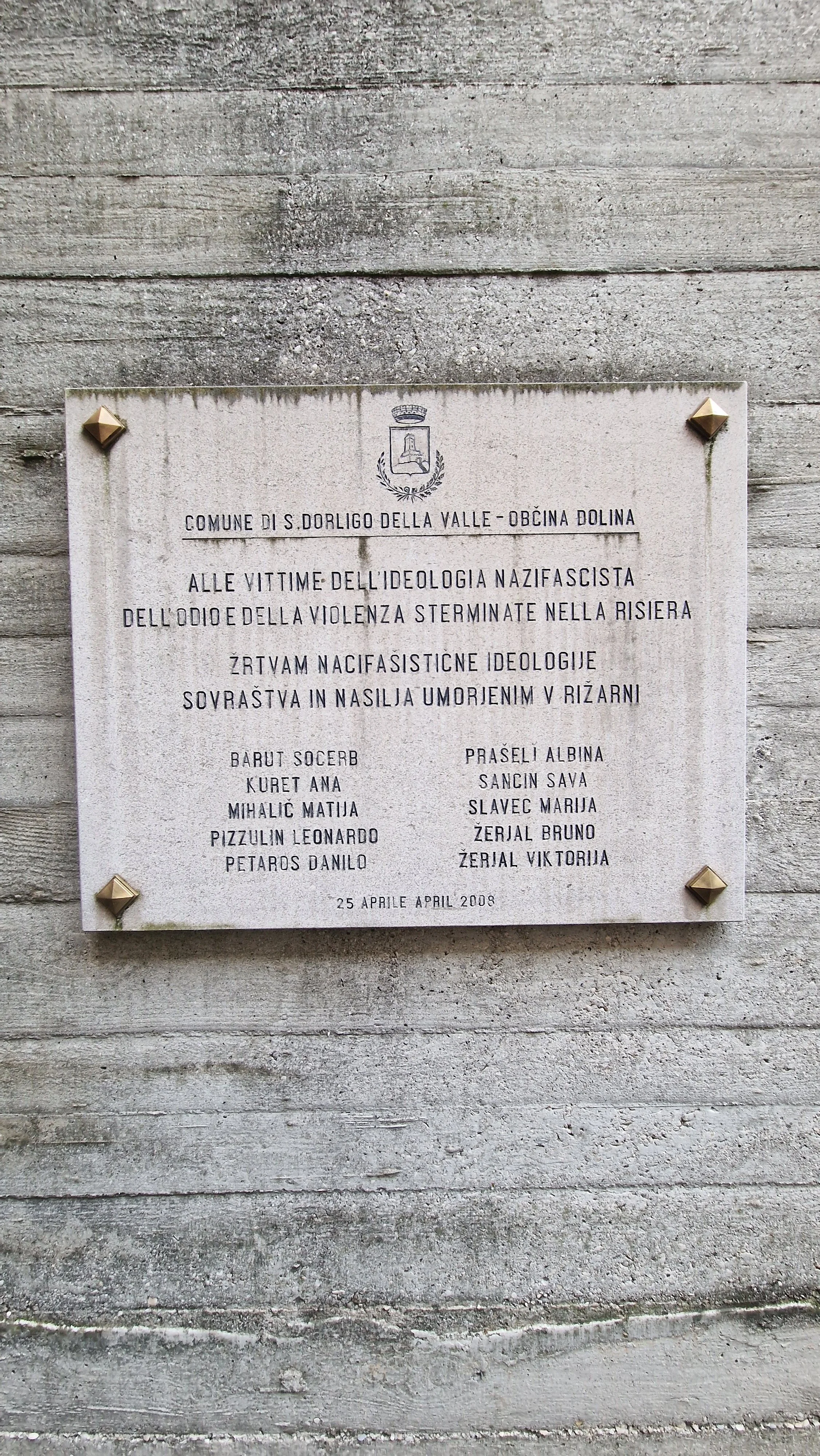
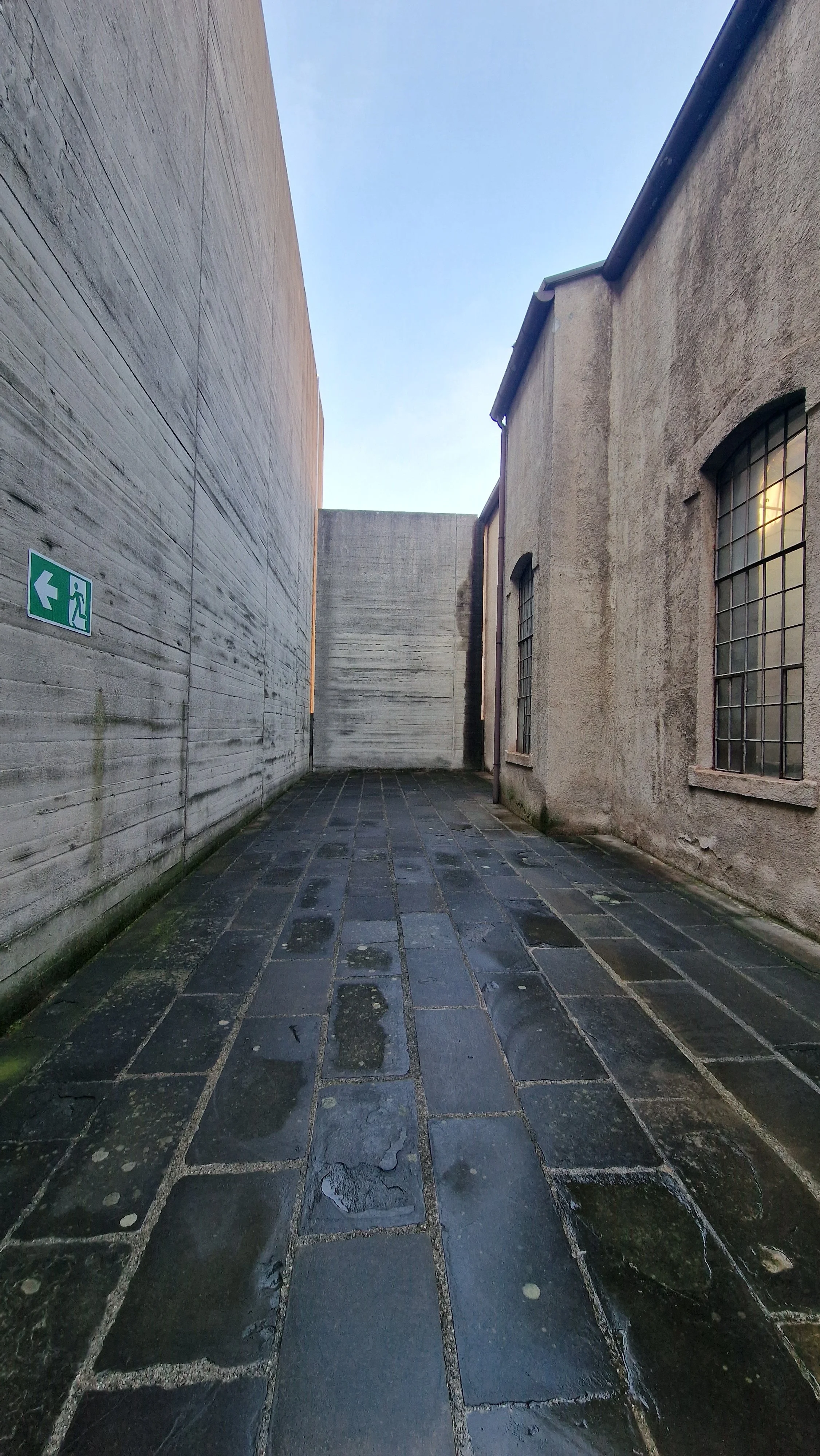
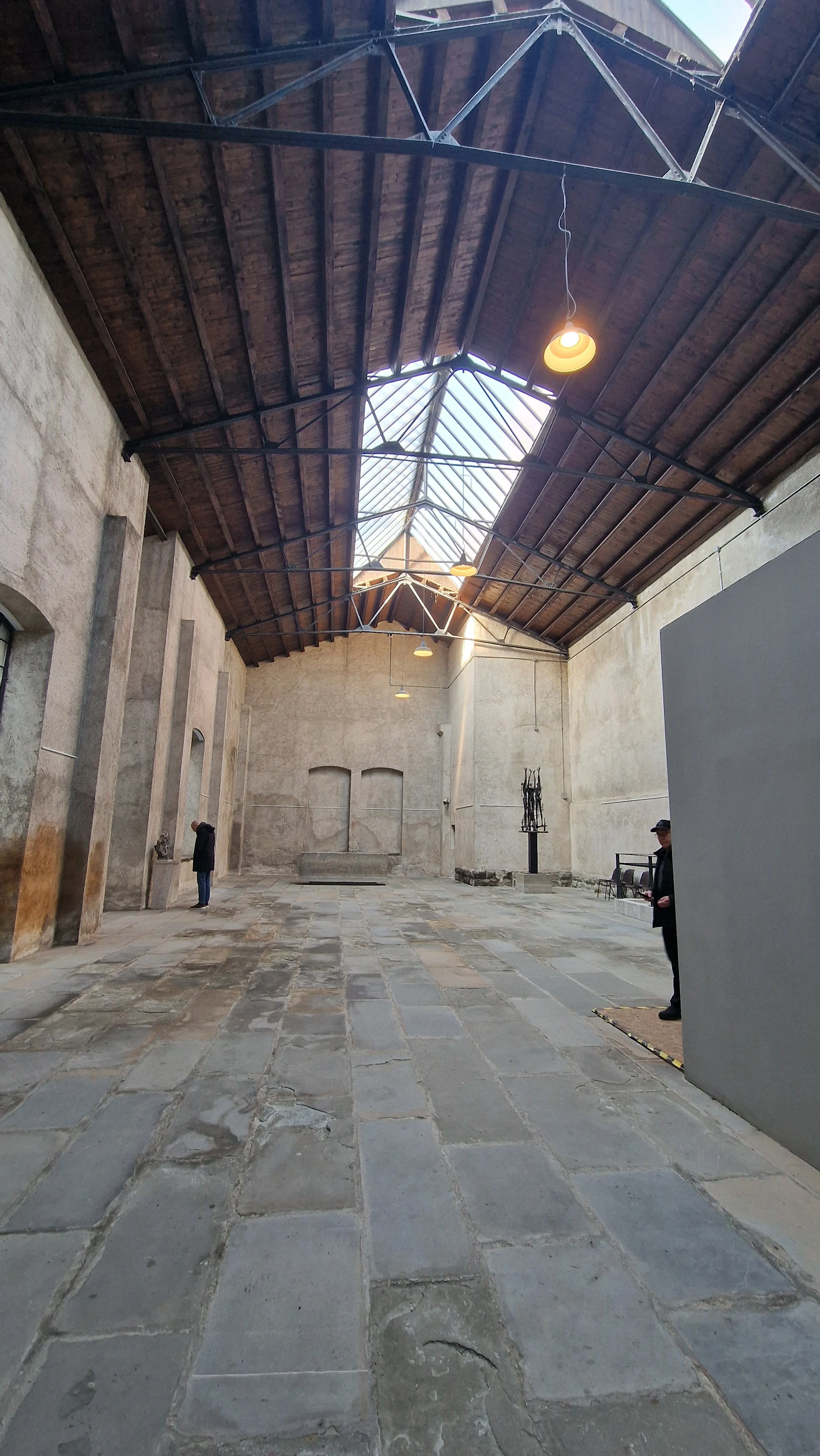
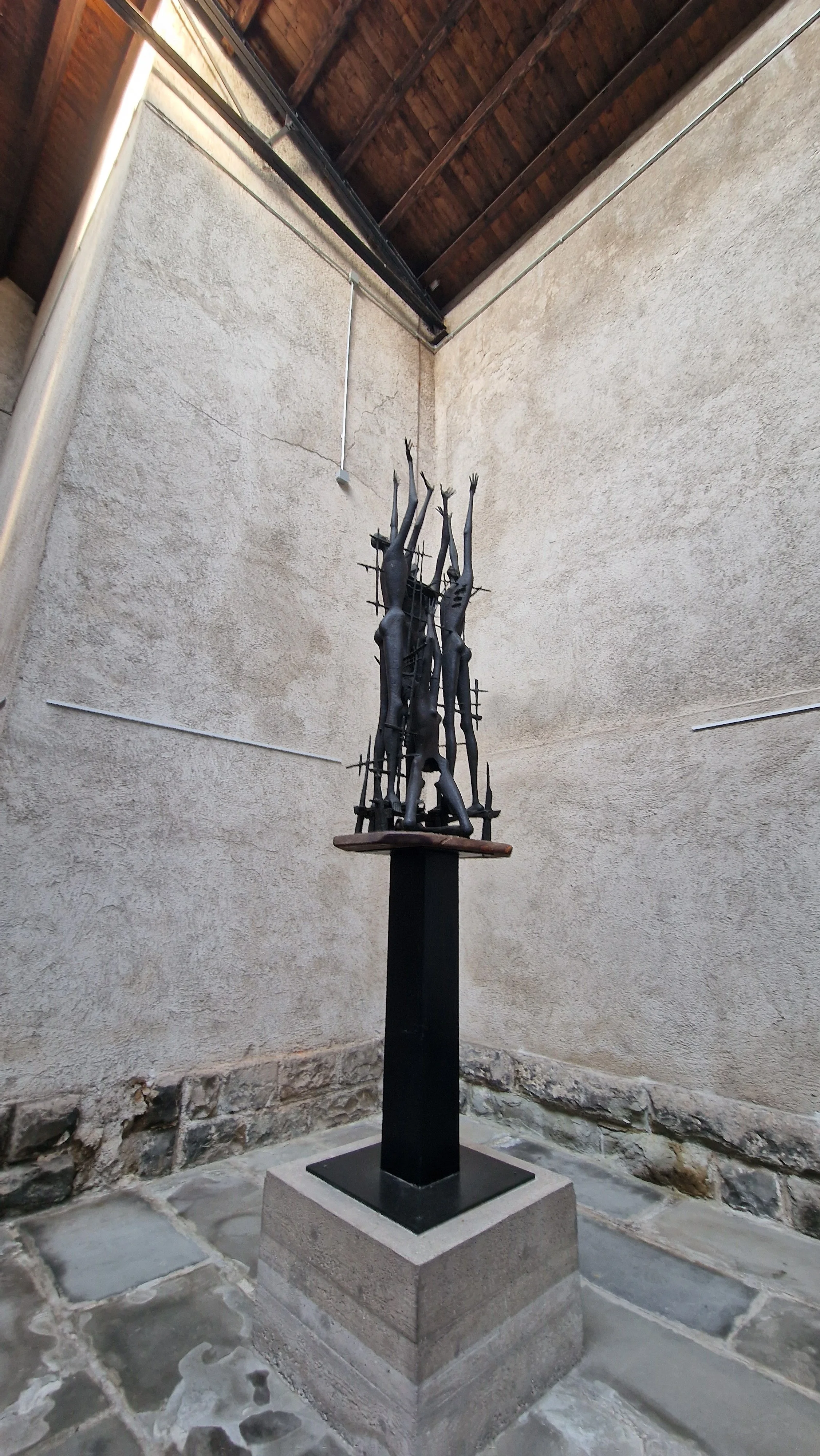
Trieste holds disturbingly haunting echoes, too. Beyond the elegant waterfront lies Risiera di San Sabba, a WWII concentration camp housed in an old rice mill. We stood in the cold courtyard, surrounded by high, suffocating brick walls. The silence there presses heavy against your chest. It serves as a stark, necessary reminder of the horrors that unfolded beneath Europe's polished surface. We walked through the empty spaces and read the names. You cannot visit a place like this and leave unaltered. It asks you to witness, to remember, and to carry that weight forward.
The Risiera di San Sabba bears the weight of history in every brick, every shadow, and every echo that fills its hollow corridors. Once a rice-husking factory, it was repurposed into a place of unimaginable suffering during the Second World War. Today, it remains the only Nazi concentration camp in Italy equipped with a crematorium. Walking through its somber architecture is like stepping into the heart of a collective trauma, preserved not for sensationalism, but for solemn remembrance. The museum on-site speaks with the voices of those silenced; its exhibits and artifacts tell stories of forced labor, torture, and loss, all painstakingly arranged to honor the memory of the victims.
The central chimney, now a gaping void, stands as a silent indictment of cruelty, while the rooms themselves insist that visitors confront history not as detached spectators, but as humbled witnesses. The Risiera beckons those who enter to reflect on the fragility of humanity and the pervasive shadows of hatred and intolerance. To learn more about its history and role as a National Monument, you can explore the museum's official site here or gain deeper insights via the regional tourism page here. Both serve as extensions of a place that implores us to remember, so we never repeat the horrors it once bore witness to.
Koper
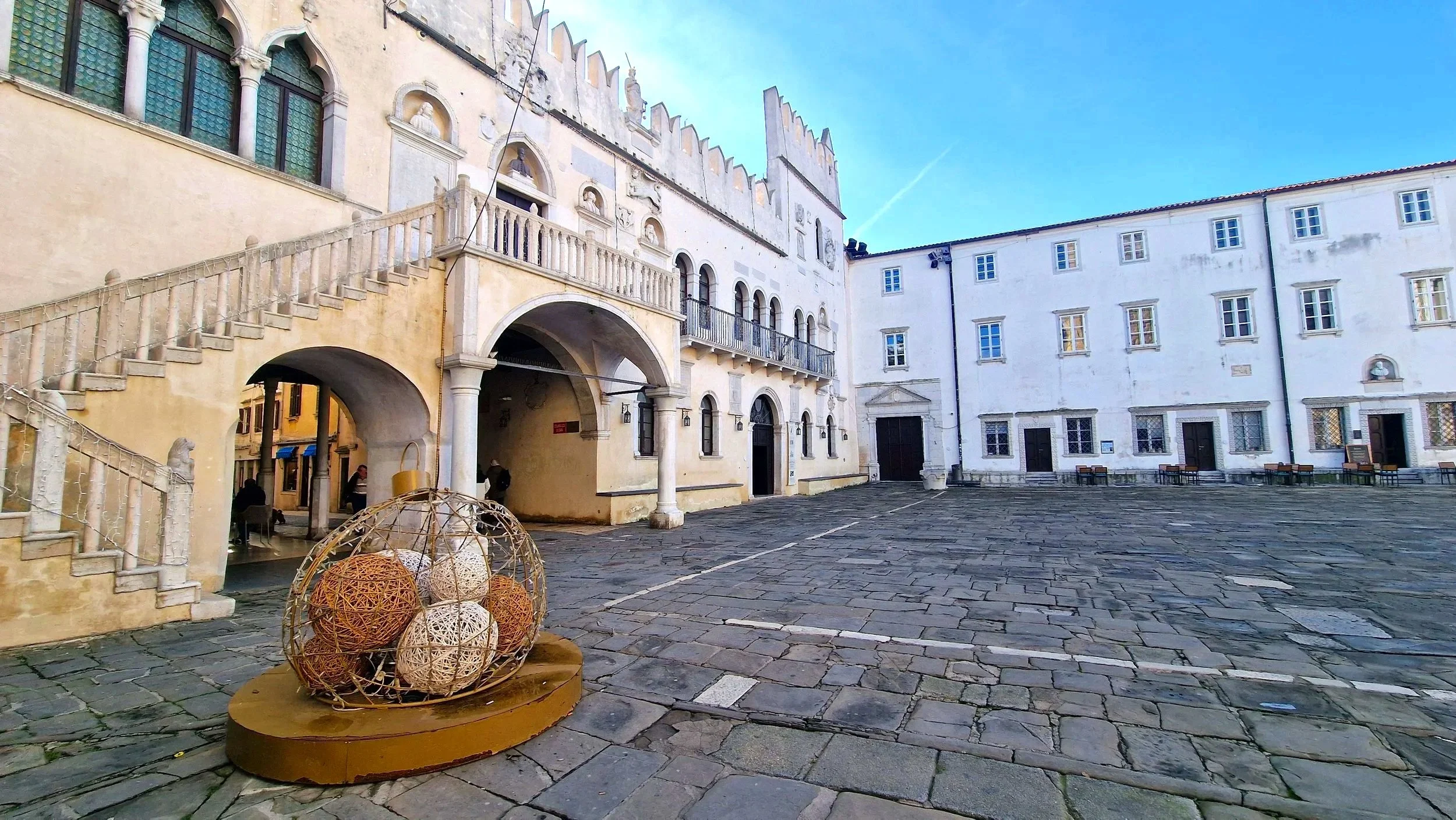
Koper, Slovenia
Needing a moment to breathe, we took a quick trip across the border to Koper, Slovenia. The shift was immediate. The Venetian architecture and salt-tinged air offered a softer, slower rhythm. We wandered the coastal paths, letting the Adriatic sea breeze clear the heavy dust of history from our minds. Koper felt like a quiet exhale after holding our breath in the shadows of Trieste.
Koper, with its timeless charm, sings a melody that has long captivated artists and intellectuals seeking inspiration in its cobbled streets and golden-hued walls. Once a proud jewel of the Venetian Republic, it carries whispers of its storied past in every aged wall and sun-dappled square. The city’s connection to artistic and intellectual exchange is woven deeply into its identity. During the Austro-Hungarian era, nearby cities such as Trieste fostered dialogues among thinkers and visionaries—a spirit that undoubtedly spilled over into Koper’s own creative heart.
Even today, Koper remains a haven where the pace of life slows, and contemplation feels as natural as the tides kissing the shores. It is easy to imagine writers sketching prose under the shade of olive trees or painters capturing the reflection of the Adriatic light upon terracotta rooftops. This tranquil city, once a crossroads of empires, continues to nurture the muses of those who seek solace and inspiration along its sunlit paths.
The city of Trieste stands as a unique crossroads, where cultures intertwine in a dance of history and identity. Here, Italian, Central European, and Slavic influences meet, each leaving their mark on its streets, architecture, and soul. Trieste’s position as a port city has long made it a gateway to the world, a place where traditions are exchanged and reimagined. From its grand piazzas to the whispers of languages blending in winding alleys, the city captures the essence of connection—between the sea and land, between people from different backgrounds, and between the past and present. It is a city that invites exploration and contemplation, offering a bridge not only to other places but to a deeper understanding of cultural harmony and diversity.
Leaving a Long Shadow
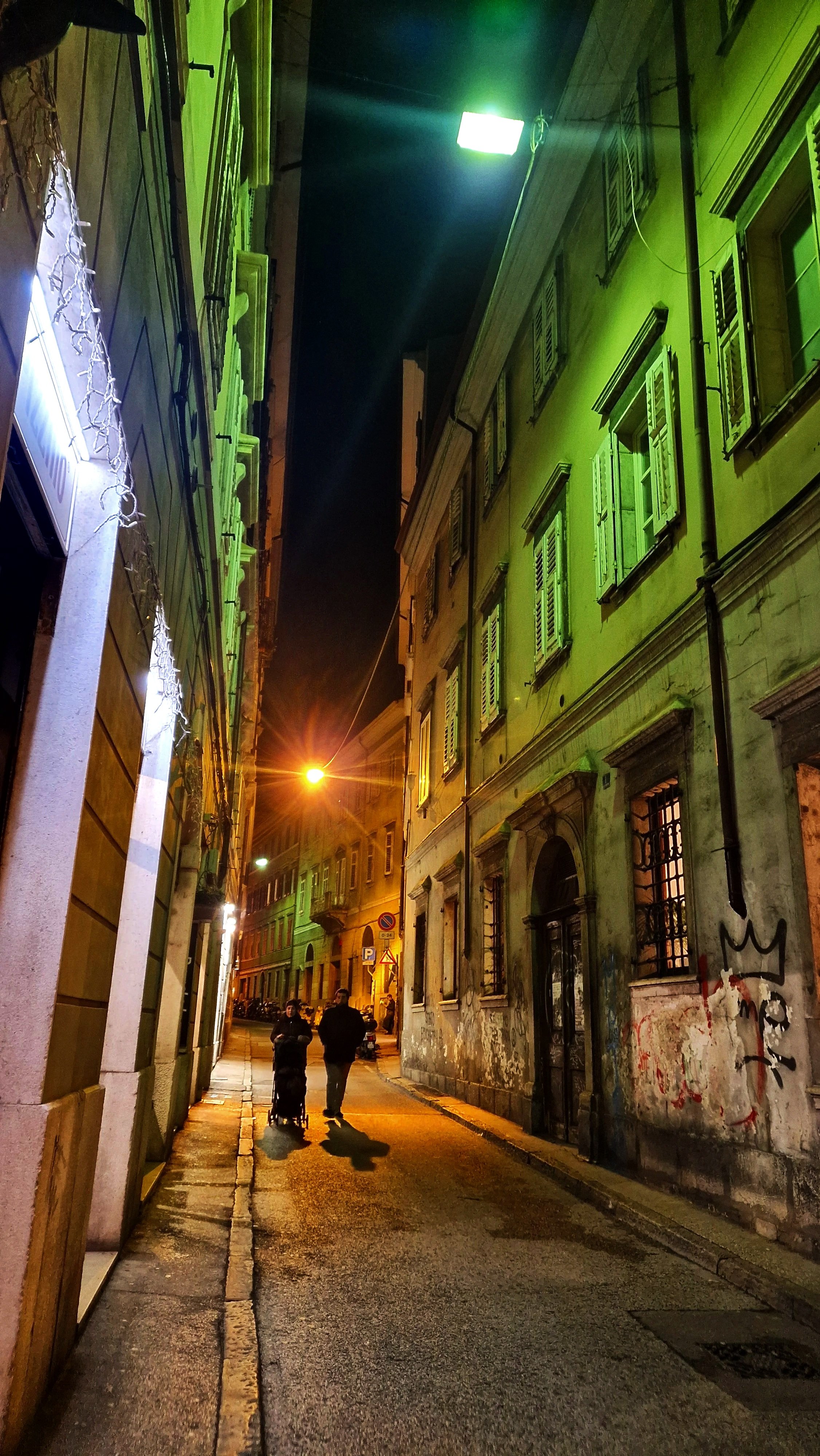
Melancholic Trieste
Trieste remains a city of profound transit. It is a true crossroads of arrivals and departures, where Kafka’s restless ghost meets the loud echoes of war and the gentle footprints of personal history. We left the city with our coats smelling of cold sea air, antique books, and dark coffee, forever marked by the ghosts we met in the winter wind.
Stepping back out into the wintry cold, the screen’s illusions from Franz spilled into the streets of my mind's eye. We sought out the historic cafés where Franz Kafka once lingered during his stopovers. Beneath the golden glow of Belle Époque chandeliers, we enjoyed wonderful dinners.
But Trieste held other, more personal ghosts for us. The rigid, structured memories of Alex's military days stood in stark contrast to the fluid, poetic soul of the city. We walked past old barracks and familiar corners, watching how time softens the edges of a soldier's past. How do our younger selves haunt the places we leave behind?
Trieste, with its flickering lamplights casting long shadows over cobblestone streets, is a city where history whispers through every corner. The air seems thick with the echoes of poets, dreamers, and wanderers who once sought solace here. Its duality—a place of light and shadow, of grandeur and melancholy—lingers in the heart like a half-remembered verse. Like Kafka, I, too, found myself utterly enchanted by Trieste, its charm seeping into my soul in ways I hadn’t anticipated. Now, it stands as one of my favorite cities in Italy, a constant reminder that beauty often resides in the imperfect, in the in-between, and the unexpected.