Memorial Day Abroad: Memory, Duty, and the Future We Owe
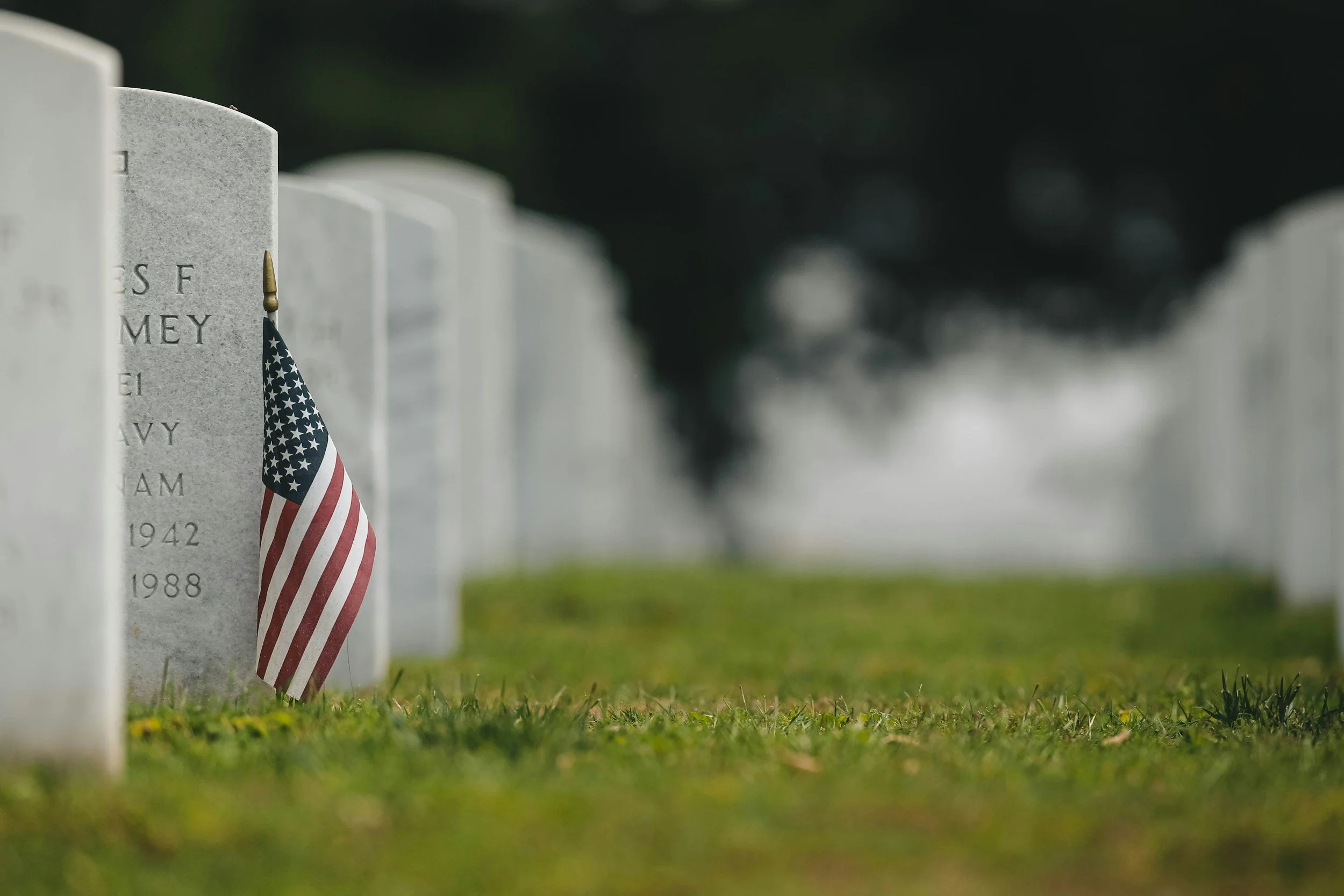
Memorial Day arrives quietly when you live abroad.
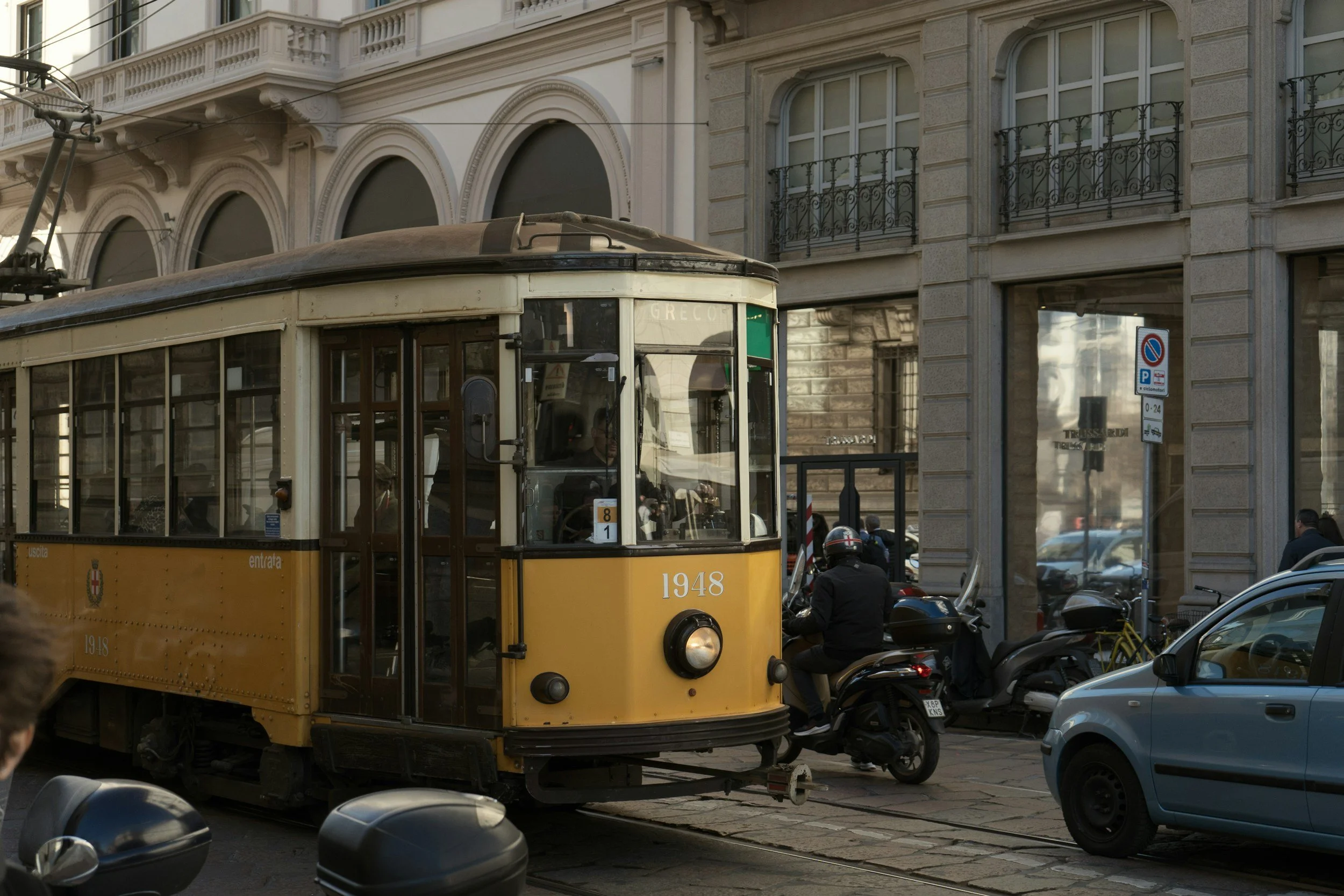
It does not always come wrapped in the familiar rituals of the United States: flags on porches, parades along main streets, wreaths placed beneath bright spring skies, the distant hum of family gatherings that mark the unofficial beginning of summer. In Italy, the day may unfold like any other late May day—the sharp pull of espresso in a ceramic cup, trams grinding through the intersections of Milan, church bells loosening themselves over rooftops and stone streets worn smooth by centuries of feet, the long white line of the Alps dissolving into haze at the edge of the horizon.
For those of us who have worn the uniform and carried the names of the fallen, somewhere beneath the sternum where certain things are stored and never quite released, Memorial Day does not depend on geography.
It follows us.
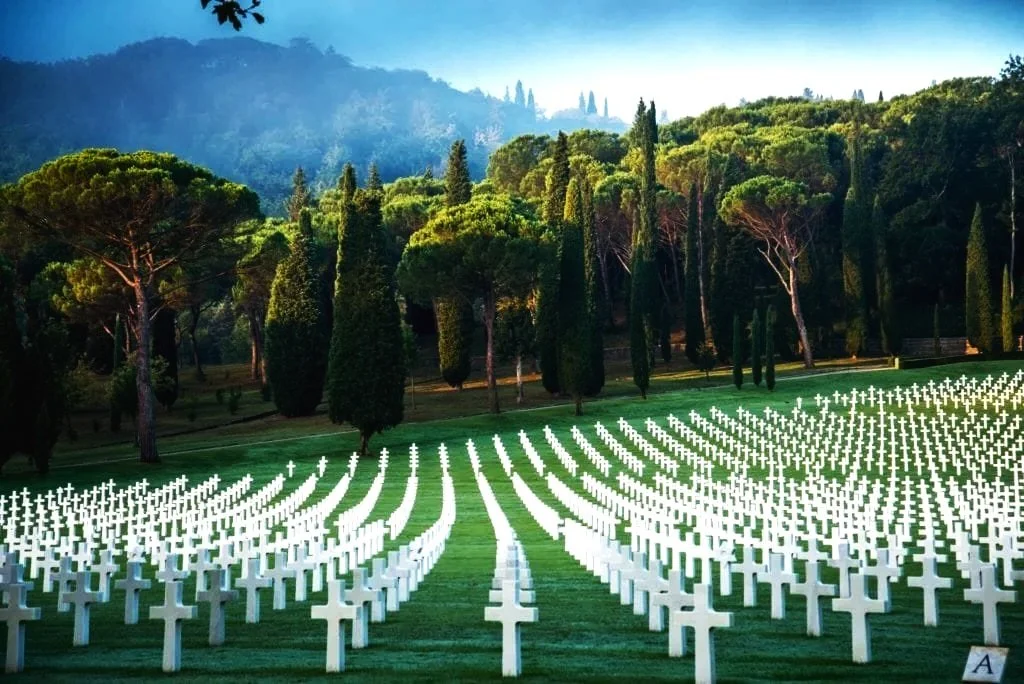
Florence American Cemetery and Memorial | Via Cassia S.N., 50023 Tavarnuzze, Impruneta FI, Italy
It crosses oceans. It waits in quiet rooms. It lingers in the pauses between conversations. It lives in the names we do not say casually, because saying them opens a door. It lives in the faces that remain young while the rest of us grow older.
I write this as an Iraq War veteran, an author, a social worker, and an American living in Milan. I served in the U.S. Army as a medic, mental health sergeant, and retention NCO, and deployed to Ramadi, Iraq from 2004 to 2005 as part of Team Lioness. Like many veterans, I carry more than one map within me: the map of where I have lived, the map of where I have served, the map of those who did not come home, and the additional litany of veterans who’ve taken their own lives.
Memorial Day is not an abstraction for us. It is not a happy slogan, a sale, or a long weekend. It is a sacred pause.
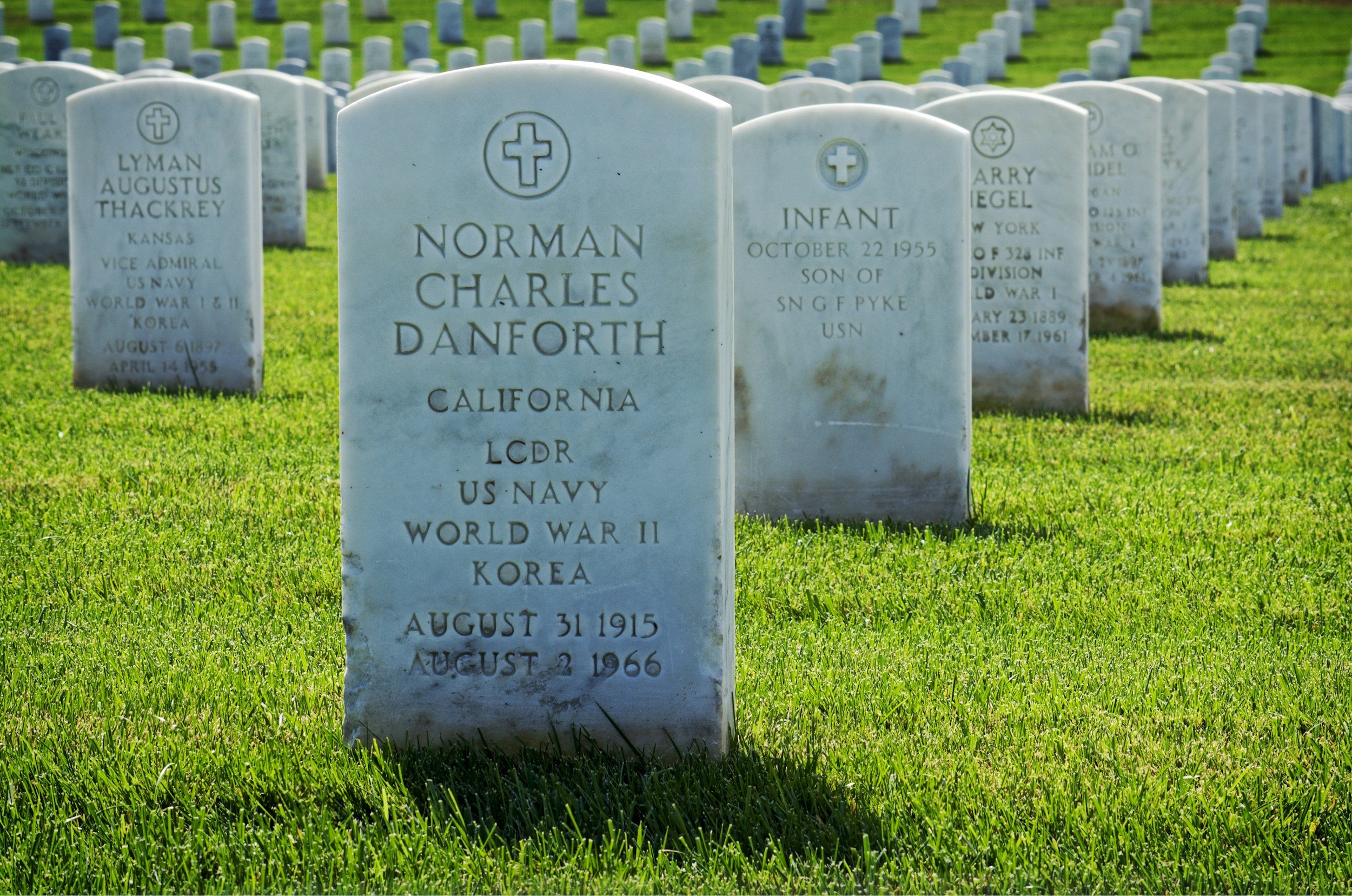
It asks us to remember the fallen—not as symbols carved into stone, but as human beings who laughed, worried, wrote letters, missed home, made plans, and were loved. It asks us to honor our fallen brothers and sisters not only by preserving their memory, but by building a future worthy of their sacrifice.
That is the harder work.
Remembrance in a Foreign Landscape
Living in Italy gives Memorial Day a different texture. Here, history is never far beneath the surface. It rises from cobblestones, ruins, churches, battlefields, and cemeteries. The past is not sealed away; it breathes through the architecture.
For Americans abroad, Italy also holds places of profound remembrance.
At the Sicily-Rome American Cemetery in Nettuno, near Anzio and south of Rome, American service members from the campaigns in Sicily and Italy rest beneath immaculate rows of white marble. The landscape is peaceful now, but peace there is not passive. It is guarded by memory. The cemetery stands close to the Anzio beachhead, where history once thundered with artillery, fear, courage, and loss.
Near Florence, the Florence American Cemetery rests among the Tuscan hills, a place where beauty and grief sit side by side. The wooded slopes, the cypress shadows, the quiet order of the grounds—all of it reminds us that war’s aftermath is often held in silence. The fallen buried there were part of the long, brutal effort to liberate Italy during World War II. Many never saw the future they helped make possible.
These cemeteries are not merely American spaces on Italian soil. They are bridges of memory between nations, places where white marble catches the Tuscan light and the grass is kept so precisely that it feels like an act of devotion. They remind us that freedom has always been carried by human bodies—by the young soldier from New Mexico who never saw thirty, by the family that set their photograph on a mantle and never moved it, by the town that lost what felt like a squad of young lives in a single month and was never quite the same after.
For those of us living abroad, visiting such places can feel like standing between worlds. We arrive having just passed through Italian villages, having just ordered coffee in halting Italian, having just heard church bells mark the hour—and then we step through a gate and the ground changes beneath us. The rows stretch out in silence. The names are familiar. The sky above them is not.
We may arrive as travelers, expatriates, immigrants, or descendants of complicated national stories. But we leave with the same truth pressed into our hands:
Memory asks something of us.
The Weight Veterans Carry
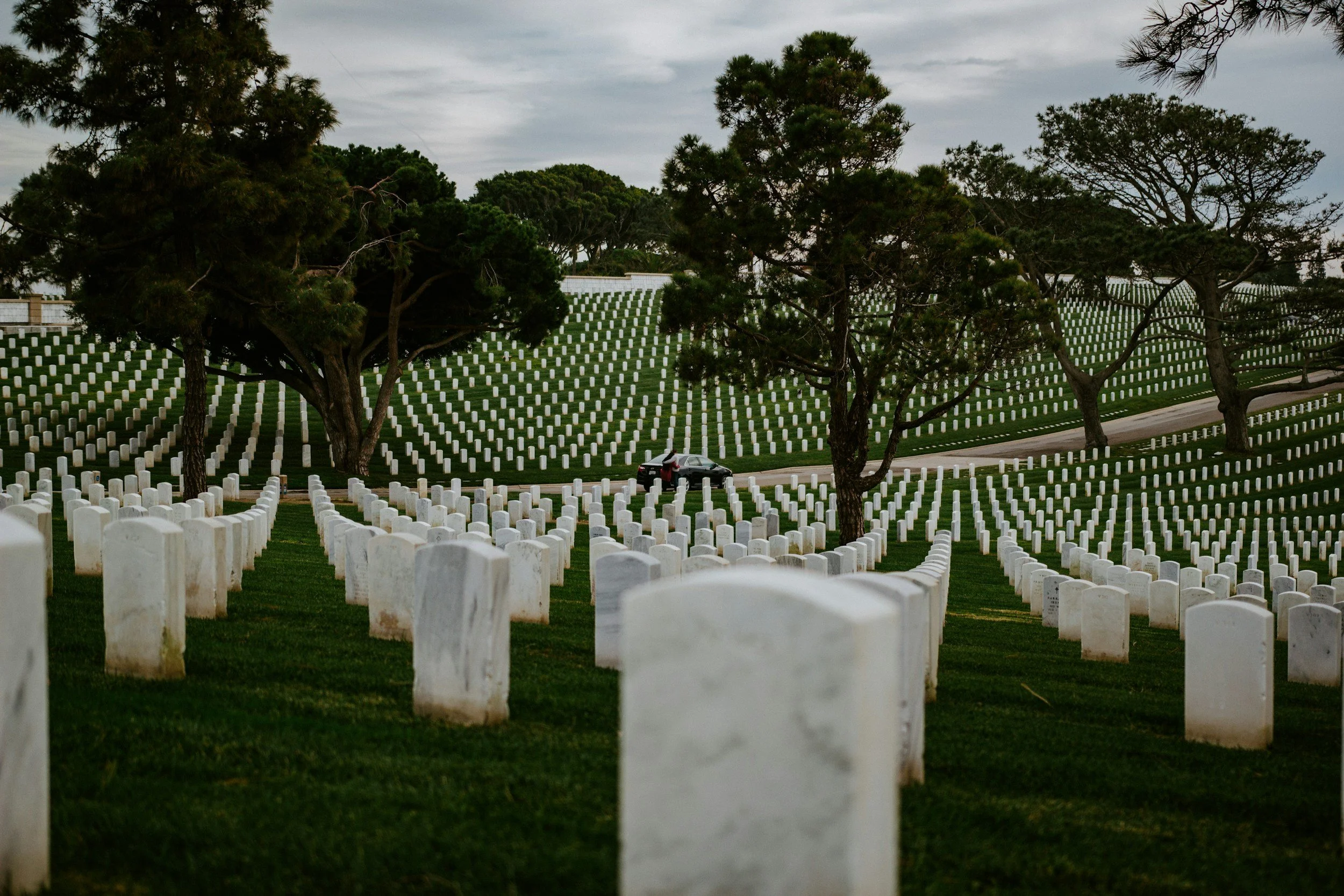
Memorial Day can be especially difficult for veterans.
Some of us grieve people we knew—their particular laugh, the way they moved, the last conversation we keep returning to. Some of us grieve people we never met but feel bound to through service, through the weight of a shared oath and a shared risk. Some grieve the younger versions of ourselves who went to war and never fully returned: the person who existed before certain sounds meant certain things, before sleep became a negotiation. Some grieve quietly because grief does not always know how to make itself understood in civilian language, let alone a foreign one abroad, and so it sits at the table without a name.
For military families, the day may bring its own ache. They know the particular quality of waiting—the way a phone left on the nightstand can fill a room. They know the empty chair at Thanksgiving, the birthday that arrives and is marked in private. They know that service is rarely carried by one person alone. It moves through spouses who hold everything together across long absences, through children who learn early that some things go unsaid, through parents who watch their child leave and spend years learning to breathe normally again. It changes the rhythm of a household in ways that do not always show from the outside.
As a social worker, I also think about the long shadow of war: post-traumatic stress, moral injury, survivor’s guilt, isolation, and the strange loneliness that can come from returning to a world that has kept moving—where the grocery store is still the grocery store, where people still argue about small things, where no one flinches at a car backfiring or fireworks. Veterans often come home to ceremonies and handshakes, but not always to systems equipped to hold the full weight of what they brought back with them.
For veterans abroad, that distance can feel even more complex. We are far from familiar institutions, far from VA centers and other healthcare facilities unless one lives outside of a US Military base, far from the particular cultural shorthand that allows someone to glance at a date on the calendar and understand, without explanation, why you are quieter today. We may be building lives in Milan, Rome, Florence, Naples, Palermo, Bologna, Turin, or small towns tucked between mountains and sea—learning new languages and dialects, navigating new bureaucracies, watching new skylines catch the light—but the old memories still know our address.
That is why community matters.
The Work of the VMF Caucus
The Democrats Abroad Veterans and Military Families (VMF) Caucus exists because Americans abroad deserve connection, advocacy, and a voice in the democratic process. Our community includes veterans, active duty and reserve military members, Department of Defense civilians, military families, and allies living outside the United States.
Our work is rooted in a simple but powerful belief: those who serve, and those who serve alongside them, should not be forgotten once they cross a border.
We honor service. We support veterans and military families abroad. We create space for the issues that affect our community: access to care, transition challenges, mental health, voting rights, family support, and the unique realities of living outside the United States while remaining tied to American civic life.
We also help protect one of the most essential rights we have as citizens: the right to vote.
For Americans abroad, voting can require extra steps. We must request absentee ballots, track deadlines, navigate time zones, and sometimes fight the quiet friction of distance. For active duty service members, military families, and overseas civilians, that right must be protected with vigilance. A democracy that asks people to serve must also ensure their voices are heard.
Civic engagement is not separate from remembrance. It is one way we carry remembrance forward.
When we vote, organize, advocate, and build community, we participate in the unfinished work of making our country more humane, more accountable, and more worthy of the sacrifices made in its name. We do not honor the fallen by romanticizing war. We honor them by caring for the living, defending democratic participation, and refusing to abandon one another.
Beyond Ceremony: Building a Worthy Future

General Patton’s grave in Luxembourg
Memorial Day calls us to look backward with reverence, but it also calls us forward with responsibility.
What does it mean to build a future worthy of the fallen?
It means making sure veterans can access quality physical and mental health care without shame or unnecessary barriers. It means existing in a community that holds toxic leadership accountable on every level if it expects to adequately address the current administration’s corruption.
It means recognizing that PTSD is not weakness, that grief does not follow a neat calendar, and that moral injury requires more than polite phrases.
It means supporting military families who endure moves, separations, uncertainty, and the invisible labor of holding life together while their loved ones serve.
It means protecting voting rights for Americans everywhere, including those of us who live overseas.
It means creating organizations and communities where service is not exploited for symbolism, but respected through action.
It means listening to veterans not only when our stories are convenient, patriotic, or polished—but also when they are difficult, critical, complex, or painful.
It means remembering that democracy is not maintained by nostalgia. It is maintained by participation, courage, and care.
As Americans in Italy, we occupy a unique vantage point. We can see our country from a distance—its beauty, its contradictions, its promises, its unfinished repairs. Distance can sharpen the moral eye. It can also remind us that democracy is fragile everywhere. No nation is immune to forgetting. No society is beyond the need for repair.

Piazza del Duomo, Milan
Memorial Day, then, becomes more than a national observance. It becomes a question.
How do we remember without becoming numb?
How do we grieve without surrendering hope?
How do we honor the dead while protecting the living?
There may be no perfect answer. But there is work we can do together.
An Invitation to Remember Together
To the veterans in Italy and beyond: your service matters, and so does your life after service.
To military families: your sacrifices are seen, even when they have been carried quietly.
To active duty and reserve members abroad: your voice matters, your vote matters, and your well-being matters.
To allies: remembrance is not passive. It is a practice of solidarity.
This Memorial Day, I invite you to pause in whatever way feels meaningful. Visit a cemetery if you are able. Say a name. Light a candle. Walk by the sea. Write a letter. Sit with silence. Reach out to someone who may be carrying the day heavily. Ask not for performance, but for presence.
And when the day passes, let us continue the work.
Let us build a community where veterans and military families abroad are not afterthoughts. Let us protect the right to vote from wherever we live. Let us advocate for systems that care for those who served. Let us remember the fallen not only with flowers, but with courage.
The dead do not ask us for grand speeches.
They ask us, perhaps, to live with greater tenderness. To defend what is humane. To refuse indifference. To make something better out of what remains.
From Milan, from Italy, from wherever this finds you: may this Memorial Day be a solemn act of remembrance, a quiet offering of gratitude, and a renewed promise to build a future worthy of those who never came home.
If you are a veteran, military family member, active duty or reserve service member, DoD civilian, or ally living abroad, we welcome you to connect with the Democrats Abroad Italy Veterans and Military Families community. And finally, if you haven’t already, request your ballot today: https://www.votefromabroad.org/
For more information and to join the mailing list for the DA Italy Veterans and Military Families Caucus, please contact us at veterans-caucus-chair[at]democratsabroad.it and to learn more about the Global VMF Caucus, visit https://www.democratsabroad.org/vmf.