April Snow in Prague
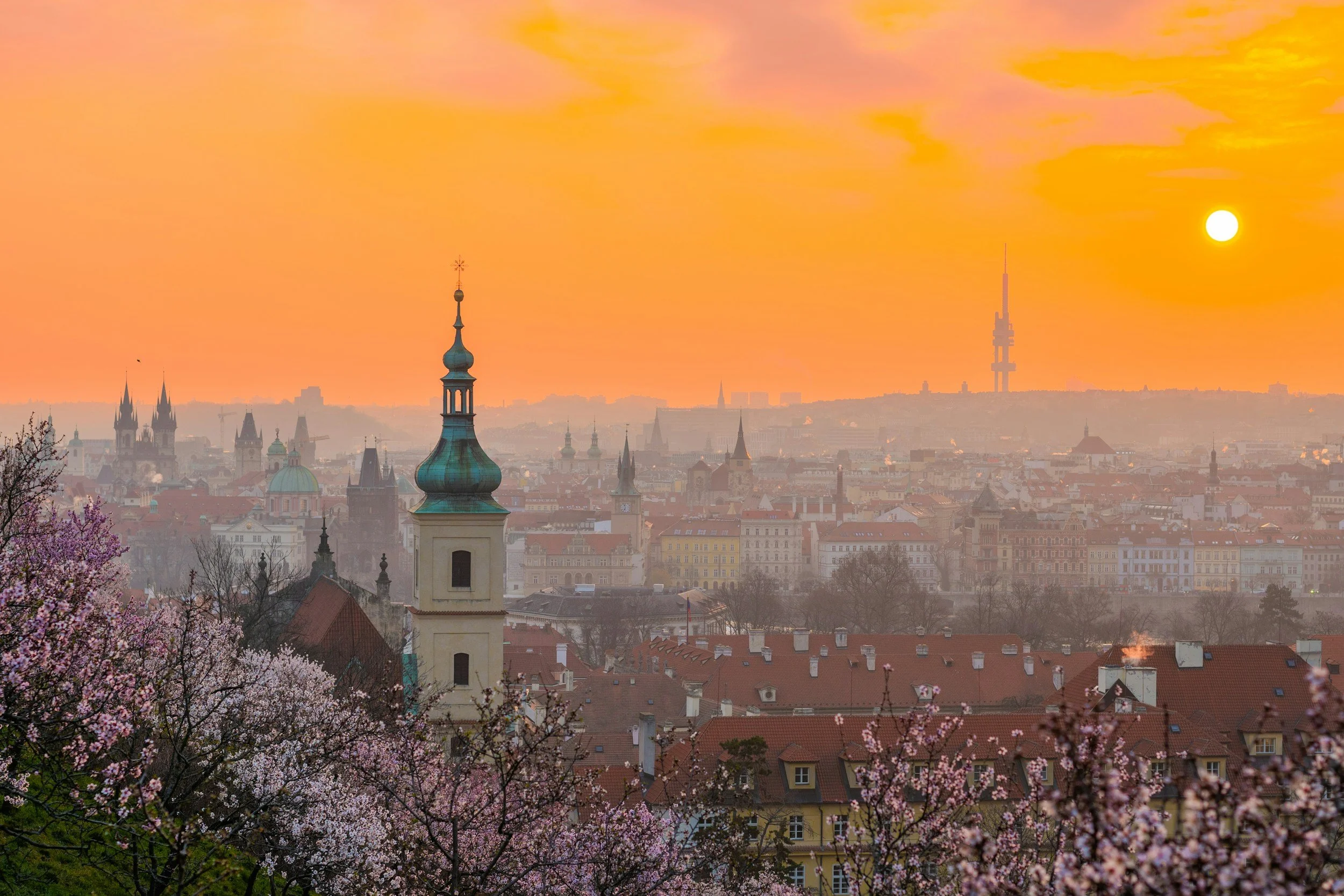
Prague in the springtime from Petřín Hill
As you can probably tell by the rest of my blog, other related writings, and my art, Prague is a goth girl who has me whipped. Being that this was Easter season in Czechia, it also meant getting whipped in the literal sense.
Some cities greet you with open arms and bright lights. Prague, though, does something stranger. It leans in close along the Charles Bridge at dusk, its breath a mix of cold stone and roasting chestnuts, and whispers a secret it has kept for centuries—a secret meant only for those who arrive listening. I came in April, my daughter Iselda by my side, and left with the wet kiss of late snow on my forehead and a dull, persistent ache beneath my ribs. Between our arrival and departure stretched eight days I am still parsing, like a manuscript written in a language I almost understand.
April 3: The Arrival and the Ghost of a Reading
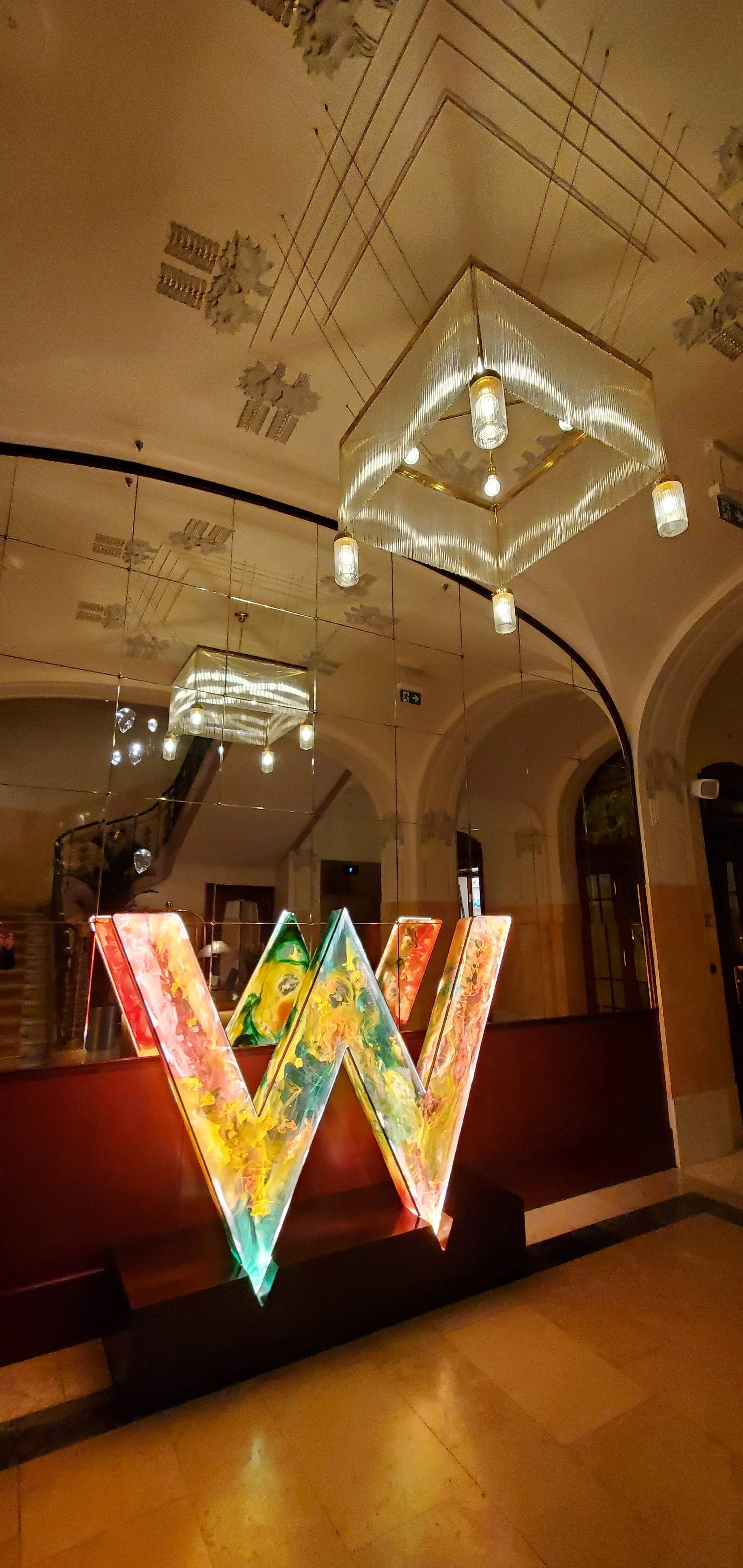
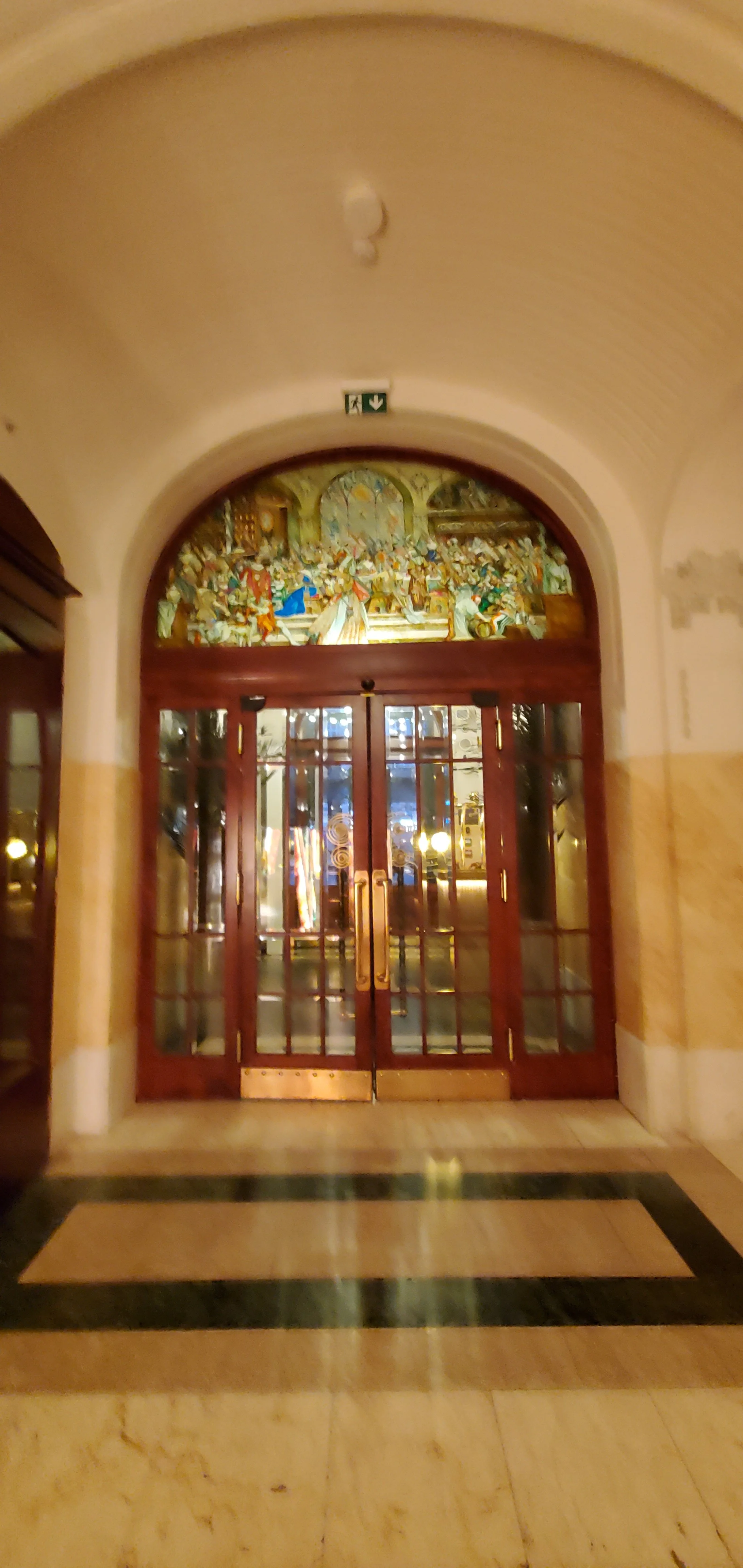
The entrance of the W Prague
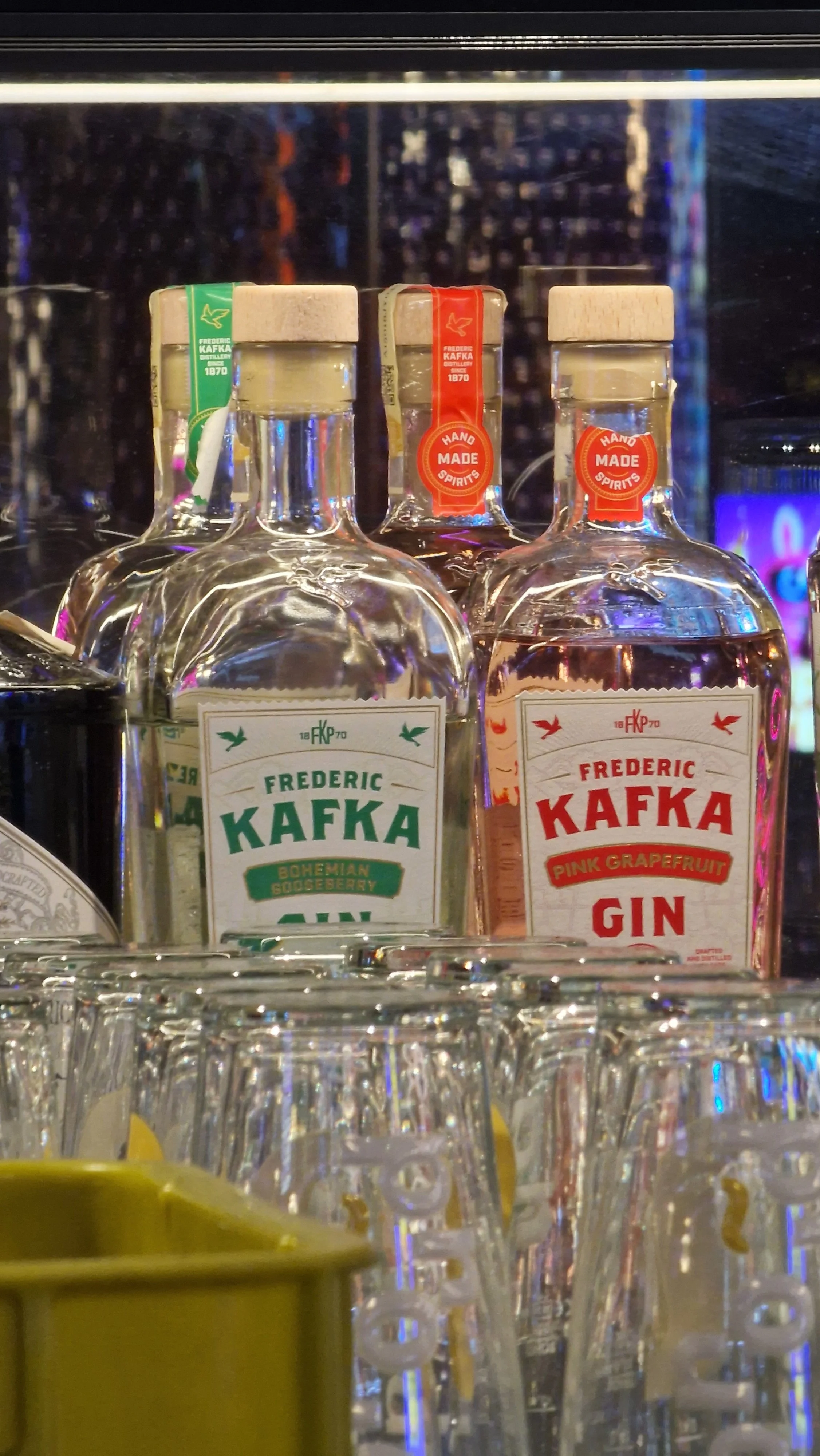
We landed and made our way to our hotel just off Wenceslas Square— Václavské náměstí— in New Town, where the nineteenth century and the twenty-first share walls without apology. The W Prague's lounge that first evening: candles on dark tables, the clink of stemware, Iselda across from me with her chin in her hand. I ordered something local and sat with it and could not quite settle. The building we were sitting in was the former Grand Hotel Evropa.
I kept turning the glass in my hands. Somewhere in these walls, in the winter of 1912, Franz Kafka stood before a small audience and read aloud from his own work The Judgment (Das Urteil)—the only time he ever would. A man who instructed his closest friend to burn everything he had ever written. I thought about what it costs to say a true thing out loud in a room full of people watching your face. It was something I had done many years ago and almost shuddered to think I may do it again, and thought about the particular quality of silence that must have followed.
For someone who has spent the better part of her life following Kafka through his pages, and who is now following him into a manuscript and the frames of Koffee With Kafka, sitting in that lounge felt less like checking into a hotel and more like finally finding the return address on a letter I had been carrying for years.
April 4: Arcades, Markets, and the Dinnertime Kindness
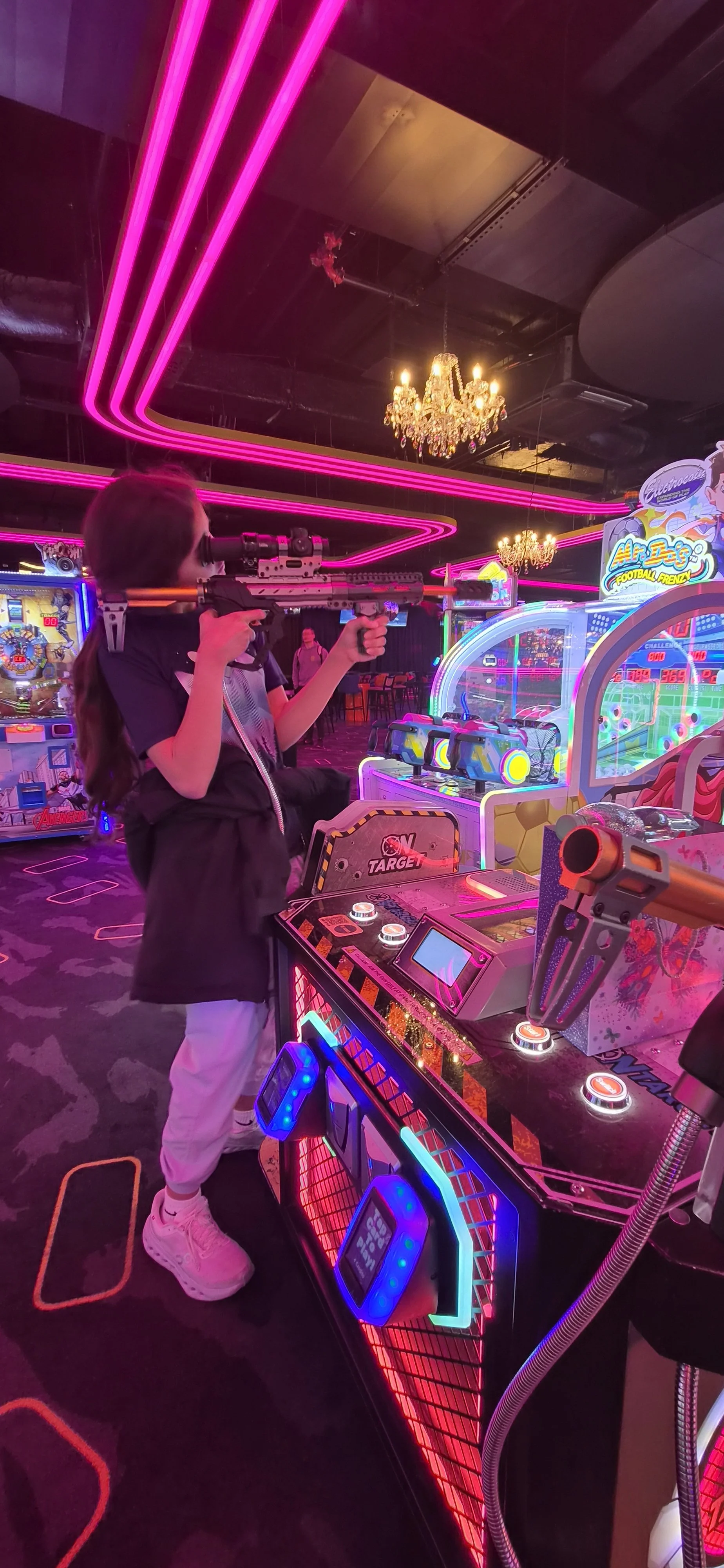
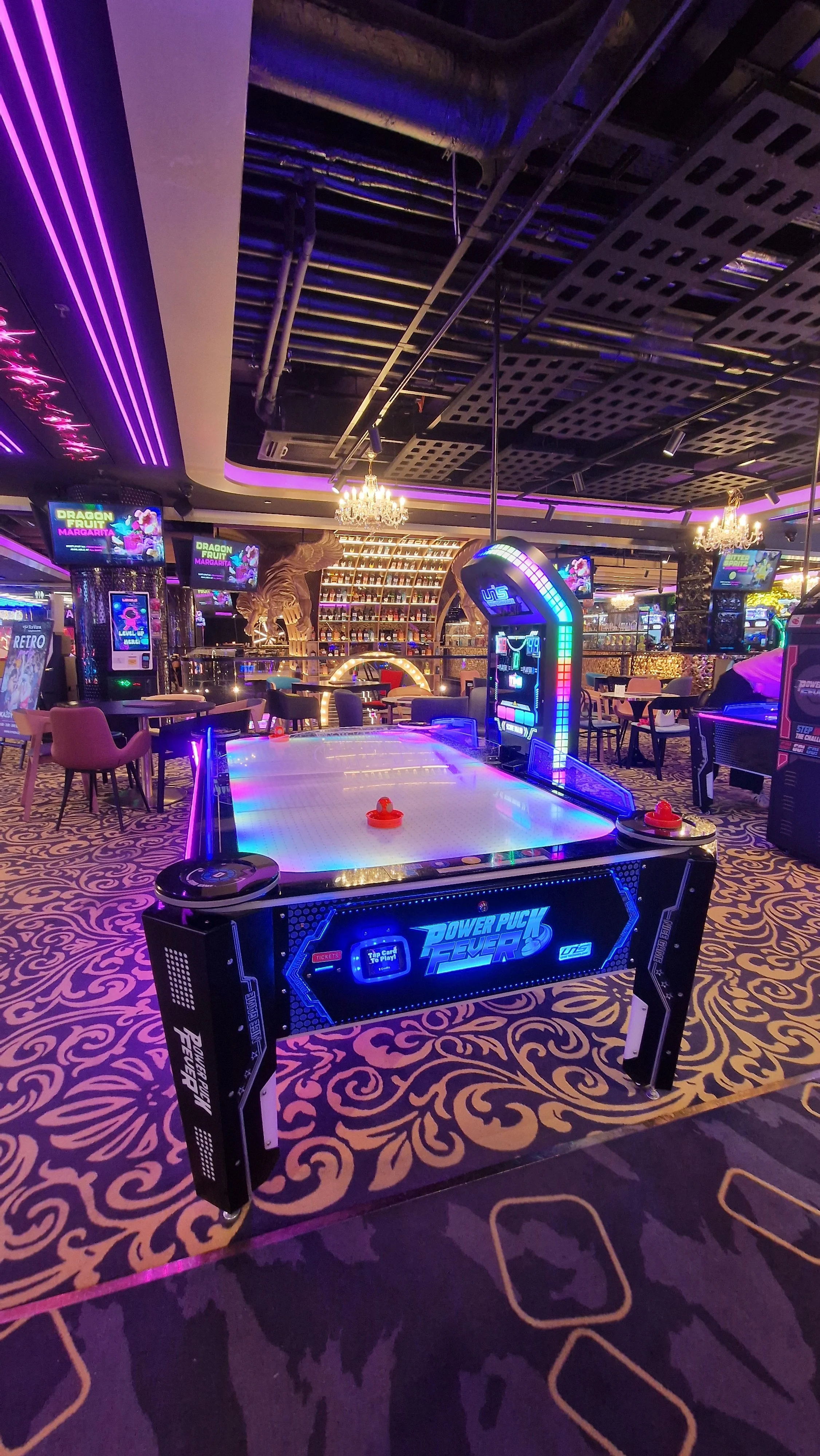
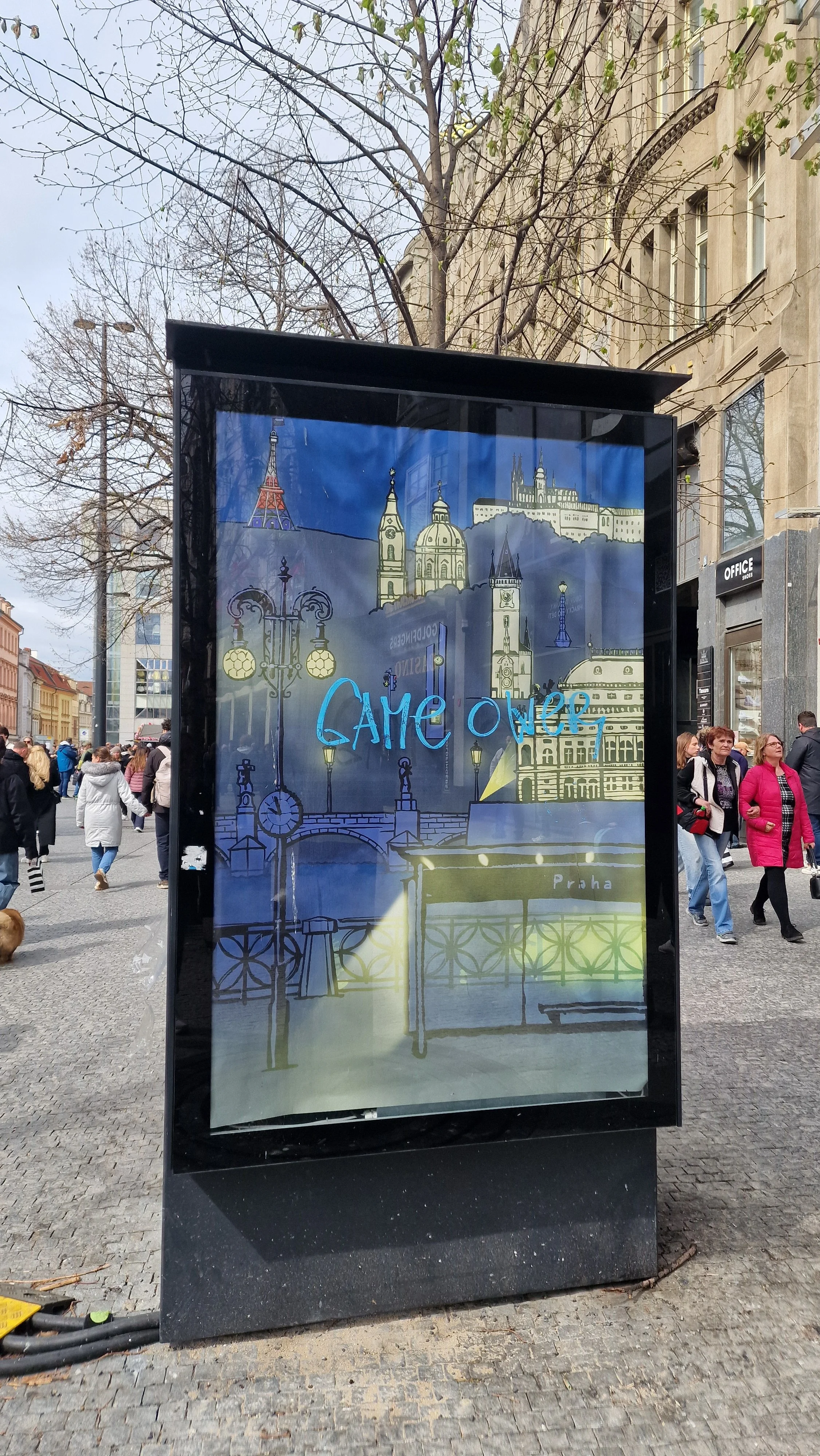
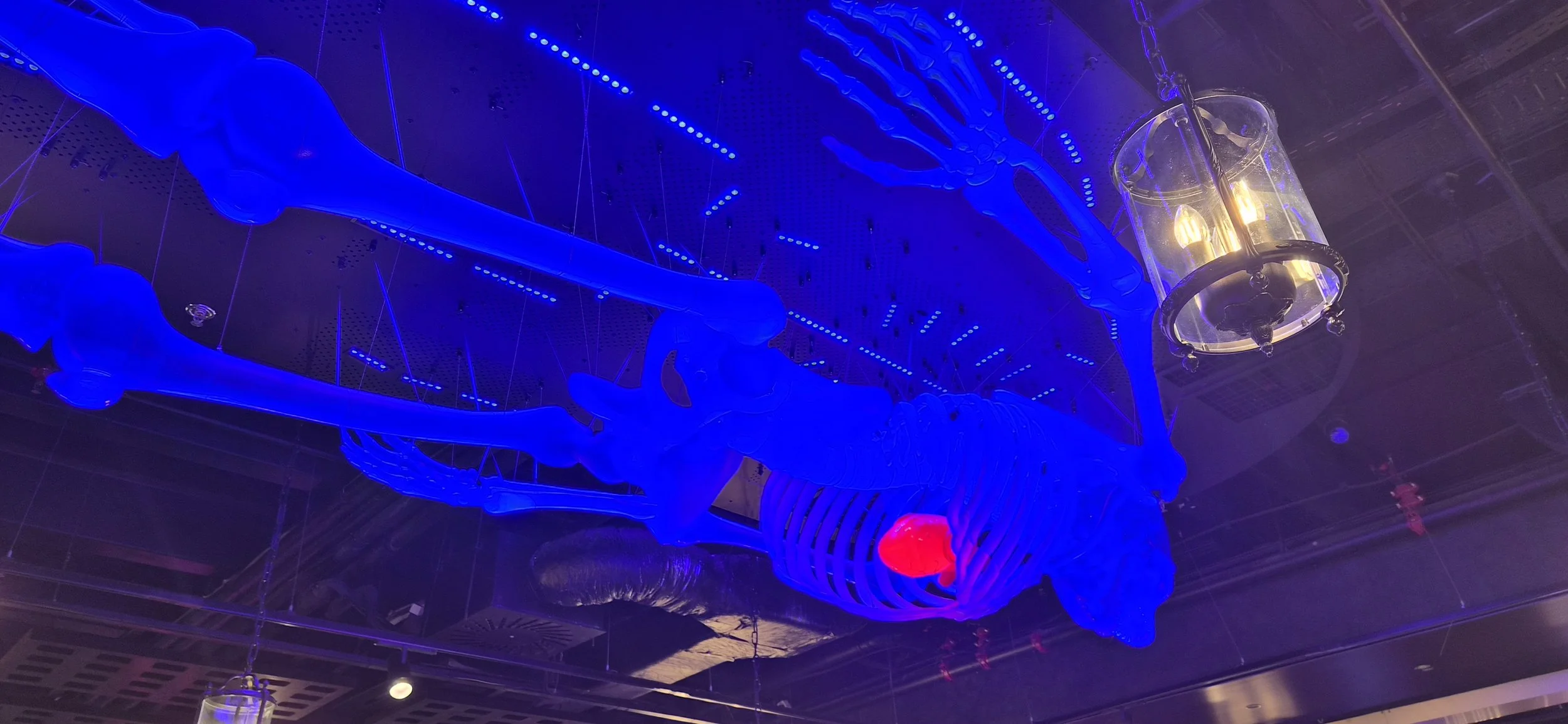
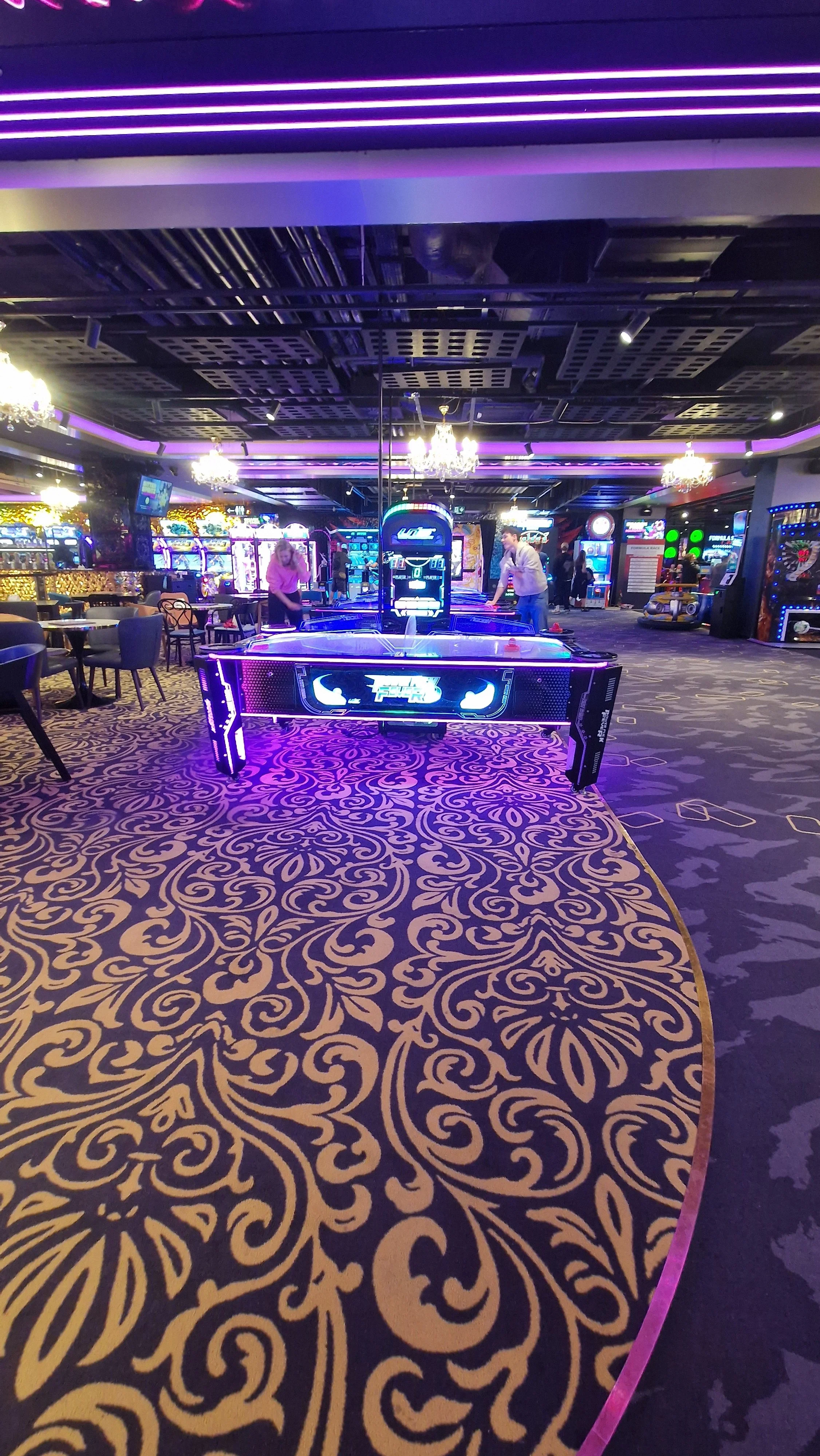
The next day belonged to Iselda. We found the Levels arcade near Café Louvre and stayed longer than we meant to—Iselda bent over a machine with her tongue between her teeth, wholly absorbed, and I stood back and watched her and felt the particular loosening that comes when you remember you are not only here to be haunted. When we finally surfaced, the Easter Markets had taken over the streets in the way they do, stall after stall of hand-painted eggs and braided bread and smoked meats, the smell of mulled wine threading through everything. A woman in a yellow apron was arranging ceramic rabbits on a folding table with the focused care of someone hanging art.
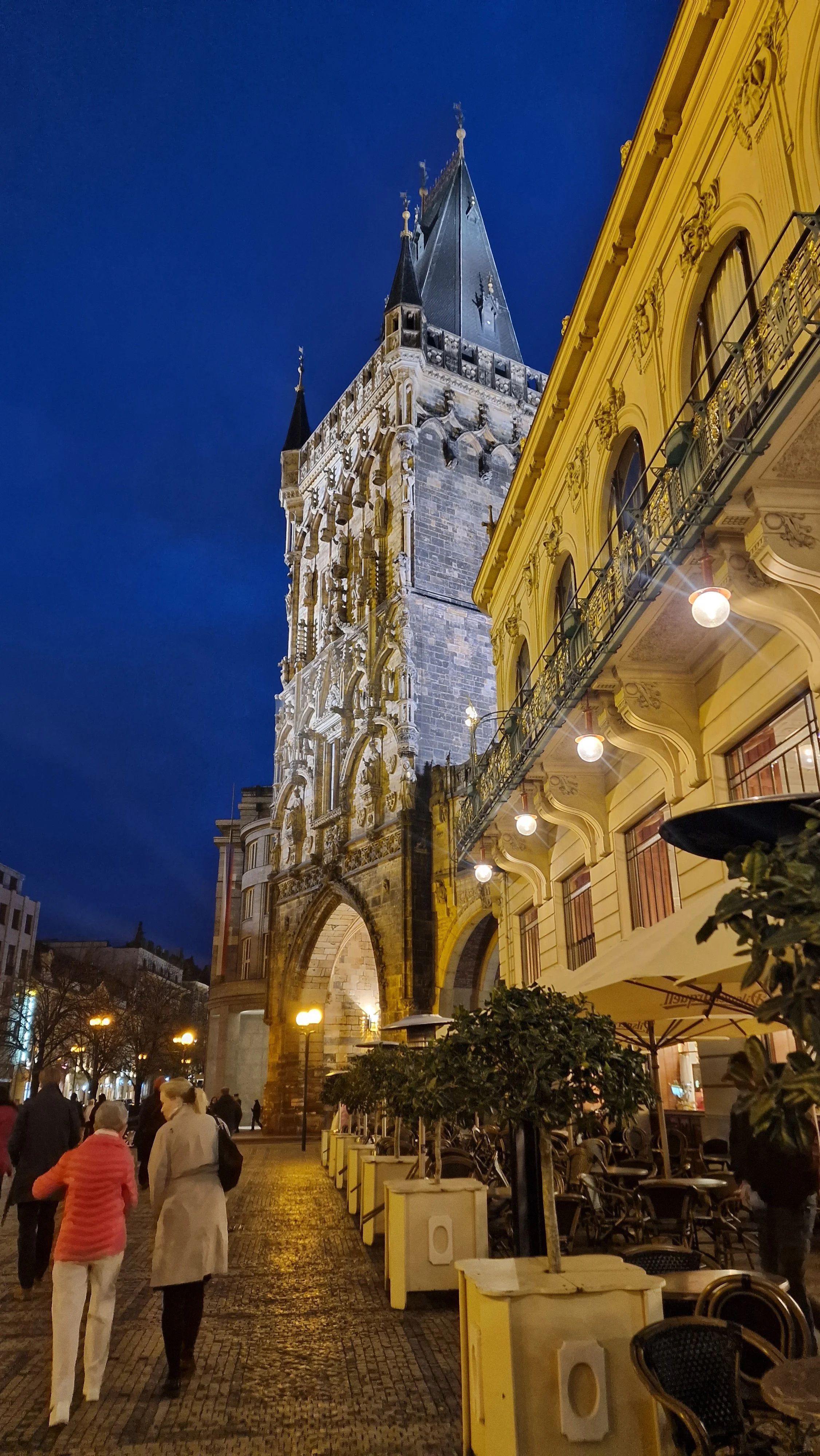
The Gothic spires did what they always do here—appeared without warning between the older buildings, stone and absolute, as though they had simply grown there and the city had arranged itself politely around them. I have never once stopped noticing them.
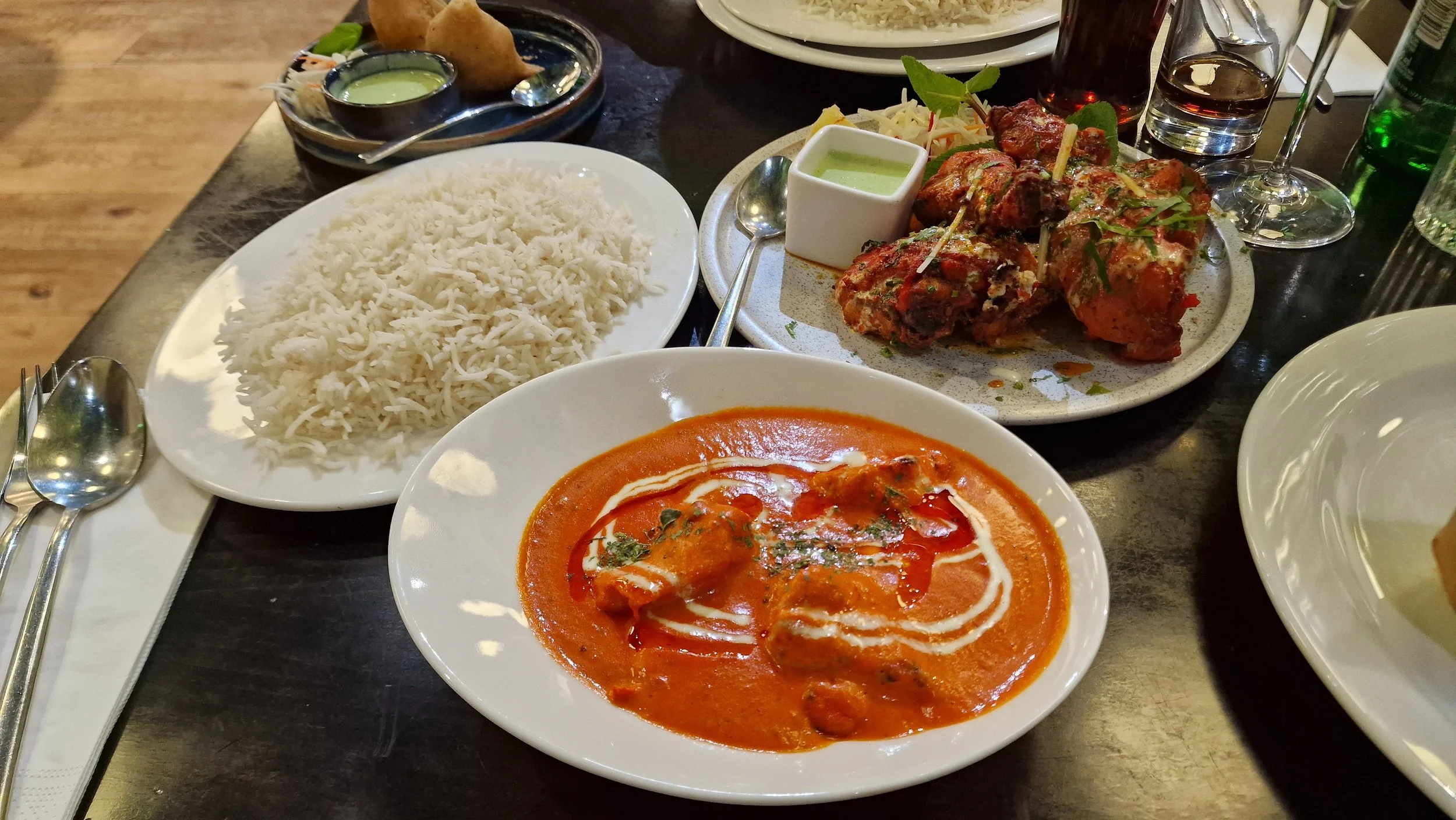
We ended the day at Indian Amaze on the top level of Palladium at Náměstí Republiky. The lamb was slow and dark with spice, the kind of dish that asks nothing of you except to sit down. The naan came warm in a cloth. Below us, six floors of shopping center echoed distantly, and one of the staff brought Iselda a small dish of dessert she hadn't ordered, setting it down without ceremony before moving on.
Kindness here arrived the same way—quietly, without waiting to be thanked.
April 5: Easter Sunday and the City's Fever
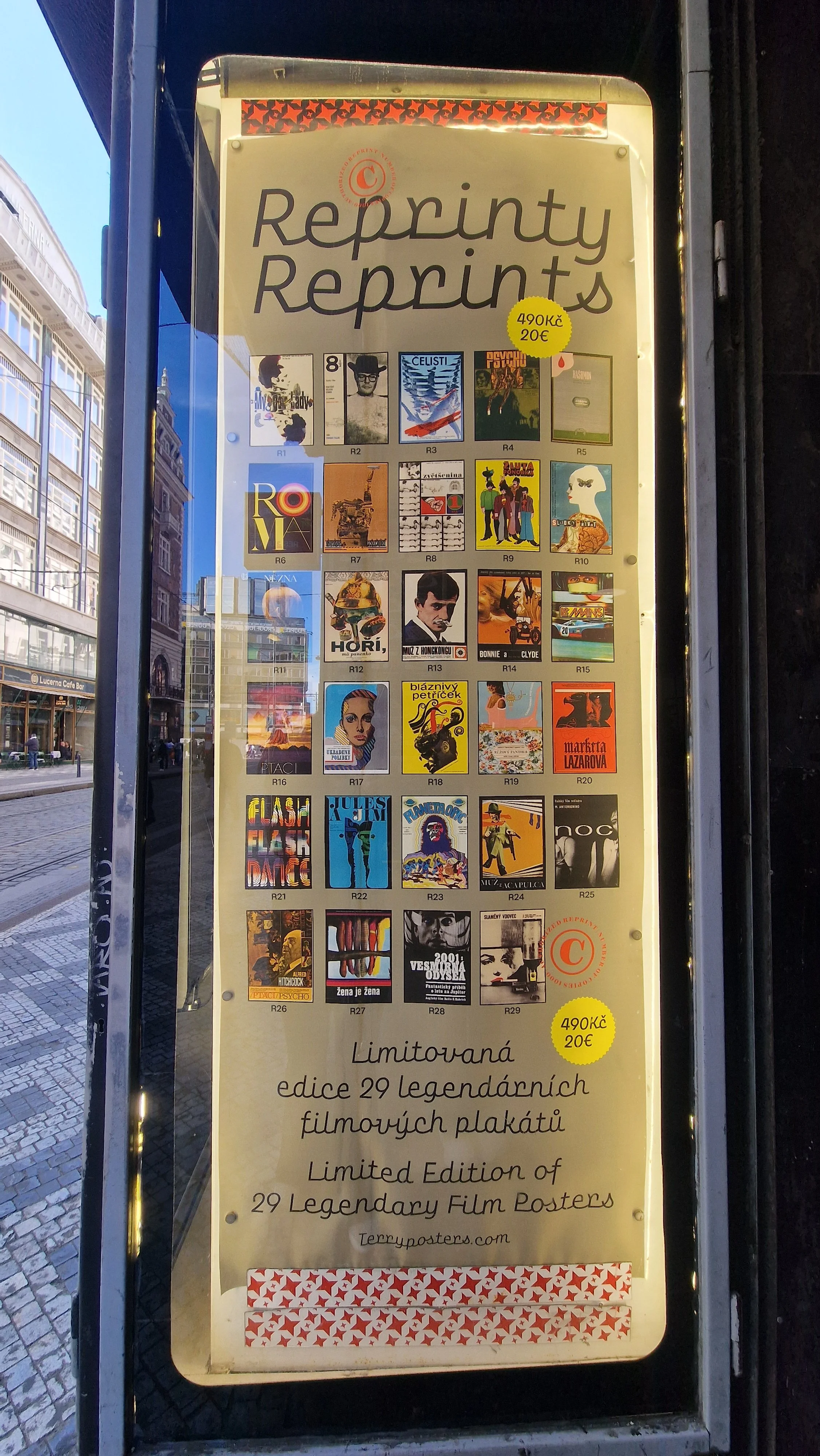
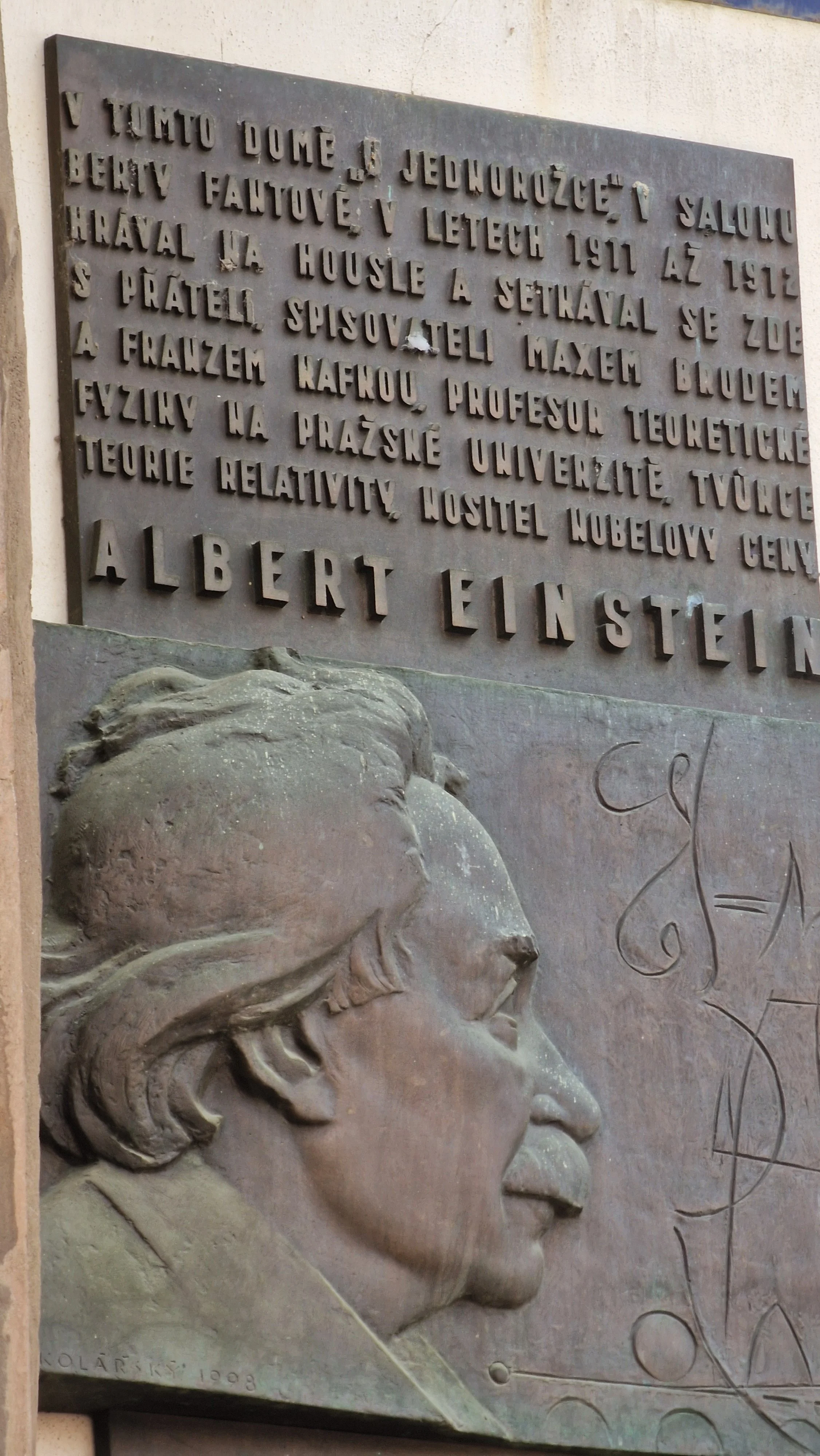
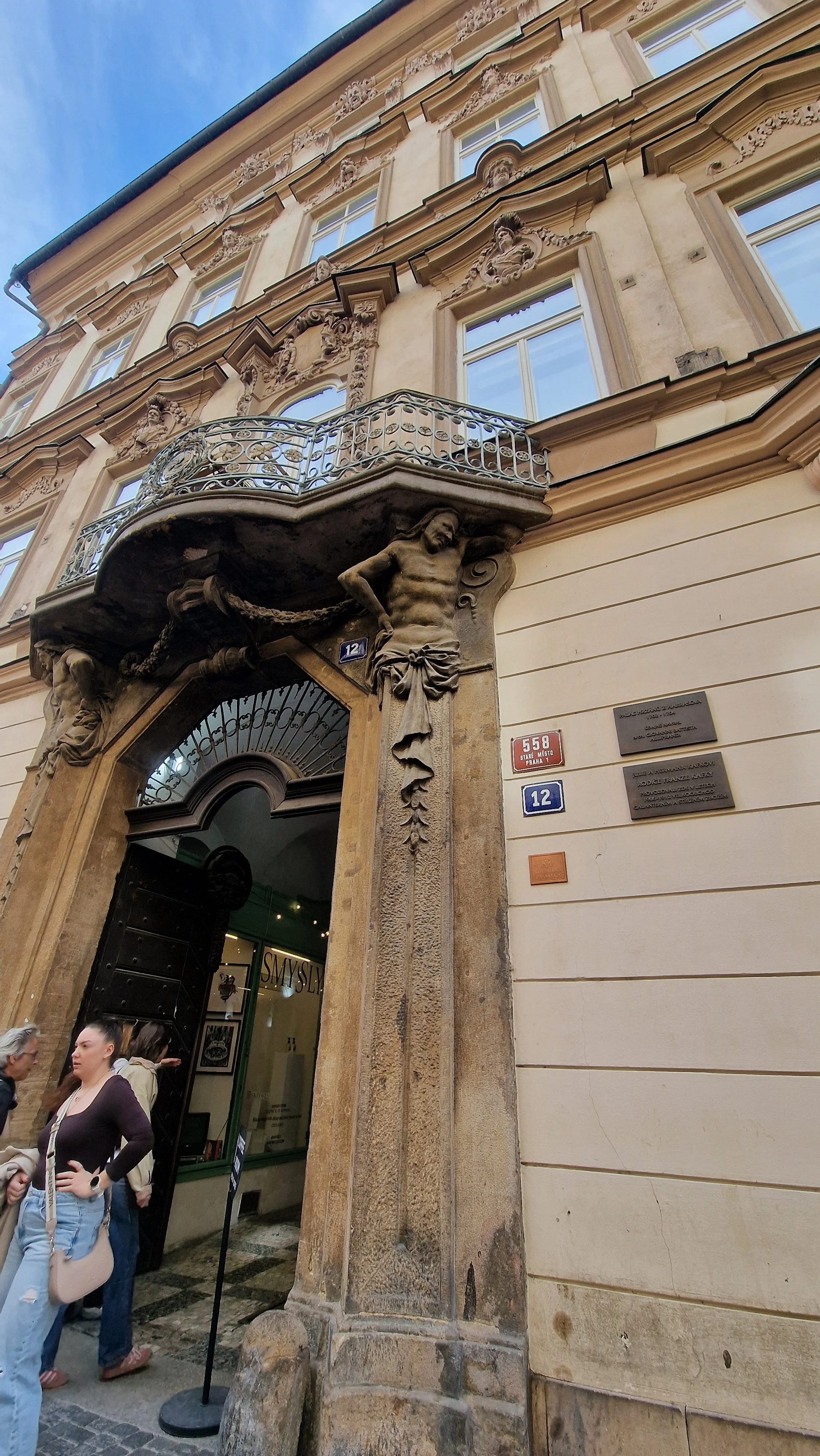
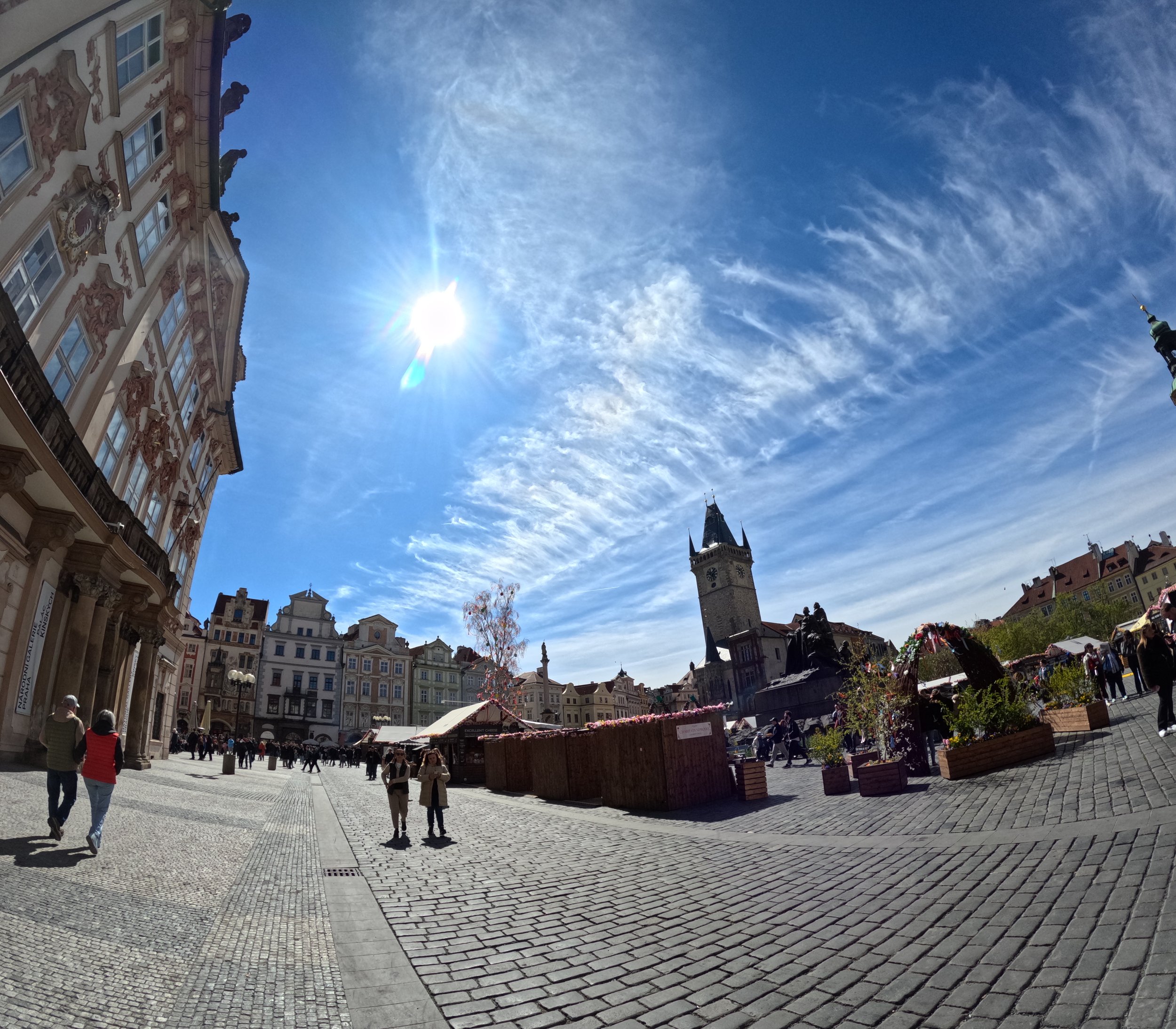
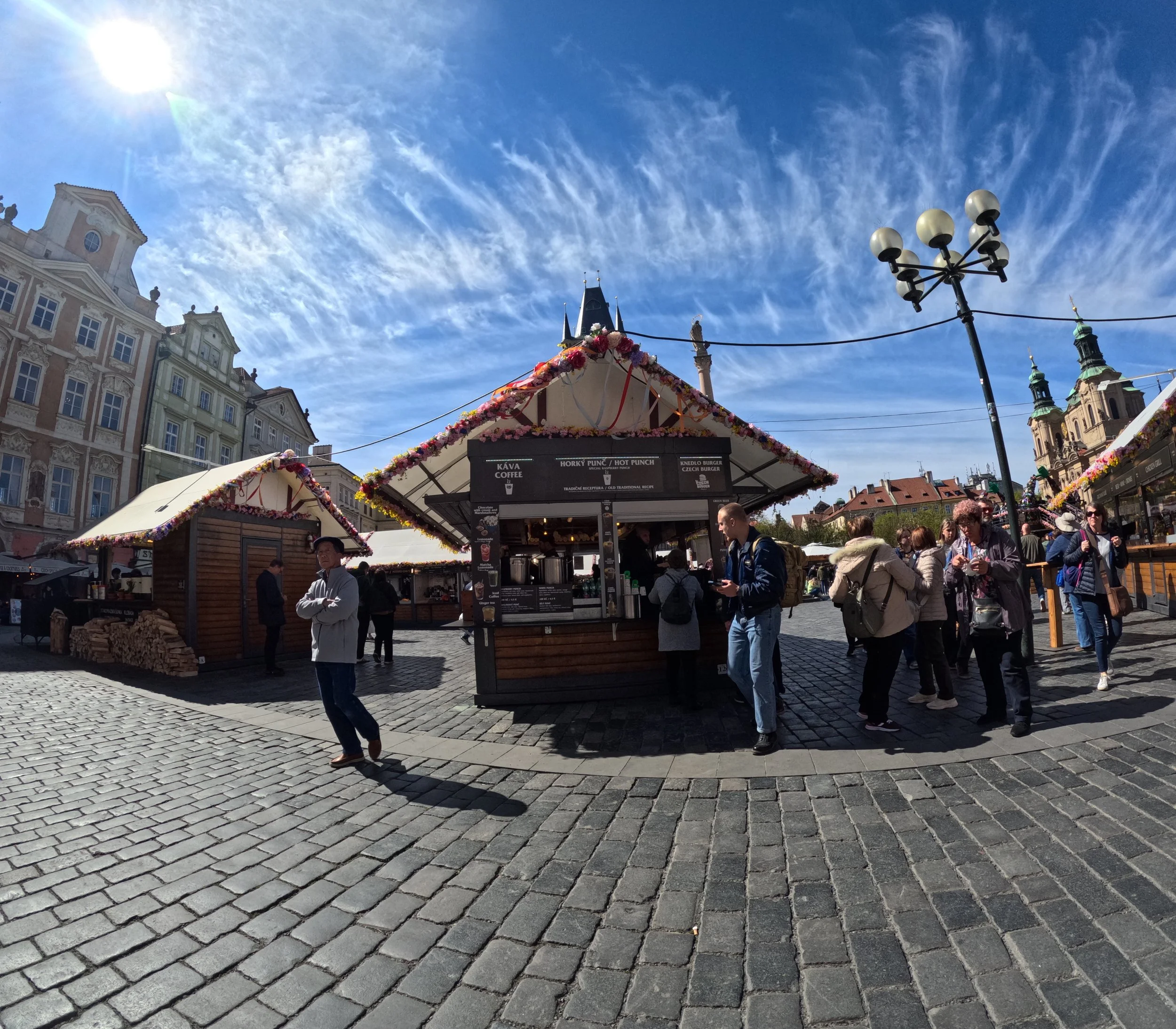
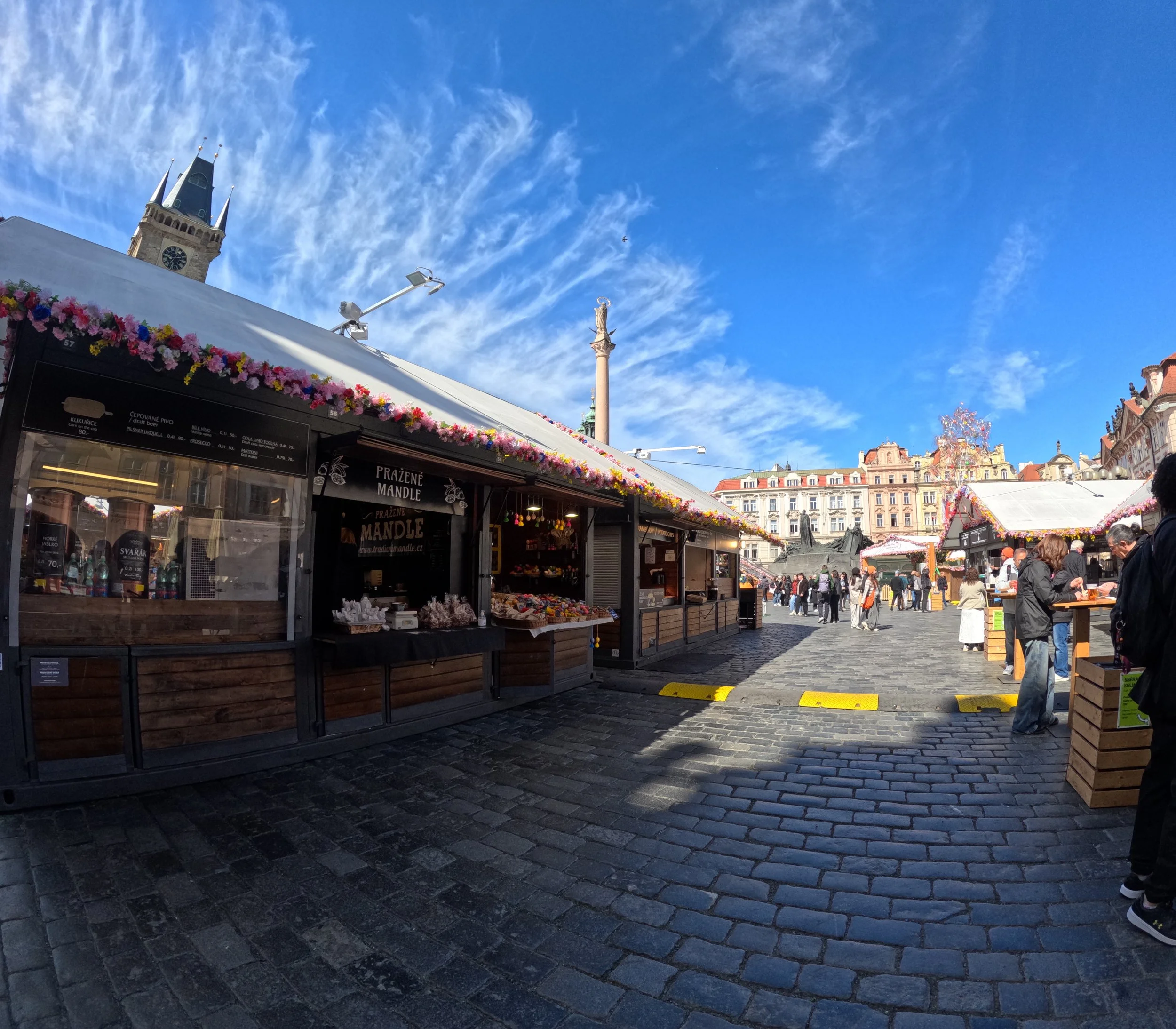
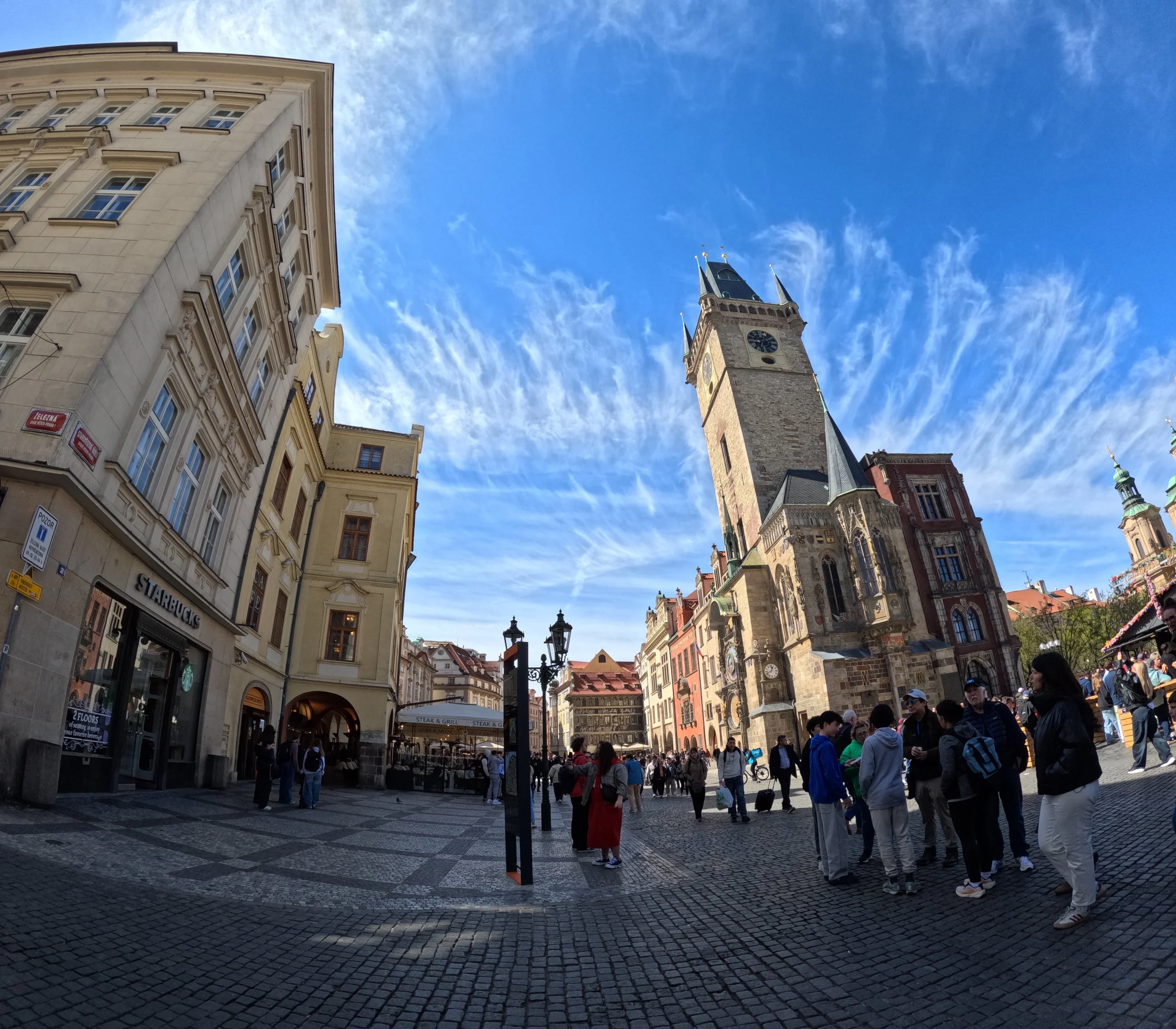
Easter Sunday dawned in Prague like a stage curtain lifting on unexpected warmth. By mid-morning, the city had shed its woolen embrace and basked under a sun so fierce it felt almost liquid, draping heat over cobblestones and façades. We wandered through the bustling outdoor markets, squinting at stalls bright with hand-carved marionettes, dyed Easter eggs patterned in swirling vines, and bunches of willows whispering in the breeze. Air thick with fried cheese and spiced sausage curled around us as celebrants drifted through the squares, their laughter mingling with the distant toll of church bells. I adored Prague’s mercurial mood—one dawn it cradled you in chill, the next it scorched you with its own wild temperament.
After parading through the midday blaze, we retreated to the hotel, where crisp linen and dark hardwood floors offered sanctuary. We surrendered to the allure of a long, oblivious nap, curtains drawn against the glare until the afternoon melted into evening. Only when the sun tilted low and a cool zephyr crept along the Vltava did we emerge again, eager to taste the twilight air and amber lamplight of Wenceslas Square.
Under the soft glow of lanterns, the wooden stalls held treasures: eggs hand-painted with gold leaf and delicate florals; braided bread still warm from the oven; honey-drizzled pastries that shimmered like jewels. We paused at a corner stand where paprika-spiced hot dogs hissed on the grill and the heady aroma of mulled wine, red as ancient ruby, wound its way through the crowd. With a steamy mug cradled in my hands, we nibbled crunchy almonds coated in cinnamon sugar, feet tapping to a band belting out Czech pop that rippled through the night air. For a heartbeat, time slipped its leash; the city’s vibrant pulse became my own, and I remembered the quiet haven just behind me, Dobrá čajovna, and how its memory stirred a chapter in my manuscript.
Tucked down a narrow lane from the square’s clamor, Dobrá čajovna feels like slipping through a hidden door in time. Its modest façade gives way to a secret courtyard, mosaic-tiled and shaded by wisteria, where a serene Buddha statue gazes over a tangle of ivy. Inside, dim lanterns cast honeyed circles of light across Persian rugs and silk cushions piled against low wooden tables. The air dances with wisps of sandalwood and jasmine incense, swirling around curious clay teapots that seem eager to share their distant stories. As a university student twenty years ago, I’d huddled there against the bone-deep chill of Prague winters, scribbling poetry in my notebook while steam curled above cups of smoky Lapsang Souchong or delicate Silver Needle white tea. Friends and I would sink into the bohemian ambiance, voices lowered, letting the world outside fade until the only sound was the gentle clink of porcelain.
Today, Dobrá čajovna remains a living poem. Its shelves lined with rare teas from misty Oolong gardens and highland Assam estates, each sip a bridge to far-off landscapes. The “devoteas” move among guests with unobtrusive guidance, offering wisdom on brew times before gracefully retreating into the soft glow. Though the incense can grow heady and the floor cushions firm after hours, these minor discomforts dissolve in the teahouse’s enveloping calm. Here, past and present entwine as surely as leaves in a tea steeper, and one lingers not merely to drink but to become part of the story itself.
Surrounded by spring’s jubilation and a cool evening breeze, I found myself drifting back to those student days and forward to my 40-something self, exploring these same streets with a novel in hand and a world of memories steeping in my mind.
April 6: Zdenek, and a Sorrow I Am Still Carrying
Then Zdeněk appeared as if swept in on a breeze, a familiar silhouette against the cobblestones, his gait sure, his eyes bright with mischief. He carried the traditional Czech pomlázka, a supple braid of pale willow branches that gleamed like an elaborate magic wand in the afternoon light. He flicked its slender tips at Iselda and I—first on our sleeves, then, in a burst of laughter, against our ankles—each gentle tap echoing the promise of renewal in this old folk custom. From any stranger such a gesture might feel invasive, but from Zdeněk it was pure affection spun into ritual.
At a nearby café his face shifted. The laughter in his eyes clouded over; the fine lines at his temples deepened. He spoke quietly, voice hushed as if fearing to wake something sleeping. He lamented over far-right movements gathering force like a slow, gray tide rolling in from every shore threatening to swallow the hard-won freedoms of a continent that once learned its lessons in blood. He described Prague’s streets growing foreign to its own people: gleaming façades of chain stores where cafés once spilled their warmth, tour groups clogging narrow lanes while the Czech tongue retreats behind souvenir stands. The city, he said, feels more like a stage set each season, a victim of its own success, its spark diluted into something neat, digestible, and sanitized.
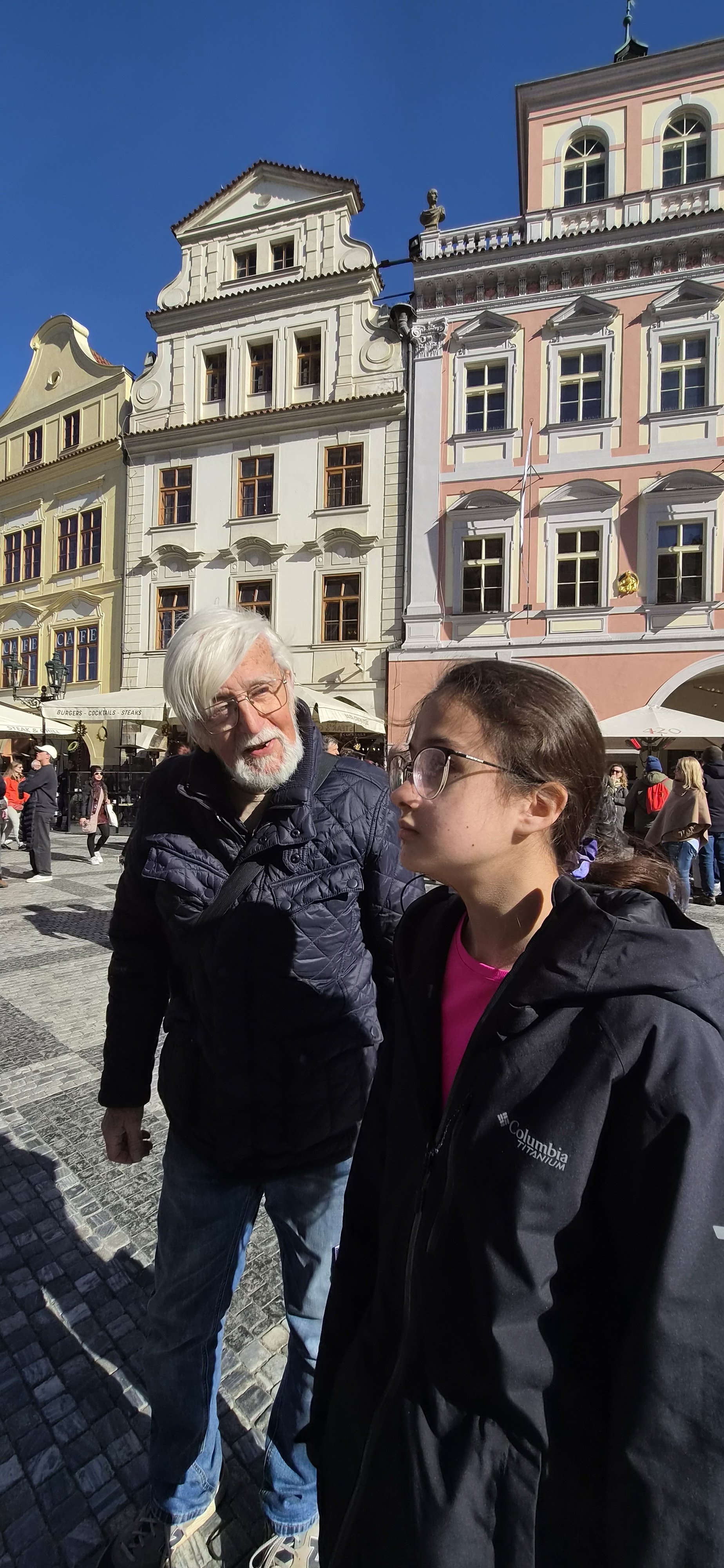
Zdenku and my “Z”
His voice cracked, and for a moment I thought tears would spill. Here was a man who’d watched history’s darkest hour unfold as a boy, now trembling at its ghostly return. He mourned the vanishing hum of everyday life. Shopkeepers greeting neighbors in familiar dialect, the off-key singing at backyard barbecues, the smudge of coal smoke that lent Prague its dusk-time glow. His grief was too vast for words; it demanded only a witness. I sat beside him, sharing the silence, holding space for the sorrow he could not contain.
That evening, Iselda and I slipped into Mincovna in Old Town Square, the air thick with the scent of roasting caraway and simmering stock. The interior was all vaulted ceilings and glowing soft light, each table dressed in crisp linens against floors polished by centuries of footsteps. Our dishes arrived like declarations of devotion: tender duck confit nestled against ruby-red beet purée, golden potato knedlíky steaming under a blanket of creamy onion gravy. Petr, our waiter from Moravia, moved among us with the easy grace of someone born to hospitality. His gentle smile and soft-spoken guidance turning each course into an unfolding story. At the next table, a family barked curt orders and dismissed every suggestion; yet the staff responded not with irritation but with calm efficiency, their politeness a quiet act of resistance against rudeness.
Travelers, I reminded myself as we left under the glow of gas lamps, kindness costs nothing but is worth everything. Wherever your journey carries you, remember those who feed you, guide you, serve you: offer them patience and warmth. In return you take home more than memories. You carry a spark of human dignity.
April 7: Sunrise on Charles Bridge and Letters to Kafka in Café Louvre
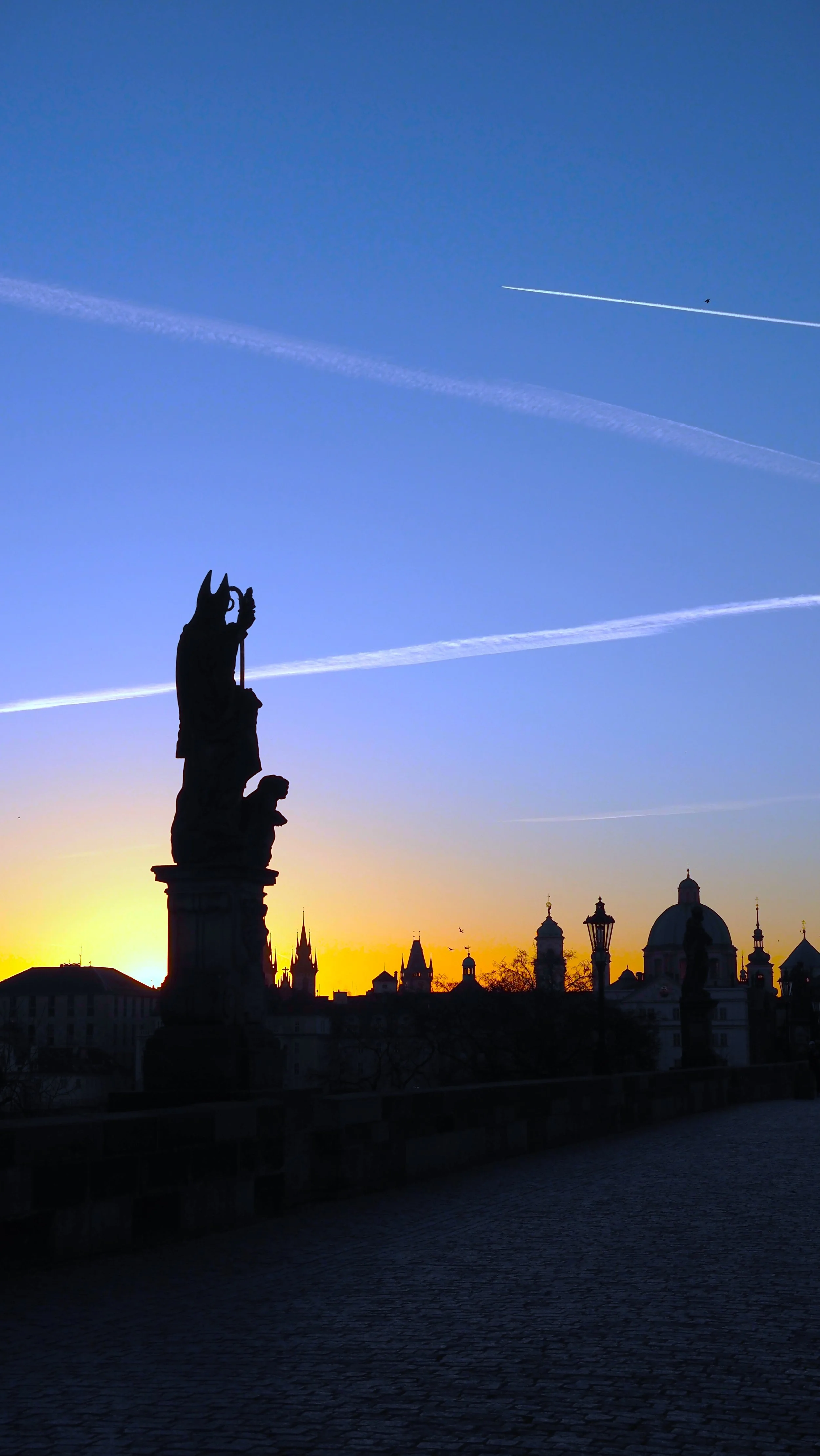
Good morning, Praha
At 5:30 in the morning, the lamplight still pooled like liquid gold on the wet cobblestones of Charles Bridge. Prague slept, its breath a faint mist over the Vltava. Iselda and I found Miro Maršík already waiting, his tripod a dark silhouette against the stone saints lining the bridge. The sky was a wash of deep indigo just beginning to soften at the edges, bruised with the first hint of rose-pink. Then the sun crested the rooftops, and the bridge ignited—gilded statues caught fire, the river shimmered, and for one suspended moment, I understood completely why lovers flock here at dawn.
We moved quietly, gathering footage for Koffee With Kafka. Miro worked with an intuitive grace, positioning us where the light would soon fall in long amber shafts. He pointed to the way shadows carved the archways, showed me how to adjust my aperture to capture the texture of ancient stone against tender sky. More than that, he patiently guided my hands on my own camera until the dials and settings felt less like a foreign language and more like an extension of sight. By the time we drifted into Old Town Square, then on to Wenceslas Square, the morning still belonged only to us—the three of us and the soft echo of our footsteps on empty streets. Some mornings arrive like unexpected gifts; this one felt like a secret handed to us in the half-light.
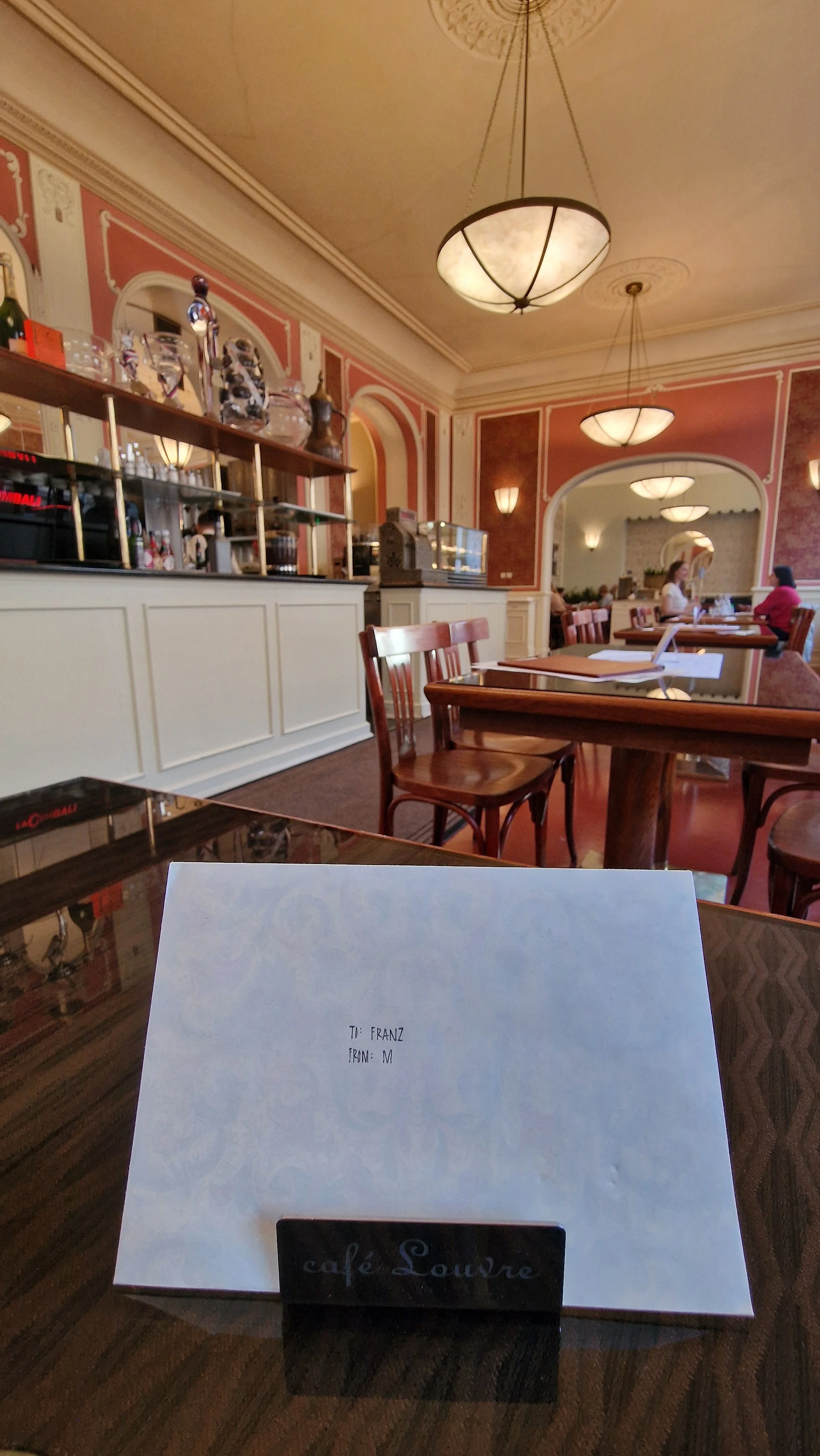
Letter to Franz
Later, we wandered into Café Louvre, the star location of my novel. The air inside was rich with the scent of freshly ground coffee and polished wood. I found a quiet corner table where sunlight fell in a warm block across its surface. Beneath a copy of PROČ NE?!—its glossy pages filled with images of Czech luxury—I slipped an envelope addressed to Kafka. The paper felt crisp between my fingers. It felt like placing a secret into trusted hands, a gesture both intimate and anonymous. That evening, I crafted an Instagram post with a series of exact shots from inside the café: the various angles of the room, the pattern of light through the windows spilling onto the dessert stand, the particular grain of the table where I’d sat.
The caption was a whisper, a promise: whoever found the letter would also receive a limited-edition print from my “Koffee With Kafka” collection. I imagined someone tracing those visual clues and walking through the same doors, breathing the same air, and it felt like watching a story unfold in real time. A letter of love and literature hidden in plain sight, waiting to be found.
The letter, in the end, was not a mere love letter to literary ghosts. It was a dare. Say the weird thing. Write the feeling. Tell people why they matter while they can still hear it, before the moment closes like a door you never saw swinging shut. I am tired of watching people orbit each other in silence, each one waiting for the other to speak, both of them carrying that silence to the grave. This was my refusal—small, stubborn, dressed up as play, but a refusal all the same.
I have stood at enough bedsides and airport gates and ordinary Tuesday doorways that turned out to be the last one to know what it costs to leave the true thing unsaid. It calcifies. It becomes part of your skeleton. Someone you love does not know you love them. Someone who changed you has no idea. That is not a small problem. That is the problem. The unsaid thing is its own quiet violence, slow and entirely optional.
So, I hid a letter in a café in Prague, because sometimes the only way to say something true is to make it into a game first. That is the trick. Call it play, call it art, call it eccentric—but say it. Say it now, while there is still someone on the other end to receive it. Write it down. Leave it somewhere and run if you have to. Just let it leave your body before it becomes something you carry forever.
April 8: A Closed Gate, a Bowl of Fire, and the Alchemy of Prague
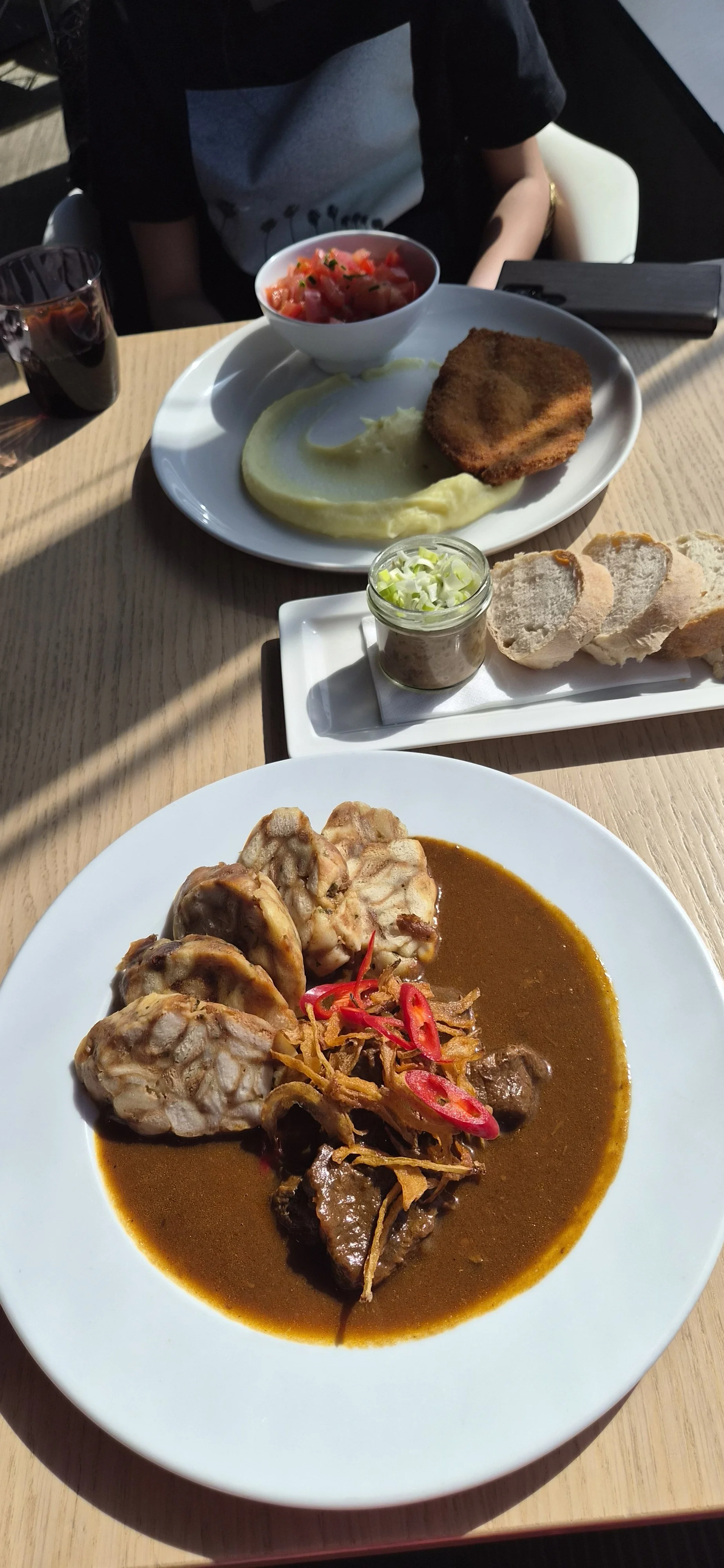
The pikantní hovězí guláš of my dreams
I had planned to pay my respects at Kafka’s grave, but found the old gates of the New Jewish Cemetery padlocked in celebration of a holiday. A small knot of disappointment lodged itself in my chest. My only other chance lay in the pale dawn before our flight home. Meaning I would have to slip back alone the moment the sun rose and the gates swung open.
For now, though, we let Prague soothe us. We wandered east into Žižkov, where we sank into the worn wooden chairs of Bistro 66. The air inside was warm and redolent of paprika and caramelized onions. When the server set down a bowl of pikantní hovězí guláš before me, steam curled upward like a benediction. The deep-red broth shimmered with fat and promise, flecks of chili floating among tender morsels of beef. Each spoonful felt like a slow burn of fire and comfort—a culinary embrace that chased away my lingering gloom.
On our stroll back, Iselda burst into laughter as we passed the façade of FatFuck Smash Burgers. The absurd name practically jumped off the signboard, and her laughter rang clear and unguarded, drawing curious glances from a passing couple. “Only here,” she gasped between giggles, doubling over and clutching her sides. I couldn’t help but join in, my own laughter echoing down the cobblestone street, marveling at the Czech gift for brazen whimsy.
With an hour to spare, we slipped into Speculum Alchemiae, a surreal alchemy museum tucked in the shadow of Prague’s Gothic spires on Haštalská 1. A battered brass plaque at the foot of a narrow stairwell promised secrets beneath the city. We pushed aside a dusty bookcase that swung open to reveal a stone staircase spiraling into darkness. Light flickered on ancient brick walls, casting wavering shadows that danced like phantoms.
Below, the air was cool and tinged with the faint metallic scent of old experiments. Rows of bulbous glass flasks, discolored by age, stood on wooden benches scarred by centuries of use. Manuscripts bound in cracked leather lay open on stone pedestals, their pages splayed with alchemical diagrams and cryptic Latin. I could almost hear the whispered incantations of 16th-century adepts as droplets of mysterious elixirs dripped into crucibles, ripe with the promise of transmuting base metals into gold or unraveling the secrets of eternal life.
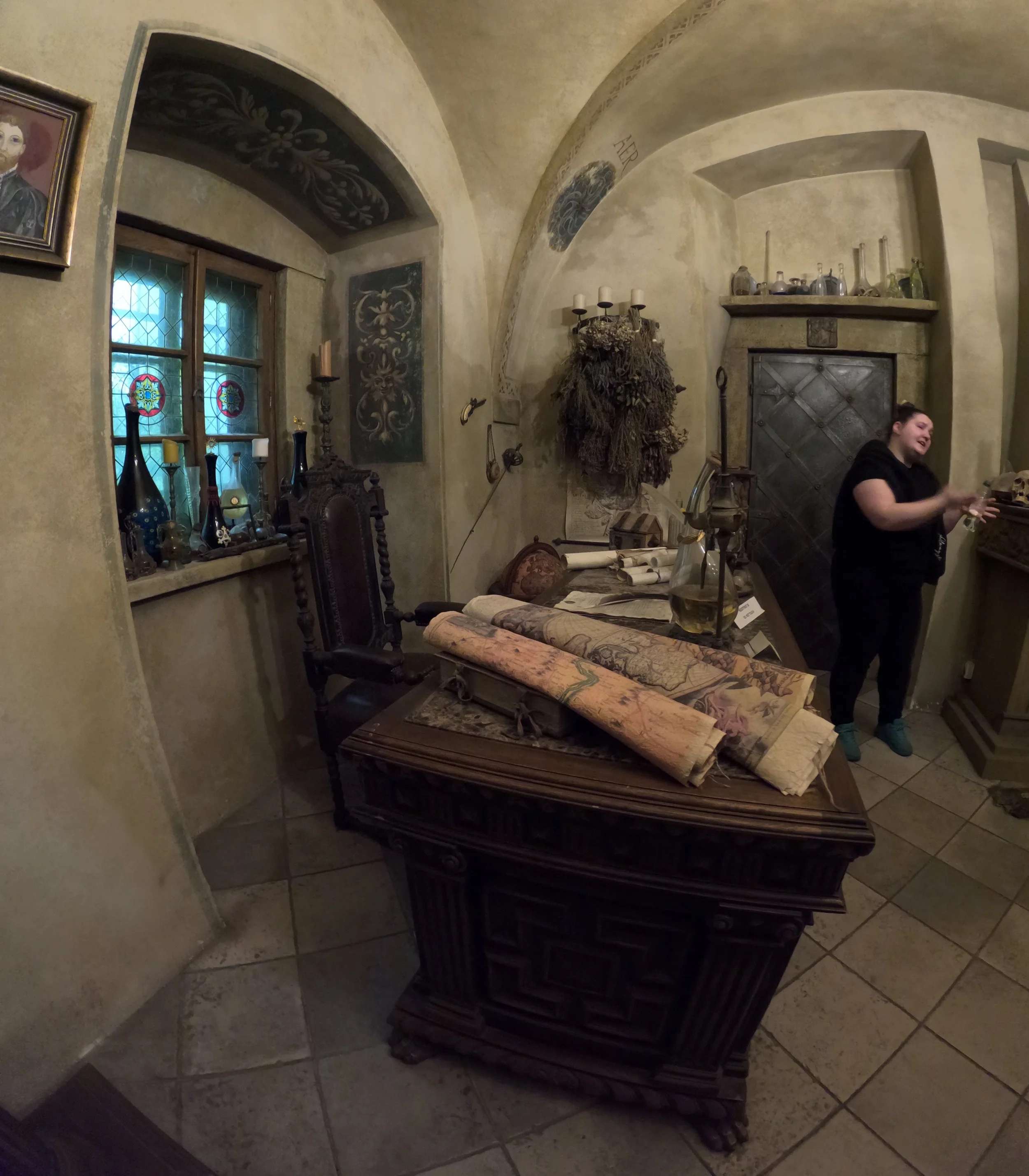
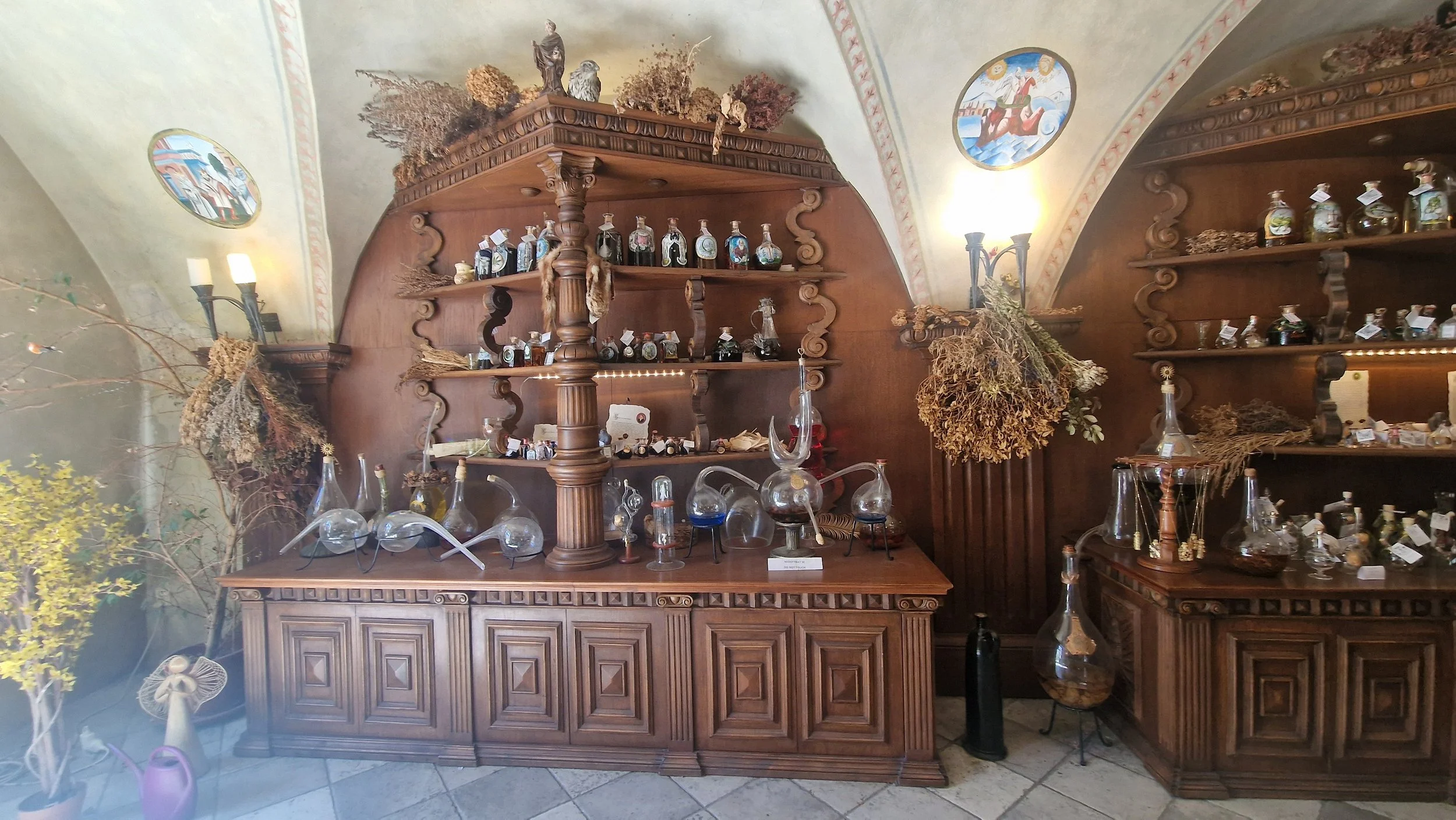
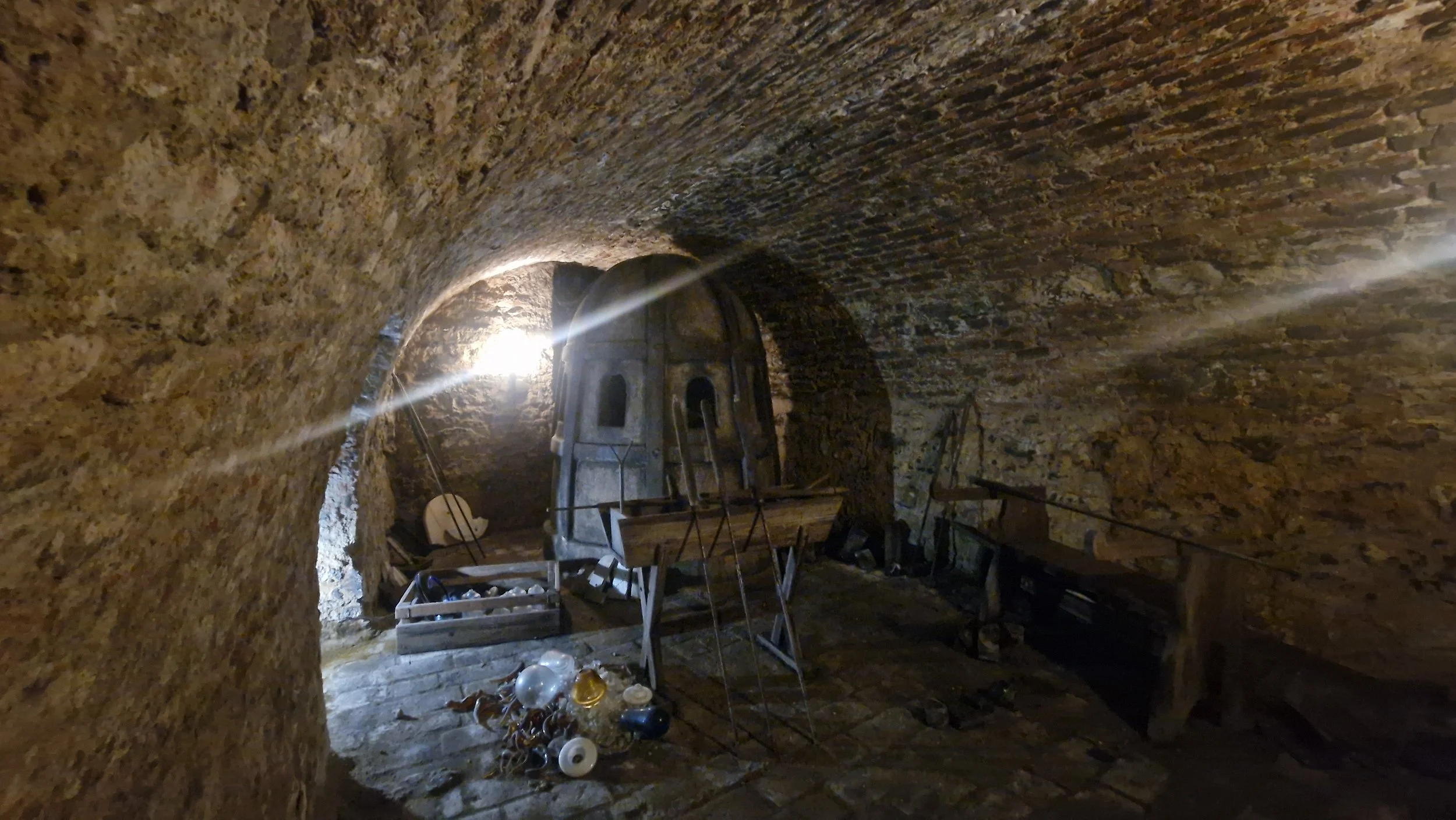
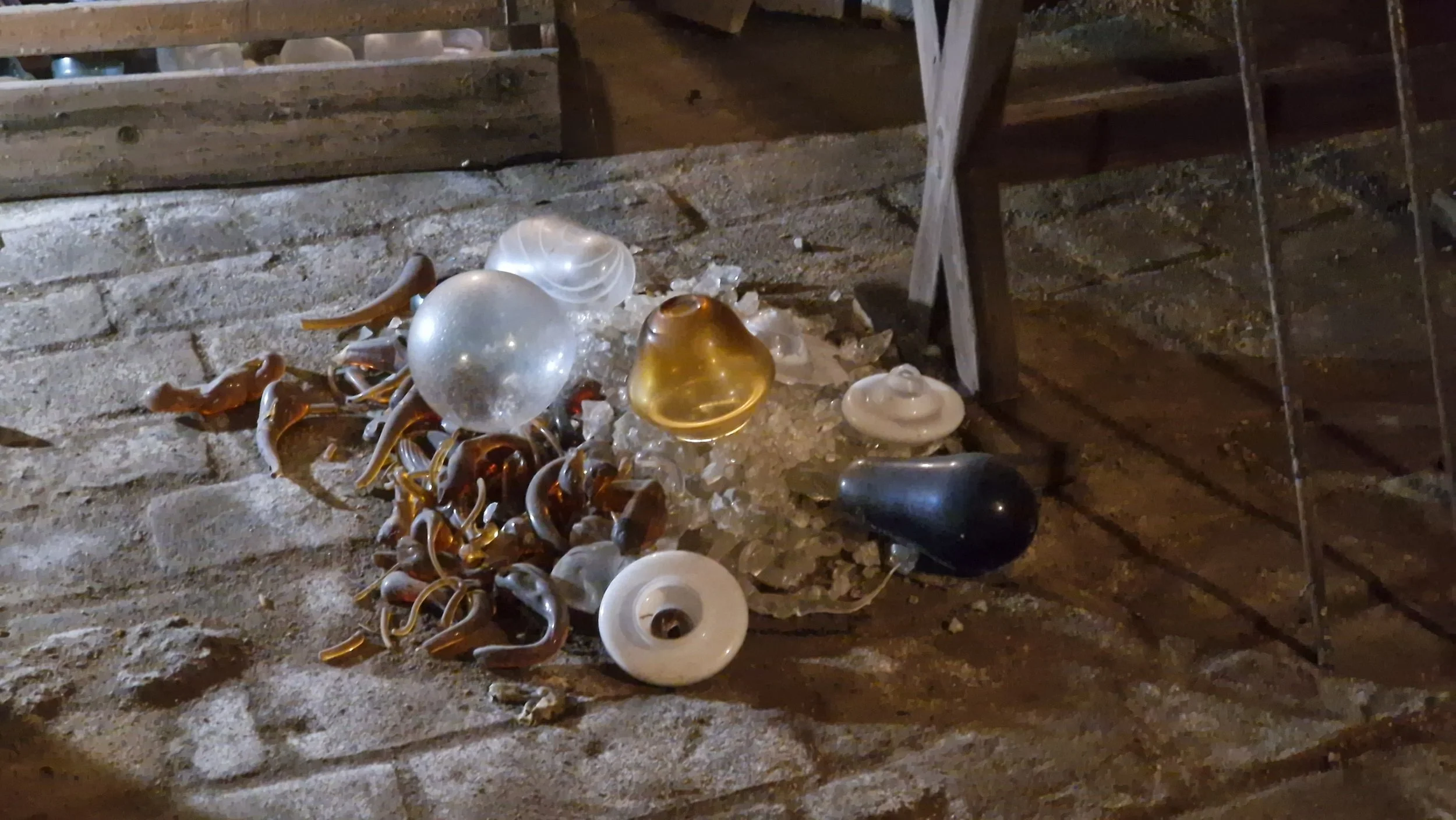
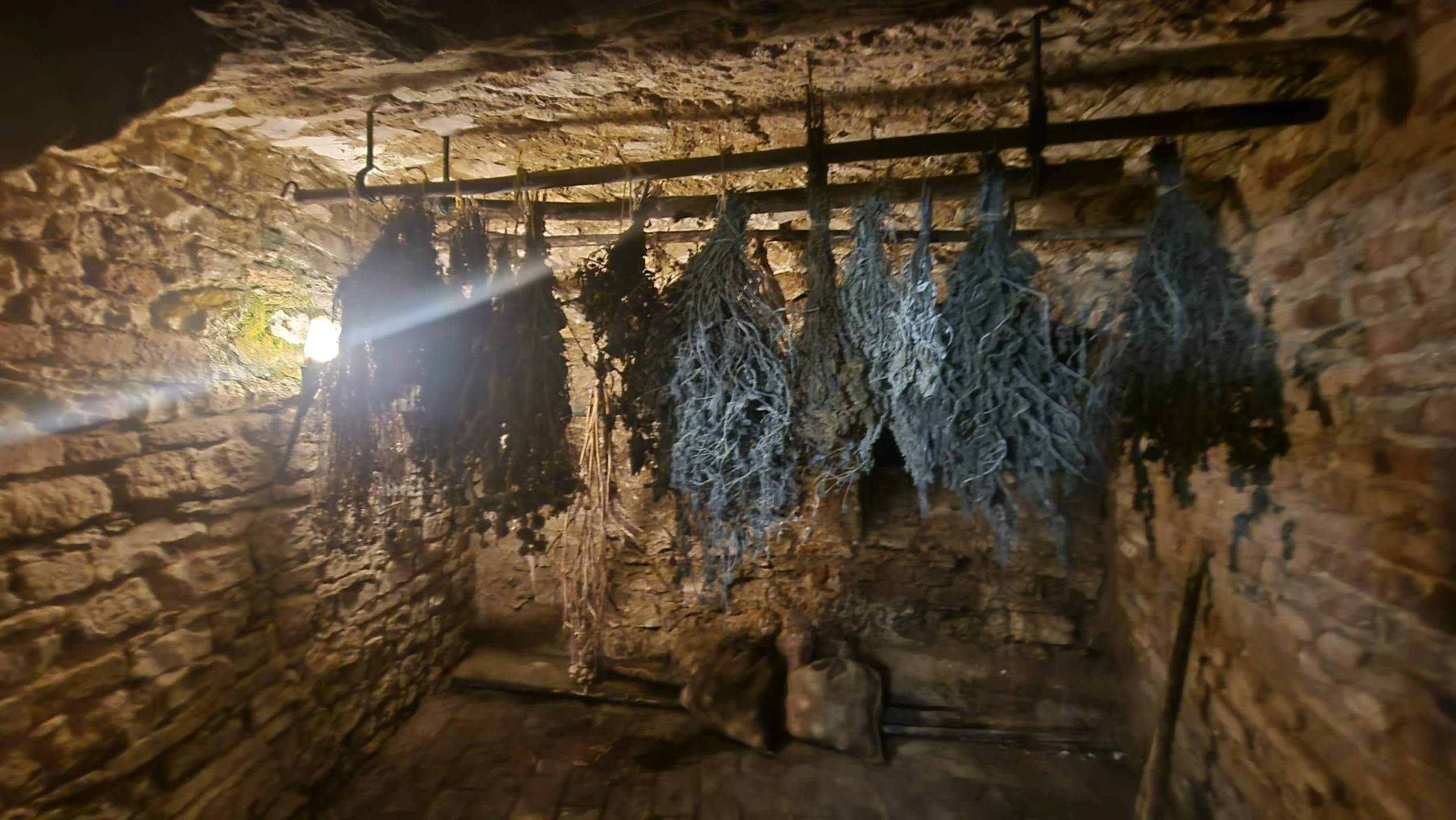
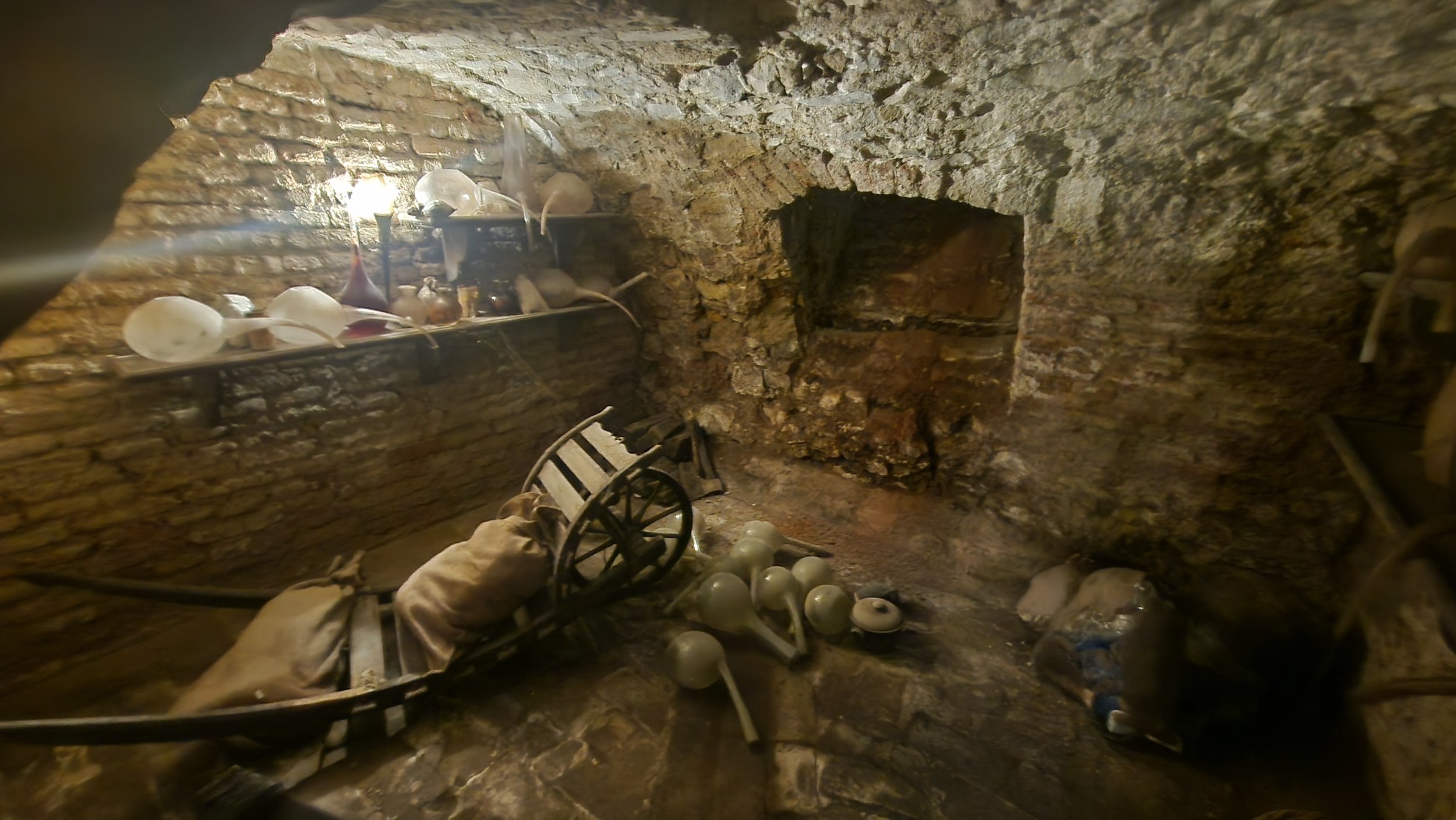
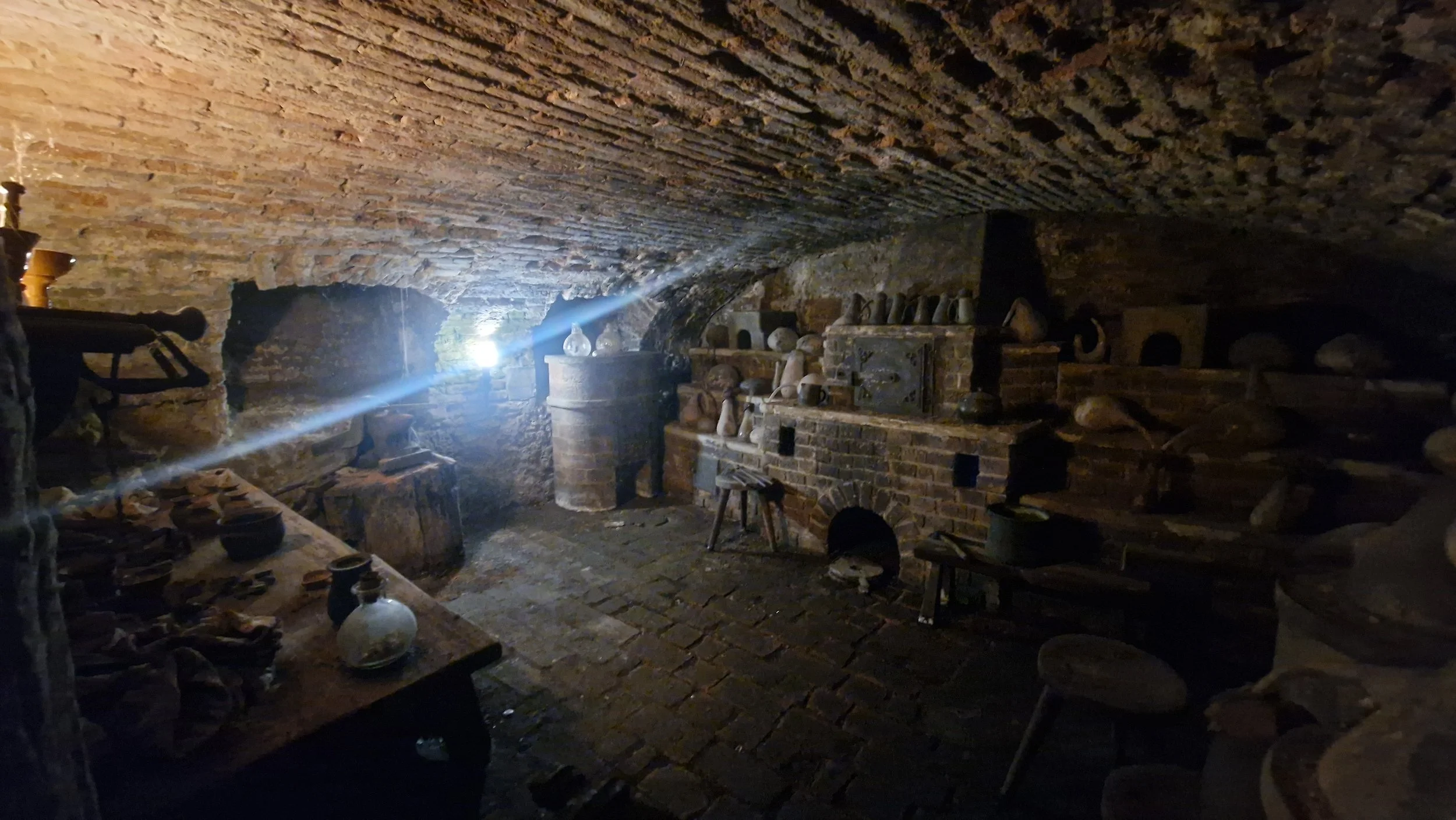
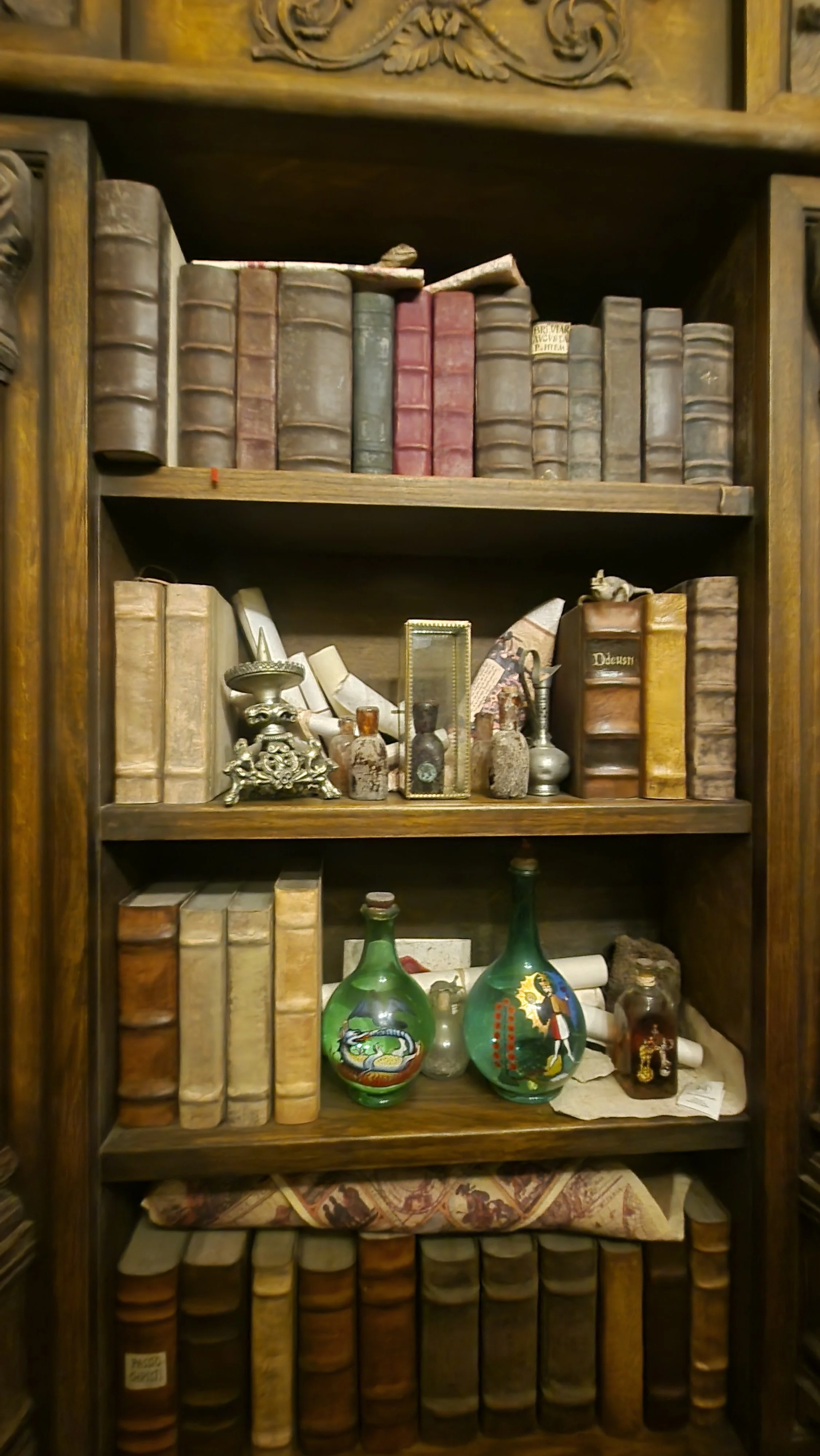
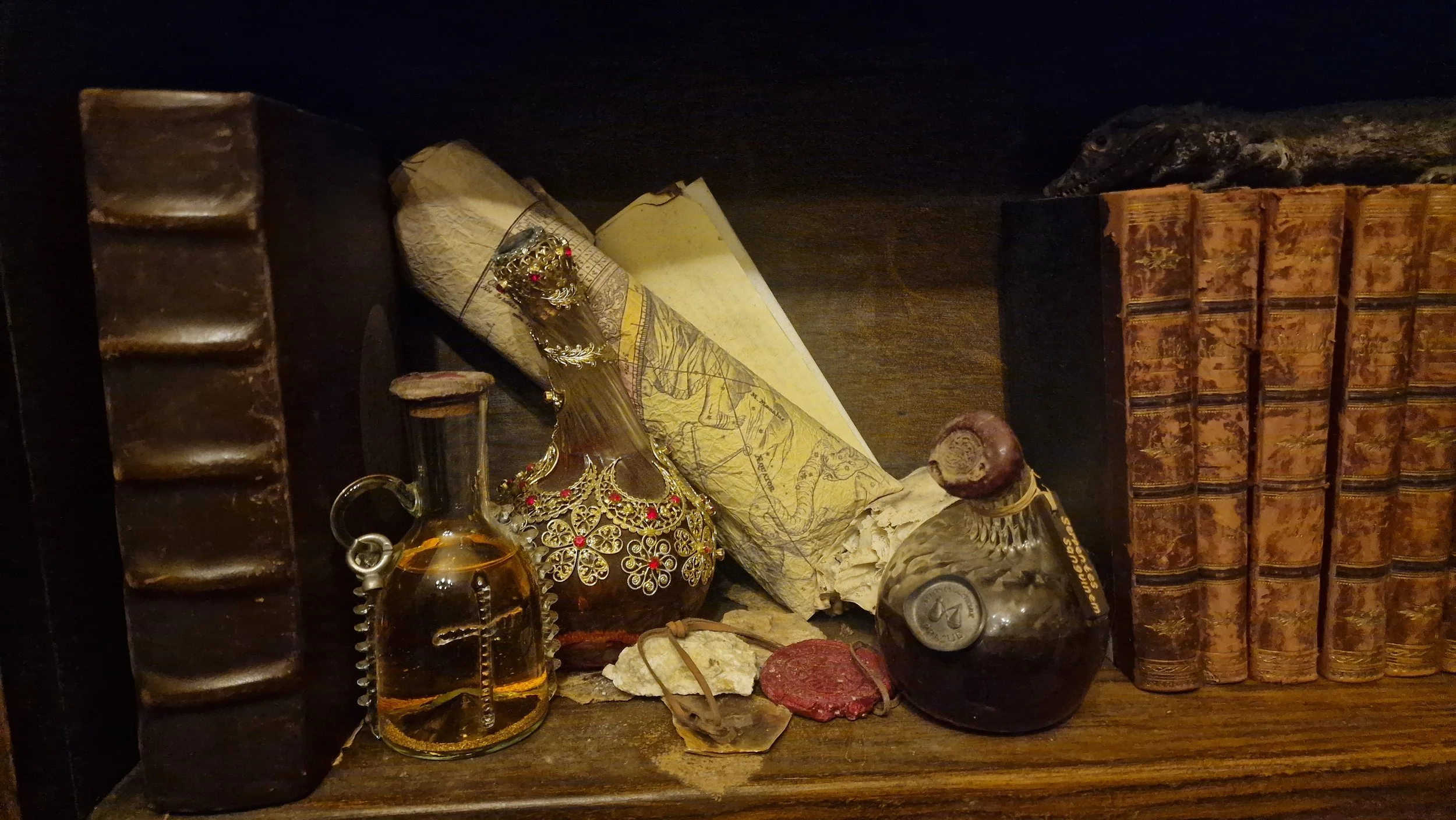
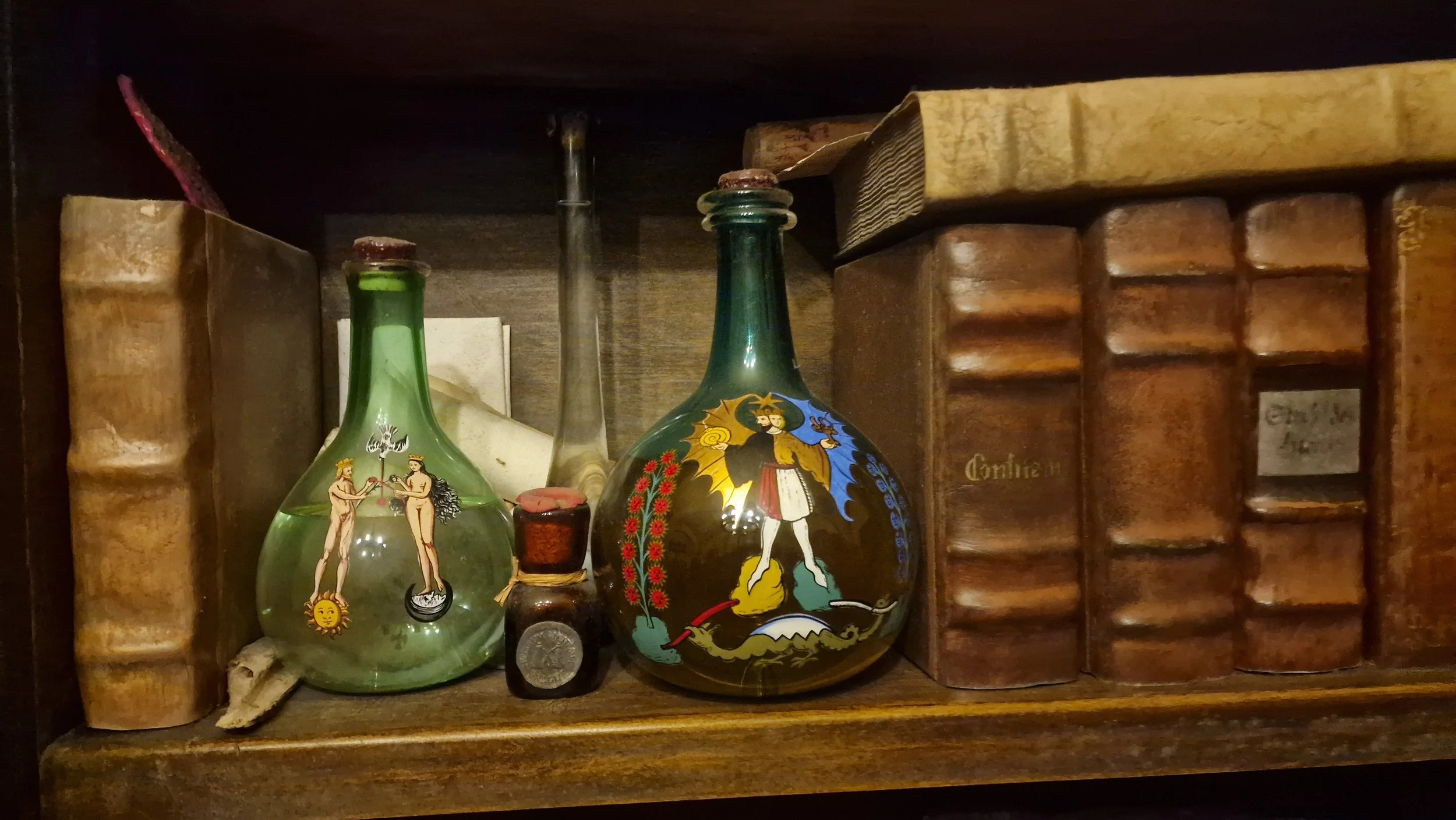
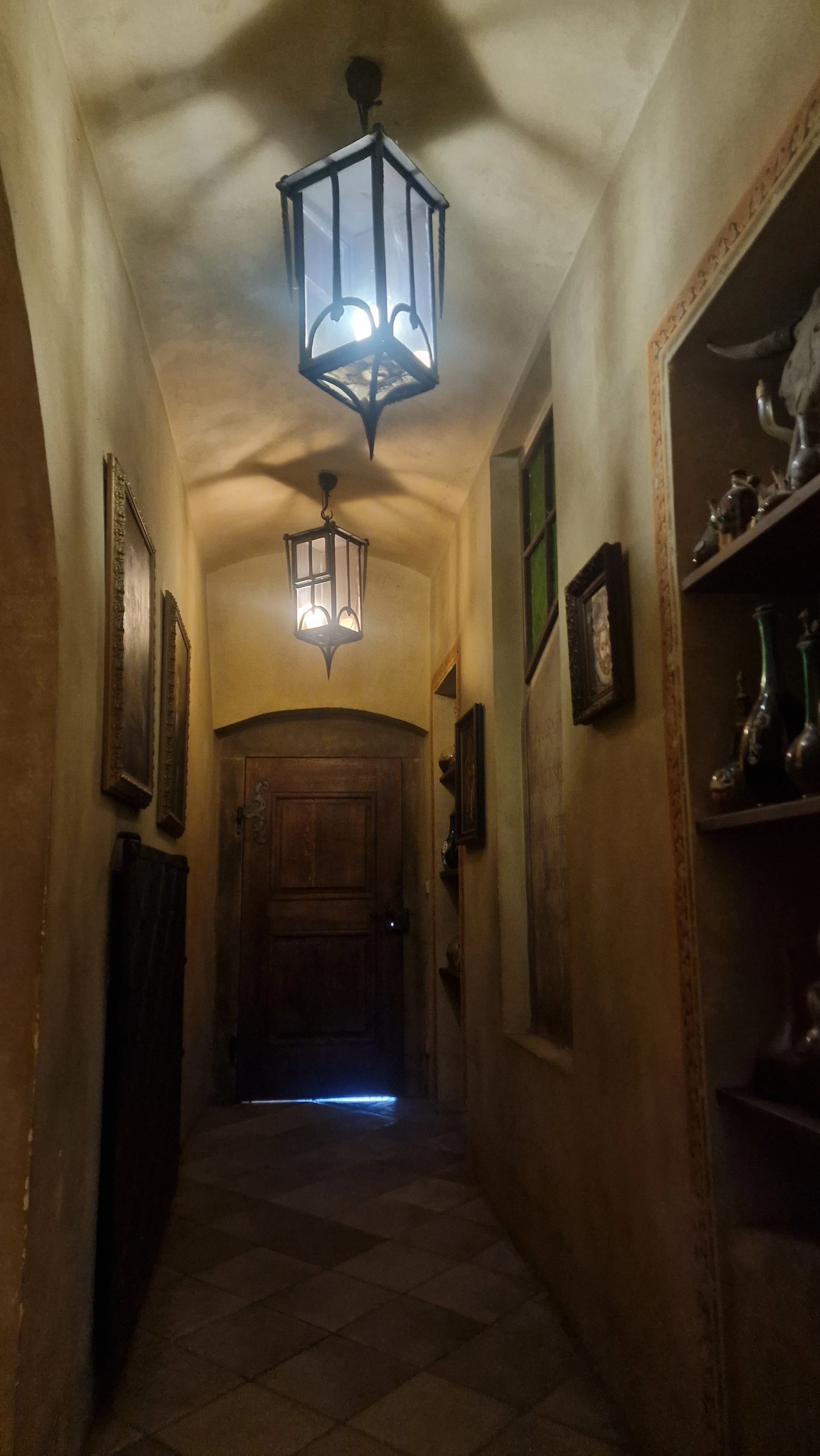
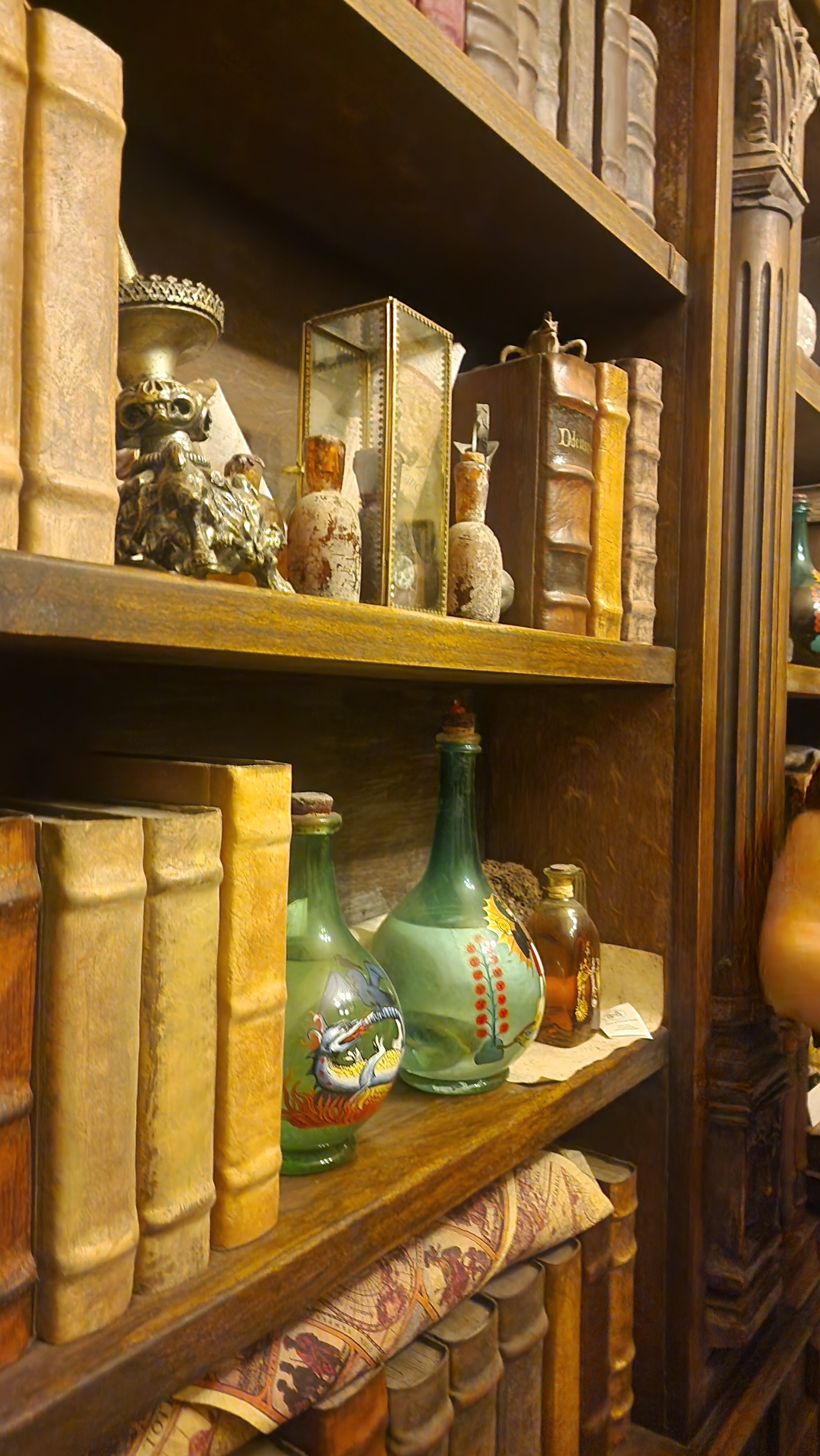
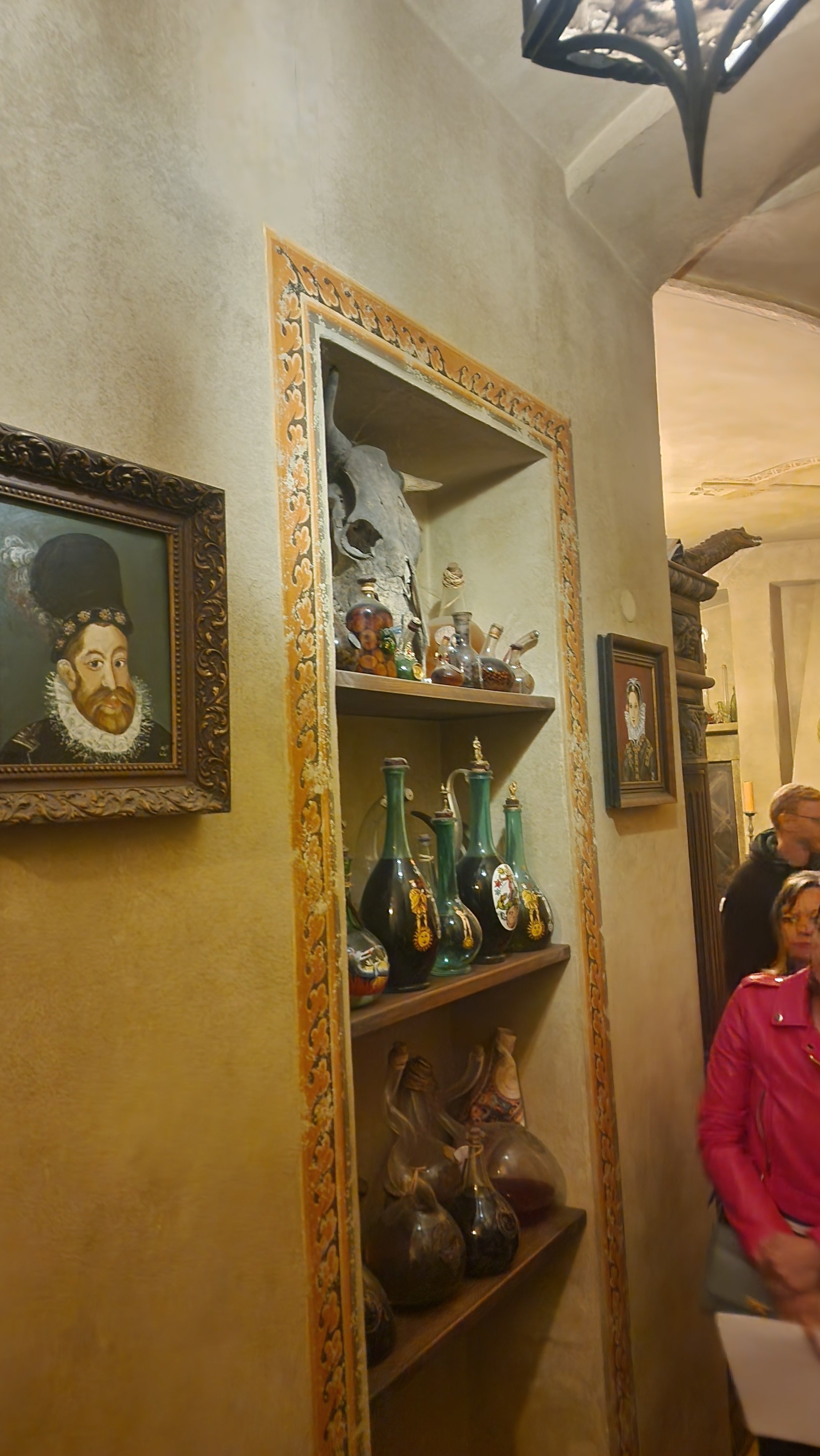
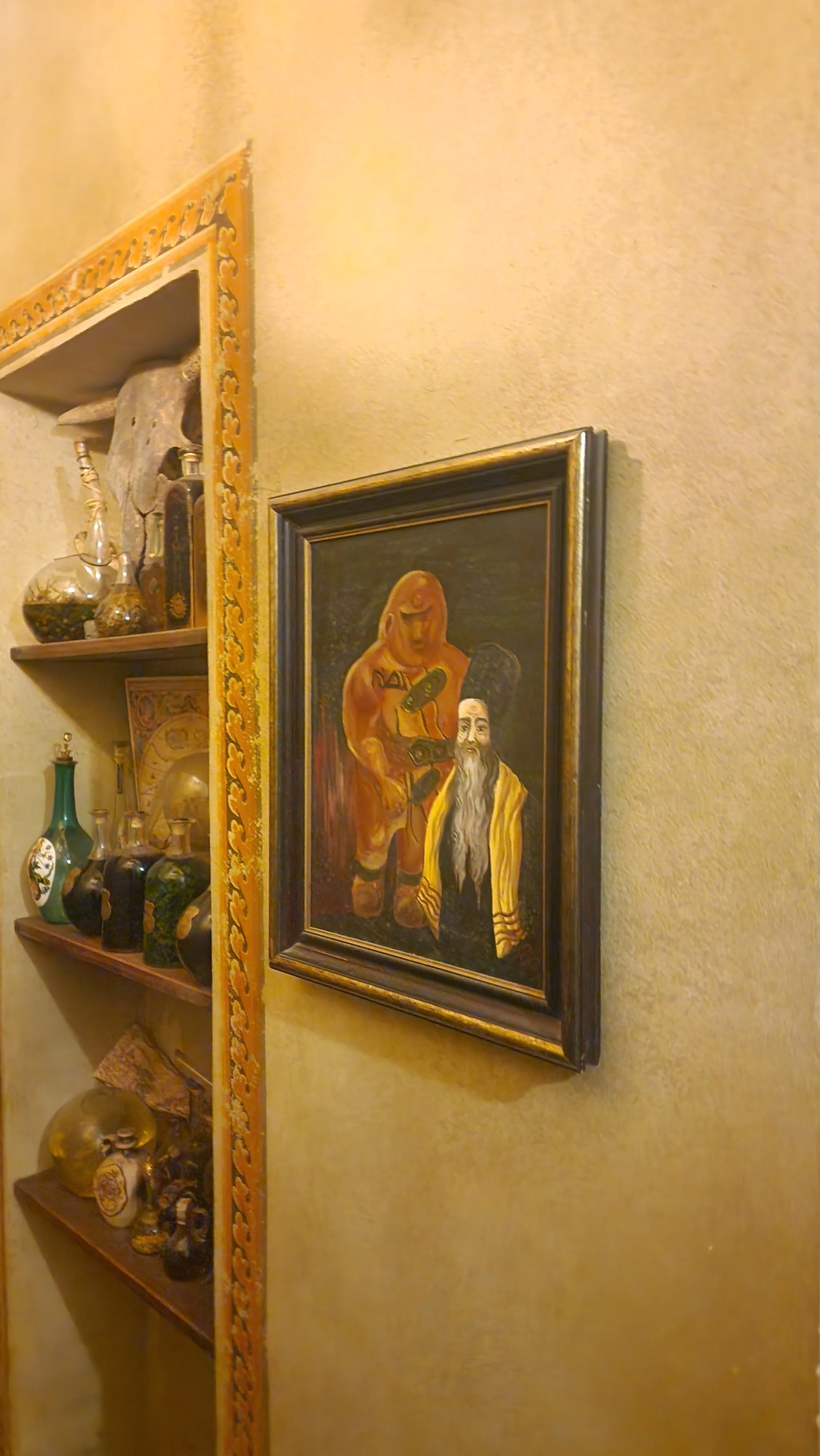
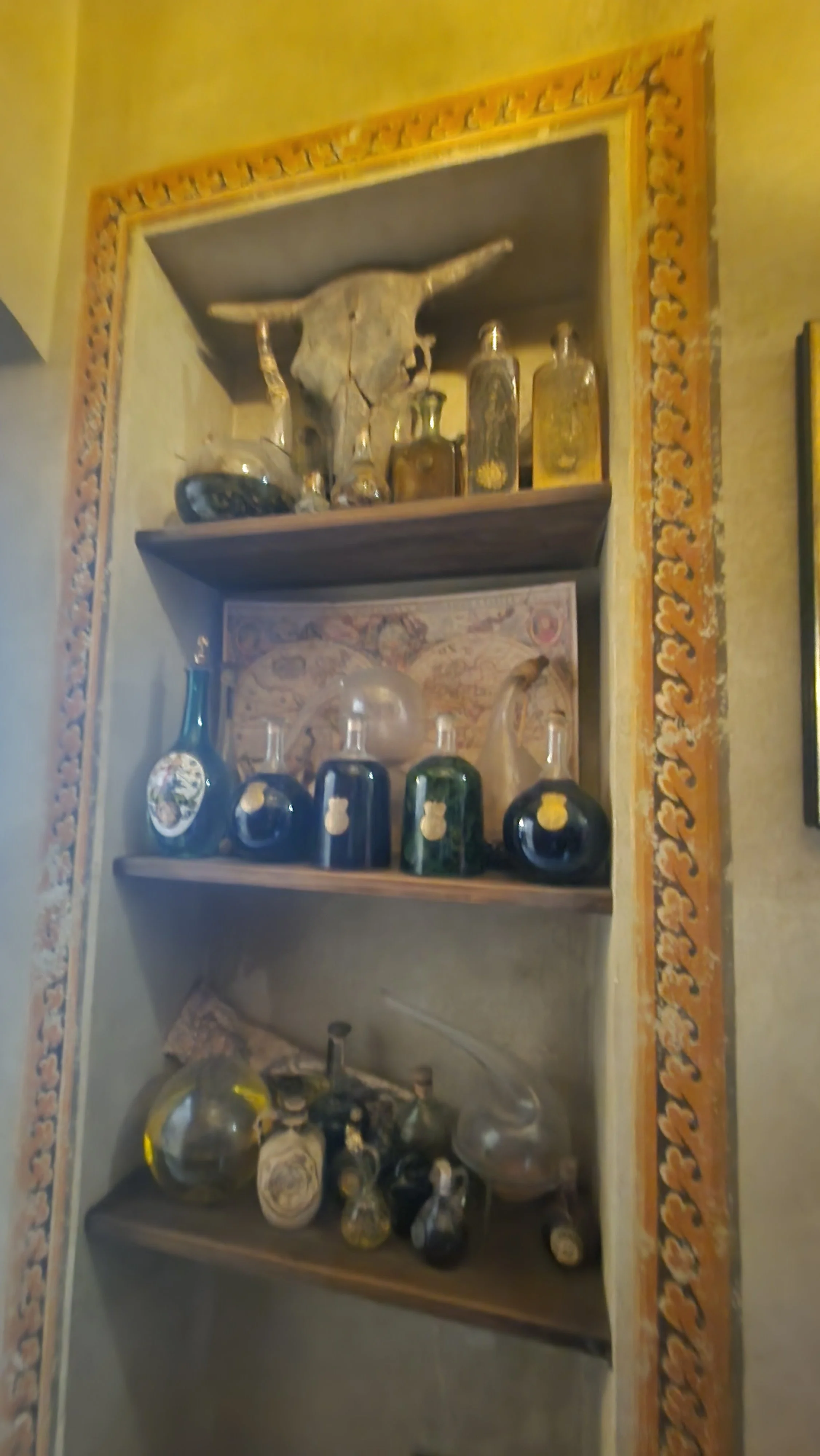
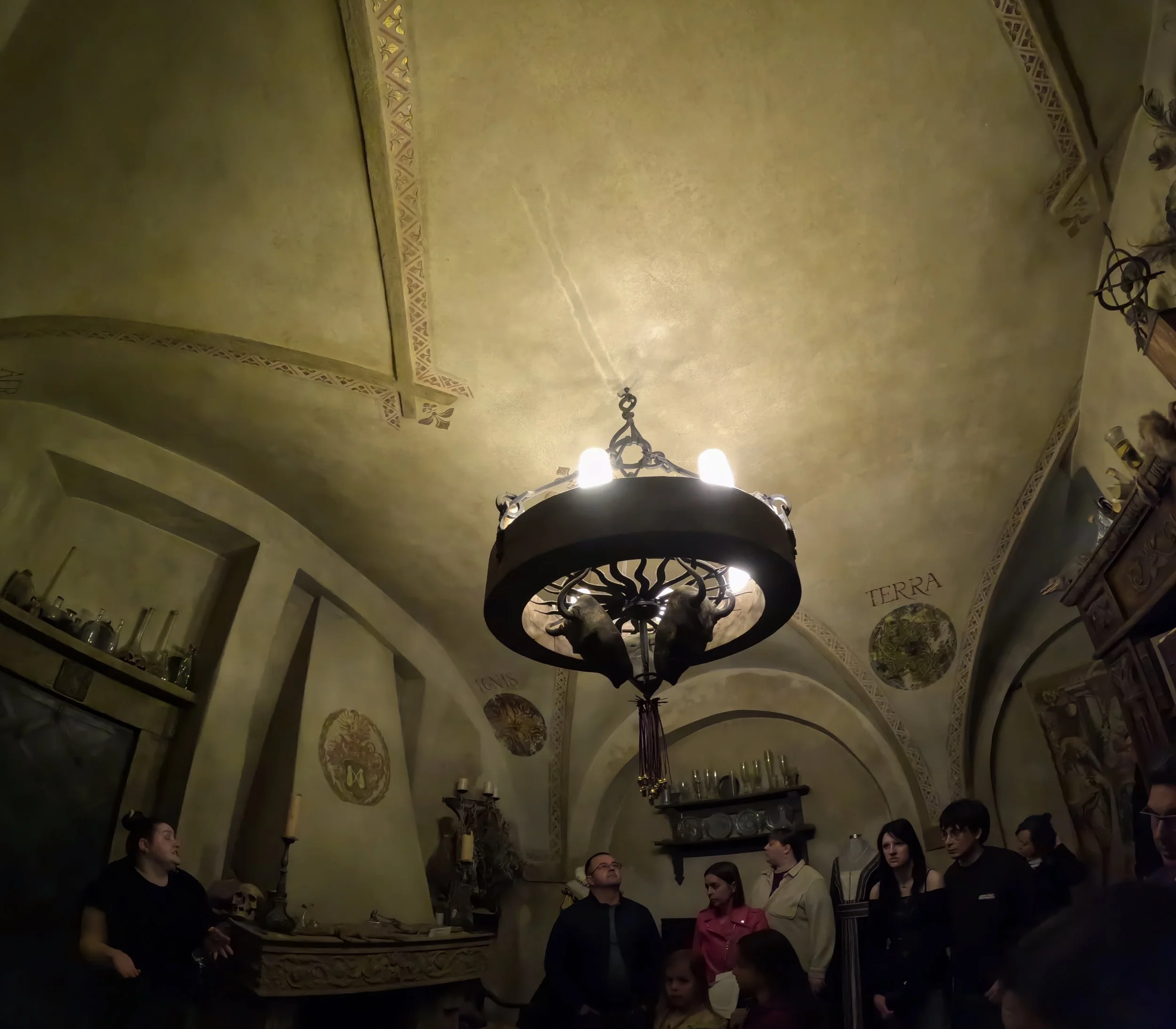
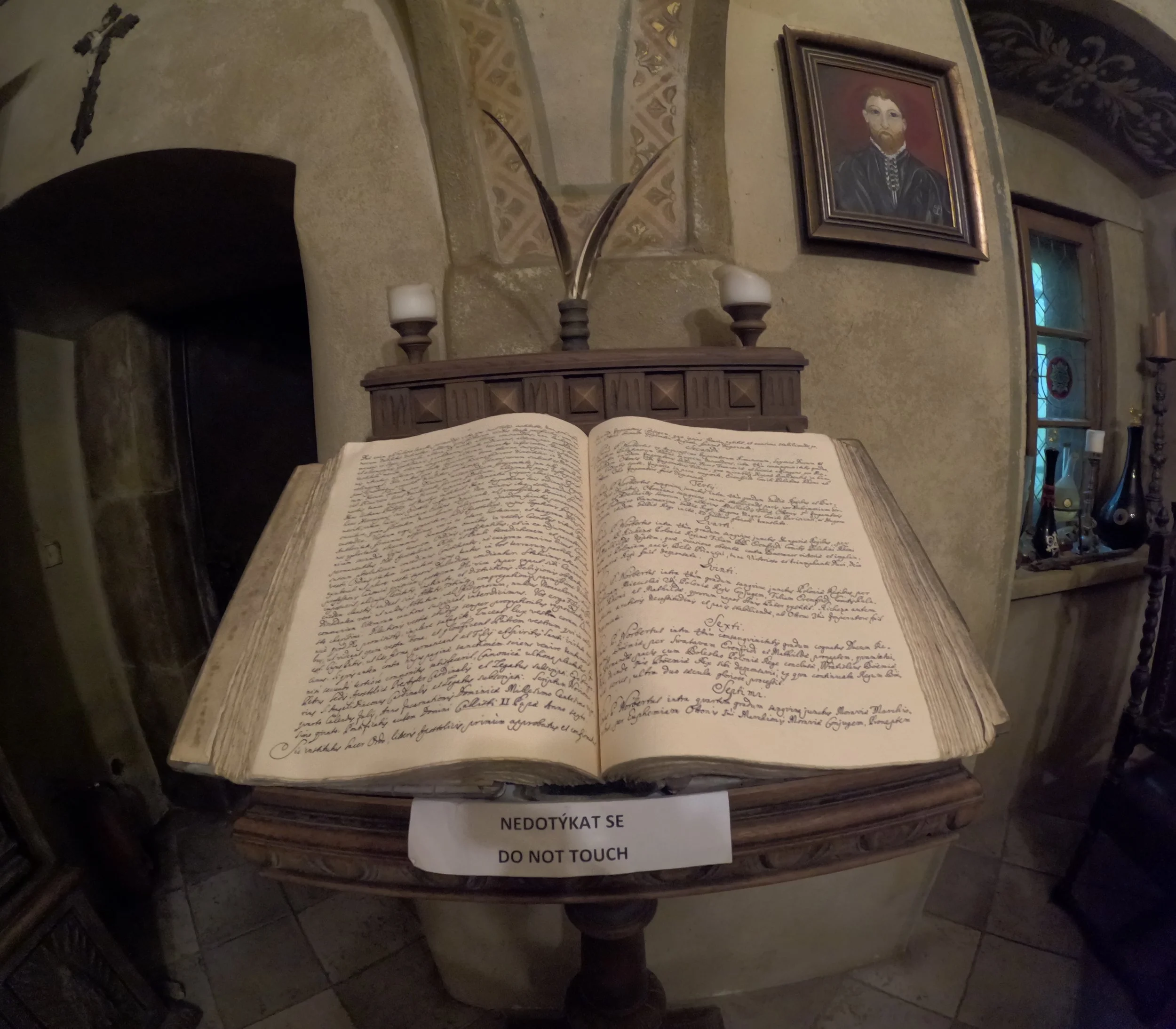
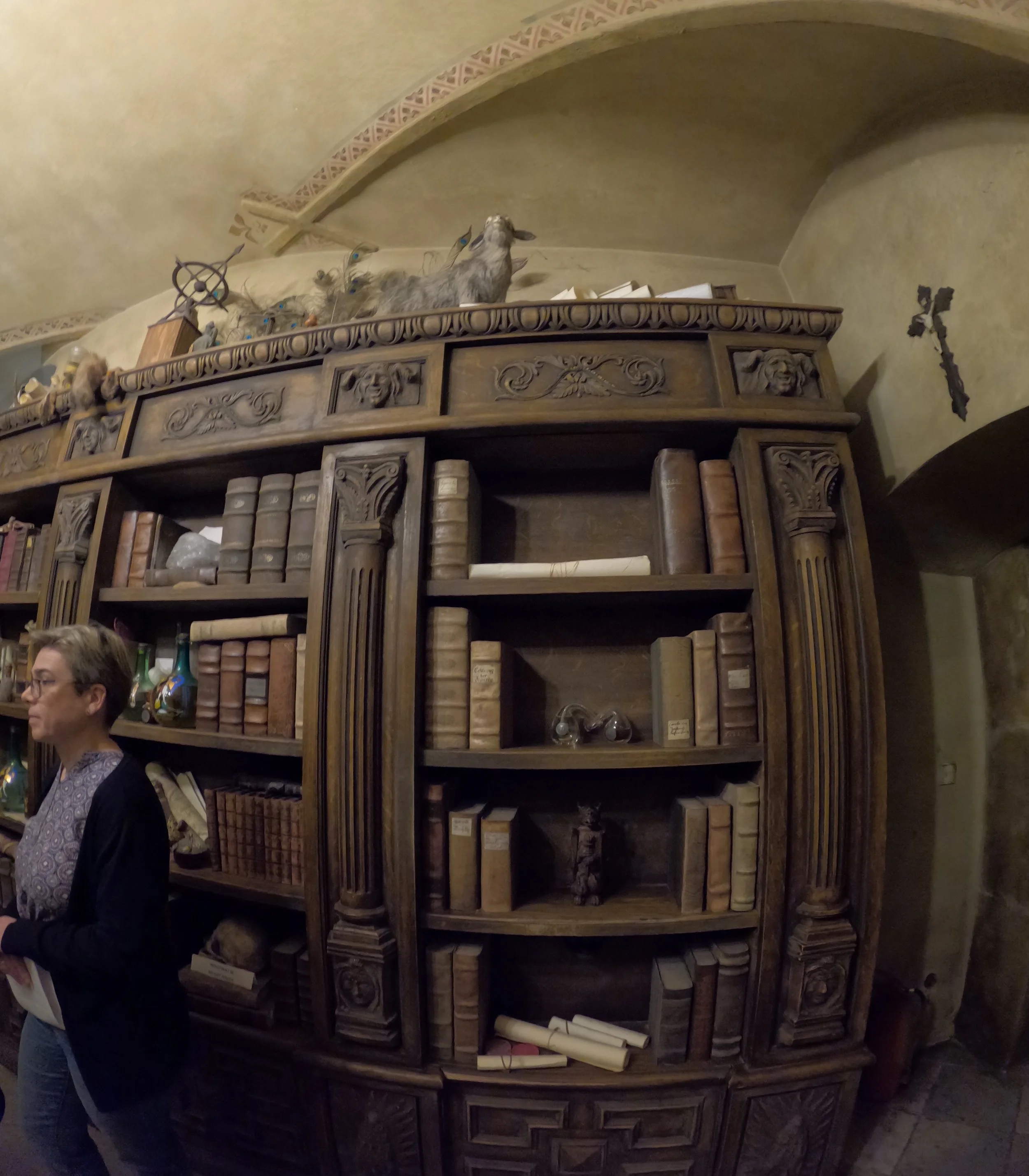
We moved slowly down those vaulted corridors, our footsteps muffled on the uneven flagstones. There were no ghosts here; only the palpable yearning of countless dreamers who had chased the impossible. I felt the legend take hold of me, tendrils of inspiration weaving into the tapestry of the novel I was writing. The idea of a hidden workshop, where science and sorcery were one and the same, became a perfect metaphor for transformation, desire, and the pursuit of purpose. Speculum Alchemiae wasn’t merely a museum, it was a living doorway. Once it swung open in my mind, its alchemists’ echoes found their way into every line I penned.
That evening, as twilight painted the Vltava in violet and gold, we settled at Le Petit Beefbar in the W Prague. Under soft pendant lights and beside a glass of deep-red Moravian wine, we let the day’s enchantments settle around us like a familiar cloak—content, for a moment, to simply be.
April 9: The Concierge
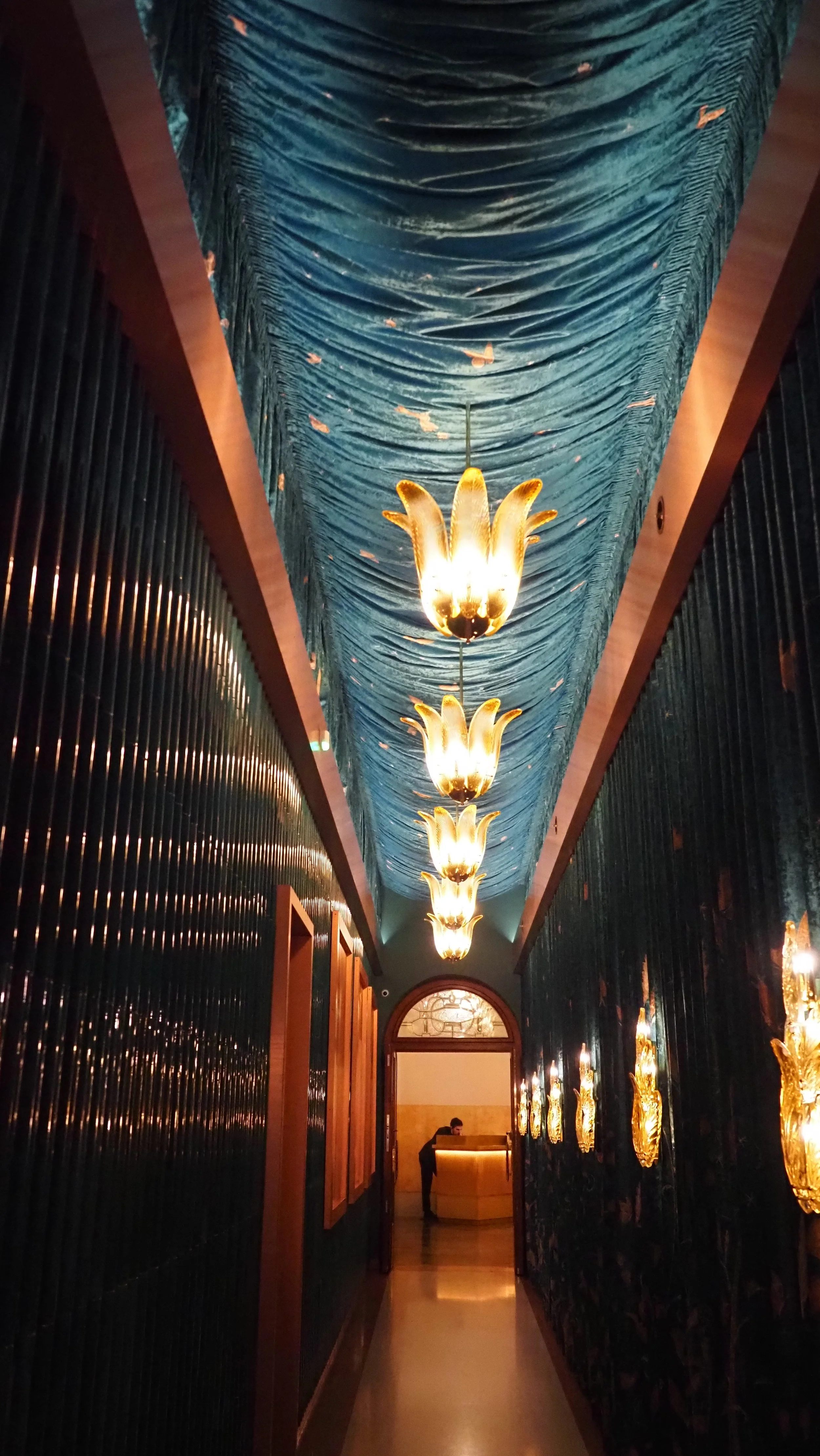
The hall in the W Prague
Zdeněk and I met again beneath the pale spring sky, and as always, joy bloomed without explanation. We strolled through the honeyed light of Malá Strana’s narrow lanes, where pastel facades lean together like old friends. In Valdštejnská zahrada, the clipped hedges and fountains murmured a baroque serenity, birdsong drifting above marble statues. Later we found ourselves on Lávka, the Vltava’s dark water glinting beneath iron railings, its steady murmur lulling us into familiar conversation. To walk this city with someone who carries its story in his bones is to see every corner refract memory and possibility at once.
Back at W Prague, the newly restored jewel on the northern edge of Wenceslas Square, concierge Michal led me through polished halls, the scent of fresh linden trees wafting in through arched windows. He ushered me into the hushed conference room where Franz Kafka delivered his lone public reading in 1912. It was of The Judgment (Das Urteil). The drapes framed tall, arched casements; sunlight fell in narrow shafts, illuminating ornate stucco and the inlaid parquet floor. The hush of that moment settled around my shoulders like a familiar cloak.
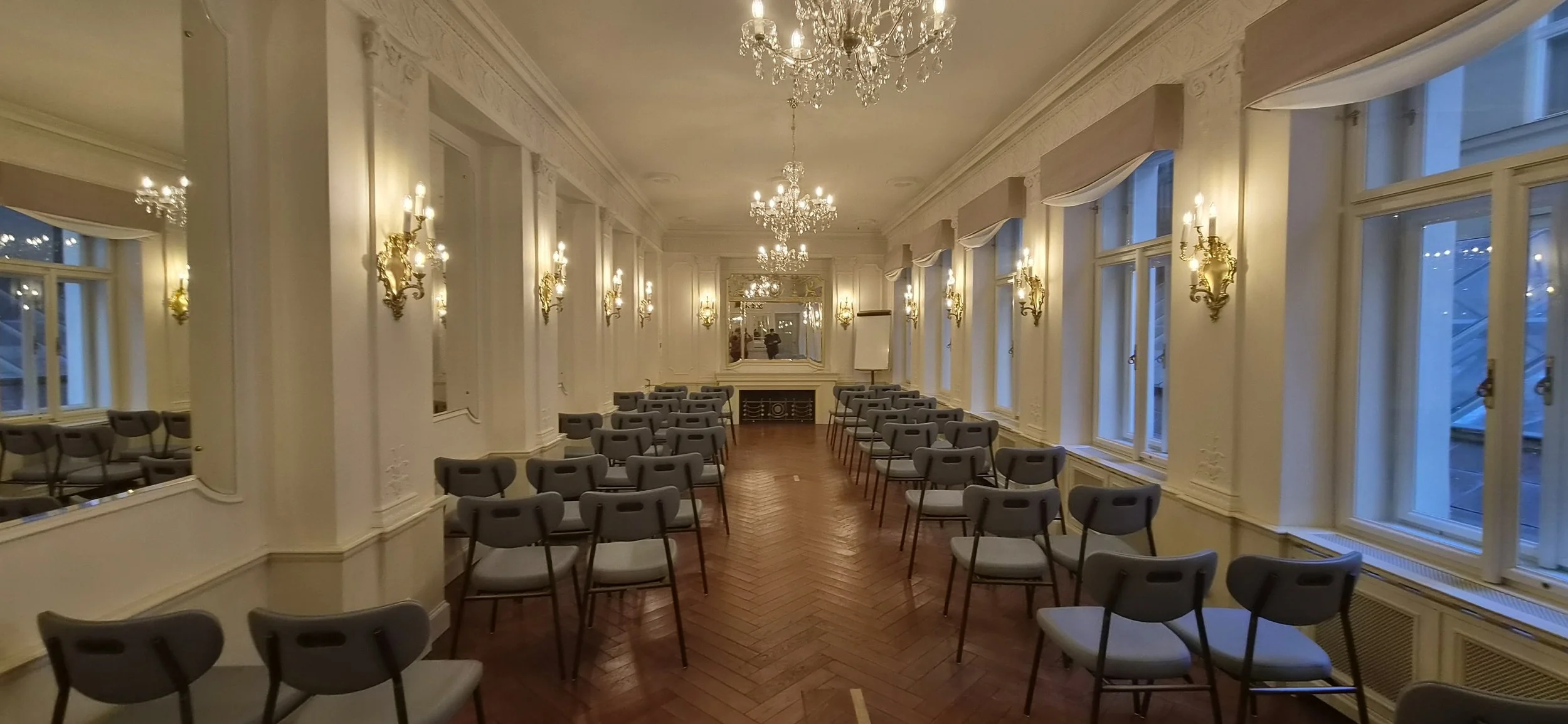
Where Franz Kafka had his only public reading.
Once known to Kafka as Hotel Erzherzog Stefan, later christened Hotel Šroubek and then the Grand Hotel Evropa, this Art Nouveau masterpiece at Václavské náměstí 826/25 reopened under Marriott’s W Prague banner on October 29, 2024. Its façade, alive with sinuous wrought-iron balconies and pastel mosaics, still reflects the city’s turn-of-the-century elegance. Inside, contemporary design melds with gilded cornices and stained-glass, each hallway a dialogue between past and present.
In that fabled reading room, Michal pointed out the exact spot where Kafka reputedly stood cross-legged, his slight frame leaning forward as if confessing secrets to the worn wooden podium. I settled into the same imprint on the floor, raised my camera, and framed a photograph from Kafka’s imagined vantage: the soft glow of wall sconces, the gentle curvature of the ceiling frescoes. The air felt charged, as though the author’s muted recitations still trembled in the beams overhead.
Later, Michal guided me to the Grand Café—now Le Petit Beefbar au Grand Café—where Kafka once sat at a jewel-toned velvet banquette, swirling his coffee in quiet contemplation. The aroma of dark roast mingled with the clink of porcelain cups beneath crystal chandeliers. Michal’s gracious knowledge, mischievous glances, and gentle humor turned out to inspire the Concierge in my novel Koffee With Kafka—now, delightfully, my editor’s favorite character.
After dinner, Iselda captured me in that very seat: the lamp’s warm glow haloing my silhouette, the edges of the frame soft and ghostly, as if Prague itself had slipped into the photograph. I cannot explain such moments, but trust that in this city, history leans in close for those who willfully listen.
April 10: Snow, and a Sign
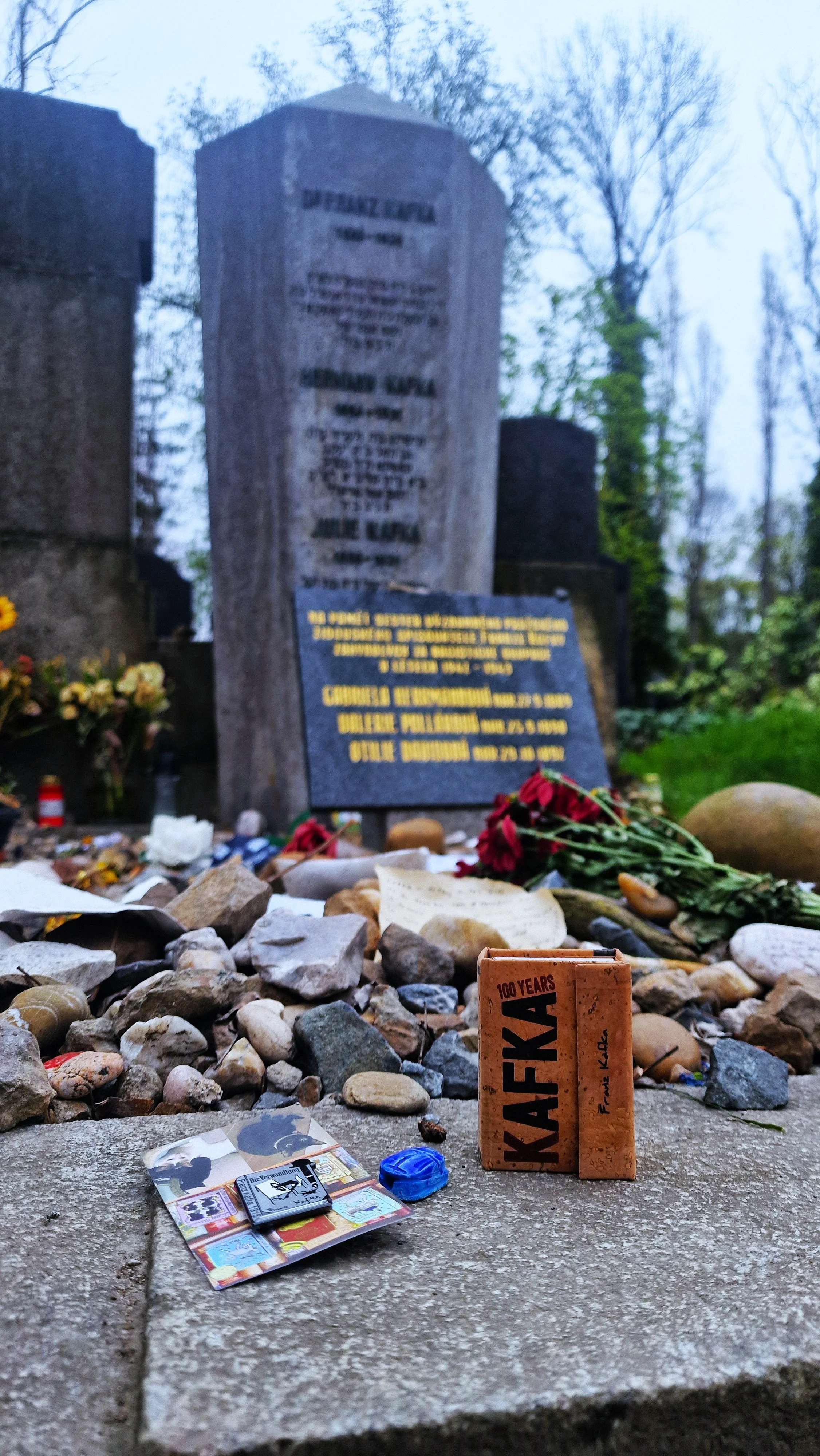
Morning with Franz
On that last spring morning, I slipped away alone to Kafka’s grave. My private pilgrimage, a solemn tribute to the restless muse who has shaped every line of my most recent work. The air lay heavy with dawn’s cool breath, motionless and pale, as though the world itself were holding its spirit in reverence. All week I had carried a secret ache: doors unopened, queries unanswered or outright rejected, the sting of solitude in my writing life. There at the foot of the tombstone, I let the ache bloom fully, its tender, sharp edges untouched by interruption. Who else better than Kafka would understand?
In my palm I cradled rose quartz, its soft-pink surface warmed by memory; a key from the 1920s apartment where I finished Koffee With Kafka, its metal worn by nightly turns; and a handful of little trinkets, tiny ambassadors from past and present, laid on the stone like offerings.
When I finally turned away, a low veil of melancholy draped itself around my shoulders, and the graveyard’s lanes stretched on without end. The path, slick with damp earth and fallen petals, seemed to echo with questions I couldn’t yet answer: Would my story find readers’ hearts? Would its voice glide into their dreams, or vanish like smoke before it reached daylight? The joy that once carried me—bright, unbridled, like wild horses racing across an open plain—now felt as if I were treading water in a sea that had no shore. With every step, the chill outside mingled with the chill inside.
Still, amidst that gathering fog of doubt, I reminded myself why I had come. Why I had laid down those slender tokens of my journey. Art, after all, was an electric pulse, a living bridge cast between the solitude of my own thoughts and the outstretched hands of strangers. I paused once more, inhaled the damp scent of mossy stones and wet grass, and let it fill my lungs. And then, soft as a blessing, something wet brushed my forehead. I looked up, half-expecting a clumsy bird, but instead a single snowflake drifted down. Then another. And another. Snow in April, pale gifts descending from a sky still holding winter in its breath.
I stood unmoved as flurries gathered, each crystalline speck dancing in the soft gray light. The loneliness I had lugged with me began to loosen its grip, melting like frost in sunshine. Here at Kafka’s grave, the city had spoken once again. In January 2022 it had answered me the same way, except it began to snow on my way to Kafka back then, a wintry nod when I stood forty on the cusp of forty-one that year, asking for permission to write a novel. Now, this year, it spoke again in gentle snow.
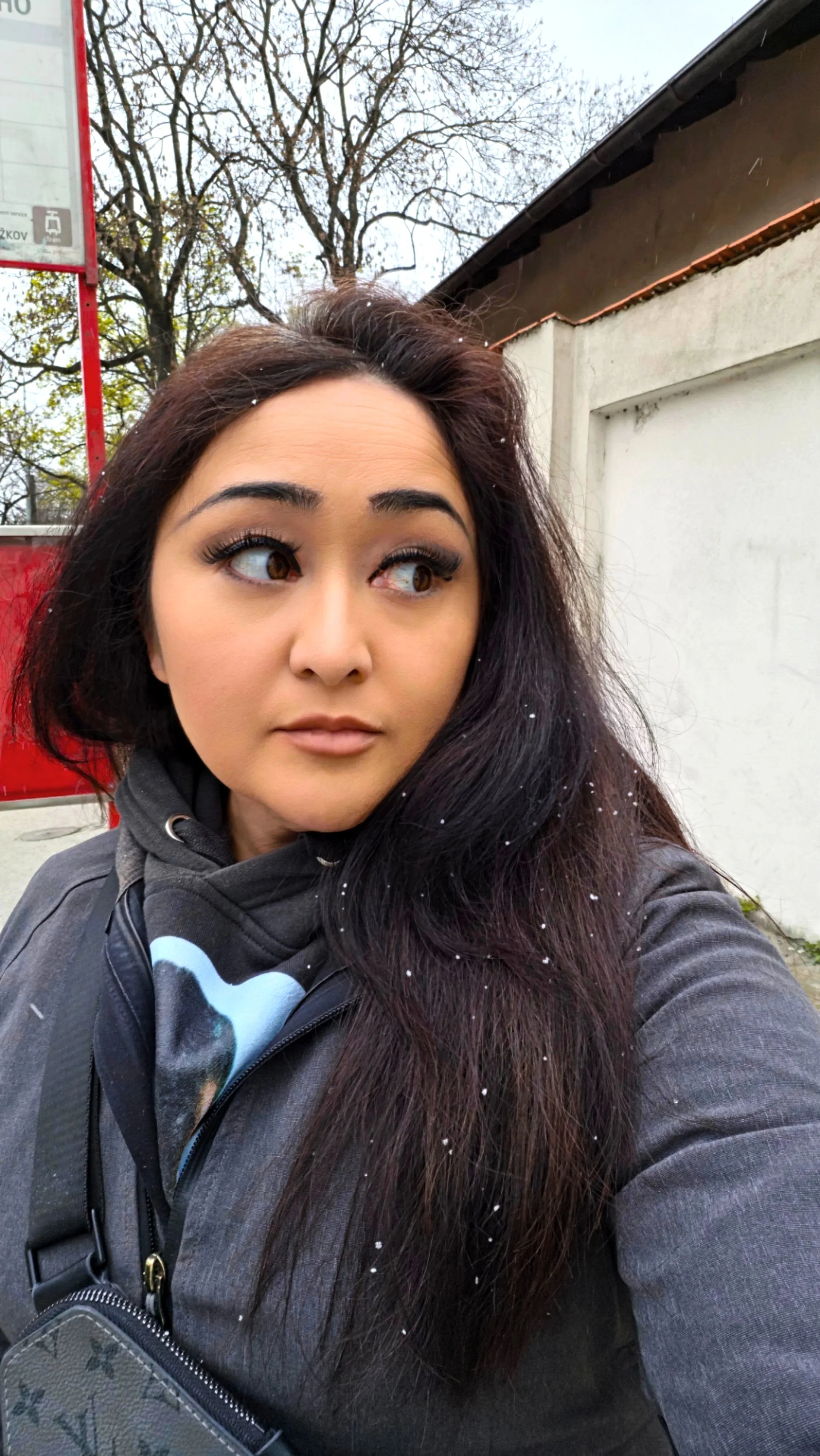
Unexpected snow on our last day in Prague
Reluctantly I set my gaze on the path that led back to the city, now veiled in white. The granite markers at Kafka’s grave seemed to soften under snow’s tender caress, as though the flakes themselves were inscribing a new elegy. Twenty-five meters from the iron gate, I hesitated, unwilling to break the fragile thread that tethered me to this moment. A quiet smile curved my lips as I turned to face his grave down the long path and whispered, “Thank you.” Gratitude for everything: the stones, the snow, the comfort of a beautiful moment amid solitude, and the spirit of Kafka himself.
Outside the cemetery’s walls, Prague lay swathed in an unexpected winter hush. Cobblestones glimmered with moisture, ribbons of slush forming at their joints. As I made my way toward the curb, boots crunching on fresh powder, I felt a rush of wonder, a sense of nostalgia for a city I thought I knew. Buildings I had passed a hundred times now seemed transformed, their façades softened by the flurries. Each snowflake clung to my lashes, a tiny, delicate work of art, and left a pinpoint of cold that sent shivers through me.
I hurried back to the hotel room to fetch Iselda for the airport run. By the time we stepped out again, the snow had deepened into a thicker curtain, drifting steadily through spring air. It felt like a hidden gift pressed into my palm; a reminder that I was not as alone as I had feared, that this work, this art, mattered. The city around us, ancient and watchful, had been listening all along.
Prague does not merely endure your presence. It speaks if you quiet your doubts and lean in to listen. That morning, contemplating the past week beneath blossoming markets and steaming bowls of goulash, over sunrise on the bridge and snow at Kafka’s grave, it whispered something urgent and clear. A promise I intend to carry, long after departure, into every next arrival.