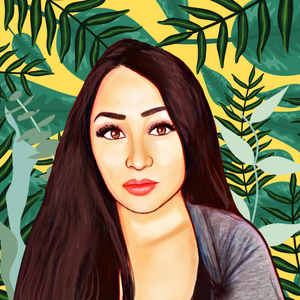
A Chamorrita in Málaga
Wandering the liminal spaces of Andalusia and the afterlife of empire.
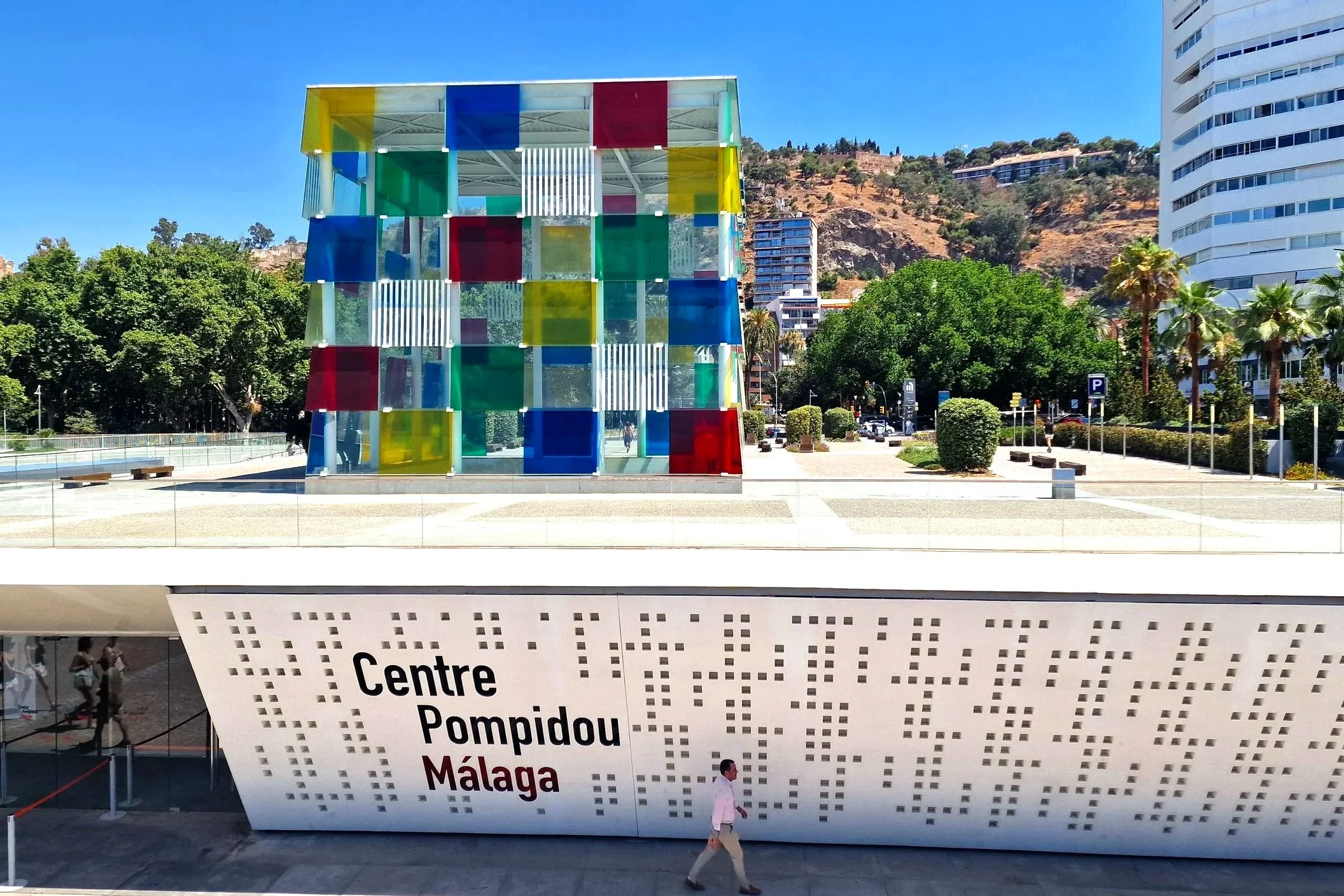
Some journeys begin long before the plane leaves the ground. Mine began centuries ago, on an island in the Northwest Pacific, in a bloodline that carries names given by men who arrived with crosses and swords. I only understood this fully once we landed in Málaga, though the understanding had been waiting for me all along, patient and skeptical.
The Long Way South
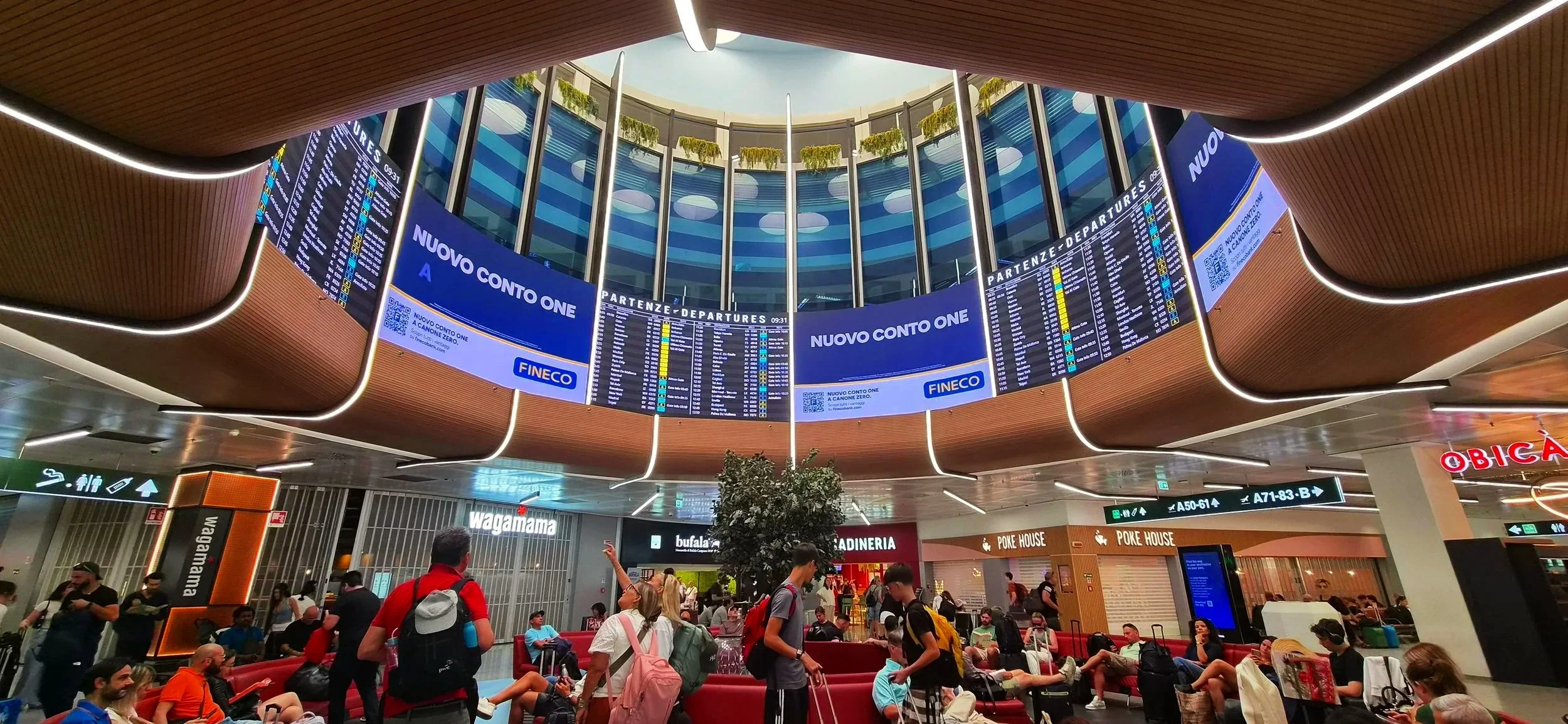
Waiting for our gate announcement at Milano Malpensa (MXP)
We left Milan in the grip of a heat wave so fierce it felt biblical. The air shimmered above the tarmac, and Western Europe seemed to be holding its breath. Our route carried us through Zürich, and there I discovered something almost comical in its cruelty: the airport was hotter inside than the blazing world beyond its glass.
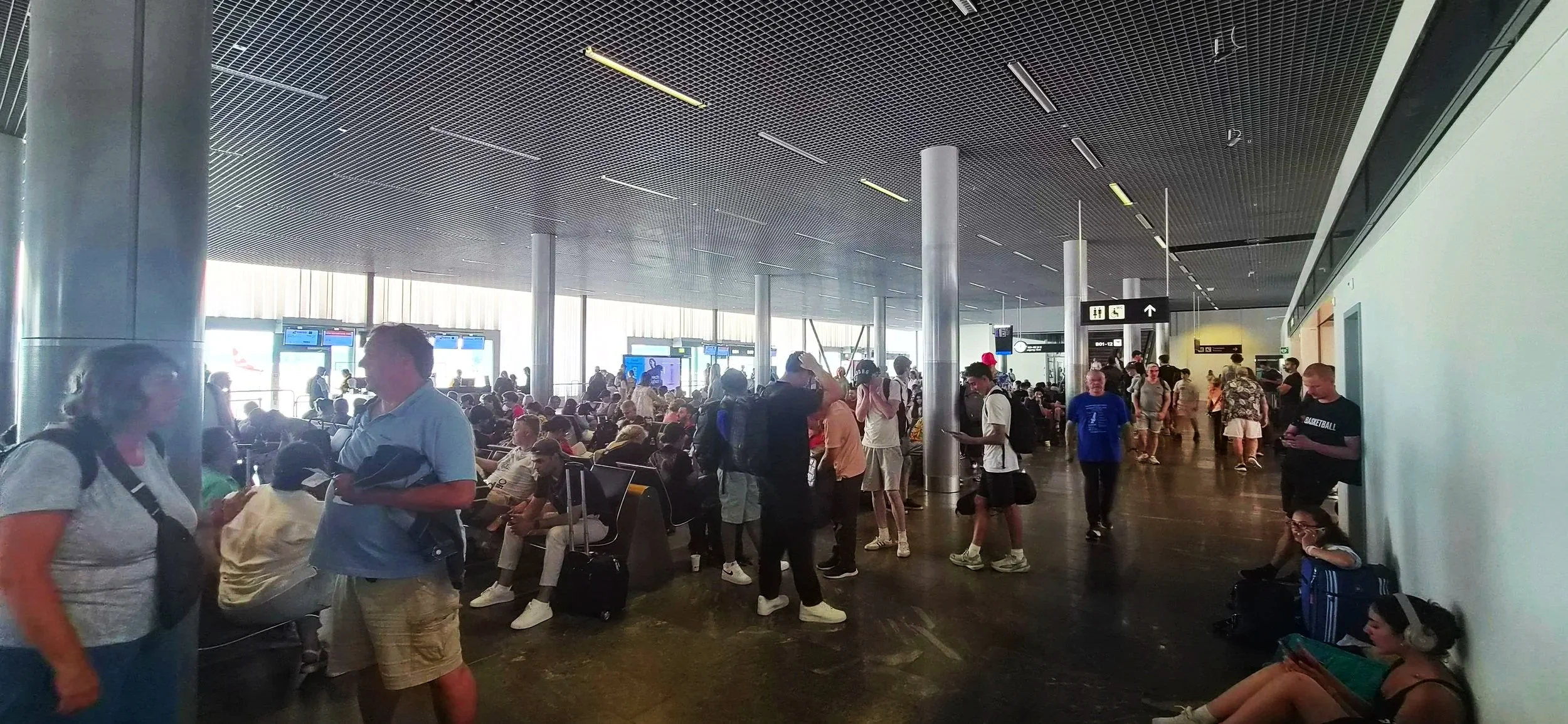
The heat and misery inside Zürich’s airport where the halls to these gates were under construction and even hotter.
Travelers wilted in the corridors like cut flowers, fanning themselves with boarding passes, all of us pilgrims in a sweltering purgatory between arrivals and departures. The terminal had become a greenhouse, its famous Swiss efficiency apparently unable to account for a sun that had decided, this particular summer, to make an example of the continent. I remember a man in a linen blazer sitting on his rolling suitcase in the middle of a corridor, eyes closed, one hand pressed flat against the cool of a marble pillar, as though drawing from it whatever remained.
We flew Swiss Airlines business class, which was mostly empty on the way to a much more forgiving climate in Andalusia, and I will not pretend the comfort was lost on me. Reclined in that quiet cocoon, watching the Alps fall away beneath us, I felt the strange vertigo of my own life. How did I get here? A military brat, once. A combat veteran who came home from Ramadi to a country that insisted women were never in the fight. A mother now. An artist. A writer. A social worker who has spent years sitting with other people's pain and grief in fluorescent-lit rooms and battlefields.
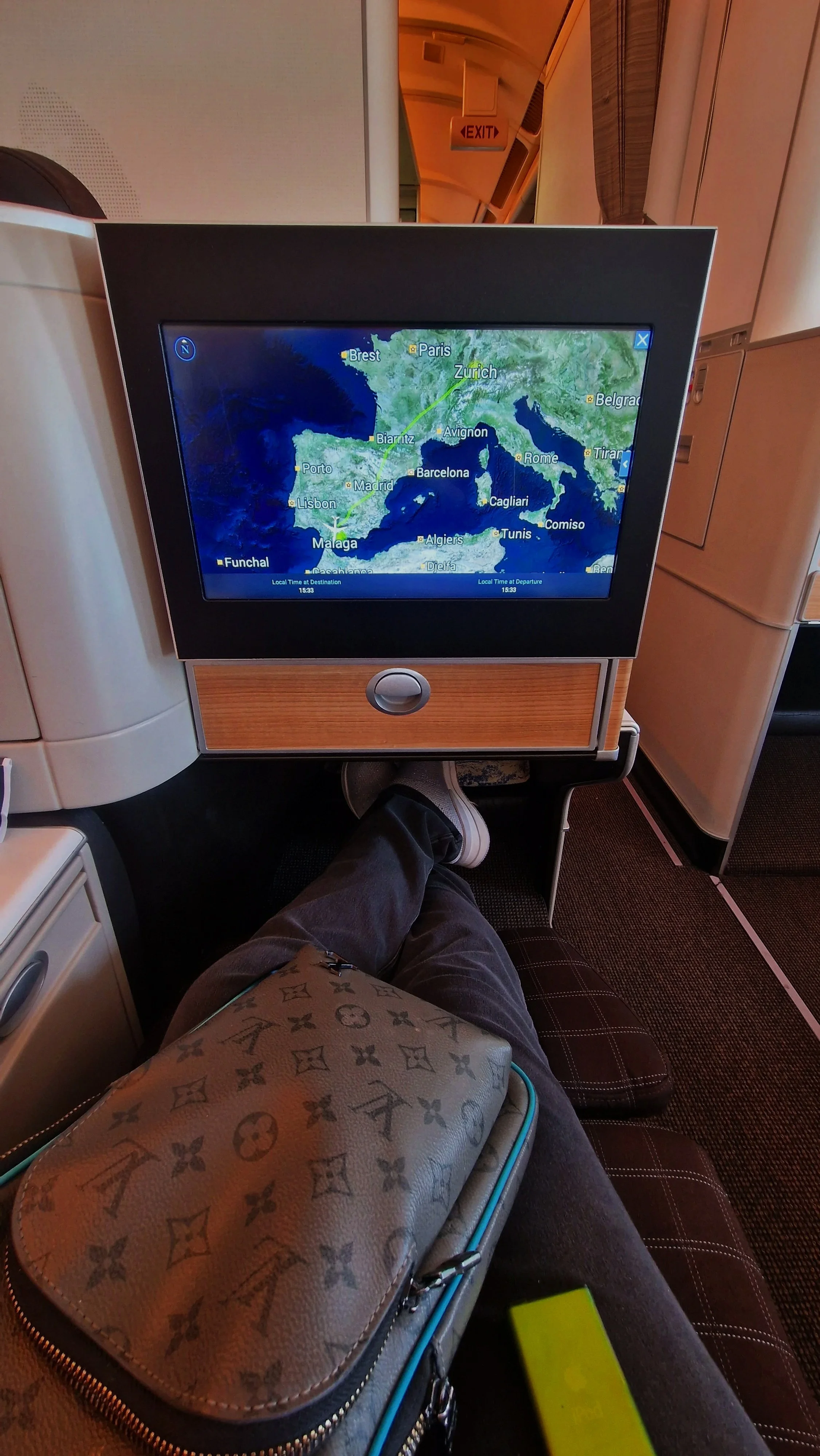
This isn’t terrible…
Somewhere in the arithmetic of all that, I had become a person to whom someone brought Swiss cheese and chocolate in a ceramic dish. I was flying toward the country that had sent ships to my ancestors' islands with the specific intention of unmaking them. All of these versions of me folded into one woman sipping sparkling wine at thirty-five thousand feet, headed toward the very empire that helped shape, and scar, the people I come from.
Life has a way of arranging its own ironies. You need only pay attention.
The Weight a Name Can Carry
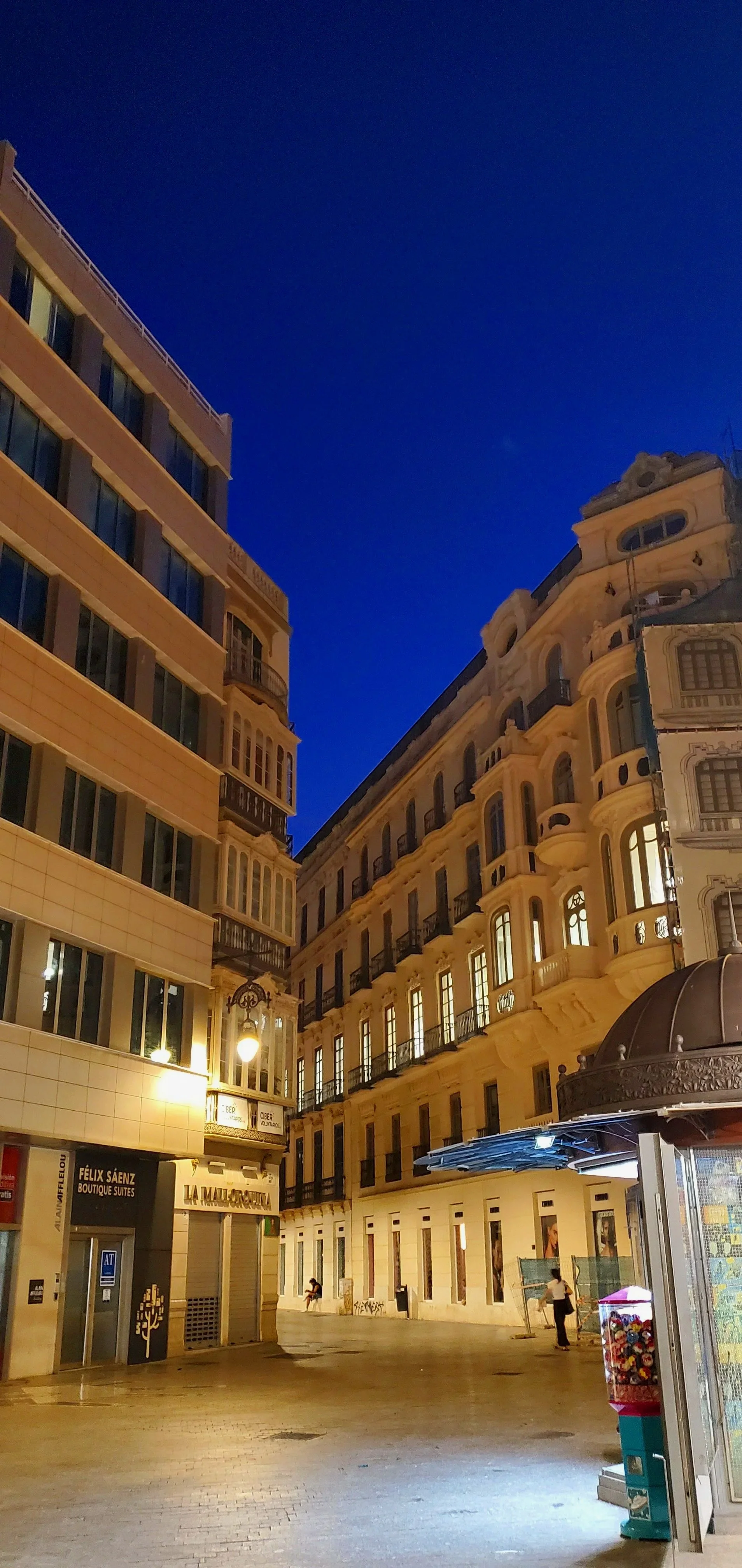
Málaga's Old Town
Let me tell you what I carry, so you understand why Málaga was never going to be a simple holiday.
I am Chamorro. My people are Indigenous to the Mariana Islands, an archipelago of limestone and volcanic rock suspended in the western Pacific, where the ocean runs so deep in the nearby trench that if you dropped Everest into it, the peak would not break the surface. For nearly four hundred years, those islands were colonized and terrorized by Spain. Never in the gentle sense of belonging, but in the way a wound belongs to the blade. When Magellan arrived in 1521, our population numbered in the hundreds of thousands. By 1820, around a thousand of us Indigenous Chamorros remained. Diseases from Europe did much of the killing. War did the rest. What survived the bodies, the colonizers came for next: our beliefs, our matriarchy, our language. You can also read my post about Chief Hurao’s speech here.

Chief Hurao | A painting I completed while we were in Los Angeles
Roman Catholicism was pressed into us like a brand. The Chamorro tongue, an Austronesian language with no close relative on this earth, a language in which the same word holds both the ocean and the act of returning home, was slowly strangled until fewer than fifty thousand of us speak it today. Our mitochondrial DNA is unique to our islands and a civilization dating back as far as 5000-3000 BCE, but you’ll often find people with Polynesian tattoos that don’t belong to them (Faux-cific Islanders?) trying edge out actual Pacific Islanders, trying to cosplay us or rewrite us out of our own history. I wrote a book about this, Everyday Chamorro, a language course to help keep our endangered words alive for the generations still to come. Every phrase in it is a small act of defiance against erasure.
So when I walk through Spain, I am not only a tourist. I am a descendant of forced marriages, sexual assault, and genocide standing at the source. I am the afterlife of empire, wearing sandals and carrying a digital camera.
Arrivals and Small Indignities
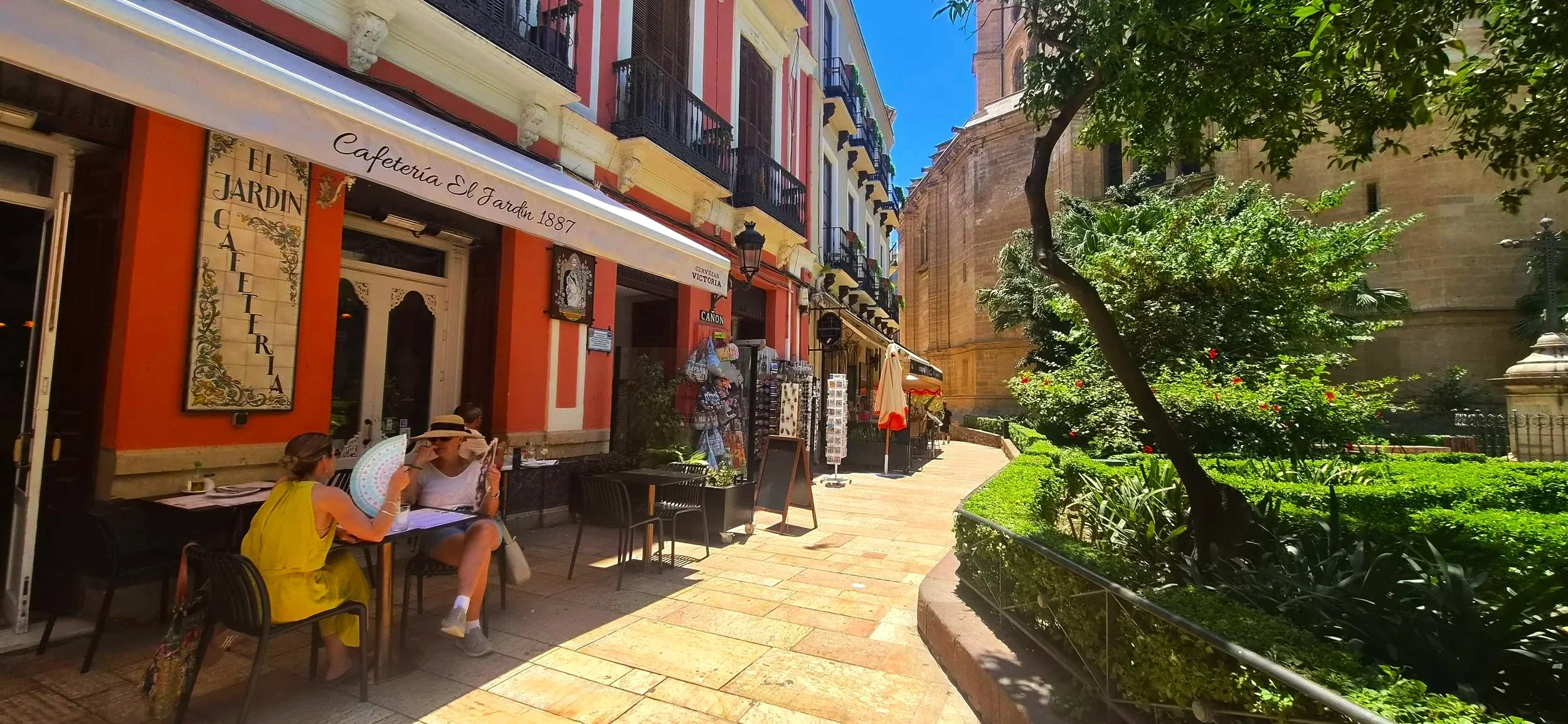
Restaurante El Jardín 1887
We stayed at the NH Málaga, and the staff there taught me something about the long tail of history. Some greeted us with a warmth so genuine it disarmed me completely, the kind of hospitality that makes a stranger feel briefly, beautifully at home (F&B staff, by the way). Others carried something else entirely. A residue. A faint colonial hubris in the set of a jaw or the coolness of a glance, as though certain guests were owed less than others (a few people at the front desk). You learn to spot and analyze these things quickly when your ancestors were on the receiving end of them.
The lesson sharpened at a Carrefour, where a cashier threw my receipt and pen down at me with an anger I could not name or explain. I had done nothing but exist in her line. And here is the detail that still turns in my mind like a key: throughout Málaga, I received warmer, kinder service when I spoke English than when I spoke Spanish. Speak a different colonizer's tongue, English in this case, and be treated as an equal. Speak Spanish and something stops and doors close. There is a whole history compressed into that small, strange arithmetic; and it lodged somewhere behind my ribs and stayed there.
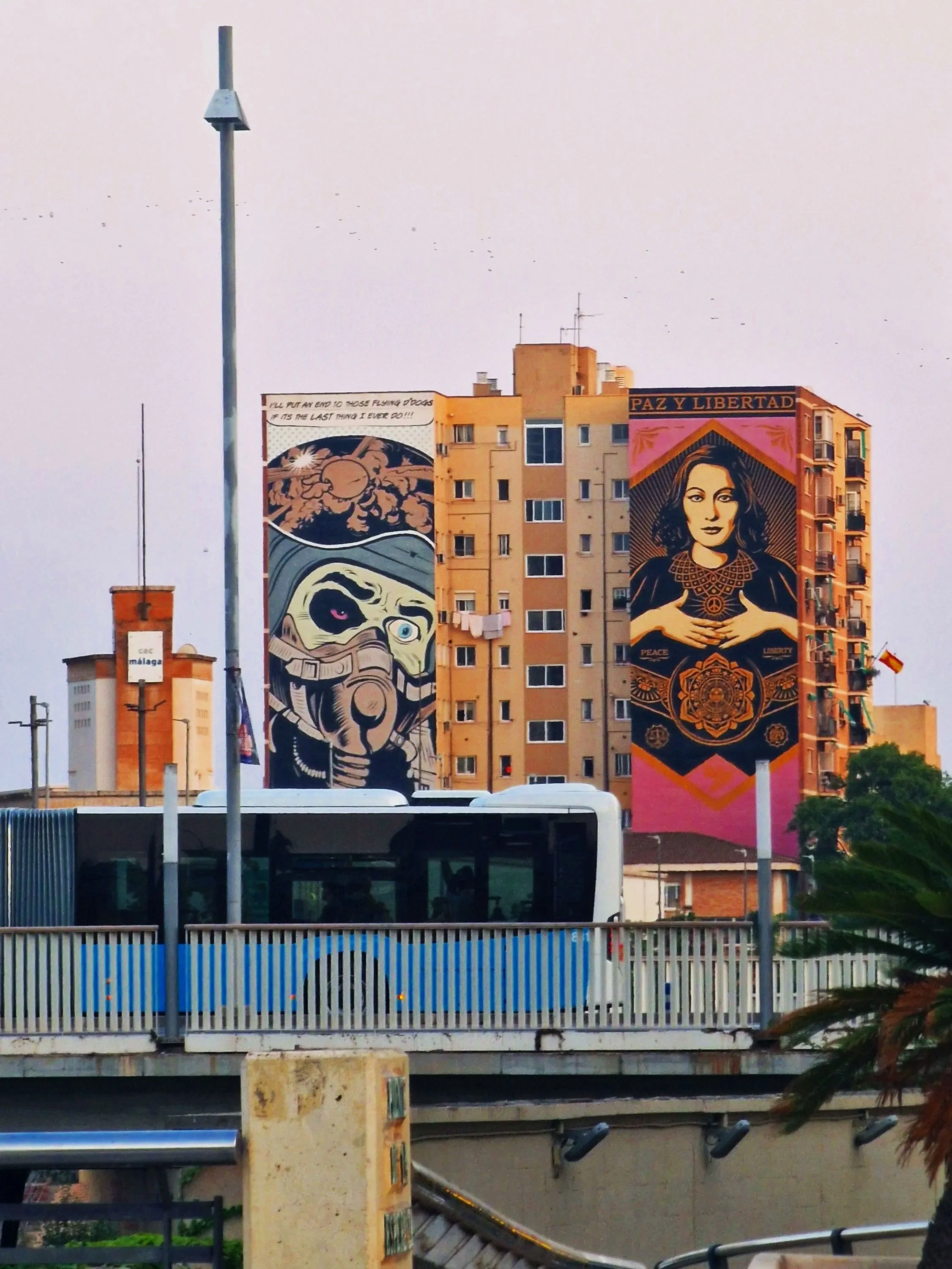
Paz y Libertad | in the Soho Art District
At the rooftop pool of the NH Málaga, the sun soaked everything in a golden haze, but the stares from the English tourists were cold, probing. Their gazes lingered, dissecting us as though we didn’t belong, as though our presence disrupted the postcard version of their holiday. We weren’t the fellow travelers they had envisioned, not the quiet sunbathers or the casual visitors they could nod to in passing. And yet, we looked far closer to the region than they ever would, our skin speaking a language that theirs never could without SPF 500000. Iselda and I had just settled onto two loungers at the far end when I became aware of it—not a sound, but an absence of one. The low murmur of the English group nearest to us had gone quiet. I did not look up immediately. I adjusted my bag, found my sunglasses and notebook, took my time.
When I did look, a woman was watching us with the frank, unguarded attention of someone who has decided she is invisible behind her sunhat. Her husband or partner lay beside her with a paperback tented on his chest, eyes open, aimed in our direction. The irony hung heavy in the air, unnoticed or ignored by them, but resting impossibly loud in our minds—a silent reminder that belonging isn’t always about where you are, but who is willing to see you as a human being deserving of dignity, space to breathe, and respect.
Old Town, and the Search for a Good Meal
In the evenings, Iselda and I followed the old town wherever it wanted to take us—down streets so narrow you could almost touch both walls with your arms spread, past doorways leaking guitar music and the smell of something frying in good oil, the last daylight sitting high and golden on the upper stories long after the street level had gone cool and blue. Our first tapas at Bodegas Quitapenas were the kind of meal you eat while waiting for the real one: competent, unmemorable, gone.
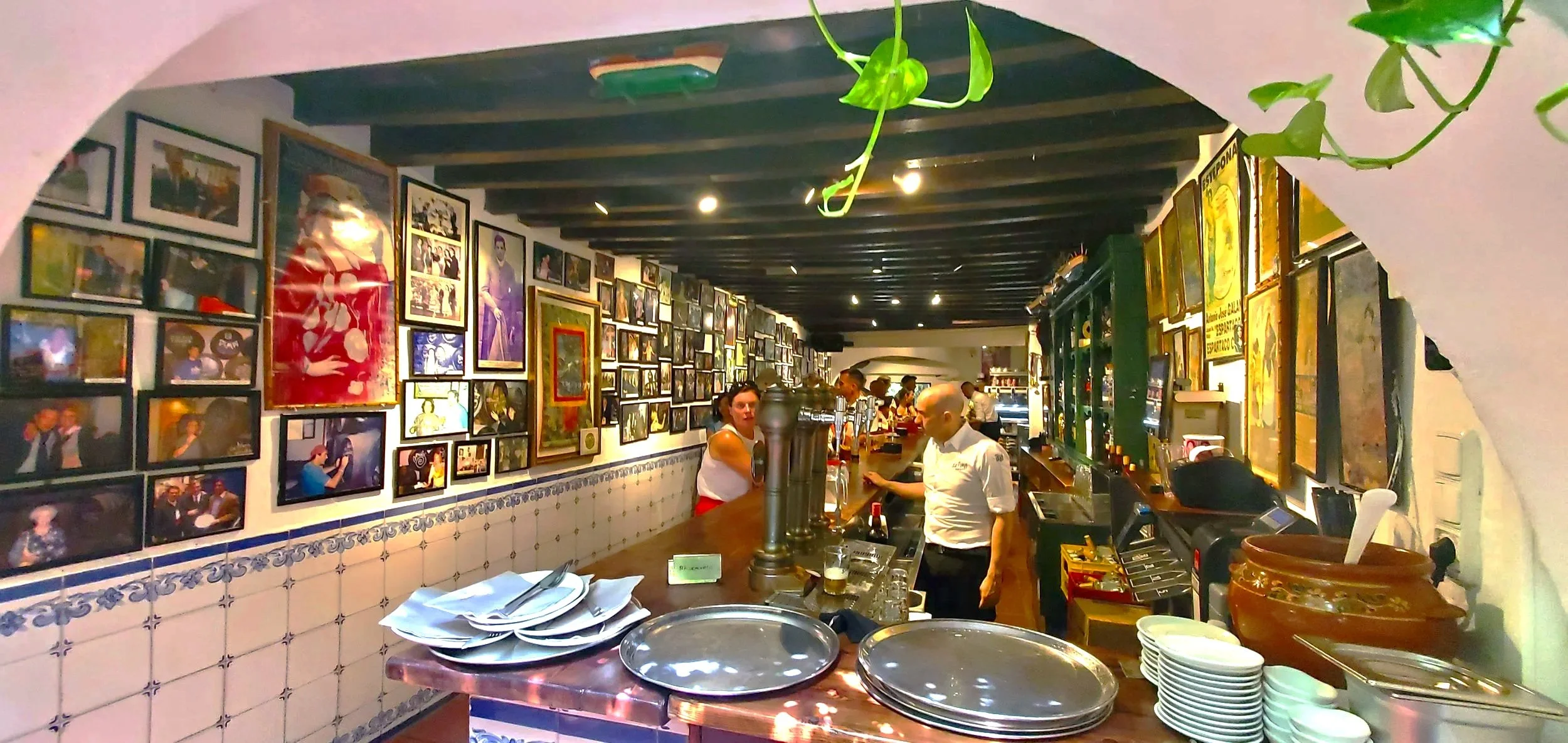
Bodega Bar El Pimpi
We found La Mundial Tapas Bar eventually, almost by accident, and it was exactly what the evening needed. Unhurried. Generous. A plate of something braised that tasted like it had been thought about on a beautiful afternoon. Iselda ate without looking up, which is the highest compliment she gives. Sometimes a good meal is simply a good meal, and sometimes it is a small mercy after a long day of feeling like a question mark in someone else's country.
El Pimpi Bodega Bar the next day was another story. Chaotic, crowded, thrumming with noise and the clatter of a hundred overlapping conversations, its walls hung with wine barrels signed by visiting celebrities and bullfighters, its food landing somewhere between memorable and forgettable. As I settled the bill, our waiter materialized beside me—close, closer than the space required, his crotch angled toward my shoulder in the particular way of a man who has decided proximity is a compliment. I could smell his cologne. Cedar and something sweeter underneath leaned toward me in a way I did not invite, his body continued pressing into my arm, suggestive and unwelcome.
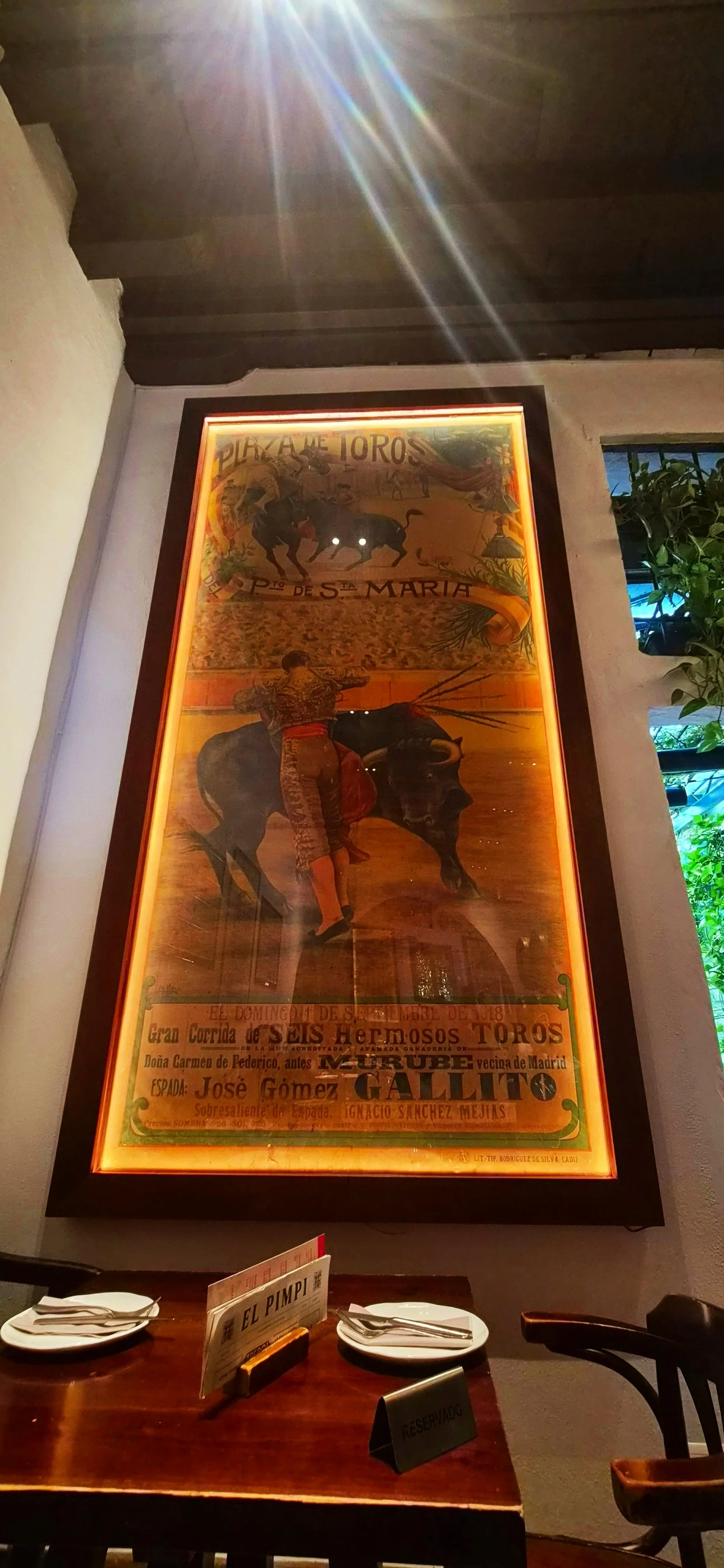
Bodega Bar El Pimpi
I glanced up from the sharp crease of his trousers to his face—he really could have been a model, chiseled and magnetic, probably in his early 30s—and caught myself thinking, "Was this even necessary? He could read a phone book from 1987 aloud and I’d still be riveted." But then, this? This was just overkill. The lean. The graze. The performance of it.
I have spent a lifetime learning the difference between a stranger's warmth and a stranger's entitlement. I know it the moment it arrives and cringe accordingly. I paid, gathered Iselda with a look she already knew how to read, and we stepped back out into the warm Málaga afternoon and headed to the local park for birdwatching. The cobblestones gold under the bold sun, talking about the particular audacity of a man who assumes his face is a kind of permission and the level of hubris the colonial mindset brings regardless of aesthetics.
Where the Floor Became the Sky
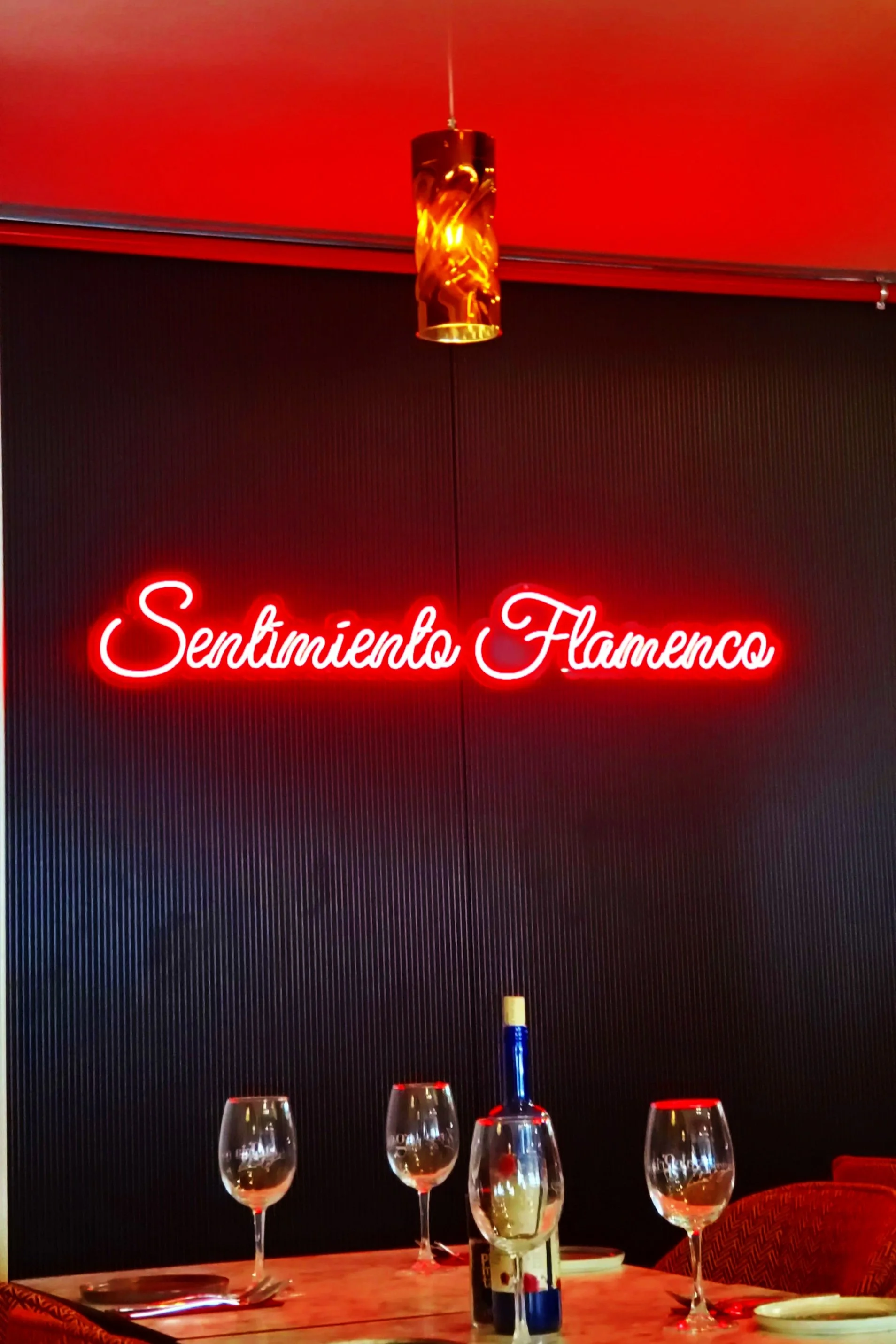
Alegría Flamenco y Gastronomía
Our finest night in Málaga belonged to Alegría Flamenco y Gastronomía. The room was heavy with a scent of flowers, ruby and amber-lit, the tables close enough together that you could hear your neighbors' wine being poured. The food was the kind that arrives looking simple and tastes like someone's grandmother made a decision about it decades ago and nobody has questioned it since. I ordered in English, as I had been doing. Our server—a woman with her hair pulled back severely and a very slight smile—stopped and looked at me the way you look at someone who has just told a small, unnecessary lie. "Come on," she said. "You speak Spanish?"
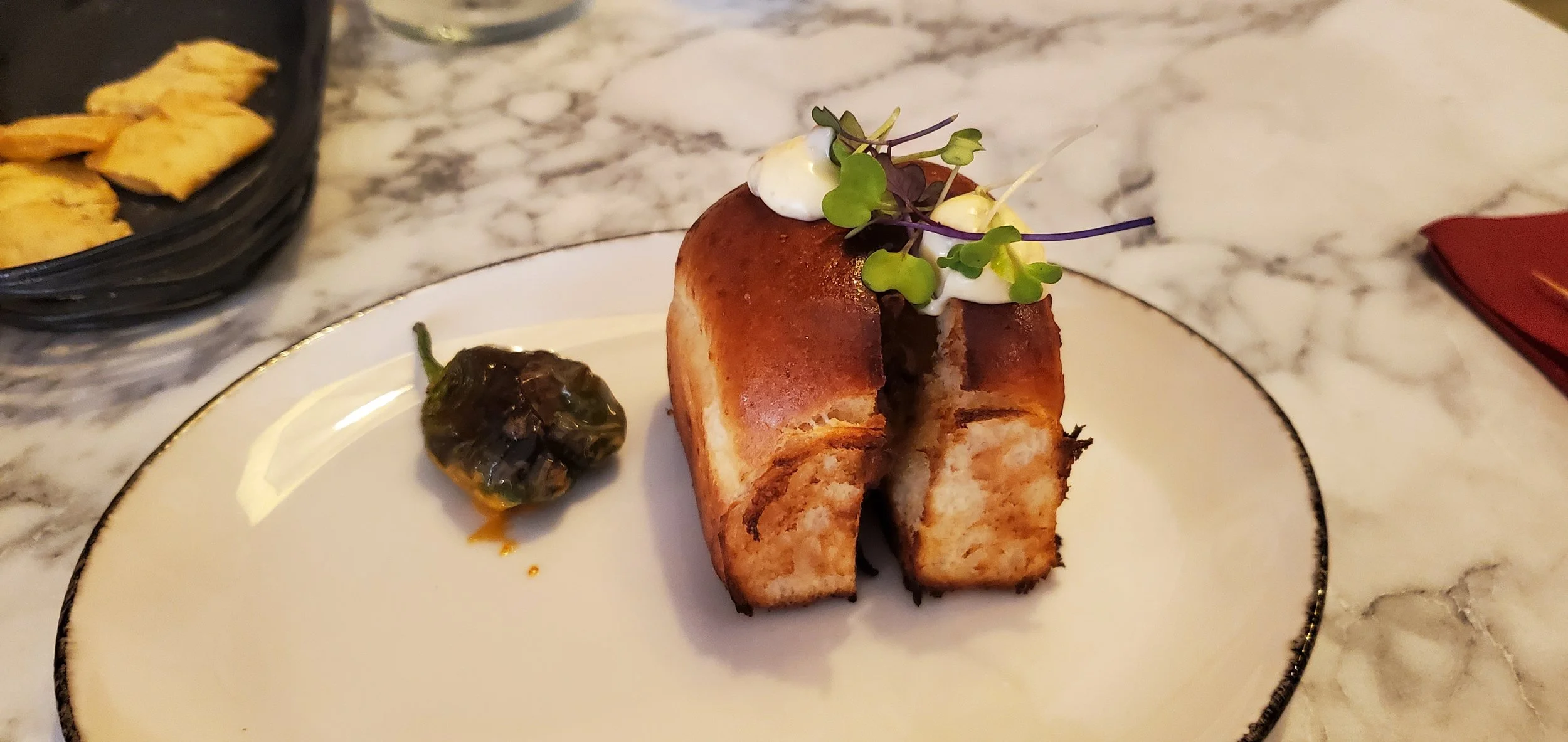
Alegría Flamenco y Gastronomía tapas were fire
It wasn't quite a question. I told her yes, and then I told her the rest of it—the receipt thrown at me, the way a different language bought me a different quality of human being. Something moved across her face. She said, in Spanish, that nobody here would treat us that way. She said it quietly, like a door held open.
She kept her word.
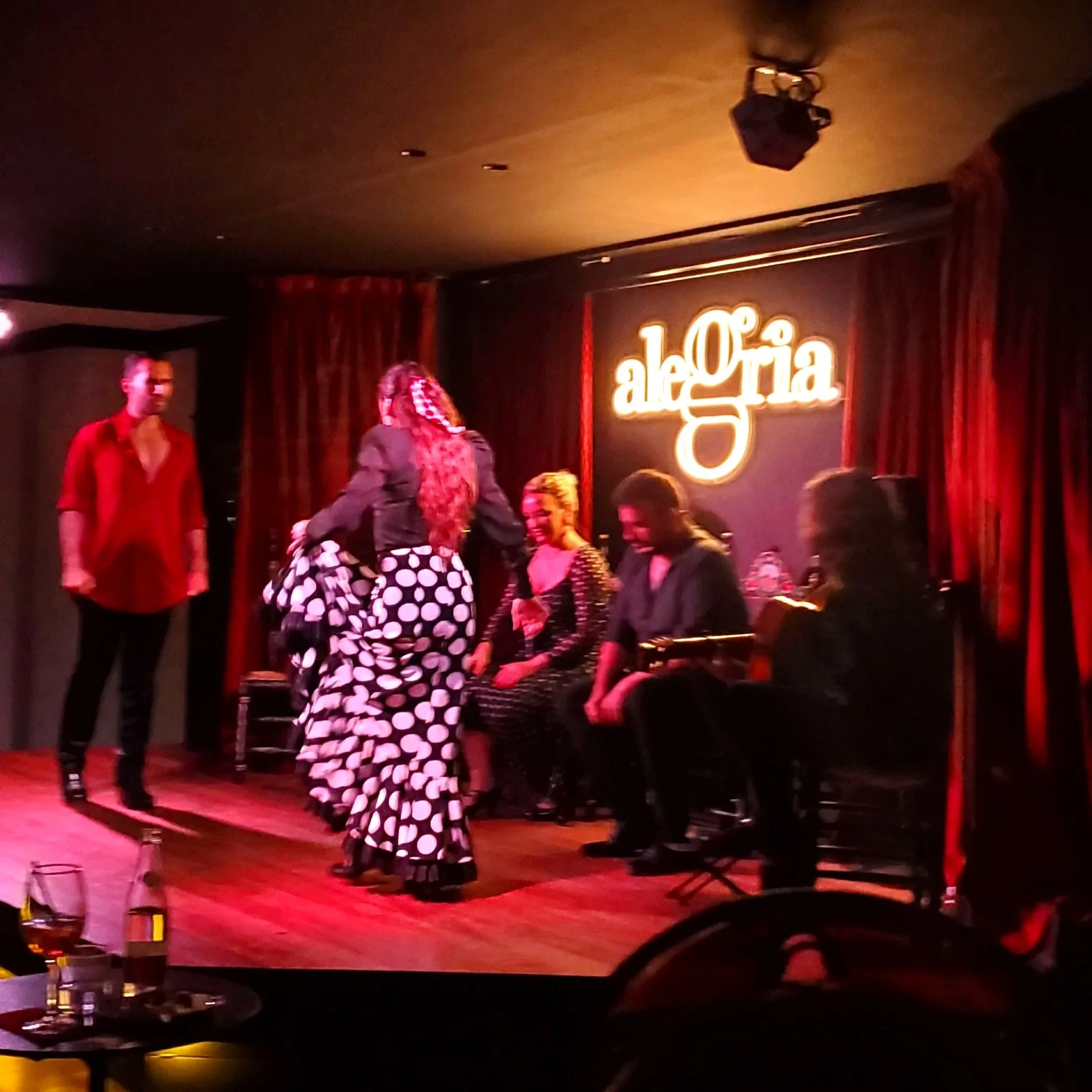
Alegría Flamenco y Gastronomía
Then the flamenco began, and the ordinary world dissolved. It was otherworldly, that dance, hypnotic and grief-soaked and gorgeous. One moment there was only the noise of the room, and then a woman was standing in the center of it in a dress the pattern of a deeply spiritual wound, and the room reorganized itself around her. Her feet found the floor with a precision that was almost violent—not anger exactly, but something that had been living next to suffering and longing for a very long time. The guitarist played with his whole upper body, leaning into the notes like he was trying to press them into the wood. The singer's voice cracked open something ancient and visceral in the room.
Iselda sat beside me with her hands in her lap and did not move, her face unguarded in a way I rarely get to see. Flamenco carries a particular grief—not decorative, not performed, but structural, load-bearing. We recognized it without needing to say so. It was a sorrow that felt strangely like home to me, the sound of a people who have loved and lost and endured. We both understood it in our bones.
The Origin Point
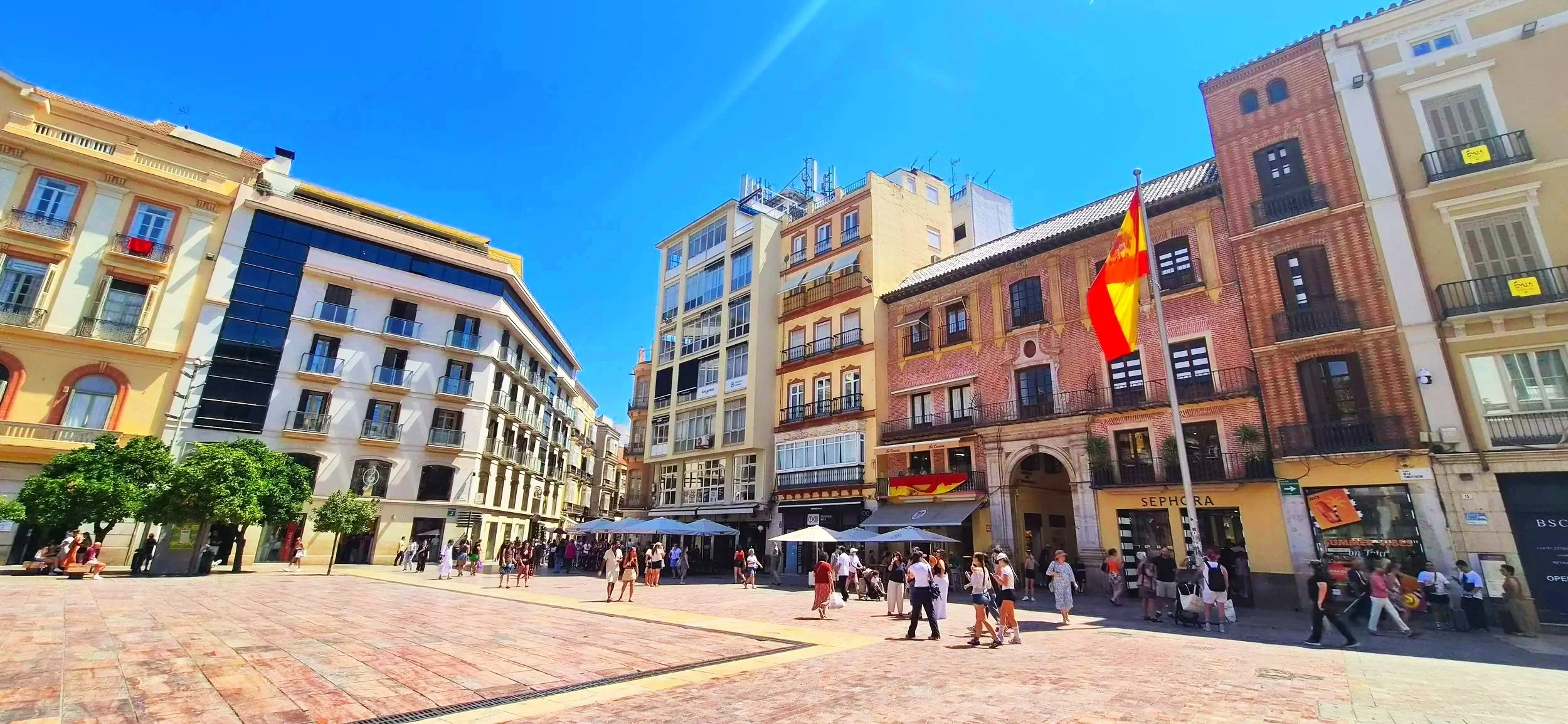
Plaza de la Constitución, Málaga
Here is what Iselda and I both felt, quietly, all week: Málaga was liminal. It was not nostalgia. Nostalgia requires a memory. This was something older and less voluntary. It hummed with a familiarity we could not shake, a threshold quality, a sense of standing between worlds. It wasn’t the unease of being foreign—we knew that feeling well enough—but something almost opposite. The city kept catching us off guard with its unintended reminders, the way a stranger's handwriting can look briefly like the script of someone you love.
It makes sense, when you say it plainly. We are Chamorro women, descendants of a Spanish colony. We have lived much of our lives in Arizona, Nevada, and California—states whose names are Spanish, whose old missions still bake in the heat with their bells and their brutal histories, whose roads run in grids first drawn by the same cartographers whose descendants were now selling us coffee. Spain did not feel foreign because Spain had never fully left us. It had simply traveled to us five centuries prior, arriving at our ancestors' shores centuries before we arrived at its airport. Everywhere we have called home has been touched by Spain's long reach. To stand in Andalusia was to stand at the wellspring.
I saw it in the surnames. Ulloa. Garrido. Sánchez. My mother's surname, Santos, has a rougher, stranger history that may need its own blog post for another day. Names I know from Chamorro faces, from island families, and here they were on shop signs and doorways in the very region they came from. Surnames of Chamorro aunts, uncles, neighbors, and cousins and the church rosters of island parishes and WWII casualties. To see them here, in the region they originated from, was to feel the full strange length of the rope that connects those two places, the one that pulled so hard and so long in one direction that an entire people were remade by the tension. This was the origin point of said tension, the place from which so much terror and so much cultural transformation had sailed out across the Pacific to reach my ancestors' shores. I stood in the streets of Málaga and felt the strange gravity of it, the sensation of touching the source of a river that had flooded my whole lineage against our will and took a photograph of one sign and did not caption it. Some things resist the sentence.
Casa de Socorro, and a Kindred Spirit
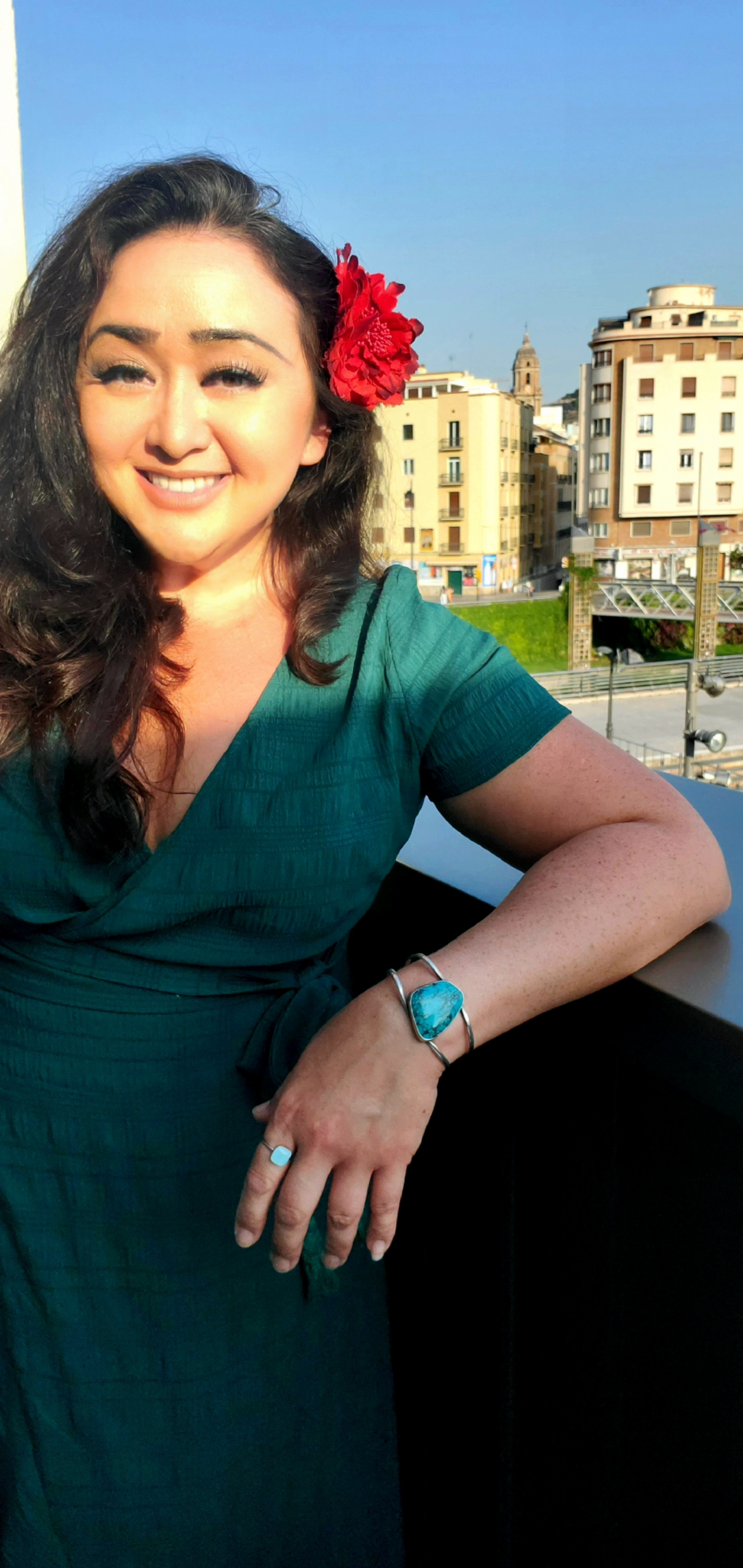
Buenas tardes, amigos…
Our reason for coming was my art show at Casa de Socorro, and it was there that Spain surprised me most.
I met an artist from Galicia, now living in Sevilla, and we fell into the kind of conversation that feels like recognition. I told her about Chamorro history, about the colonization, the genocide, the near-death of our language. She did not flinch. She did not look away or offer the defensive reflexes I had braced myself for. I watched her the way you watch someone when the truth you are telling them is also a test. She did not shift in her chair. She did not reach for softening language. She asked me, at one point, how many speakers were left. As a Spaniard, she received the truth with grace, with curiosity, with an open heart. She listened. She learned.
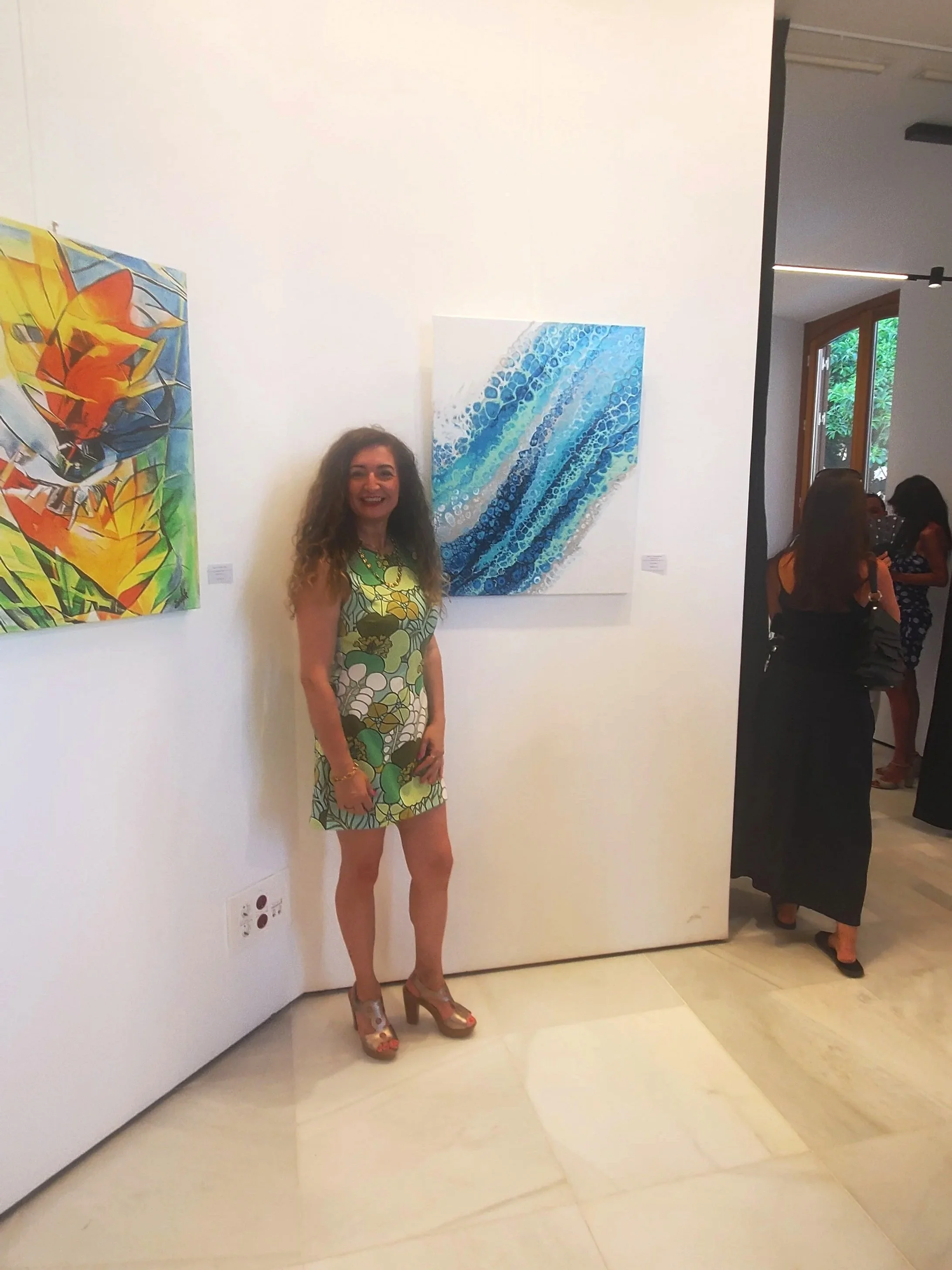
A new friend and her art
She had been studying my painting, A Chamorrita in Milan, and she called it needed. She said, “This is you! You are beautiful.” I smiled, thanked her, and returned the kind compliment. She pulled out her phone and showed me photographs of her own canvases without explaining them, just handing them to me, which is what you do when you trust someone to look and for the art to be absorbed and seen. The gallery hummed around us, the long wreckage of five centuries between us, finding in that sunlit room something that did not yet have a name but felt, unmistakably, like the beginning of one. Sharing our own strange creative worlds, artist to artist, woman to woman, two people meeting across the waves of history and finding something tender there. In that gallery, empire's afterlife softened into something human.
Departures, and What I Carried Home
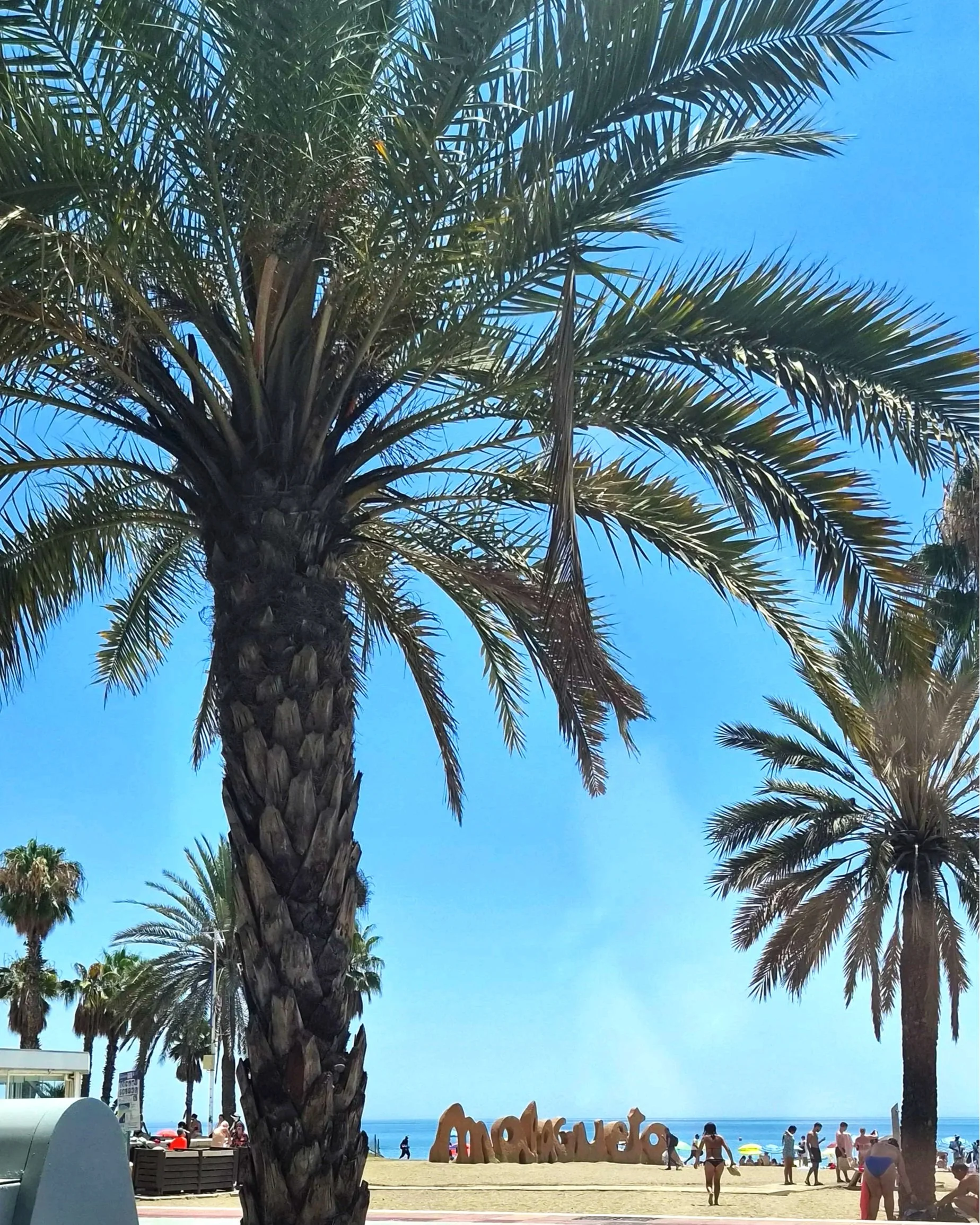
Playa la Malagueta
We left Málaga carrying a different weight than the one we’d arrived with—not lighter, exactly, but redistributed. The resentment was still there, a familiar souvenir, but its edges had been worn smoother against the cobblestone streets and the faces of strangers. I know our history: the forced conversions, the blood shed on Latte stone foundations, the systematic unraveling of our language. None of that unlearned itself. But to stand before the arched doorways and tiled patios from which those colonial orders had once sailed—to see the scale of their origins—was to feel history become something tactile, something more complicated than a ledger of crimes. To understand the history of Spanish colonialism, the cruelty of it, the wounds still open in our community, is an odyssey. None of that dissolved. But to see the source with my own eyes was its own quiet education.
I had imagined a people certain of their superiority, a nation still puffed with the arrogance of conquest still preening in its imperial afterglow. Instead, I found something far more complicated. I found people who were anxious, uncertain, unsure of themselves in ways I had not expected. We walked through neighborhoods where laundry hung between balconies like faded flags, where old men argued gently over politics in plazas that smelled of fried fish and sangria. I met eyes that held not superiority, but a kind of weary inheritance—the look of people who know they live inside a story they did not personally write in this era.
Some clutched that story like a family crest gone tarnished; others offered small kindnesses—a gentleman who pointed me toward the best tapas and pickled olives, an artist who listened without looking away when I spoke of what was lost.
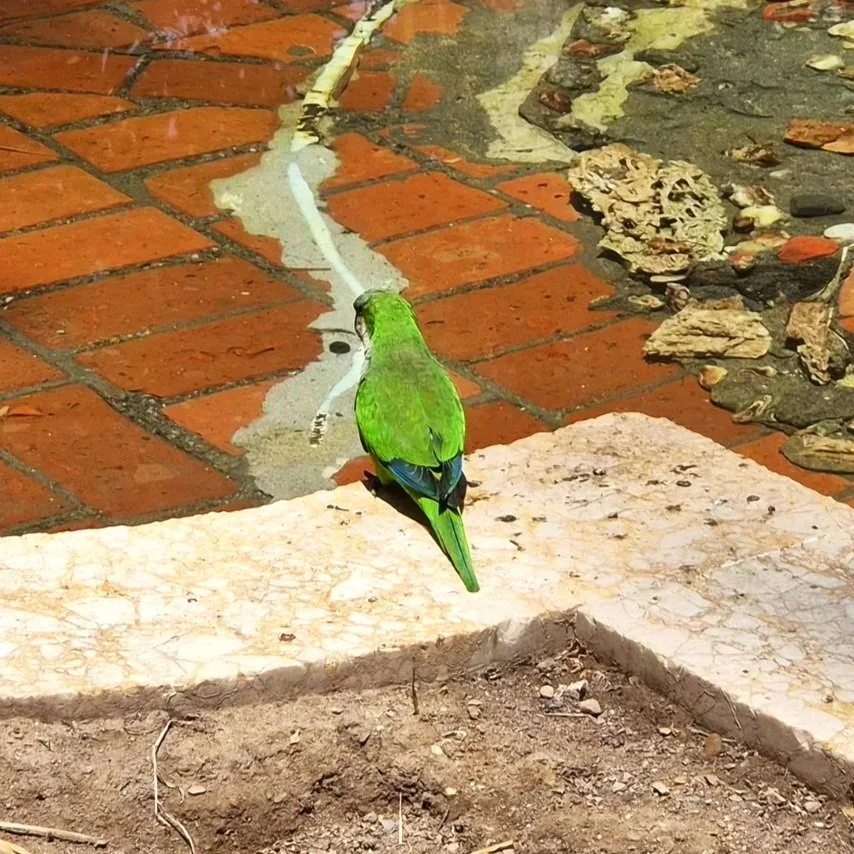
A monk parakeet in Parque de Málaga
Sure, there are those who carried the old hubris like an heirloom they did not know how to set down without initiating a full-blown identity crisis. And I found others, so many others, who were genuinely kind, curious, warm, and lovely, who wanted to know our story and honor it.
That is the afterlife of empire, I think. Not a clean reckoning, not a tidy villain, but a tangle of human beings living in the long shadow of what their ancestors did, most of them simply trying to be decent in a world they did not design themselves, carrying guilt and pride they cannot quite place or coherently explain. I walked away not with a harder heart but with a deeper understanding of human nature itself, that vast and contradictory thing. It was not exactly resolution, but a fuller palette of understanding. Human nature is not a verdict; it is a landscape.
We are all, in the end, standing in some liminal space between what was done and what we choose to do next. I flew home to Milan with Iselda carrying that understanding like a polished crystal in my pocket, worn soft by centuries, warm from the Andalusian sun.
Until the next arrival, and the next reluctant departure.