Kisses from Küsnacht

Wandering the shoreline of Lake Zürich, the shadow, and the self.
The train from Milan to Zürich begins its climb somewhere past Como, and the air changes. Not gradually, but all at once. The heavy, humid stillness of northern Italy gives way to something with edges, something that smells of pine and stone and the particular cleanliness of altitude. I pressed my forehead to the glass and watched the Alps assemble themselves on the horizon, layer upon layer of blue-grey, while directly across me Iselda dozed over the armrest, her feet stretched forward near mine, utterly unconcerned by the grandeur we were entering. She is fourteen. She has not yet learned to distrust peace.
I had not told her—I have not told anyone, not fully—that this trip was never really about Switzerland. It was about a version of stillness I could not find in Milan, a quiet I had been failing to manufacture in the apartment where the walls seemed to press closer each week, where the noise I carried with me had begun to feel like a second body, heavy and intractable and mine. I told Iselda we were going to see a house by a lake. I told myself we were going to breathe. Both things were true. Neither was sufficient.

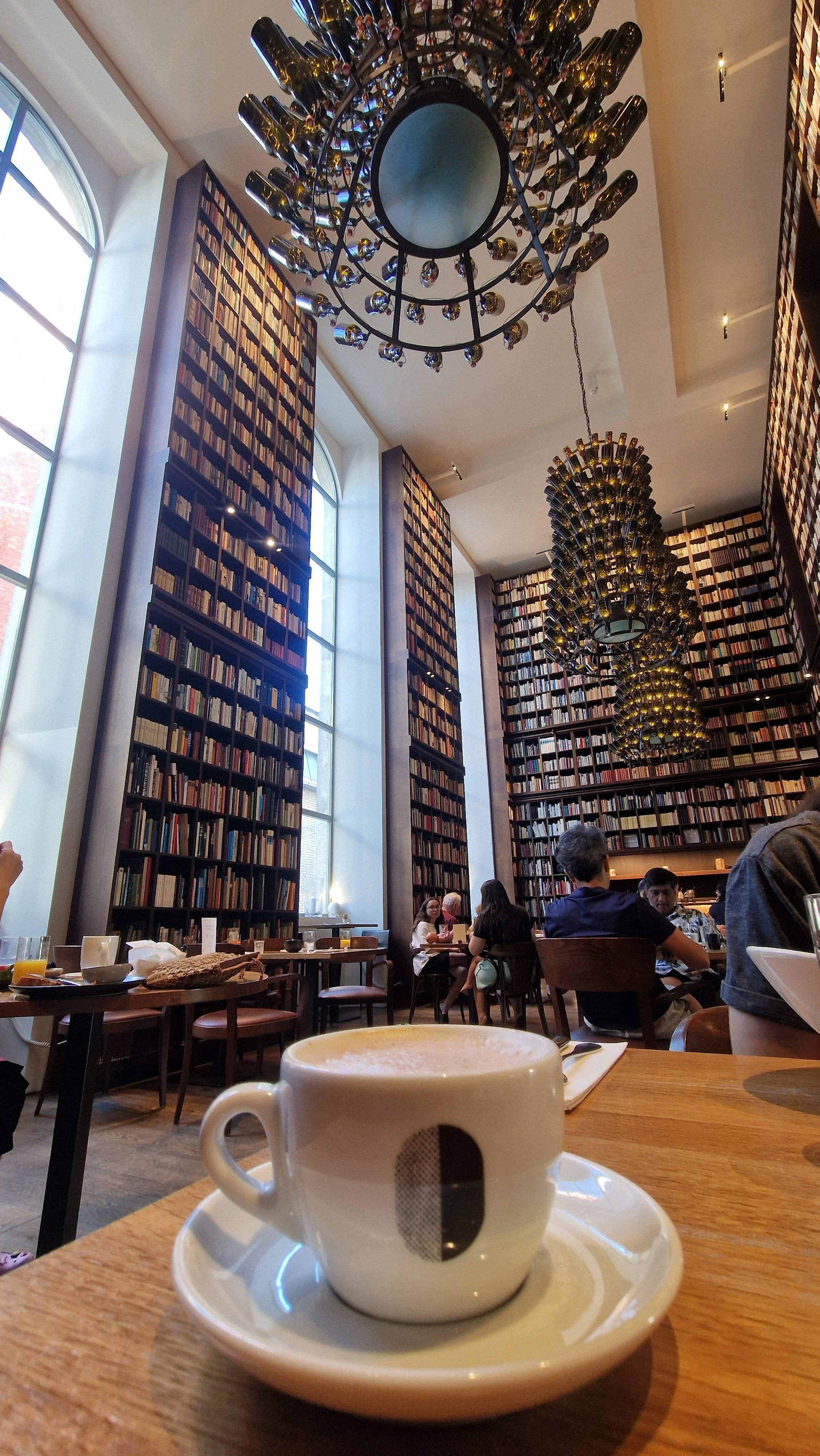
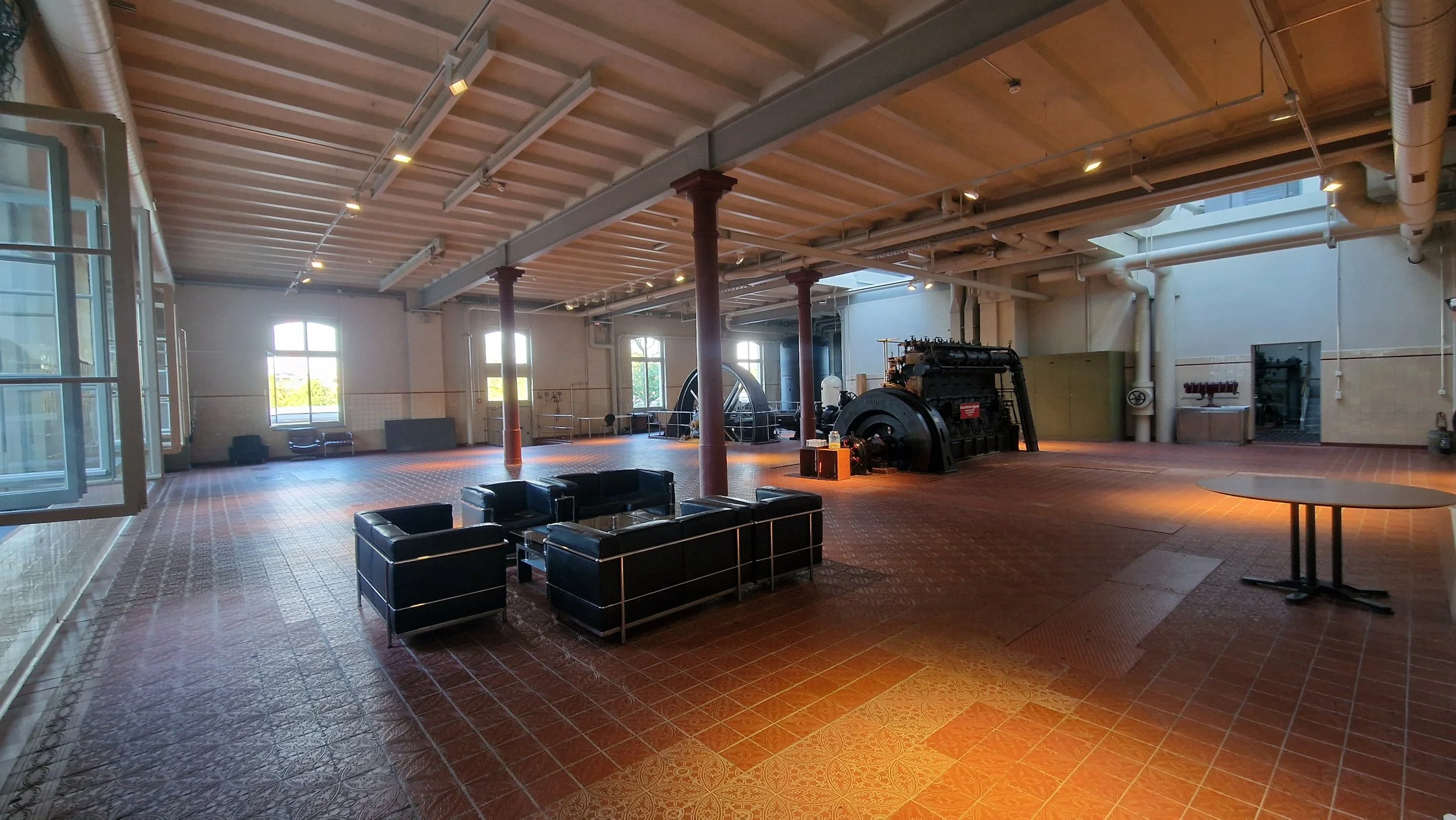
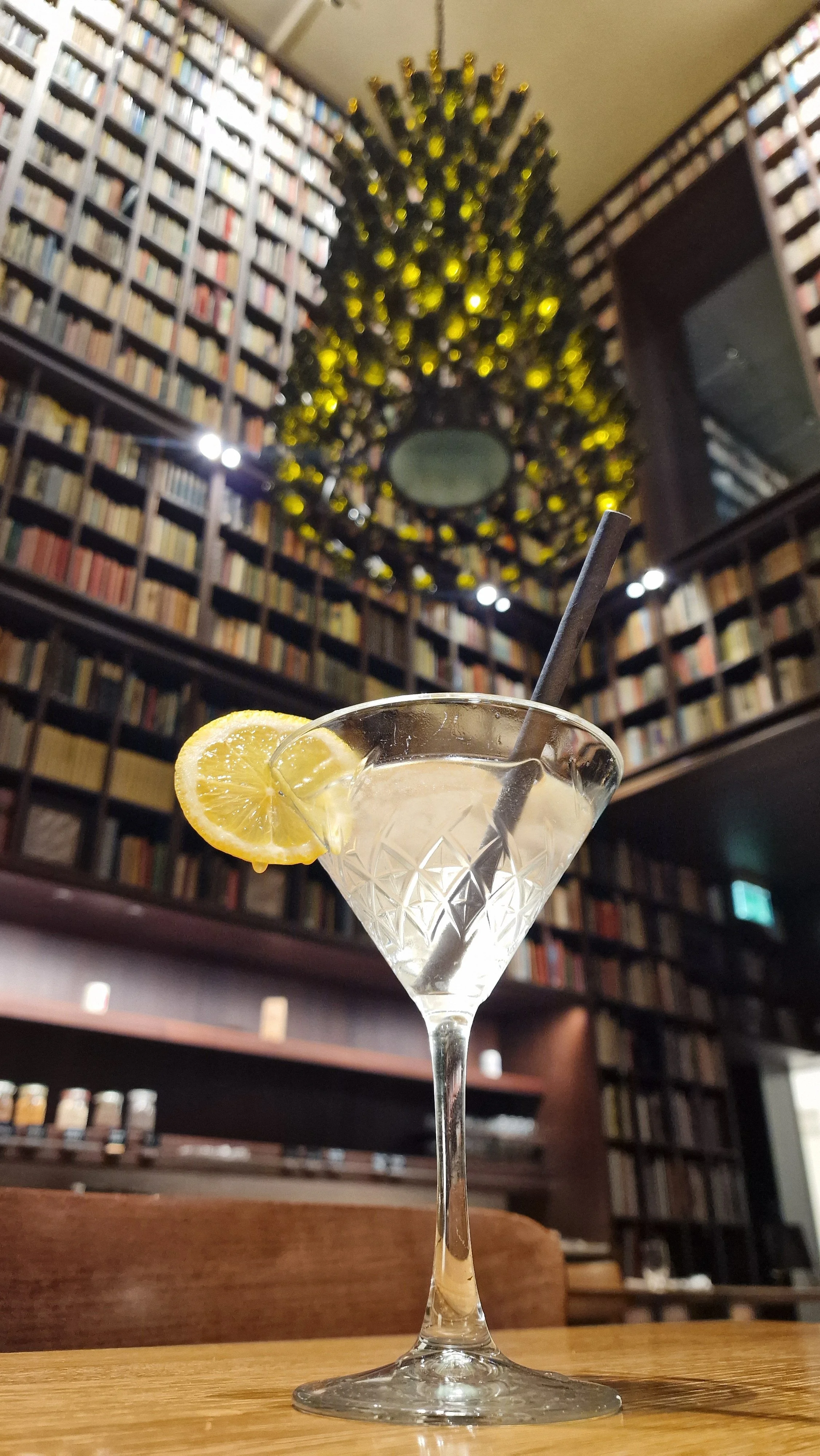
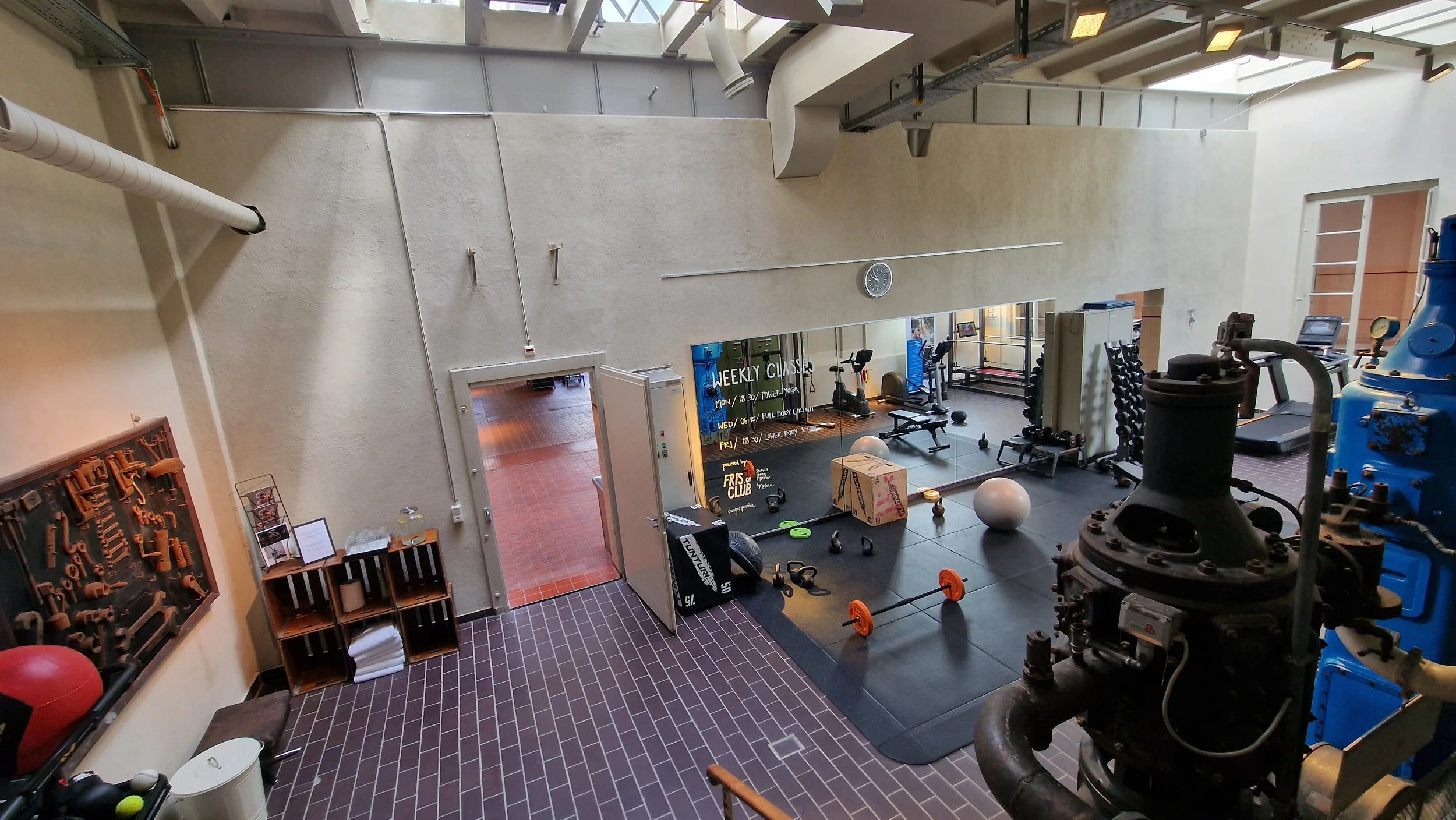
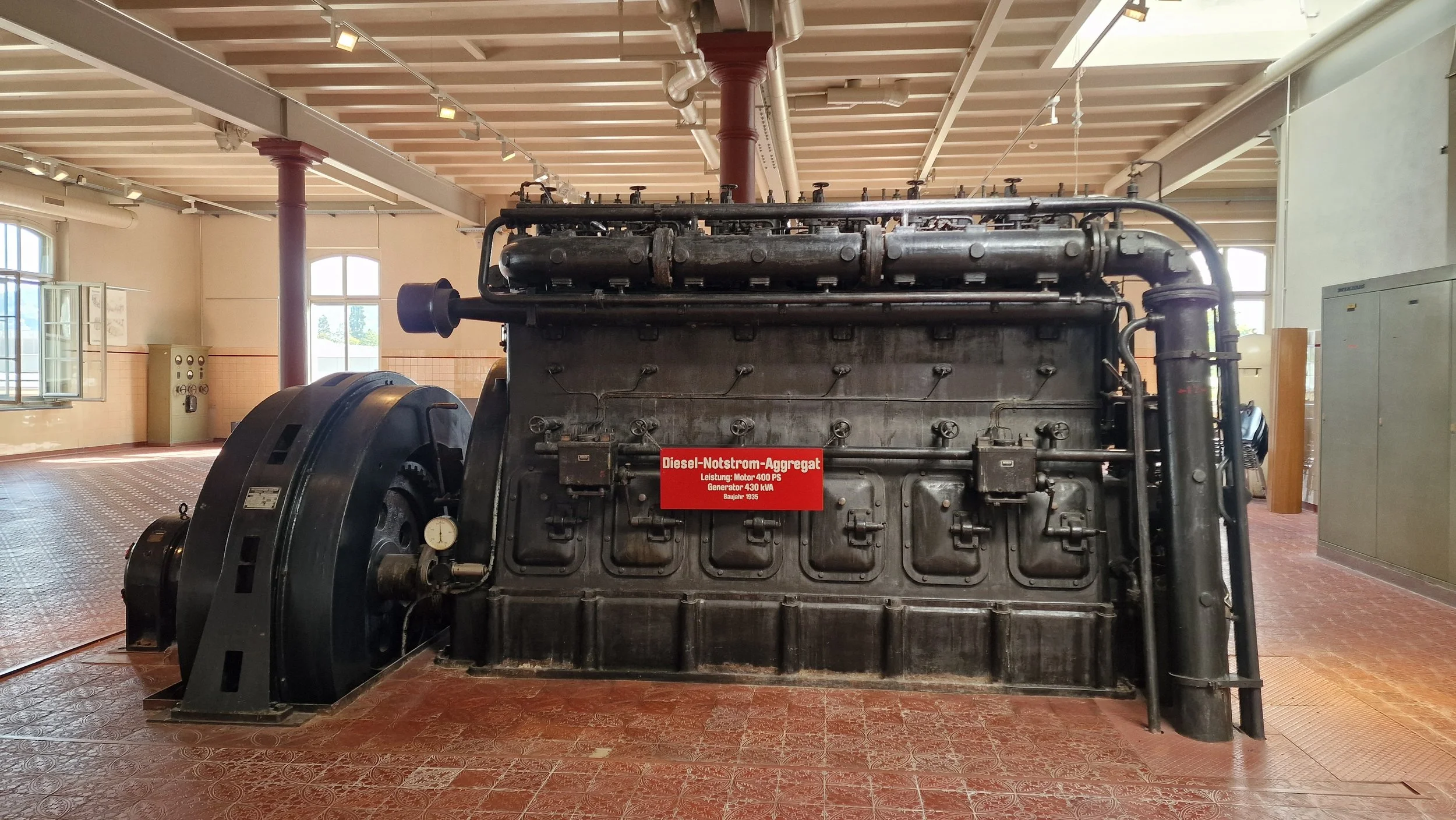
We dropped our bags at the B2 Hotel, a converted brewery in the Enge district with a wine library that spirals upward like a helix of bottles and a thermal bath in the basement that smells of minerals and old wood. Iselda ran her hand along the spines of the books while I stood in the center and tried to let my shoulders drop. The B2 feels like stepping into someone else’s beautiful dream; everything considered, nothing accidental, a kind of Swiss precision applied to comfort. We wandered the old town in the late light, the cobblestones catching the sun at angles that made the spires look gilded, the Limmat threading silver between the banks. Zürich runs like a well-wound clock. I found the rhythm soothing at first, but then I thought, How does a city this functional account for the mess inside a person? How do these clean streets hold the shadow I had brought with me?
Iselda bought a pastry from a bakery window and her face lit up at the sugar, at the ordinary loveliness of a Tuesday afternoon in a foreign city. I watched her and felt something loosen. Not enough. But something.
We had discussed the house in Küsnacht, but not really. I had said it was the home of a famous psychologist. I had not said that I needed his vocabulary because I had stalled trying to name the terrible thing that happens in the book I’m currently editing, “Koffee With Kafka,” has also happened in my own life. And who else better than C.G. Jung to walk one through the process of shadow work.
The taxi ride from the pier to Küsnacht takes fifteen minutes. The city thins, the lake widens, and the streets grow quieter in increments, as if someone is turning down a dial. By the time we reached Seestrasse, the silence had texture; water lapping stone, a bicycle bell two blocks away, the wind moving through trees that have stood long enough to witness generations of Swiss discretion. Jung’s house sits at the edge of the lake, a stone villa with green shutters and the settled dignity of a place that knows its own importance. I stood before it and felt the uneasy combination of the sacred and the exposed. This was a house built by a man who spent his life mapping the interior of others, who understood the architecture of the unconscious better than perhaps anyone before or since.
Carl Gustav Jung was a Swiss psychiatrist who broke from Freud in 1913 and spent the rest of his life charting what he called the collective unconscious, the shared reservoir of symbols, archetypes, and dreams that sits beneath the personal mind. He was a cartographer of the interior, a man who believed that the psyche was not merely a medical object but a living, mythic landscape. He built this house with his wife, Emma Rauschenbach, a woman of intelligence and patience, a scholar in her own right who provided the steady architecture against which his chaotic genius could lean. They raised children here. They entertained. They grew old in the rooms behind those green shutters.
But genius and domesticity are rarely clean neighbors.
Jung’s life contained the same darkness he spent his career illuminating. Sabina Spielrein arrived as a patient and became something else: a brilliant, damaged young woman whose entanglement with Jung blurred every ethical boundary the profession had attempted to draw. Their relationship was intellectual, erotic, and, by any modern standard, a profound violation. Later came Toni Wolff, the analyst who became his long-term mistress, a fixture in his household so established that Emma endured her presence beside her for years. The arithmetic is uncomfortable: three lives, one home, a man who understood the psyche intimately yet stumbled through his own longing, jealousy, and betrayal with what can only be described as a catastrophic blind spot.
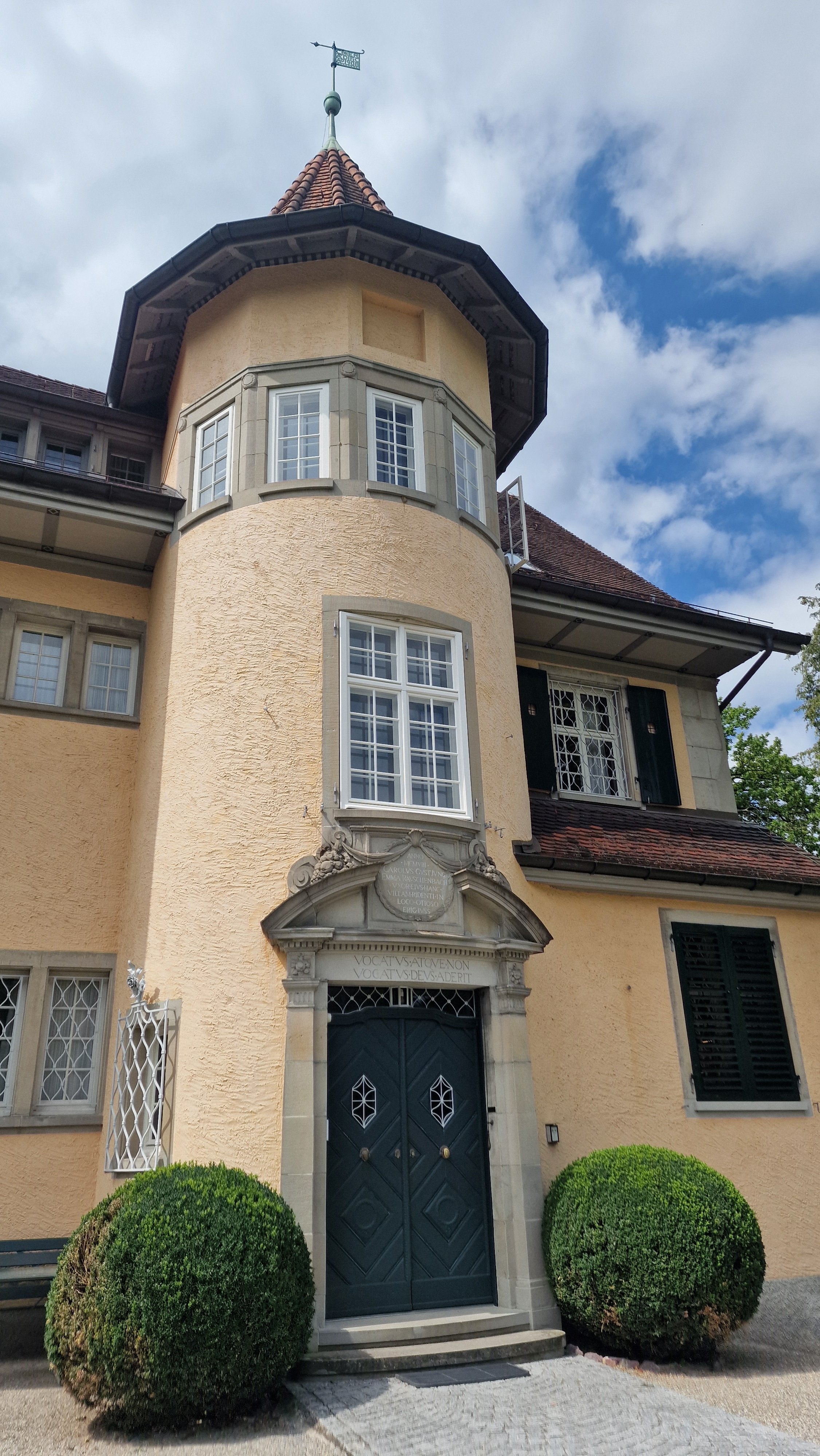
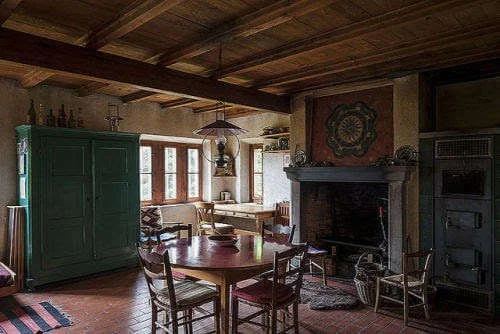
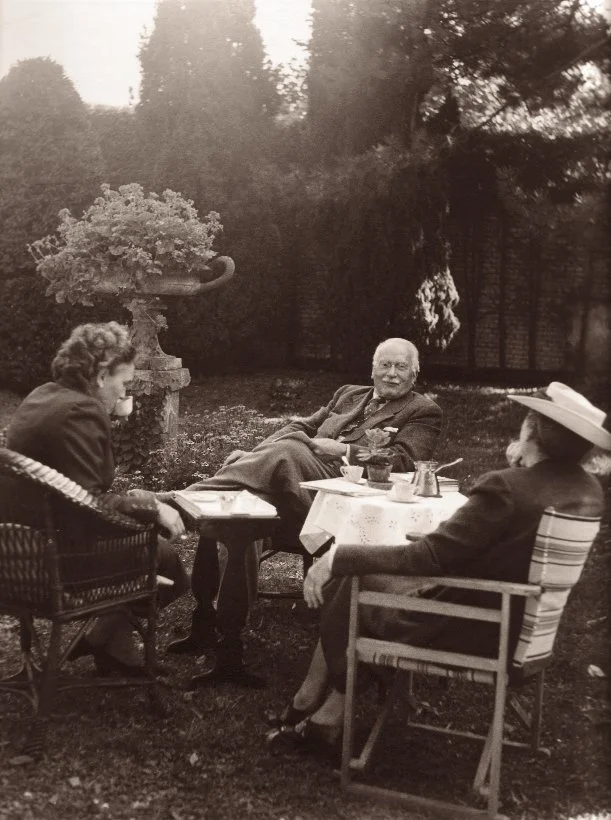
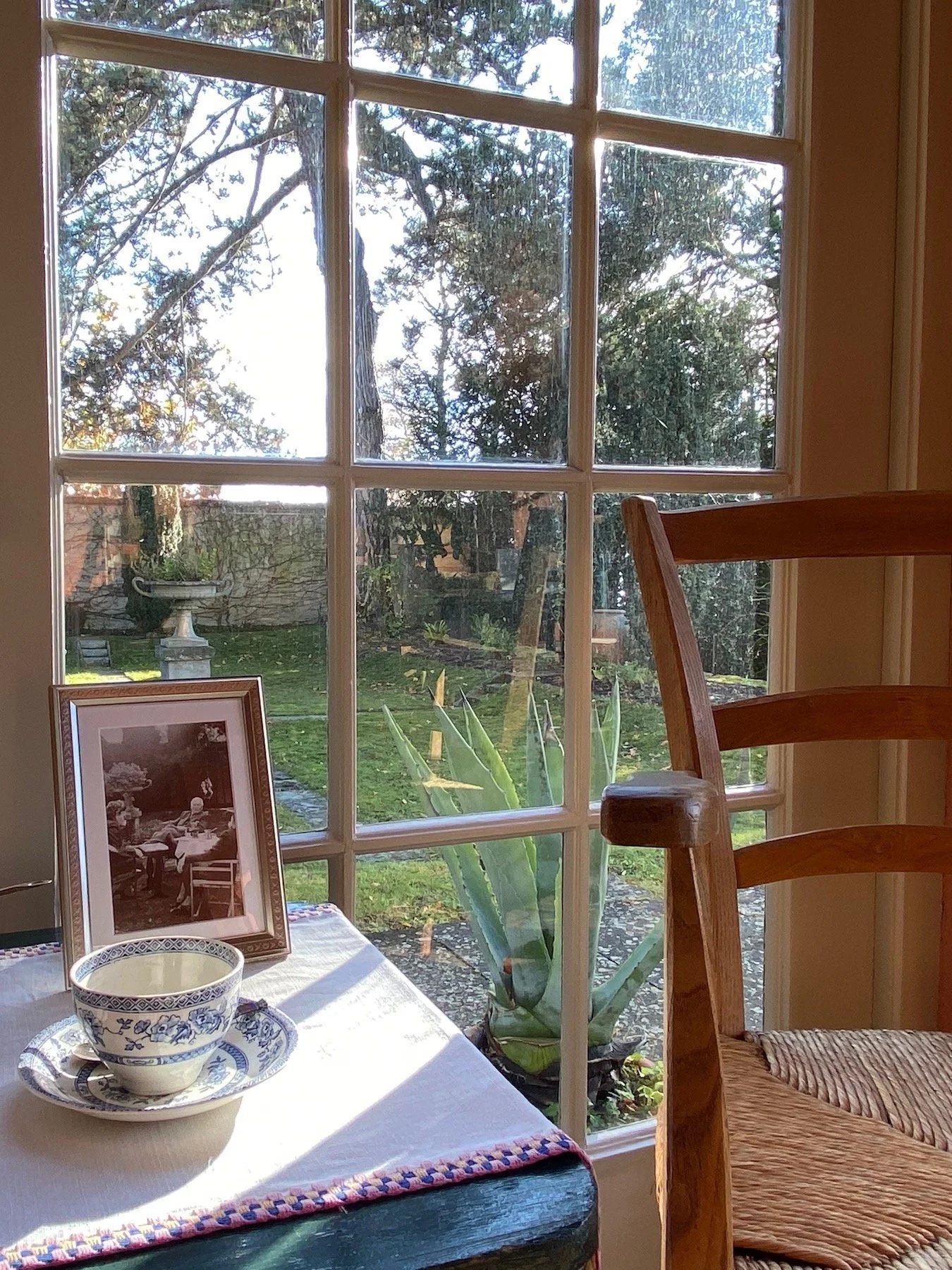
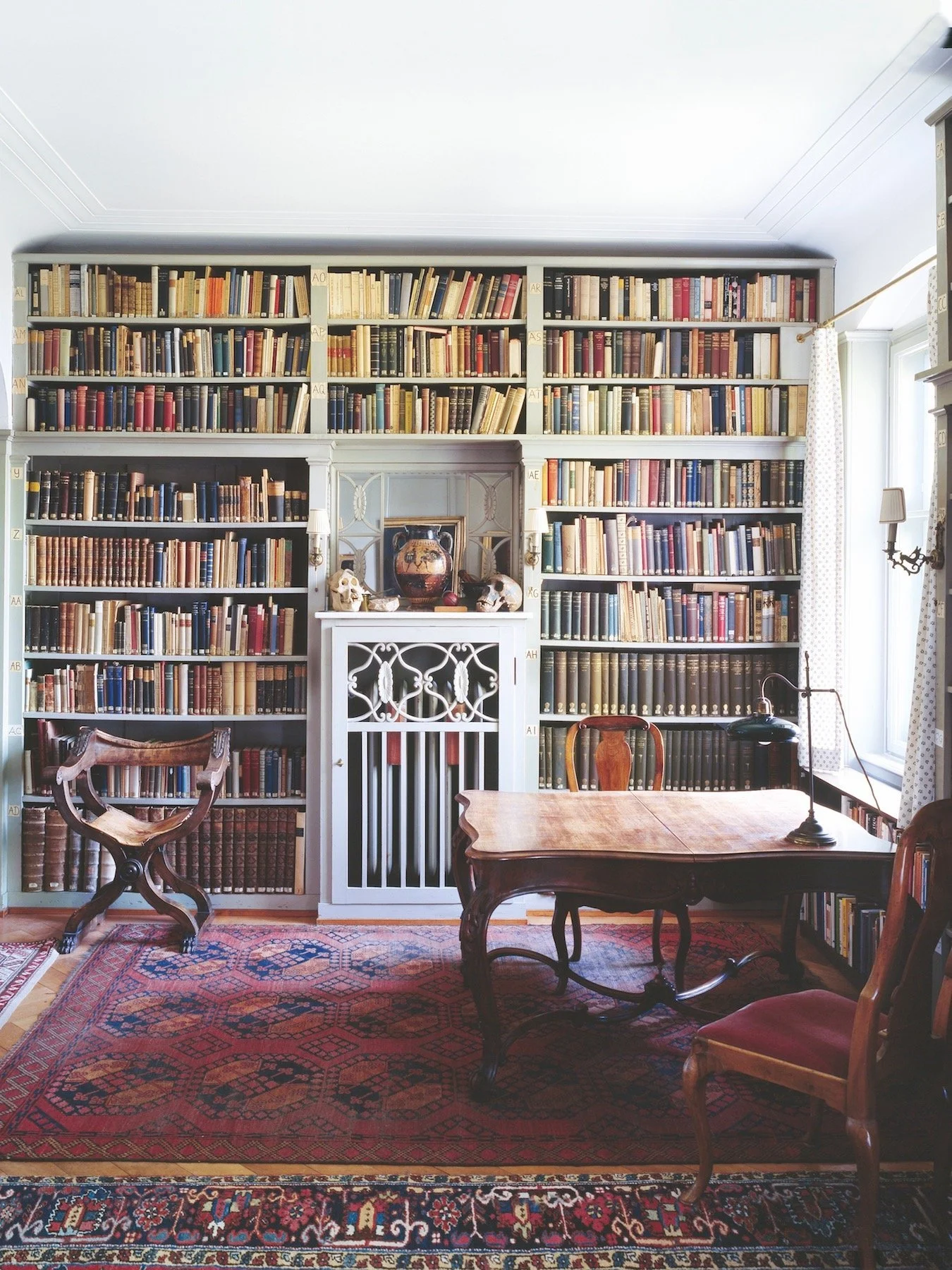
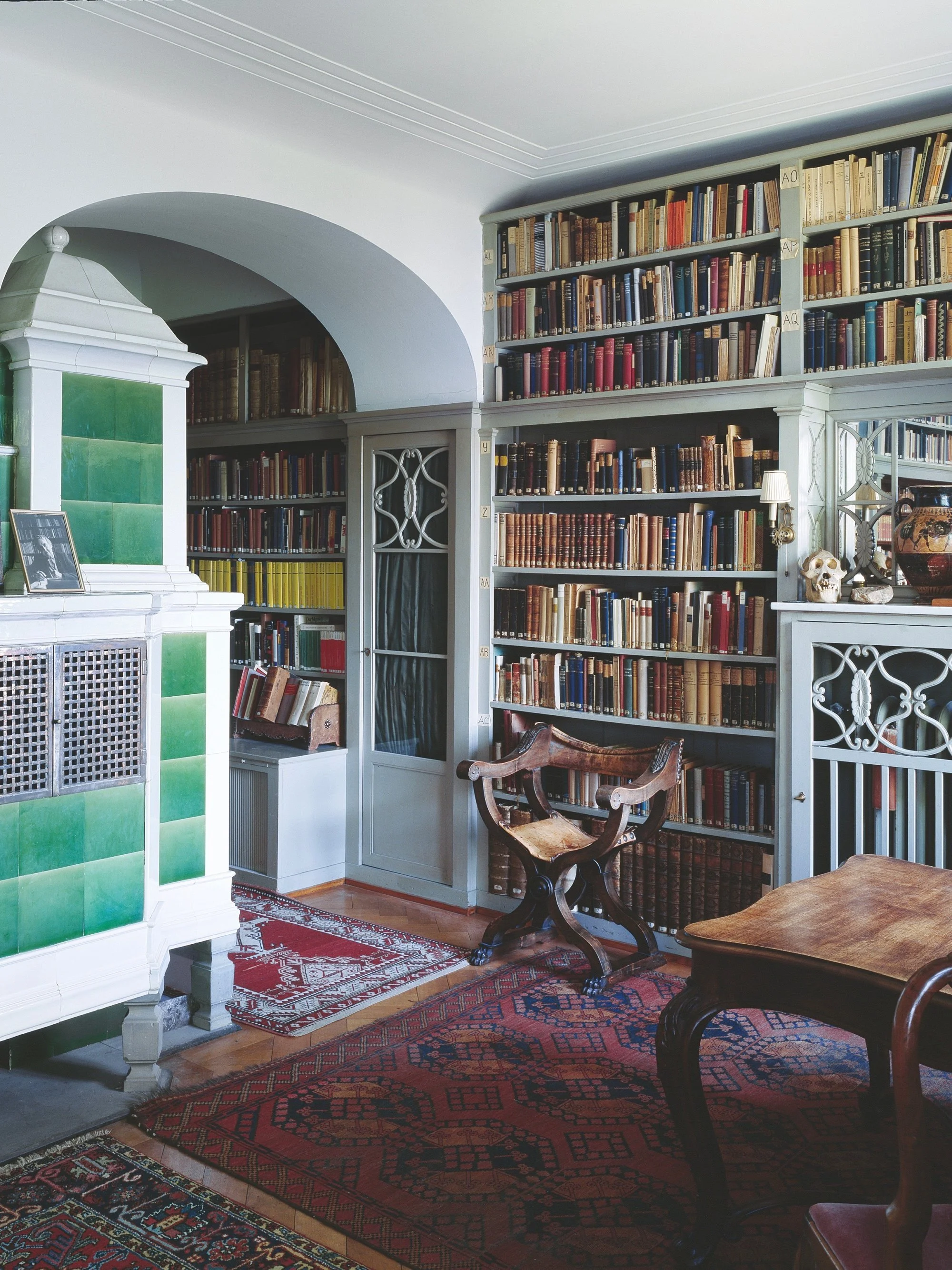

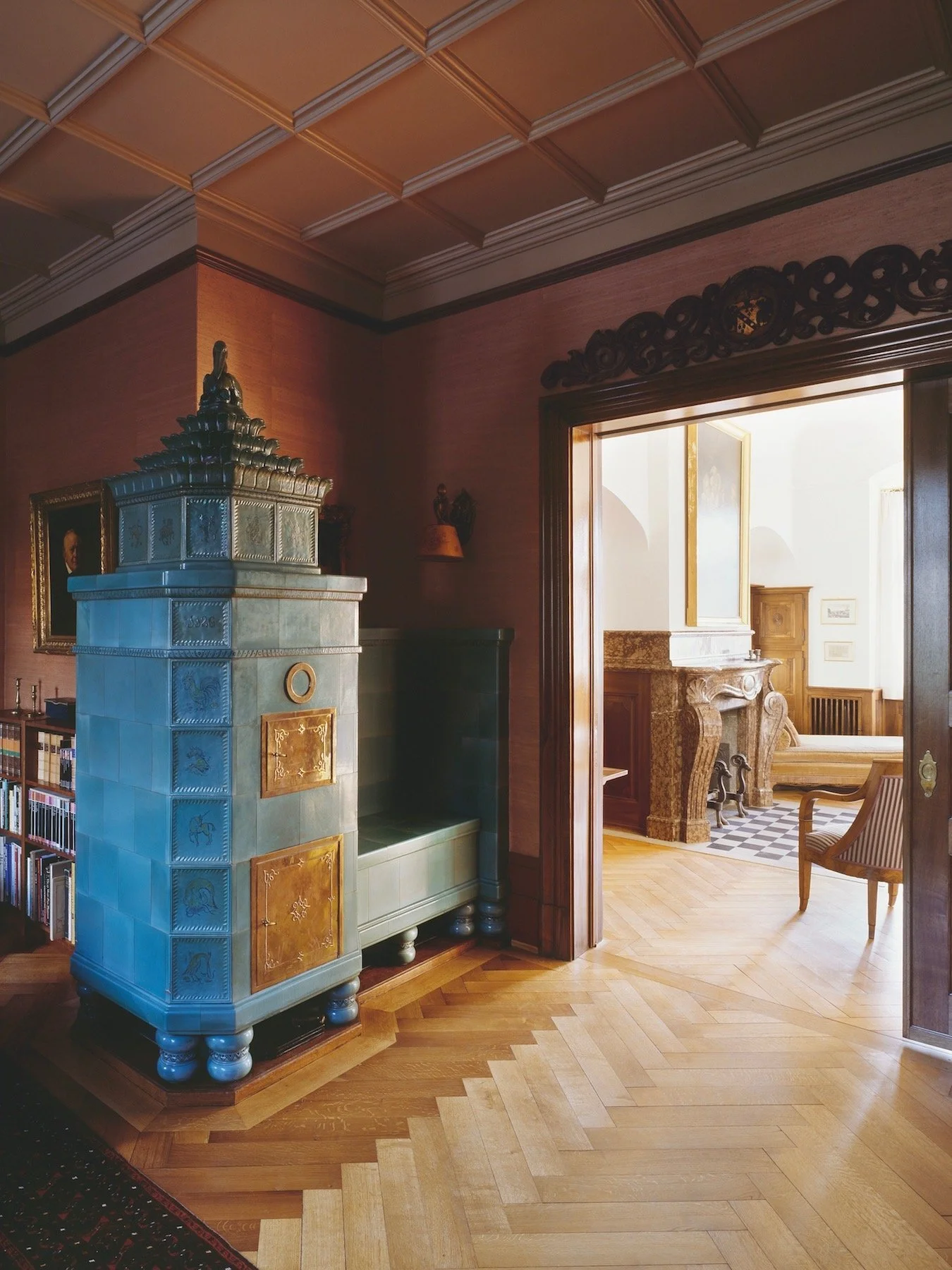
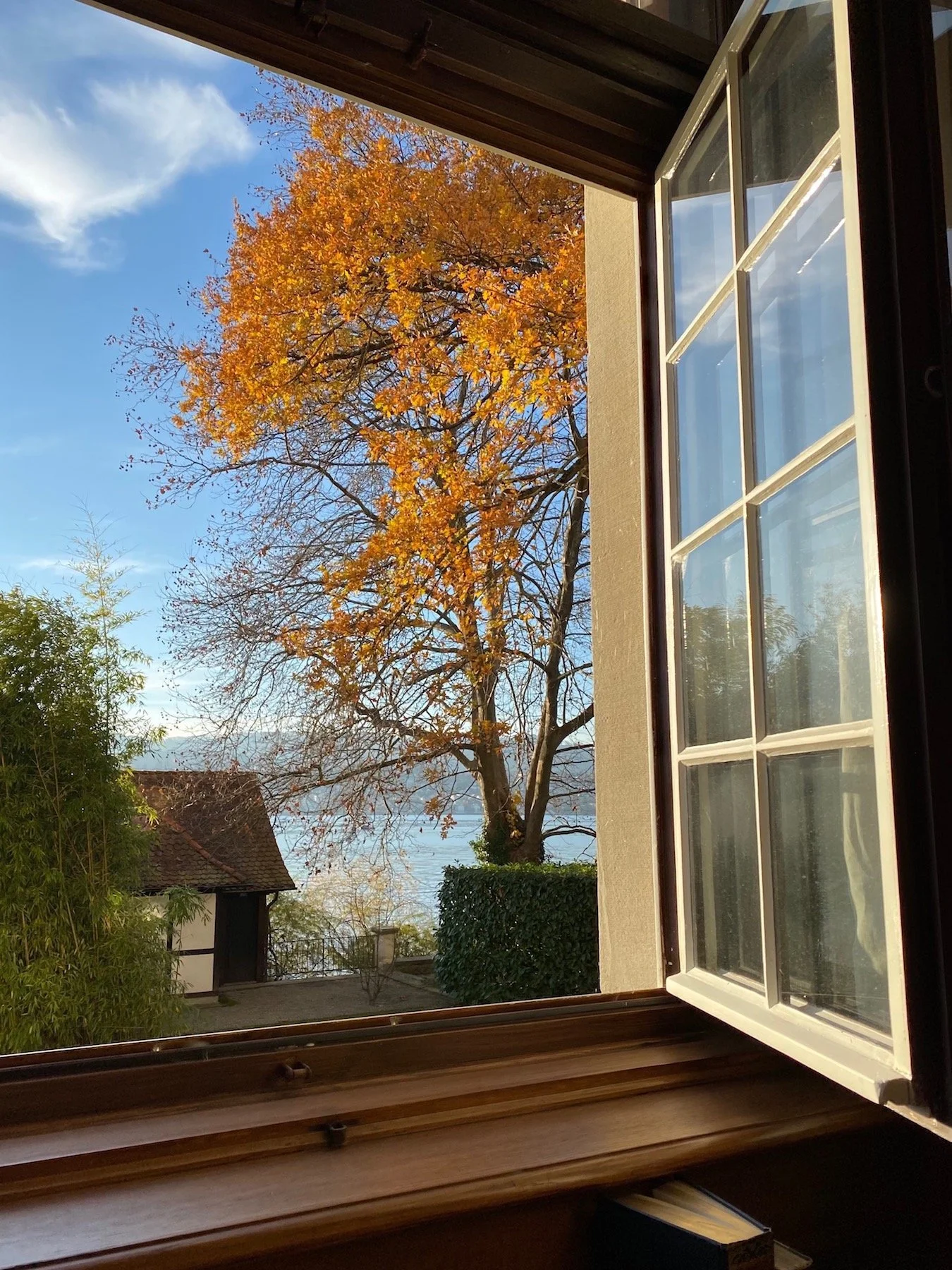
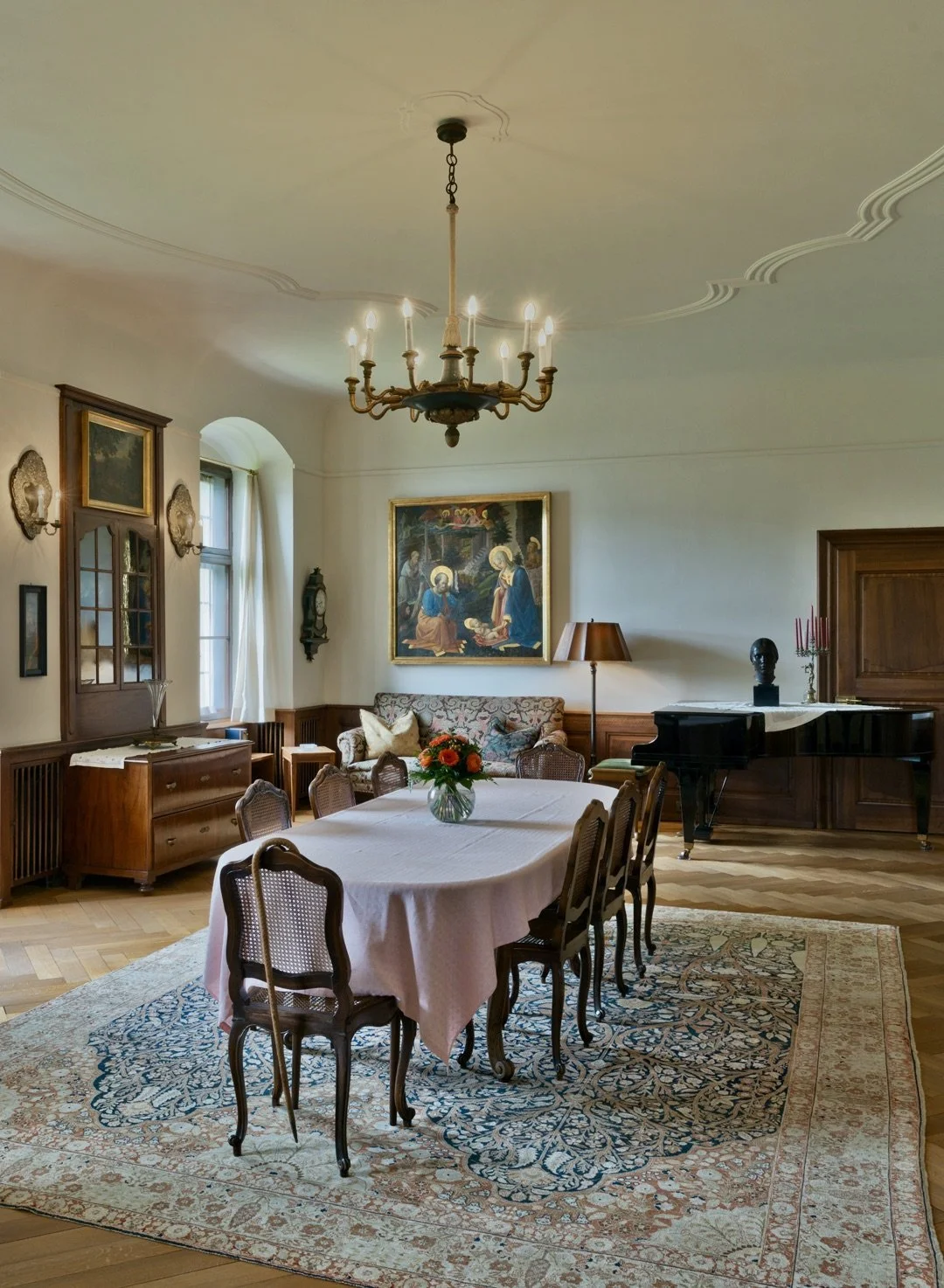
I stood at the gate and thought about the shadow—Jung’s great concept, the disowned self, the parts we bury because they shame or frighten us, the appetites and failures we exile to the basement of consciousness. The paradox of Jung is that he built a philosophy of self-confrontation out of his own failures, not despite them. He knew that the shadow does not disappear when ignored; it simply speaks louder, in dreams, in symptoms, in the inexplicable wreckage of our choices. To live with eyes wide open means to face one’s contradictions rather than exile them, to understand that the darkness is not an aberration but a constituent part.
I did not know, standing there, whether I was capable of that kind of looking. I knew only that the vocabulary I had been using for my own darkness had failed, and I had come to Küsnacht in search of a better one.
Iselda took my arm. “It’s pretty here,” she said. “Quiet.”
“Yes,” I said. “Very quiet.”
I did not tell her that quiet can be its own kind of noise when you are trying not to think about something.
We walked back toward the train station along Seestrasse, and I stopped at a house a few doors down from Jung’s—a large gate with lush greenery that hid a modern villa with clean lines and large windows, nothing that announced itself as remarkable. But I had read that Tina Turner had lived here, in Küsnacht, in the years after she left Ike and before she found Erwin Bach, the German music executive who became her partner and, eventually, her husband. Two houses on the same street. Two entirely different reckonings with pain.
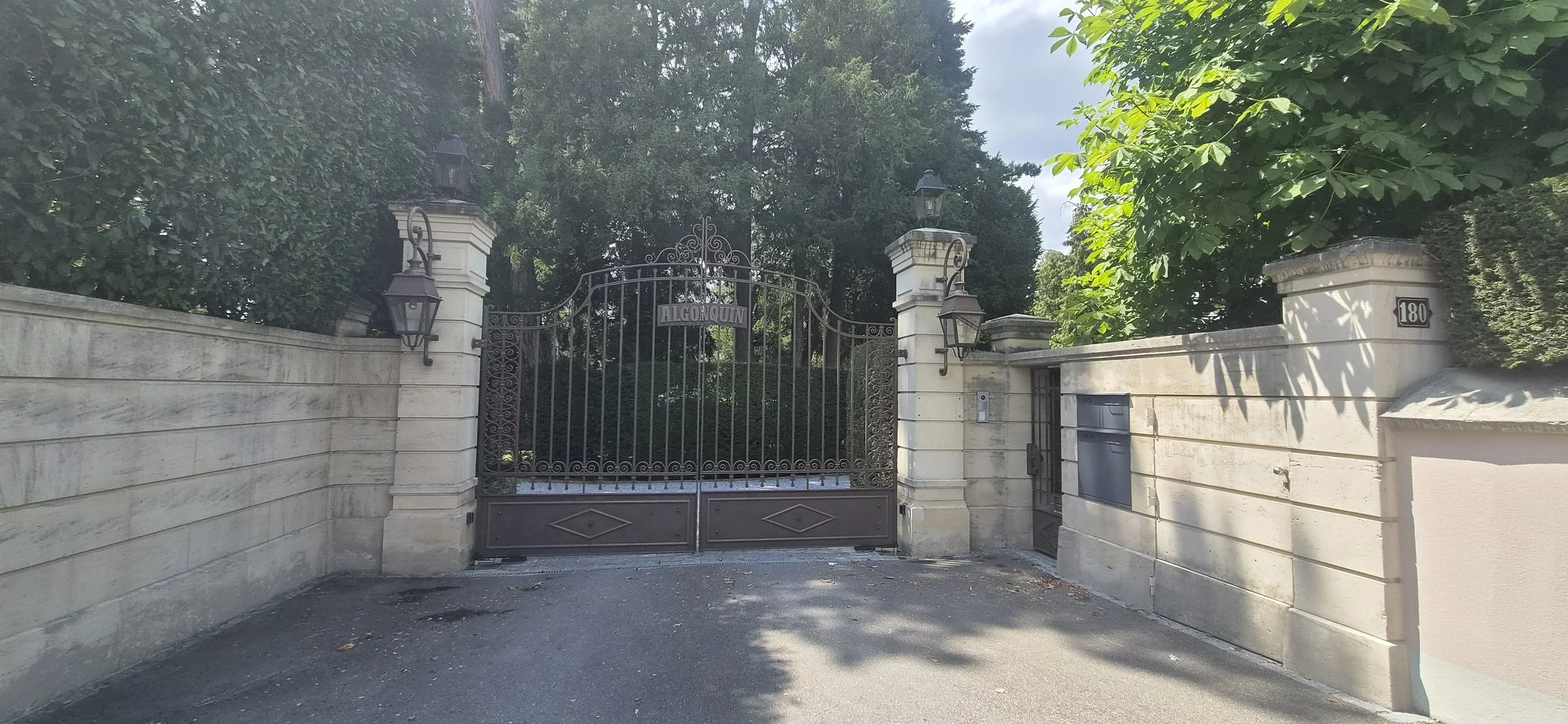
Tina Turner’s former home.
I did not know the address before I came. I had planned the trip around Jung; Tina Turner was a discovery, a coincidence that felt less like chance and more like something the street was trying to say. Where Jung had theorized the shadow, Tina had lived it; the dark night of a marriage that broke her, the years of reinvention, the slow, stubborn reconstruction of a self that had been nearly demolished. I thought of her later, back in our hotel room, watching clips from her documentary on my phone while Iselda slept in the other room.
Tina's voice, the legs, the absolute refusal to be defined by what had been done to her. Passing her home felt like a small pilgrimage, proof that healing and transformation remain possible even after unspeakable pain. We arrived in Switzerland with her music on my train ride playlist and "I Don't Wanna Fight" was still playing in my head through the walk on Seestrasse.
As we stood outside Tina’s house, I felt reverence not for celebrity but for survival. She had not only endured what nearly destroyed her; she had made a life beyond it. On a street already haunted by Jung’s theories of the shadow self, her house offered something rarer: proof.
Two houses. One taught the theory of facing the darkness. The other lived the evidence of surviving it.
I did not explain all of this to Iselda. I said only that Tina Turner had been a very famous singer who had lived nearby, and that she had been happy here. Iselda nodded, already half-asleep, trusting that the world arranged itself into stories that made sense.
In the days that followed, the Street Parade arrived.
Zürich’s annual techno festival is not what you expect from Switzerland. It is color and volume and bodies moving through the streets in a single joyful current, a million people surrendering to rhythm in a city that usually prefers order. Iselda and I stood on the edge of it for an hour, watching floats pass, drinking in the spectacle, and then, without discussing it and without needing to, we slipped away from the crowd and walked toward the lake.
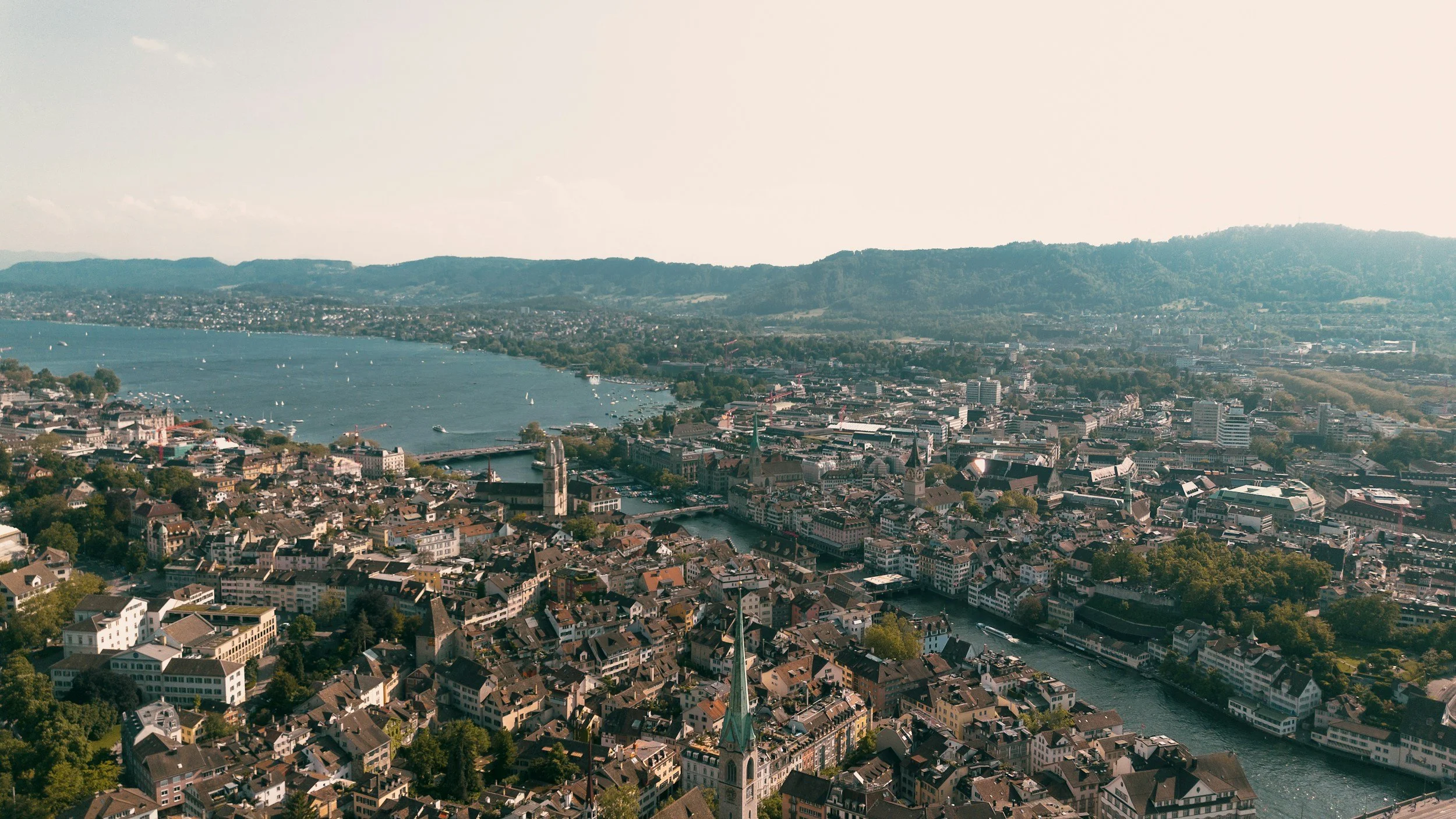
The contrast was almost violent. The parade thundered behind us, a distant bass heartbeat, while before us the water lay still, ringed by mountains, the surface broken only by the occasional swan. We found a quiet spot near the shore and we waded in, the cold surrounding my ankles, then my knees, then my waist. Iselda stayed beside me, and we kept walking until the bottom dropped away and we were floating, weightless, the mountains around us like a held breath.
I closed my eyes. The water held me without asking anything. I thought of Jung’s house, of Tina Turner’s, of the shadows that had driven me here and the ones I had not yet named. I made a wish in that floating silence—not to the water, not to anything in particular, but to the part of myself that was still capable of wanting. I would like to be happy again. I would like to believe that being loved, and loving in return, is not an impossible feat. But above all else—and this was the hardest wish, the one that caught in my throat—I would like to learn to love myself again.
The peace was almost unbearable. It was the peace that had felt impossibly out of reach in Milan, the peace I had begun to believe was a fiction other people told about their lives. For hours we floated in Lake Zürich while the Street Parade pulsed on the shore, and I understood something I could not yet articulate: that joy and darkness are not opposites but neighbors, that the shadow contains not only what we fear but what we have not yet forgiven.
As we climbed out, Iselda looked at me and asked, “Where does Zürich figure on your list of favorite cities?”
“Simply the best,” I said, using a convenient Tina Turner reference while standing directly on the other side of the lake where her home still stands. I sat with her on the bank with water clinging to my skin, knowing that some places enter you in ways you cannot explain to another person, not fully, not yet.
The memory arrived unbidden, drifting in on the lake breeze: Tina Turner, yes, but not that Tina Turner song. I started laughing—first softly, then harder—at the thought of “Private Dancer” and the ridiculous fact that, back in boot camp, a fellow soldier actually bore that improbable name-rank combination. The barracks became our stage. Sweeping, mopping, sore and half-delirious, we sang the chorus at full volume and invented choreography far more enthusiastic than graceful. We laughed until the Drill Sergeant caught us mid-spin and sentenced us all to push-ups, barking the count while we groaned into the floor.
And then, just as suddenly, Drill Sergeant Williams took over the song herself. From the ground, we watched in stunned silence as she belted the chorus with a voice so powerful it seemed to crack open the stale barracks air. Even the second Drill Sergeant, arriving in full stone-faced authority, could barely suppress a smirk. Our punishment dissolved into shared laughter, our heads bowed, our arms shaking, our spirits somehow lifted by the absurd mercy of being serenaded through our own discipline.
Tina Turner’s songs have always seemed to circle my life as markers, vivid and prophetic. "What’s Love Got to Do With It" was one of the first videos I saw as a wide-eyed kid watching MTV, not yet capable of deciphering the ways it would echo through my own missteps and heartbreaks later. But among all her music, it’s "The Best" that feels like a mantra I keep waiting to claim fully. After so much—after love gone sideways, after endurance shaped by everything from muddy boot camp floors to life's bitter lessons—I hold out hope for a kind of arrival. A life that feels like an exhale. A happy ending. By the shore of the lake, world-weary and buoyed by memory, I told myself, softly, that maybe, just maybe, there’s still time for that fate.
We left back to Milan, the train south was slower, or perhaps I was slower, reluctant to let go of the stillness I had borrowed. Iselda talked about school, about the friends she would see, about the ordinary rhythms that would reclaim us both the moment we stepped through our door in Northern Italy. I listened and nodded and tried to carry the lake inside me, the way water clings to skin long after you have stepped out.
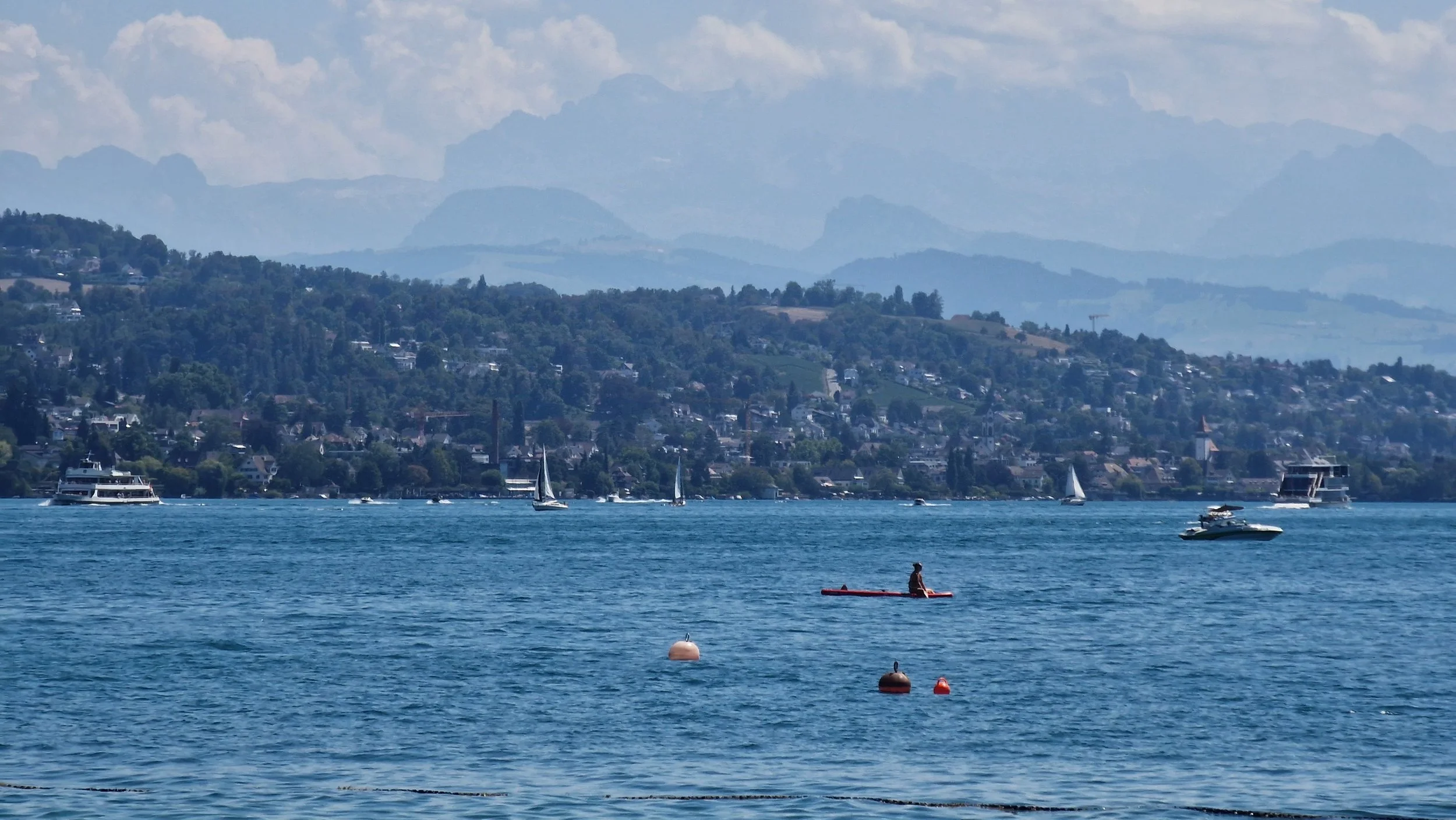
Floating in Lake Zürich
I did not know if I would return to Küsnacht. I hoped so. I hoped that the wish I had made in the water of Lake Zürich might grow roots somewhere, that the shadow work I had come to begin might continue in the place where it had started. I knew only that the lake was still shimmering somewhere behind my eyes, that some kisses linger long after the lips have departed, that peace glimpsed is not peace lost. Merely peace postponed, held in trust by the water and the stone and the quiet street where two houses taught me what I had not yet found words for.
Iselda fell asleep against my shoulder somewhere past the border. I watched the Alps dissolve into the haze of the Italian plain and thought: not yet. But soon. Perhaps soon.