Take a Train to Machu Picchu
The past is a persistent ghost. It doesn’t haunt so much as it lingers, a faint perfume in a room you thought was empty. Twenty years ago, Peru was a different country, and I was a different person. In 2003, I was a young Army sergeant, boots on the ground near the Ecuadorian border for a military medical mission. The air was thick with heat and humidity and Piura, our temporary base, had the quiet tension of a place that knew hardship. My world was defined by camouflage, curt orders, and a sense of duty that was as heavy as my rucksack. Peru, then, was a backdrop to a life I was just beginning to understand—a life that would, a year later, lead me to the sands of Al Anbar Province, Iraq.
Now, two decades later, I’m back. Not as a soldier, but as an artist, writer, and a mother, trading military fatigues for the comfortable disarray of a jetlagged hotel guest. The mission this time isn't medical aid; it's a family vacation. We're not in the rugged north but heading south, into the heart of the Inca empire. The ghost of that younger self tags along, a silent observer comparing the then and now.
Lima
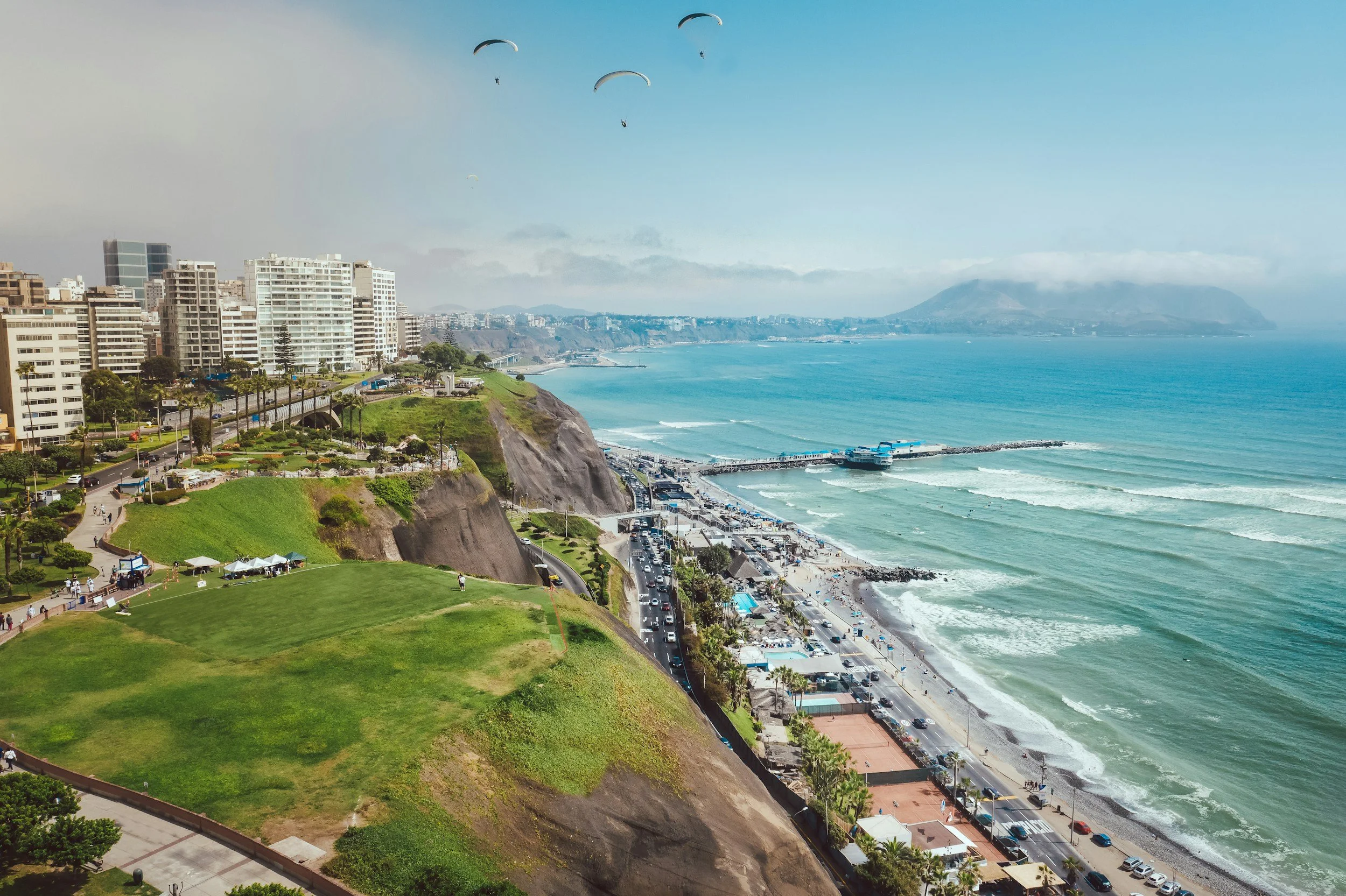
Miraflores, Lima
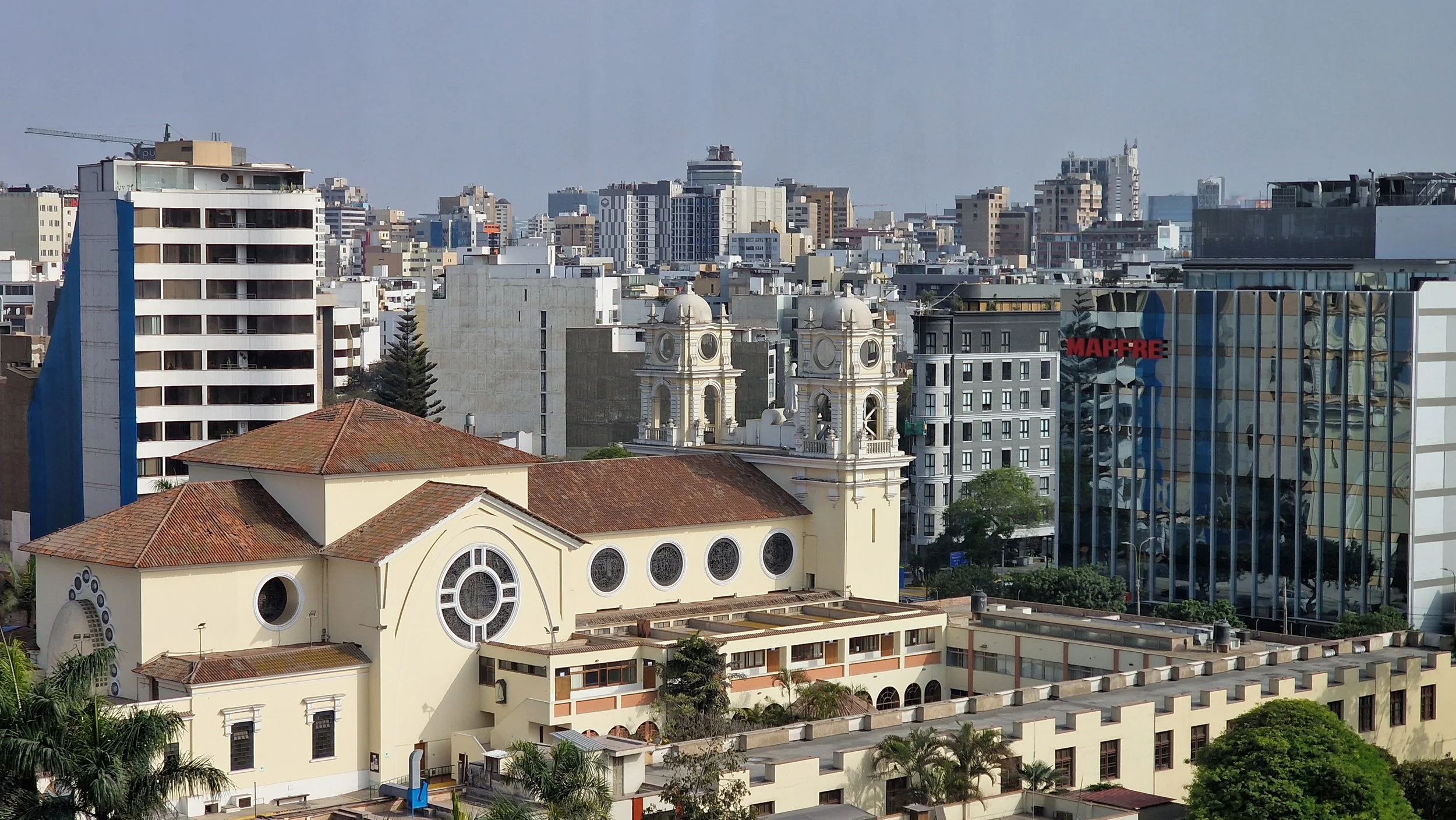
Lima is the first point of collision between these two worlds. The city I vaguely remember was a sprawling, chaotic beast. I close my eyes and slip back to 2003, when my medical unit and I first arrived in Lima. The city then wore a different face—one of tension and unease. Soldiers stood like statues on street corners, gripping loaded rifles with a vigilance that seeped into the air. Martial law loomed like a shadow, a response to widespread unrest as workers marched against government decrees. The memory of it lingers, wrapped in a haze of smog and protest chants, a stark contrast to the Lima I see now.
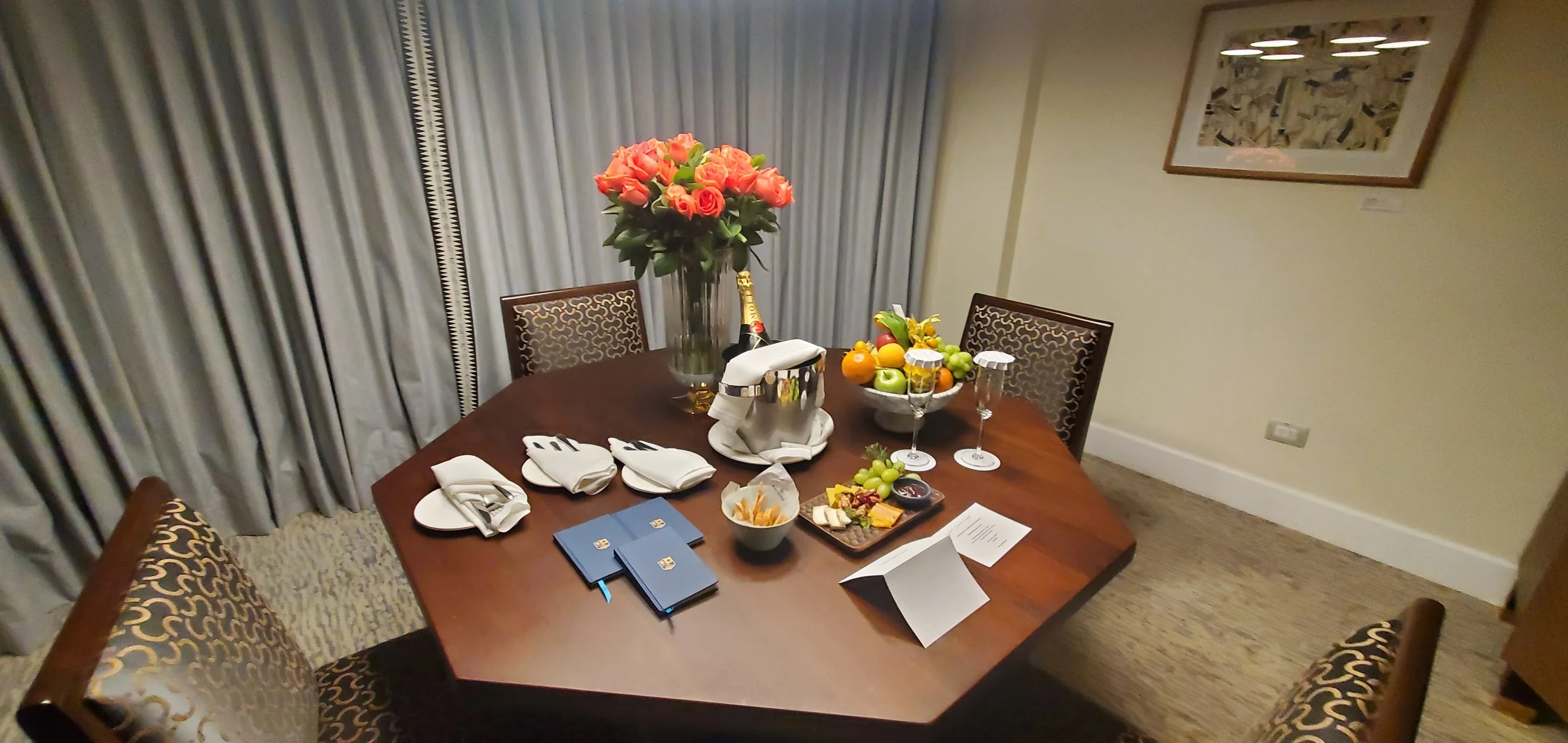
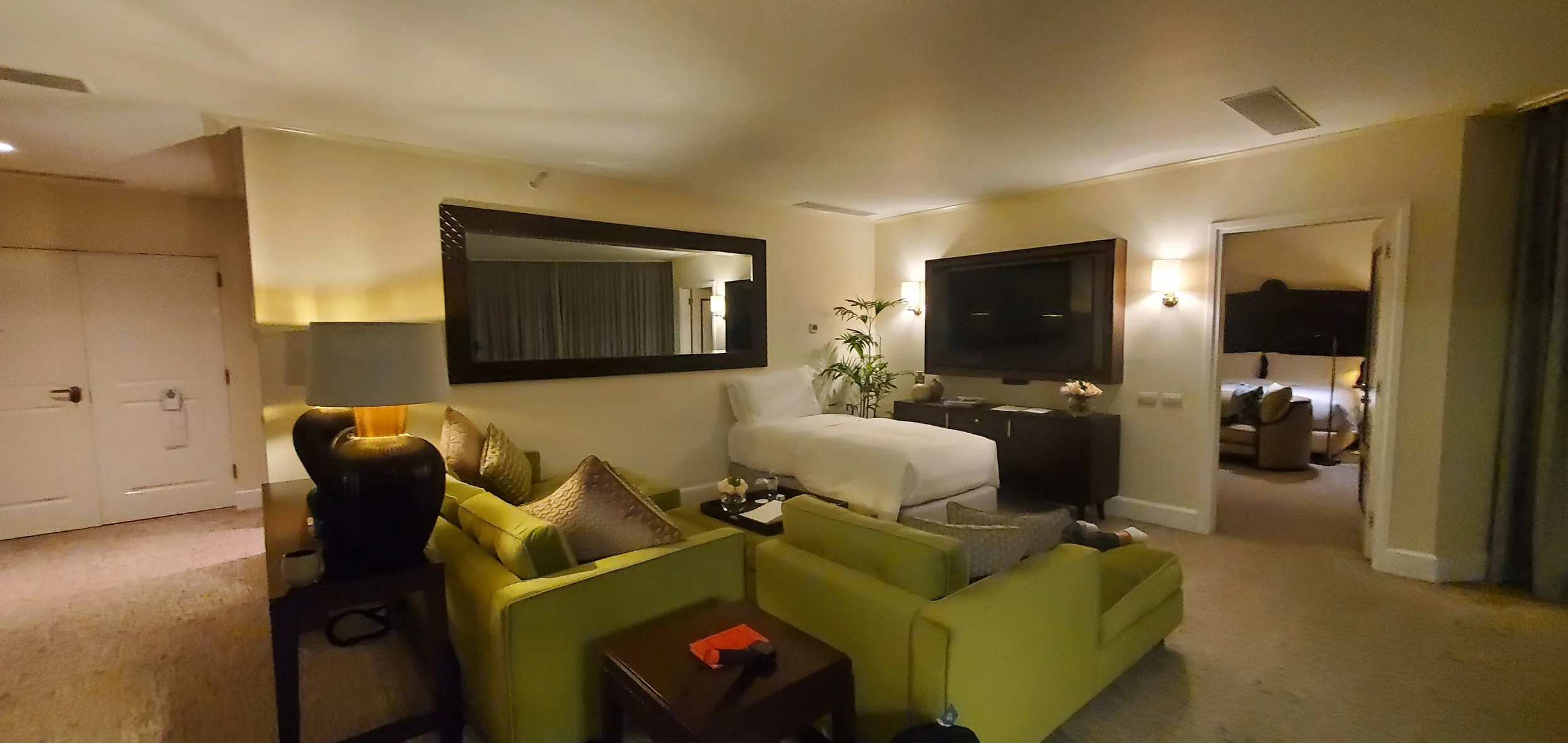
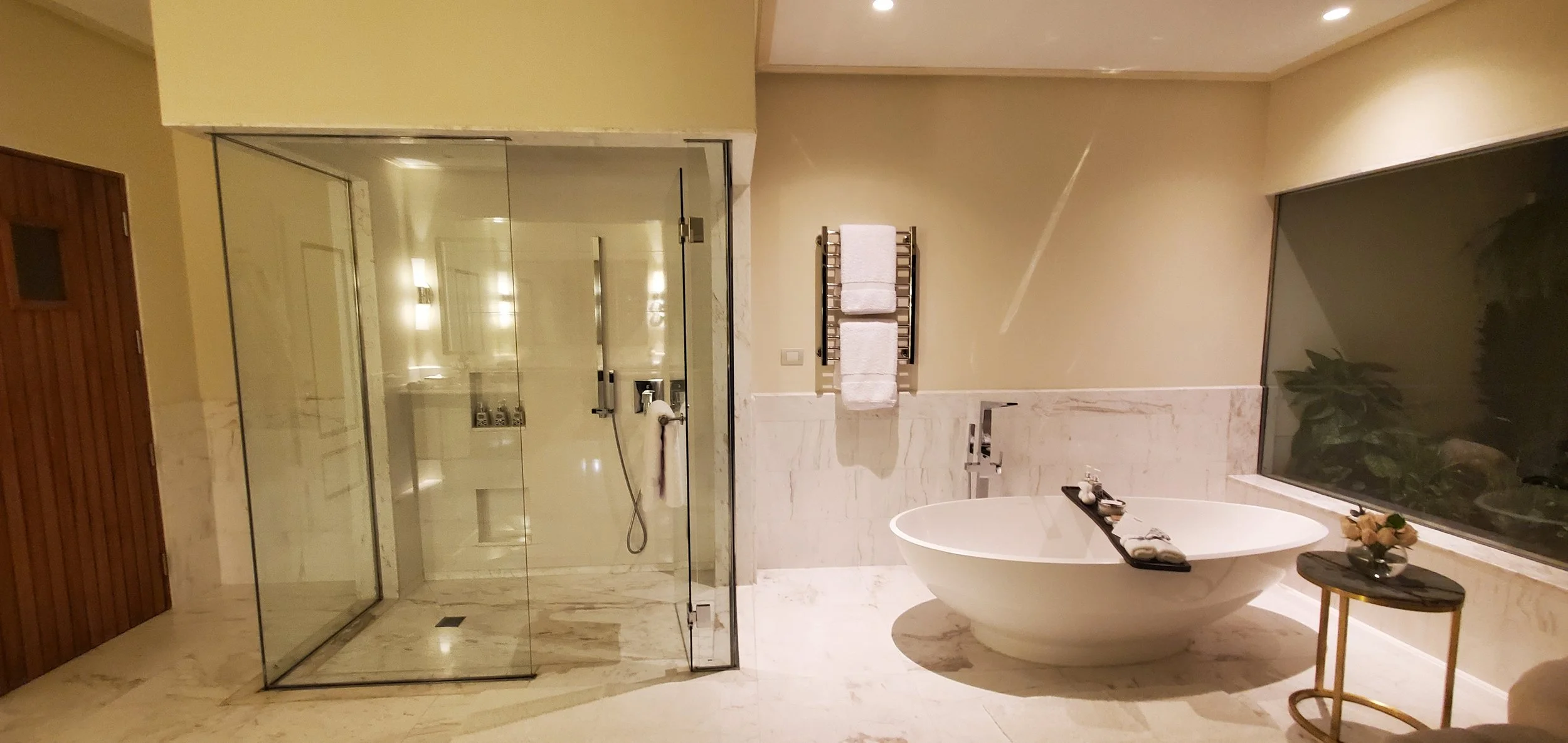
This time, landing in the polished veneer of Miraflores, it feels...softer. We check into the Miraflores Park, a place of quiet luxury that stands in stark contrast to the utilitarian barracks and mosquito nets of Piura in my past.
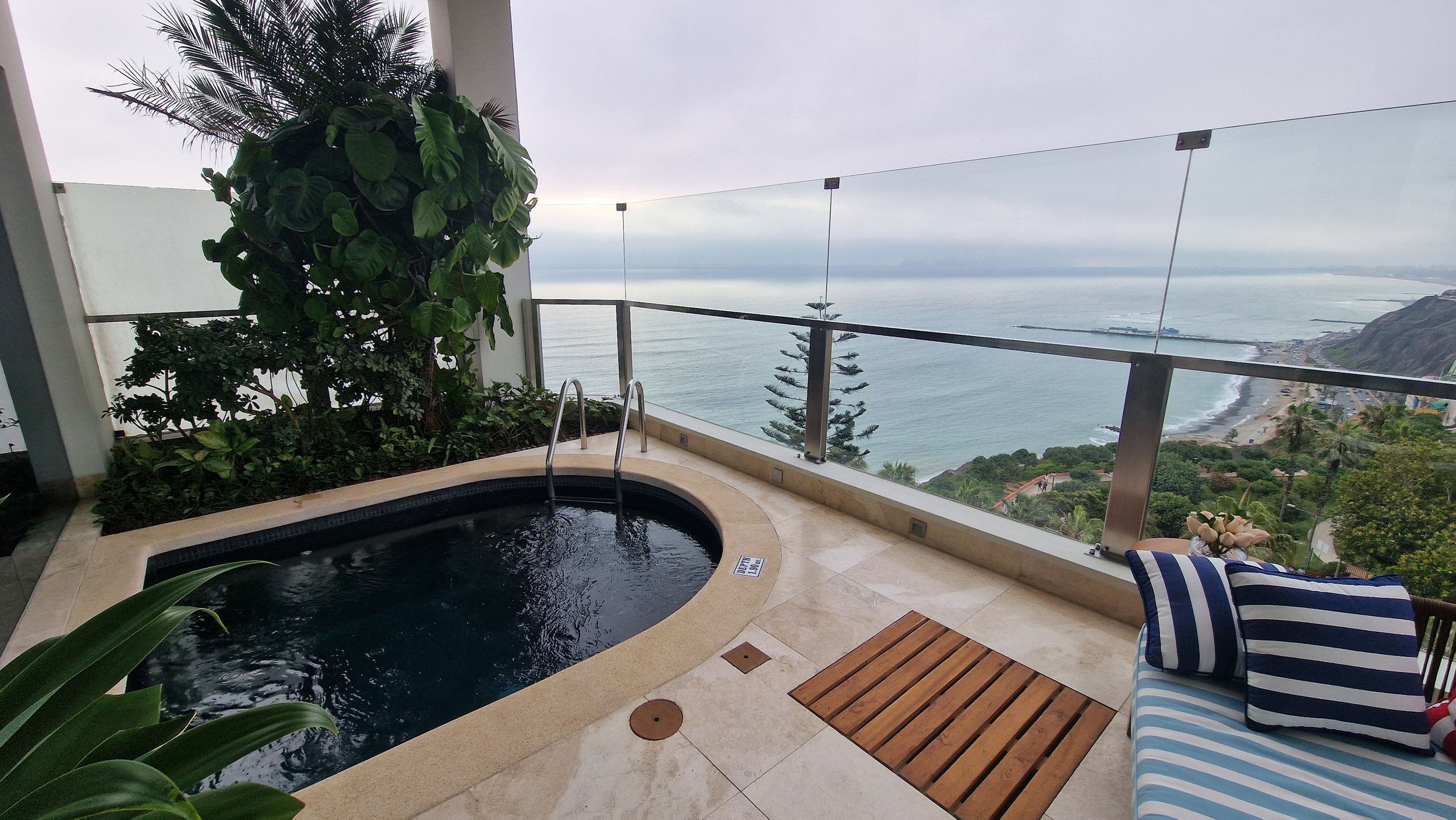
Miraflores Park | A Belmond Hotel
We arrived in Lima as the sun began its descent, scattering golden hues across the horizon. The drive to the hotel took a little over an hour, winding us through streets teeming with life—chaotic, vibrant, and alive. The neighborhoods outside the airport were a shock to Iselda and Alex, their eyes wide as they took in the density and raw energy of it all. It was a tapestry of crowded storefronts, honking cars, and bustling pedestrians, a frenetic rhythm that seemed so jarring after disembarking from the calm monotony of air travel.
But as we moved closer to the Pacific coastline, Lima started to shimmer. The chaos softened into brilliance, the view opening to reveal the ocean stretching endlessly alongside us, kissed by the last light of day. The city felt transformed, a place of rugged beauty and boundless potential. And then we arrived at the Miraflores Park, where the stark edges of the city faded away entirely. Warm smiles and kind words welcomed us into an oasis of comfort. The staff, polished yet genuine, made us feel as though we were old friends finally returning home.
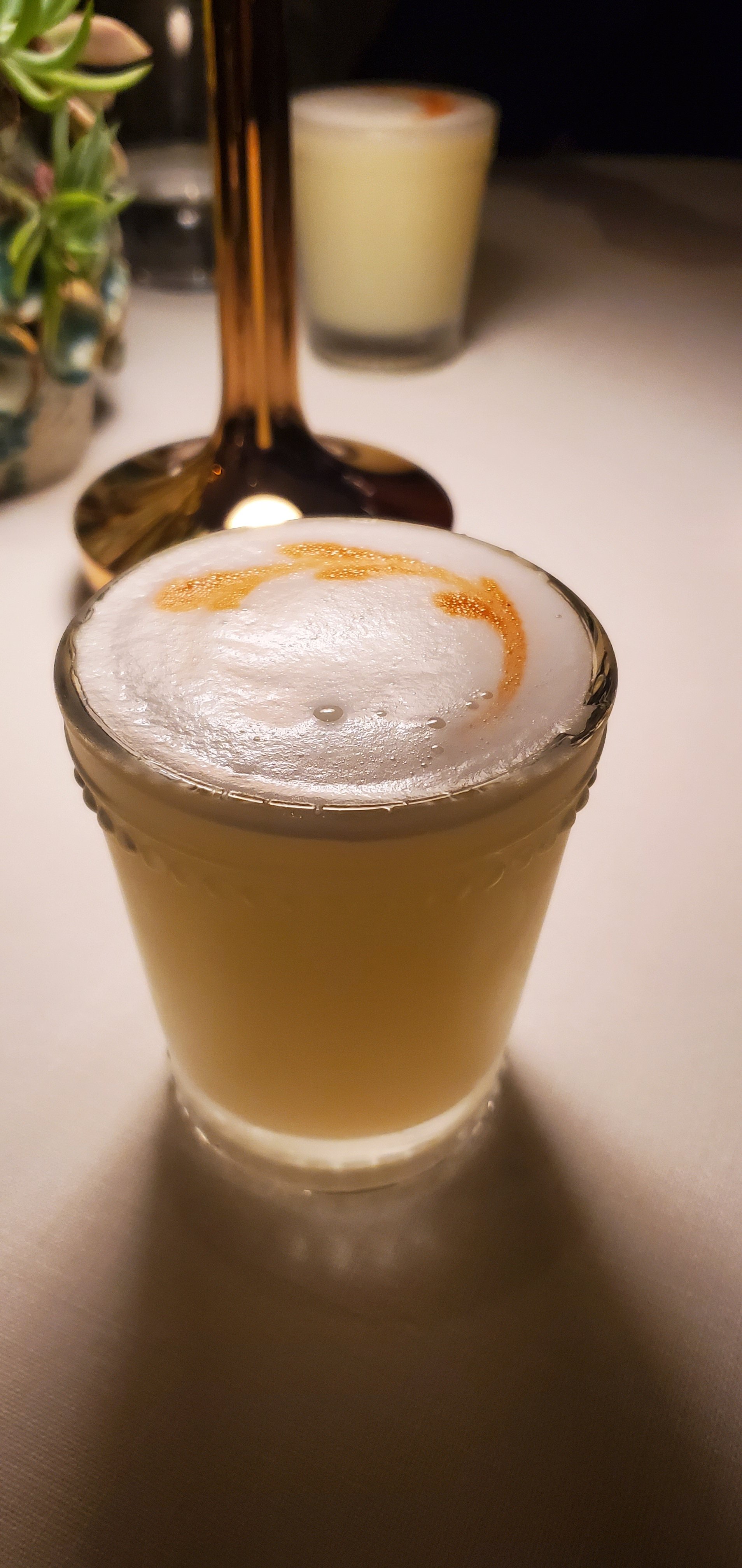
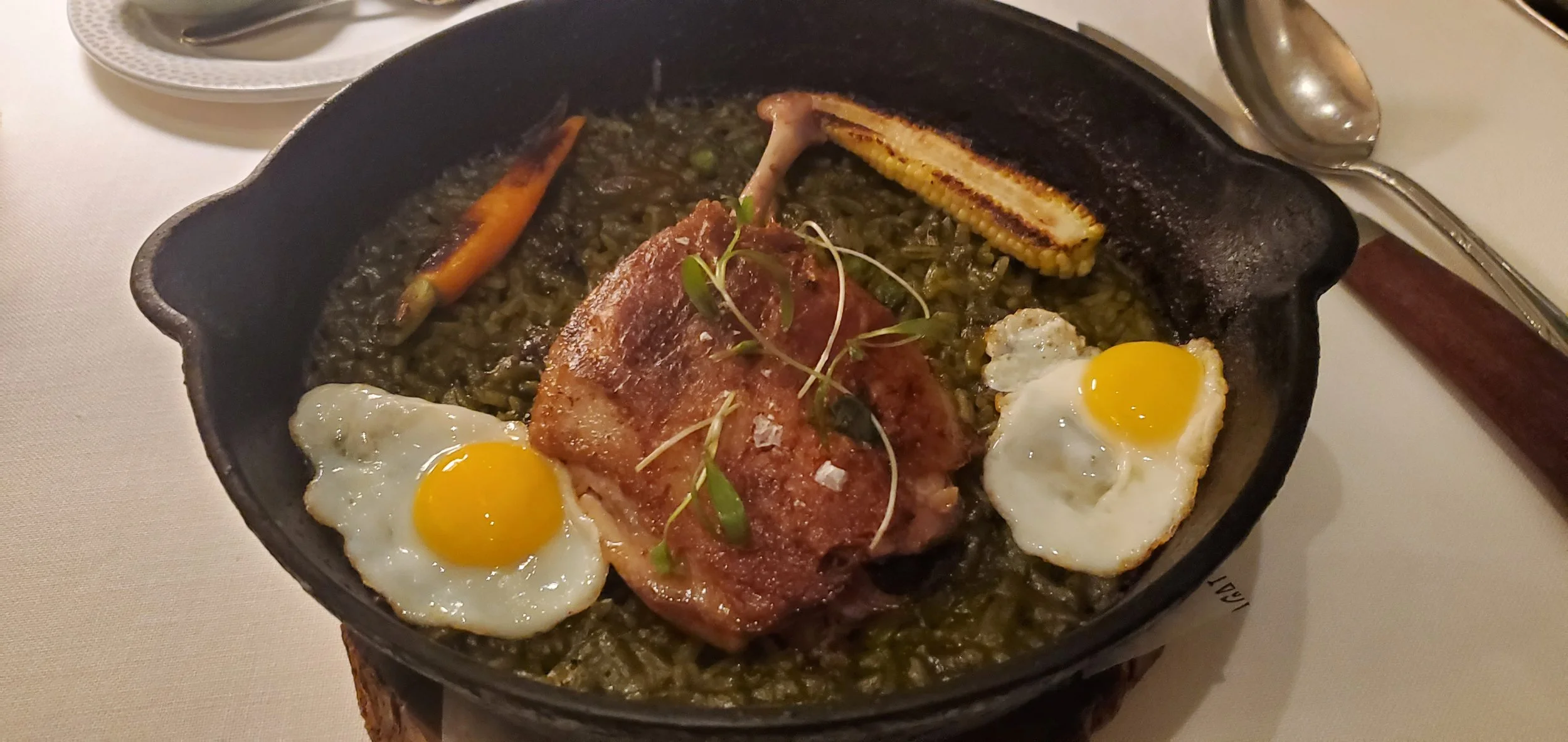
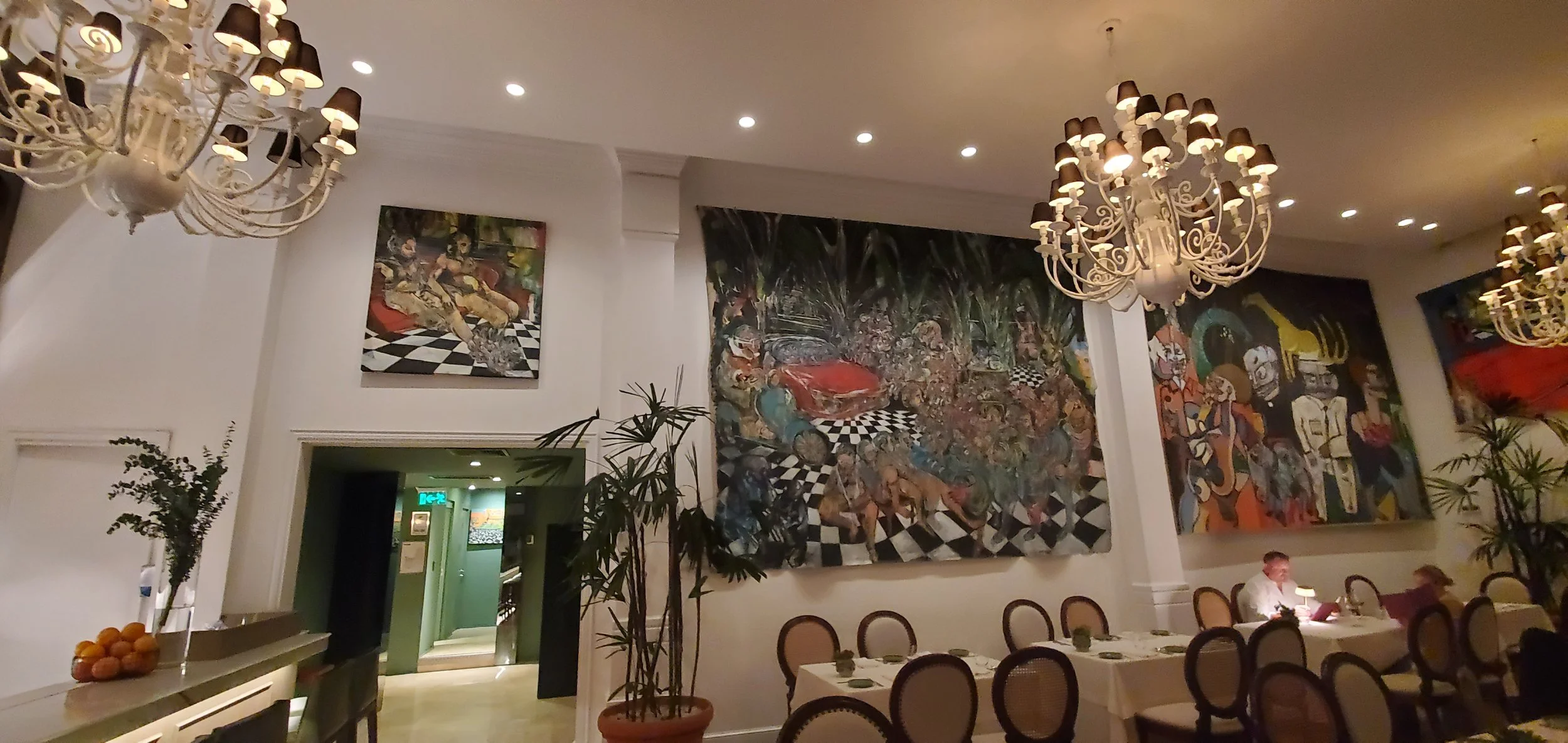
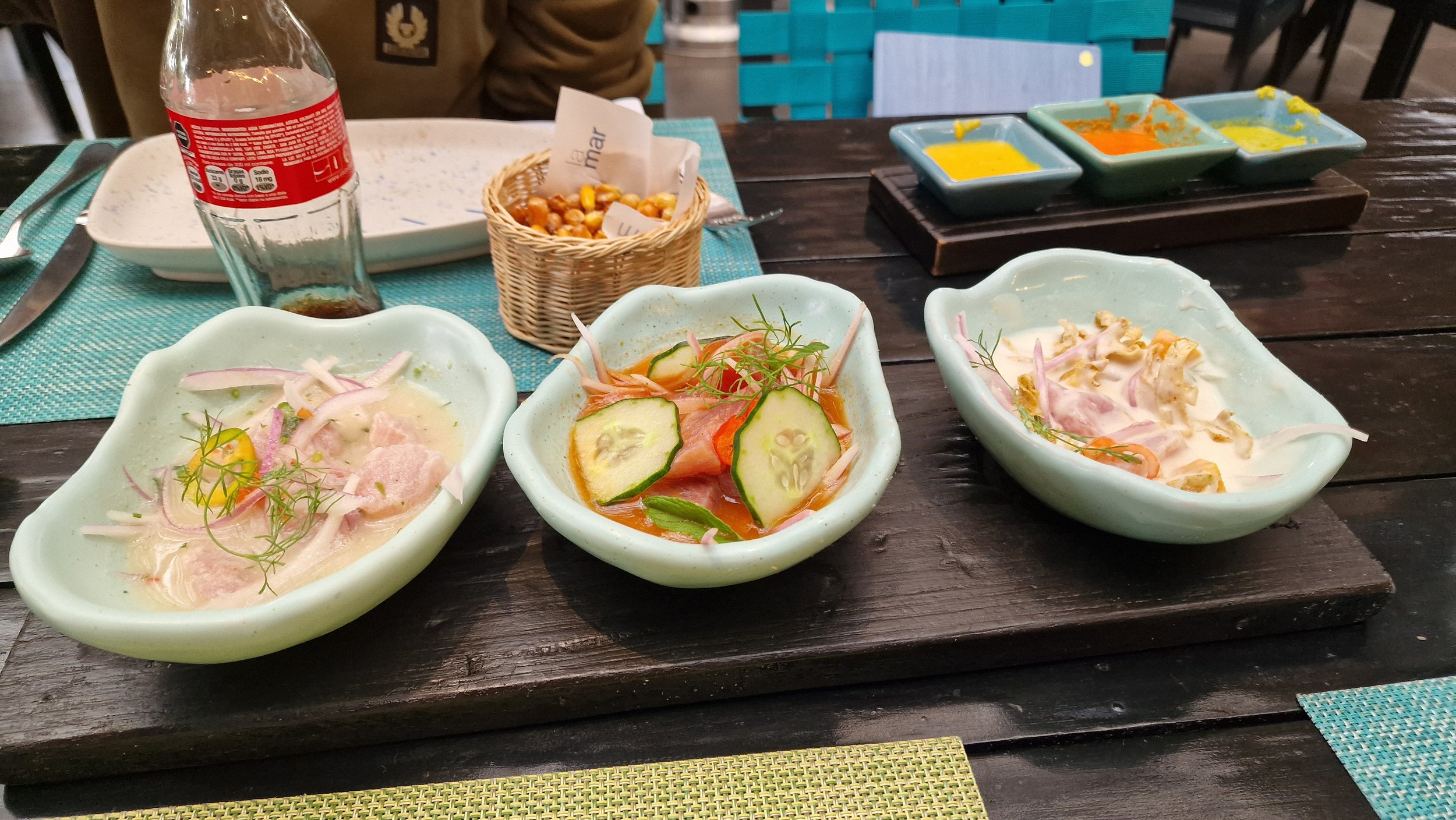
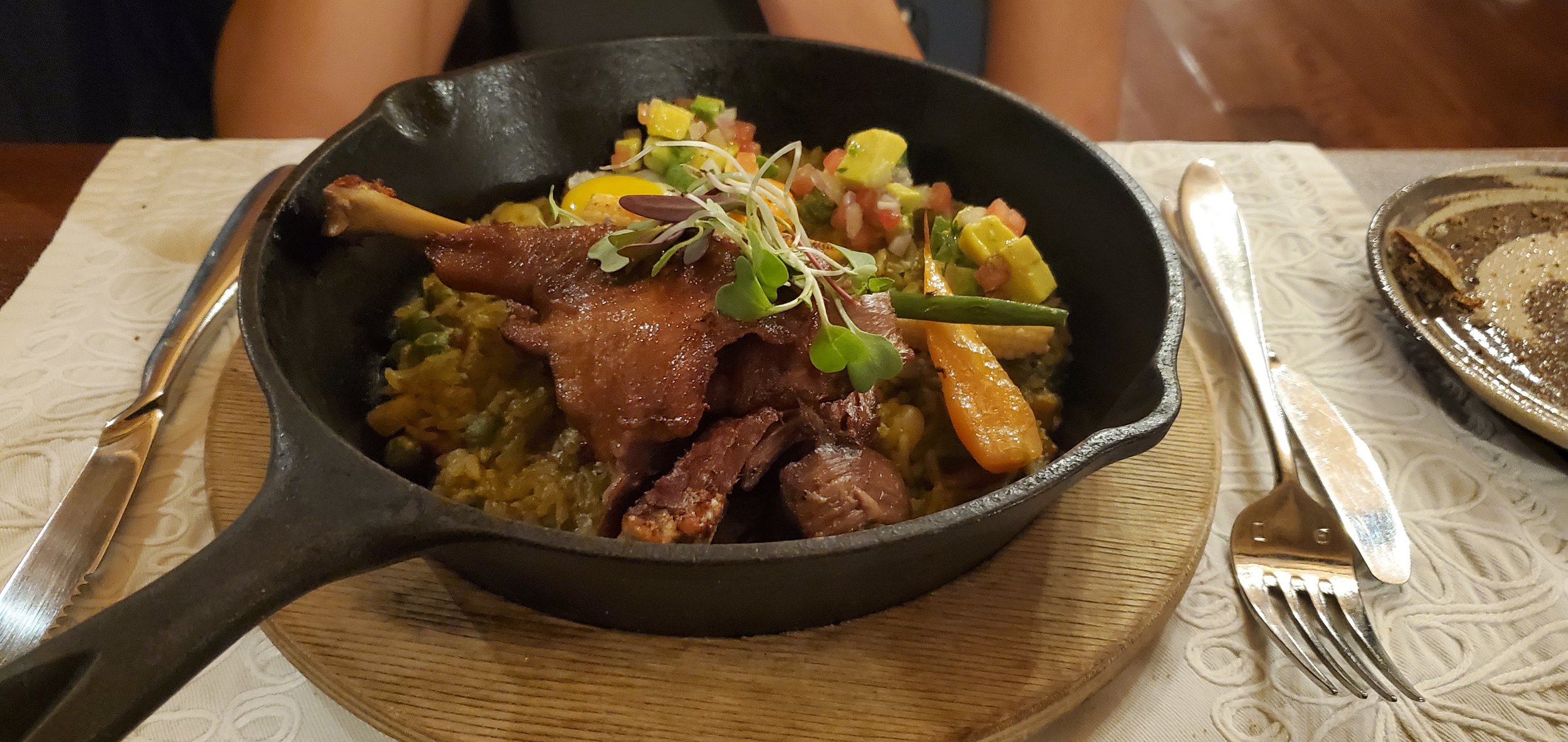
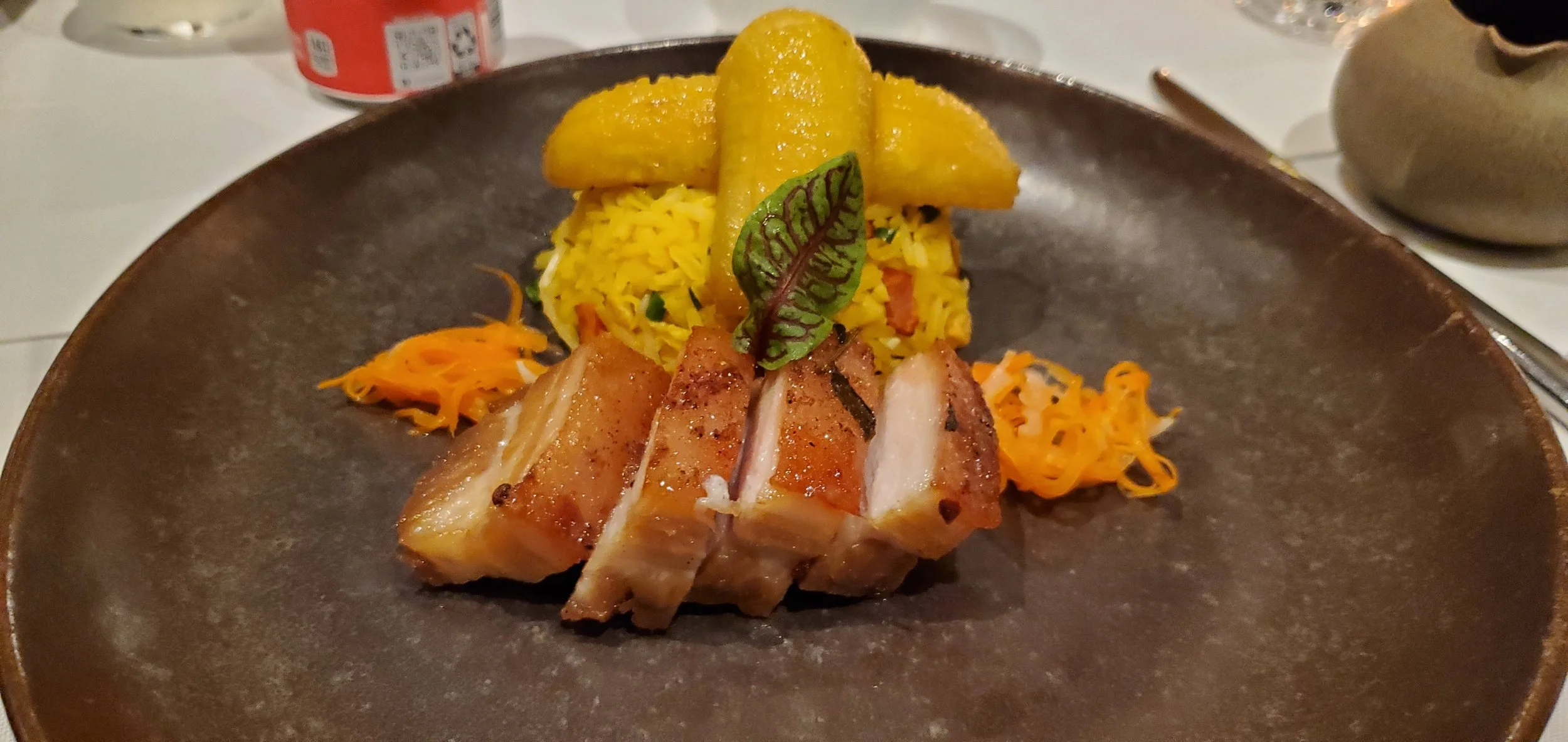
Exhaustion lay heavy on all of us, so we decided to dine at the hotel restaurant, Tragaluz, where we met José. José attended to us with a graceful attentiveness, his manner both professional and kind. He spoke softly, guiding us through a menu rich with culinary artistry, and soon, the fatigue of the day gave way to pure delight. The dishes were extraordinary—each plate a masterpiece adorned with fresh, vibrant flavors. From delicate ceviche to melt-in-your-mouth duck, every bite was a revelation. José poured wine with the precision of a painter adding just the right touch to a canvas, his care turning the meal into a multisensory experience. He recommended Astrid & Gaston or La Mar for our lunch spots the next day, and we wouldn't be disappointed there either.
It was the perfect welcome after the long flight from Paris, a memory already woven in warmth and gratitude. We left the table feeling nourished, not just by the food but by the genuine hospitality that enveloped us throughout the evening. A quiet sense of peace settled in as we retired for the night, ready to explore more of Lima but deeply content in this fleeting moment of rest.
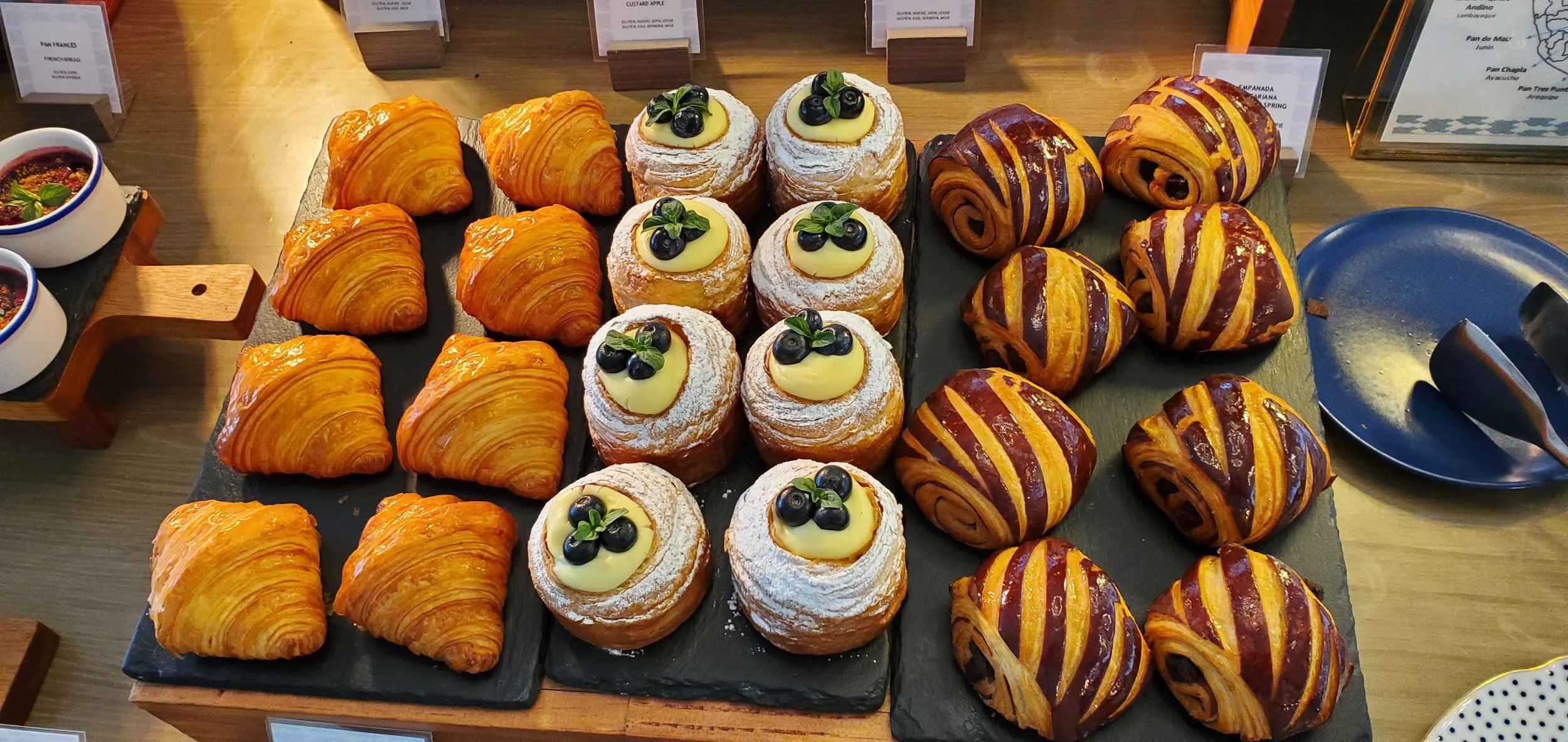
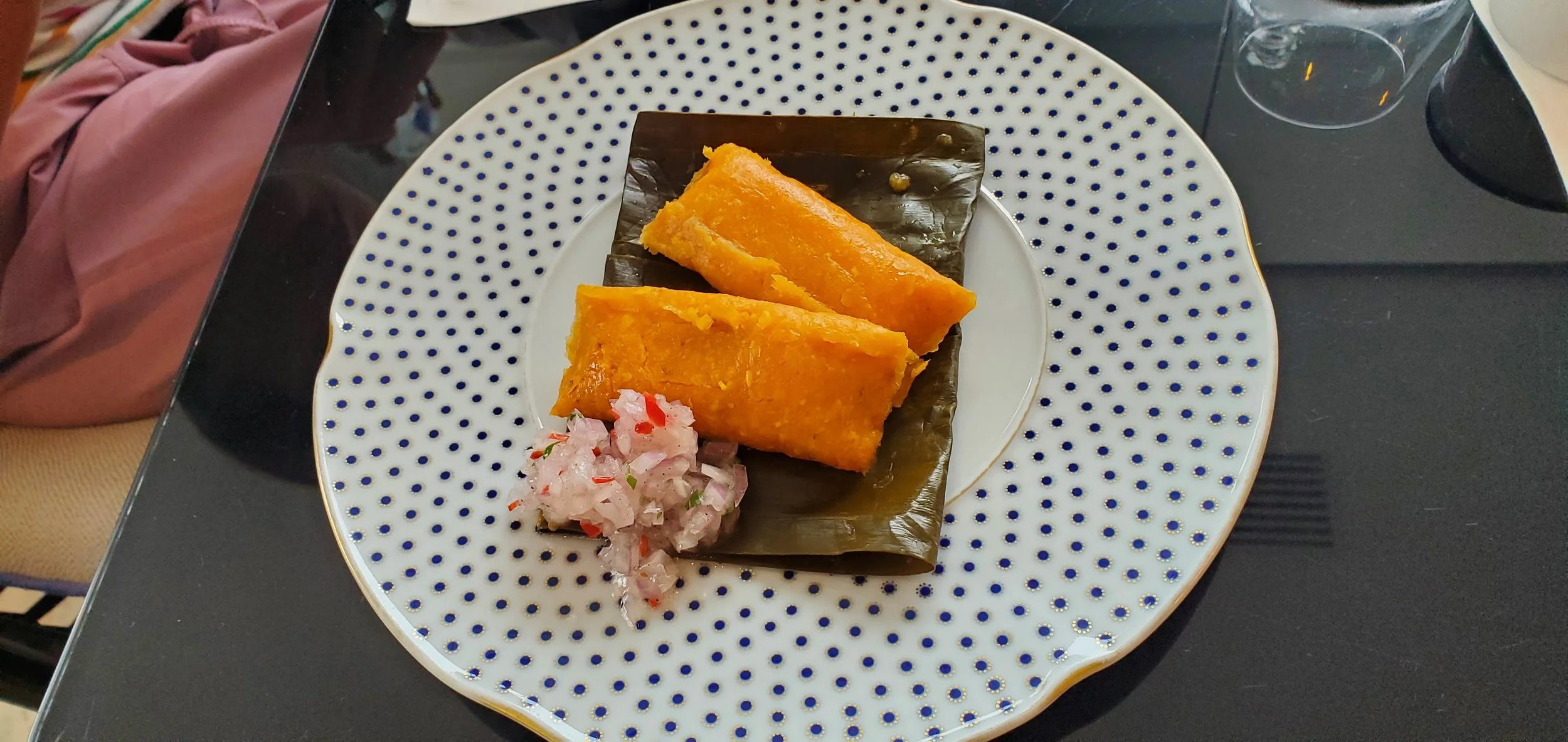
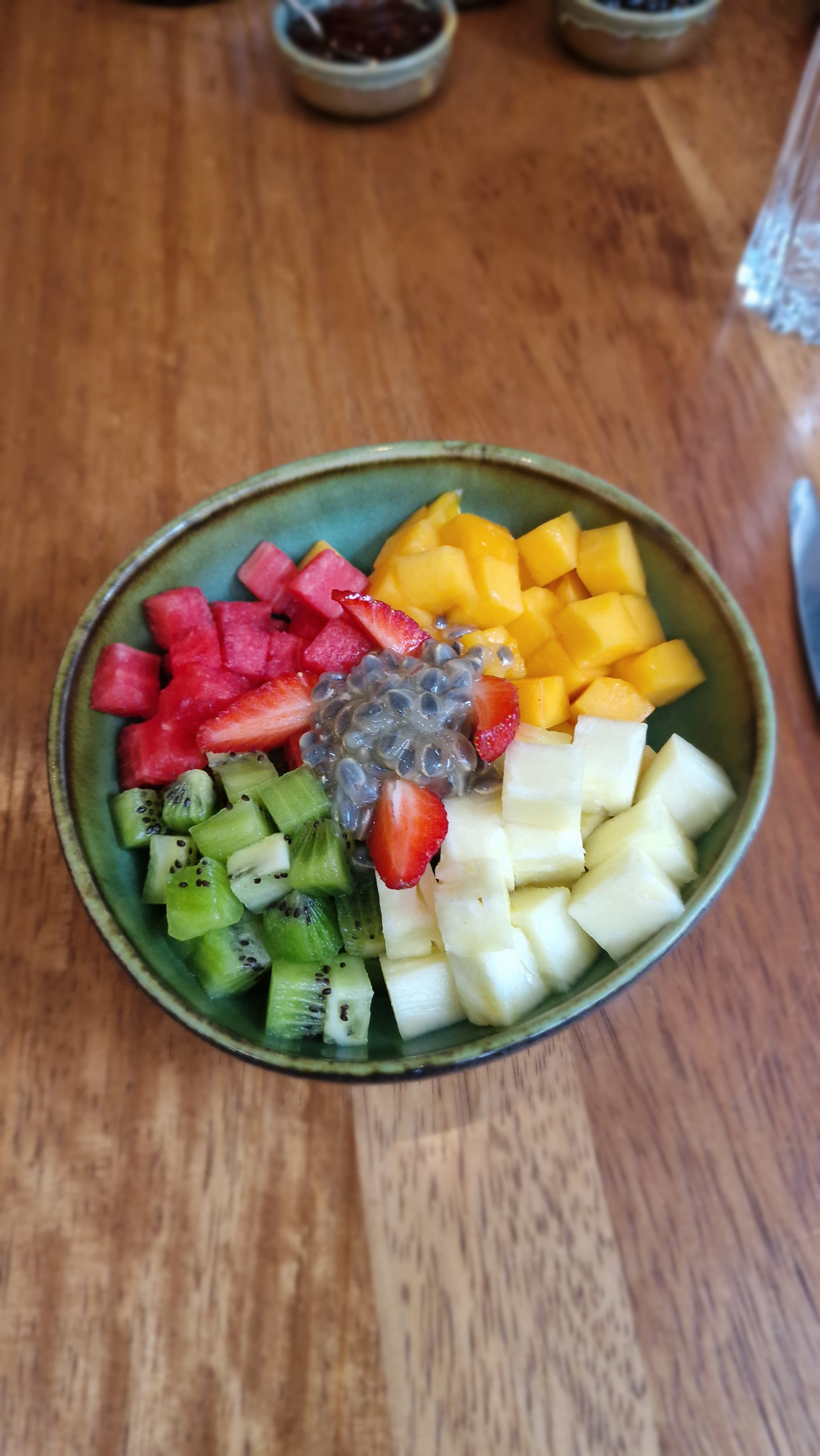
The next day, the morning unfolded gently at the Miraflores Park, where breakfast on one of the top floors at the Observatory was a celebration of Peruvian flavors laid out like an artist's palette. Tropical fruits glistened like jewels under the soft morning light, while freshly baked breads and fragrant coffee filled the air with warmth. Each bite felt like an introduction to the soul of this vibrant country, a moment both simple and extraordinary in its grace. With bellies filled, we were later met by Jenny our guide and Oscar our driver, who greeted us with warmth and a promise to unveil the depths of Lima’s history and artistry.
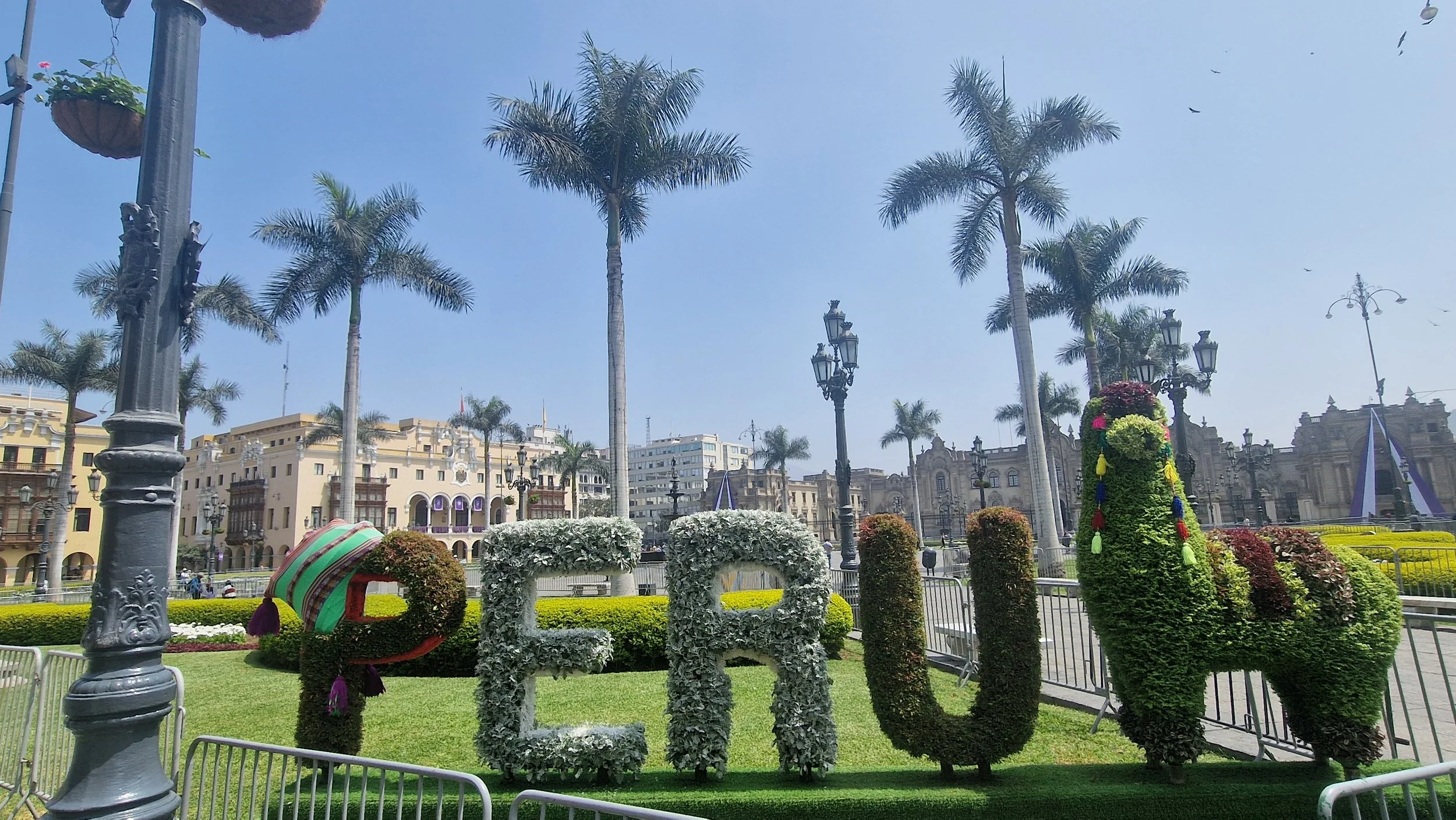
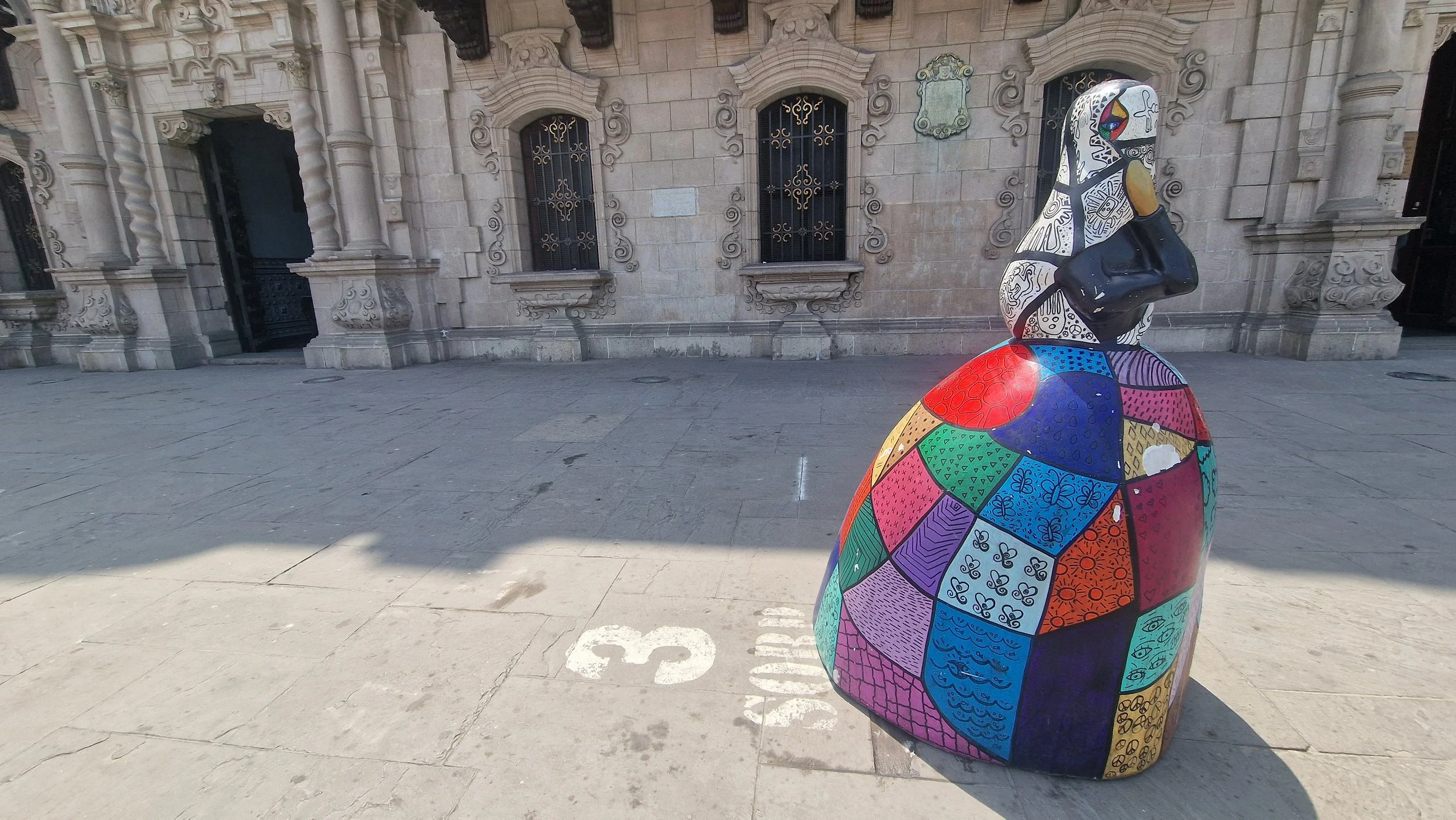
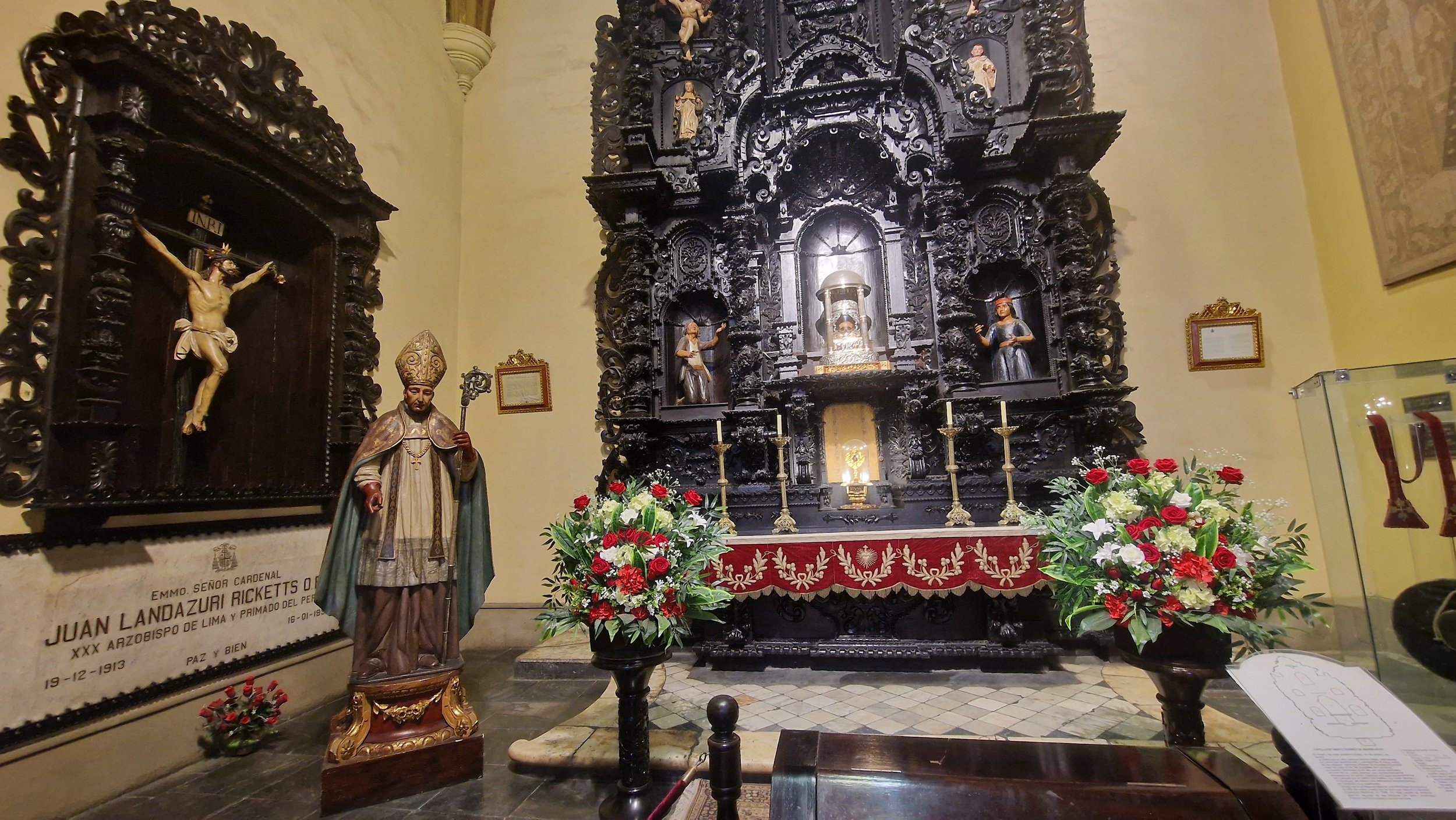
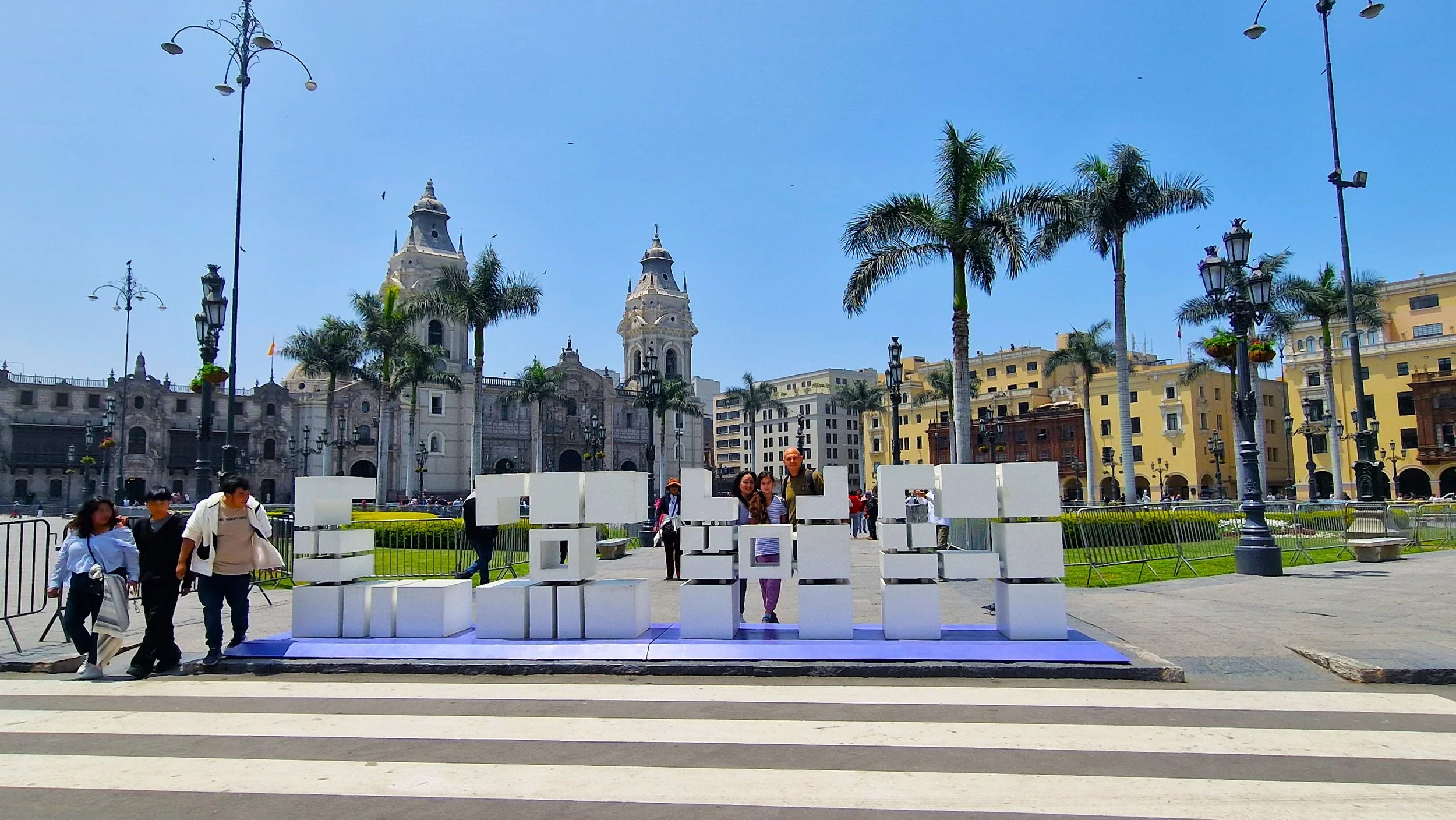
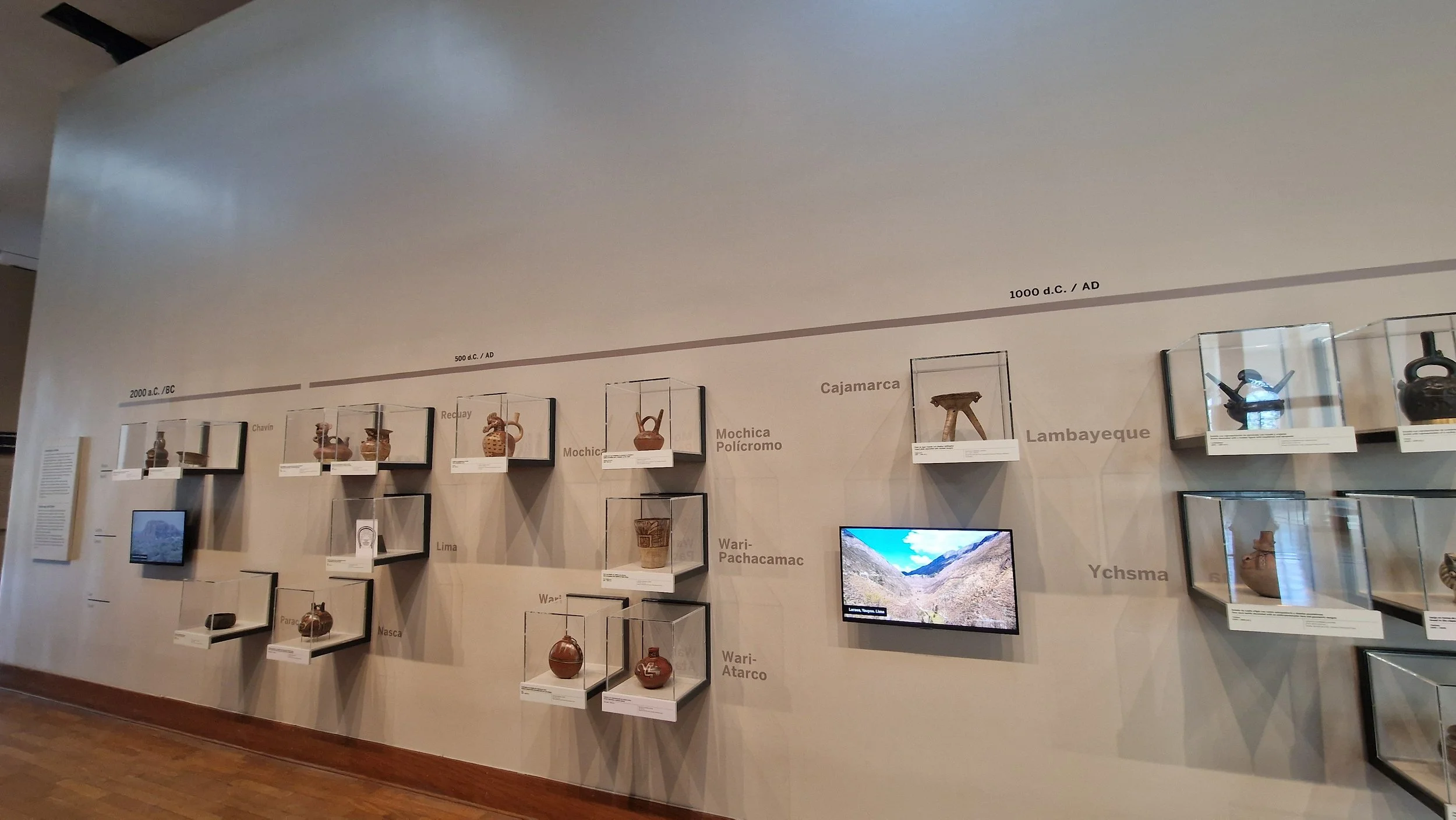
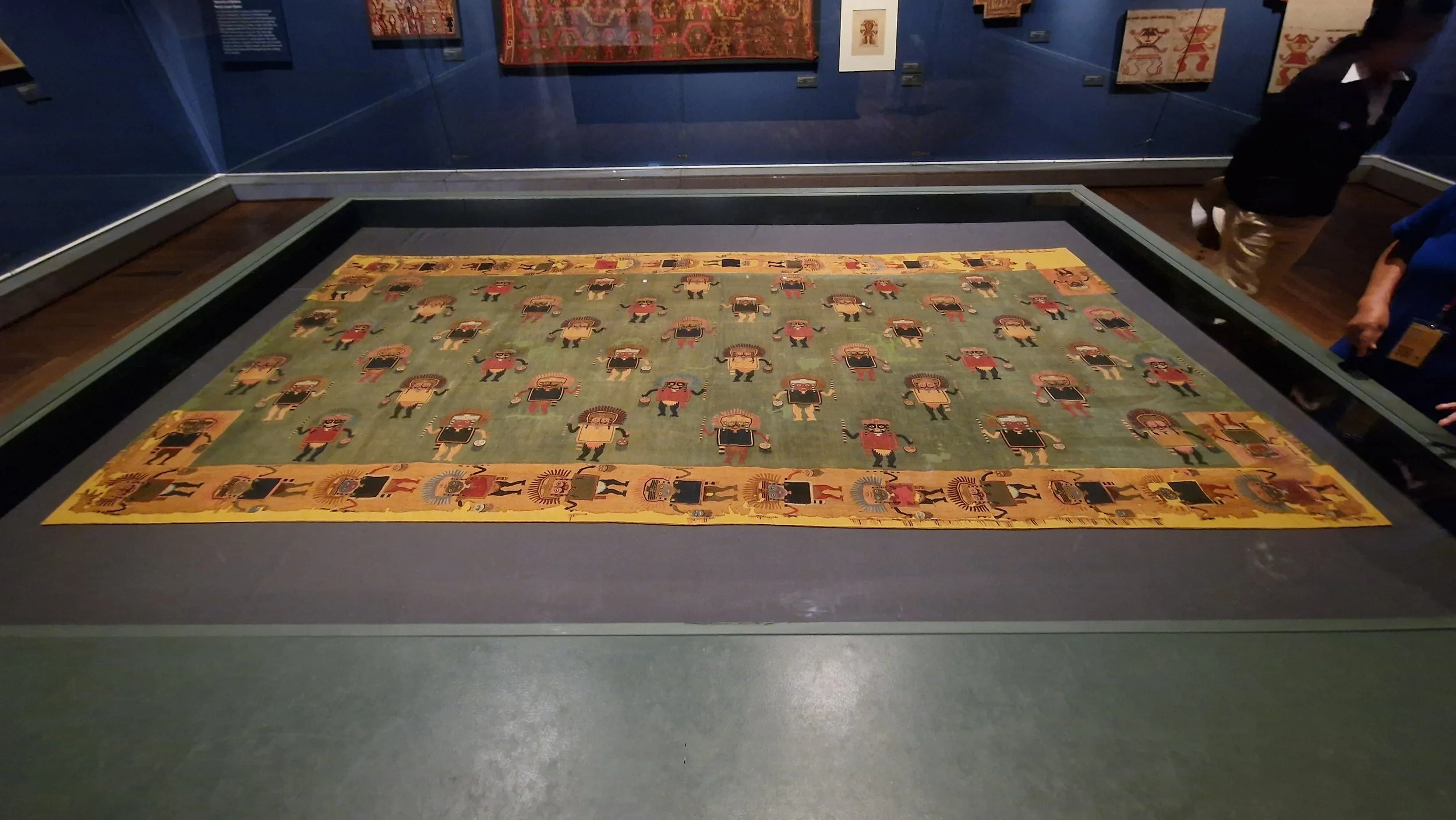
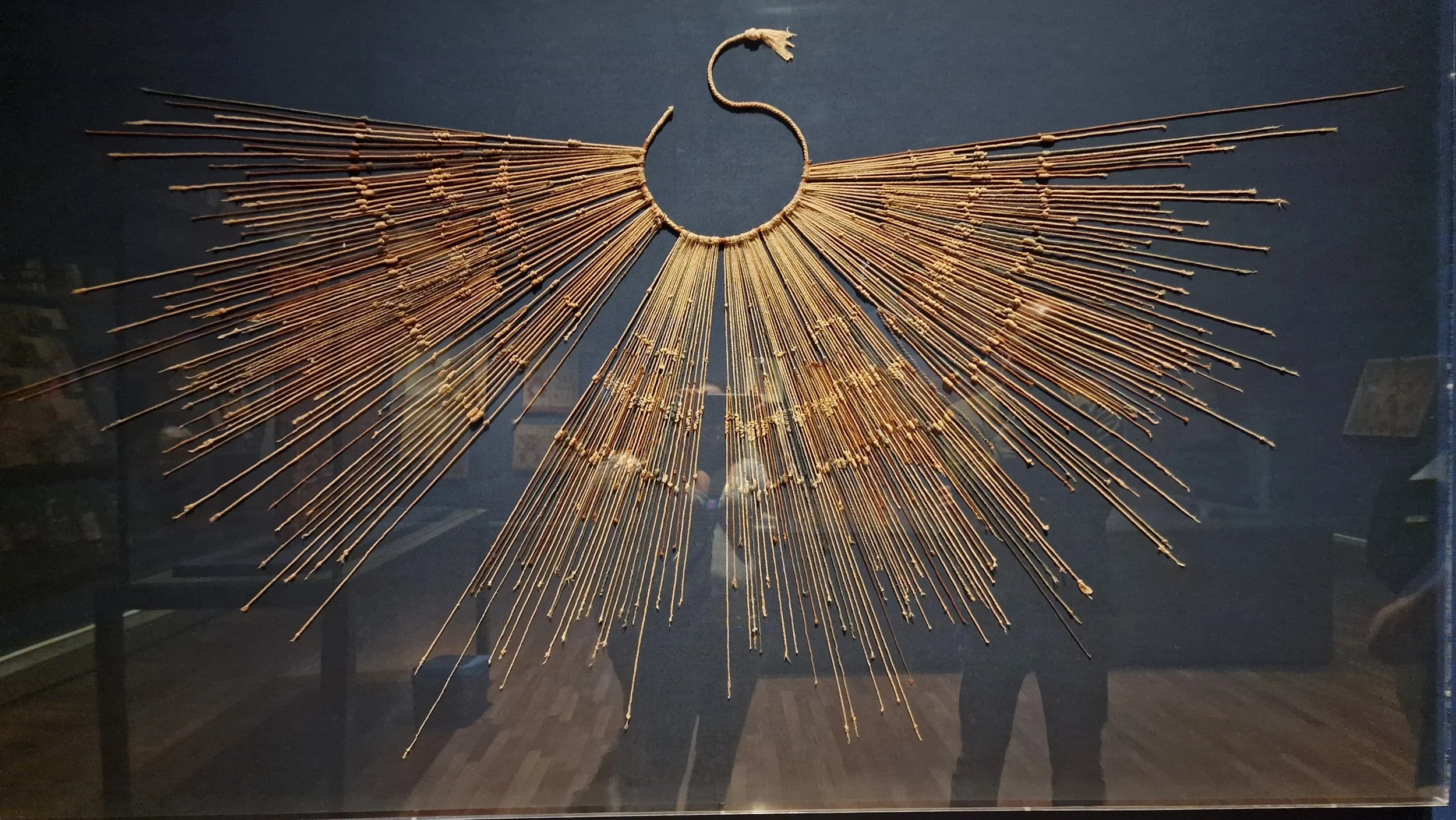
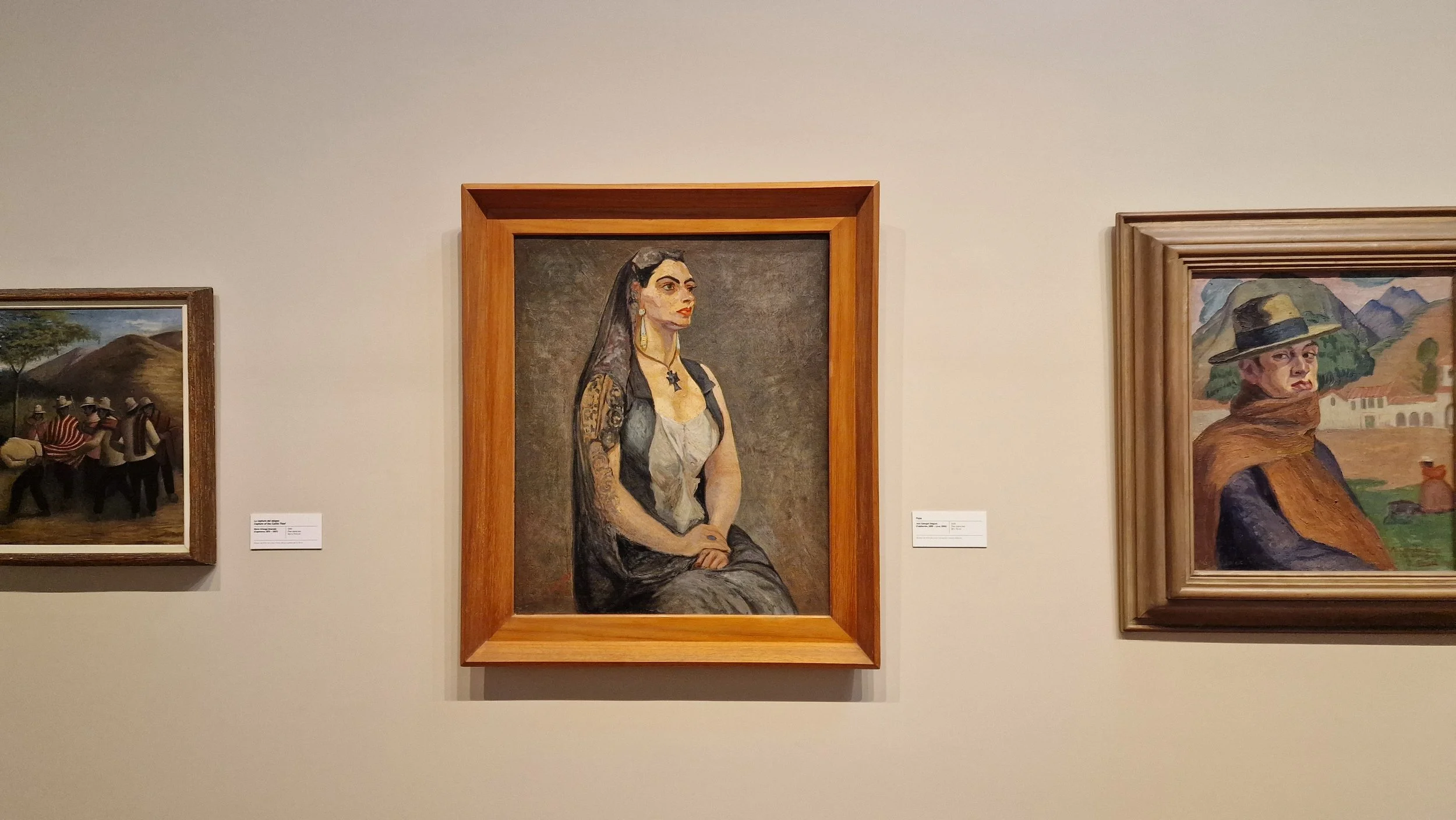
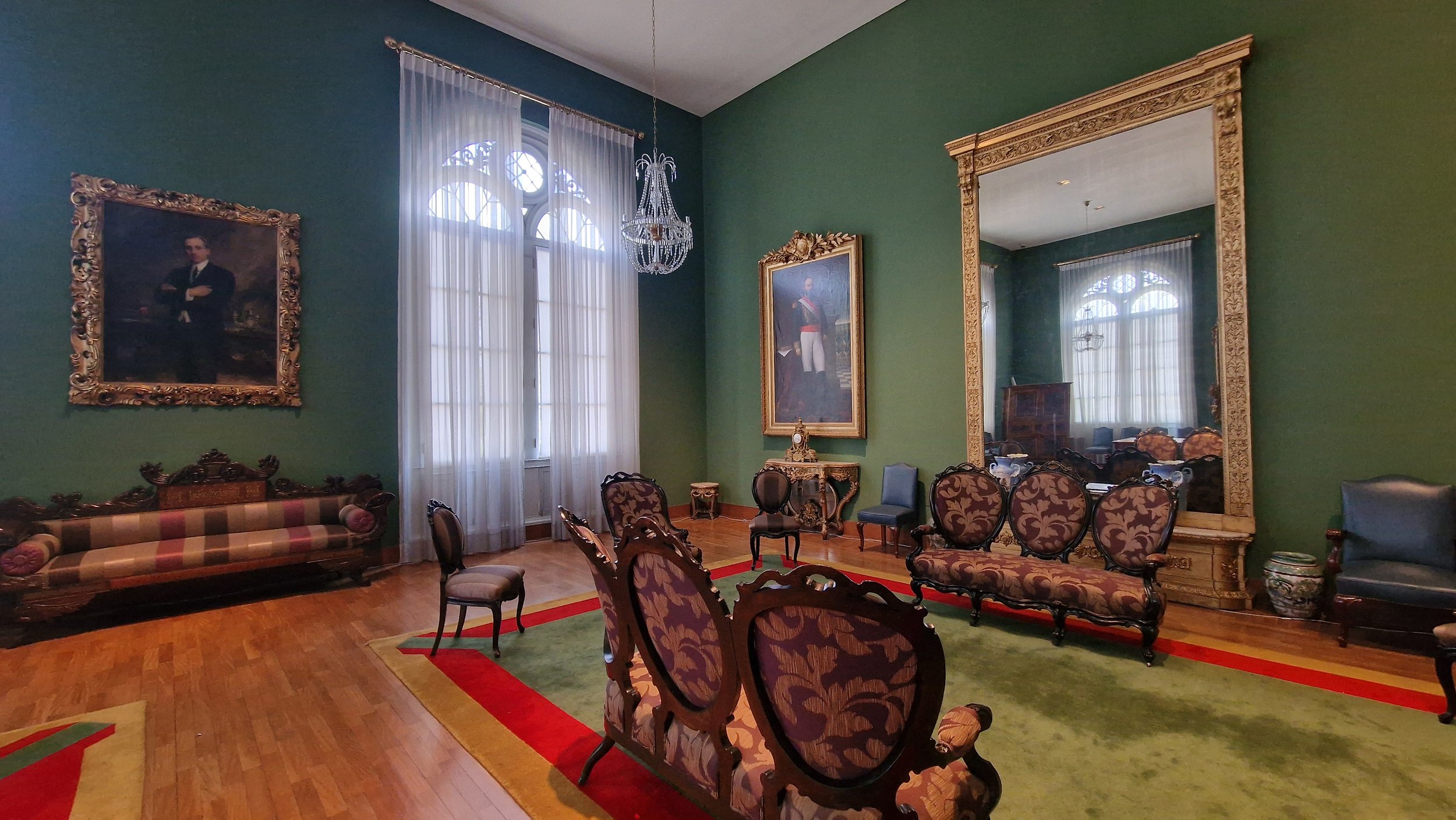
The city tour is a whirlwind of colonial splendor—Plaza Mayor, gilded cathedrals, the hushed cloisters of Santo Domingo. It's beautiful, a masterclass in Spanish colonial architecture laid over an Indigenous soul that refuses to cede its historical beauty and history. Yet, there’s a part of me that feels like I’m watching a performance. The snarky ghost of Bourdain whispers in my ear: are you a traveler or a tourist?
The city awakens as we step onto the cobblestones of Plaza Mayor, a UNESCO World Heritage site shimmering as its historic heart beats with a rhythm that feels both familiar and foreign—those gold-plated altars inside the cathedral are luminous, nearly too opulent to be real, while the carved wooden stalls breathe stories into the space. The Government Palace looms with quiet dignity, and City Hall and the Archbishop’s Palace stand as reminders of old power, their facades softening under Lima’s misty sky as vultures watch the world go by from the edges of palaces.
From the divine to the temporal, our guide leads us to the Lima Art Museum, MALI, where we step into a different kind of sacred space. A rare privilege awaits us—a quiet, behind-the-scenes tour of the museum’s restoration department. Here, art breathes anew under careful hands, each brushstroke reclaiming a piece of history’s fragility. Within its walls, 3,000 years of Peruvian art unfold like a visual symphony. Pre-Columbian artifacts gleam with earthy wisdom, while colonial paintings bear the touch of European hands interfering with an Indigenous world. The exhibit’s crescendo comes in the modern galleries, where bold colors and striking sculptures wrestle with identity, rebellion, and hope.
There is something profoundly introspective about walking through these spaces, each one a chapter in Lima’s living, complex narrative. The city’s layers fold in on themselves seamlessly—stories of conquest and resistance, of art as survival, of resilience as anchor. And in the silence between stories, I find echoes of my own questions about identity, about what we choose to preserve and why.
Just Say Ceviche
We woke to the golden light of another morning in Lima, greeted by the warmth of the hotel staff and the promise of another delightful breakfast spread. The table was a vibrant array of flavors—ripe tropical fruits, freshly baked bread, and steaming cups of Peruvian coffee, each sip and bite a gentle reminder of the culinary wonders this city holds.
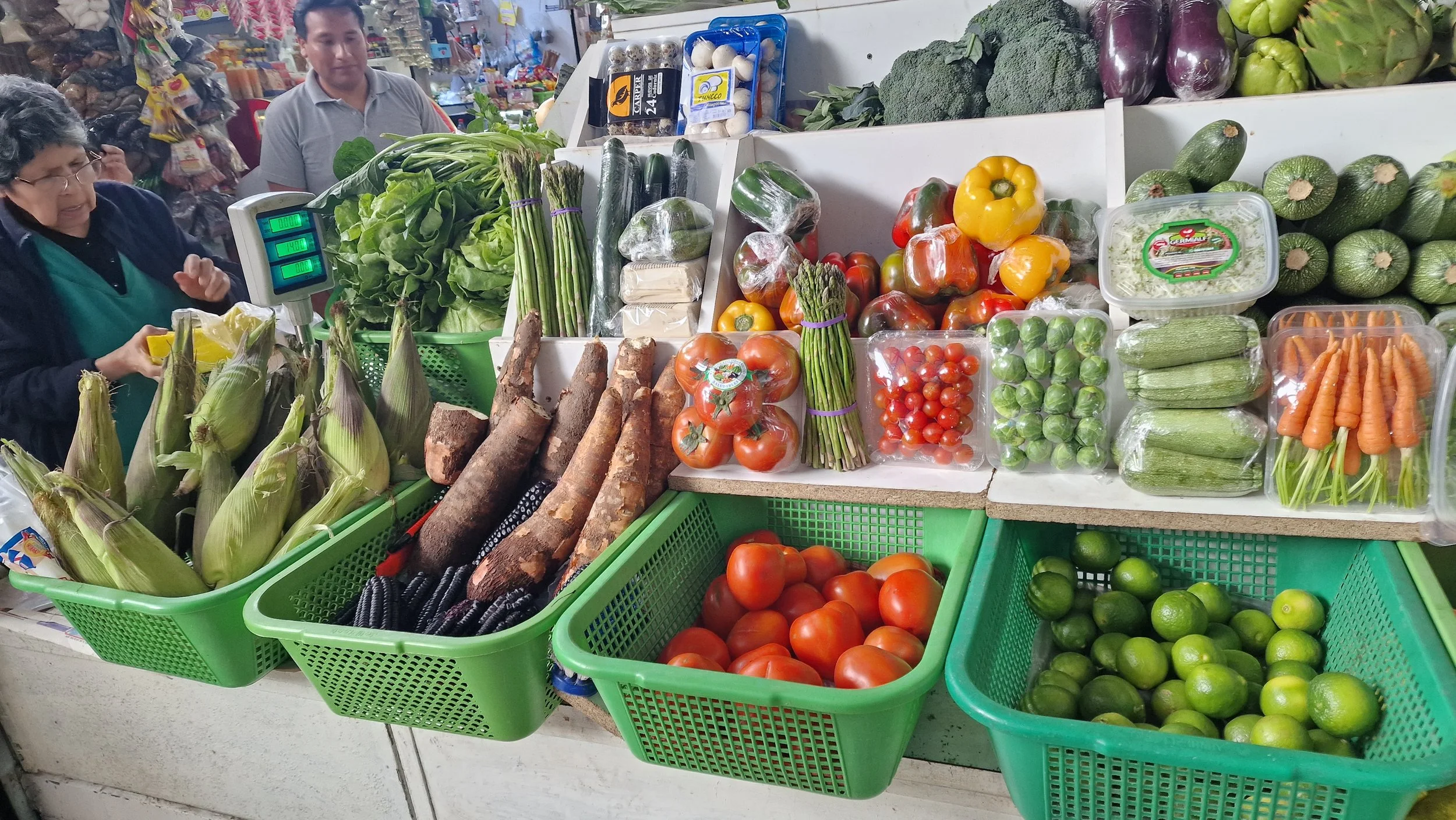
At 09:30hs, we met César in the hotel lobby, anticipation buzzing through us as we embarked on our next experience. Accompanied by this passionate local chef, we stepped into a bustling market alive with colors, textures, and the hum of daily life. The market was a feast for the senses, where every stand seemed to tell a story steeped in culture—fresh herbs, vibrant peppers, and the enchanting scent of native fruits filled the air. Under the César’s guidance, we gathered the finest ingredients, preparing to transform them into something extraordinary.
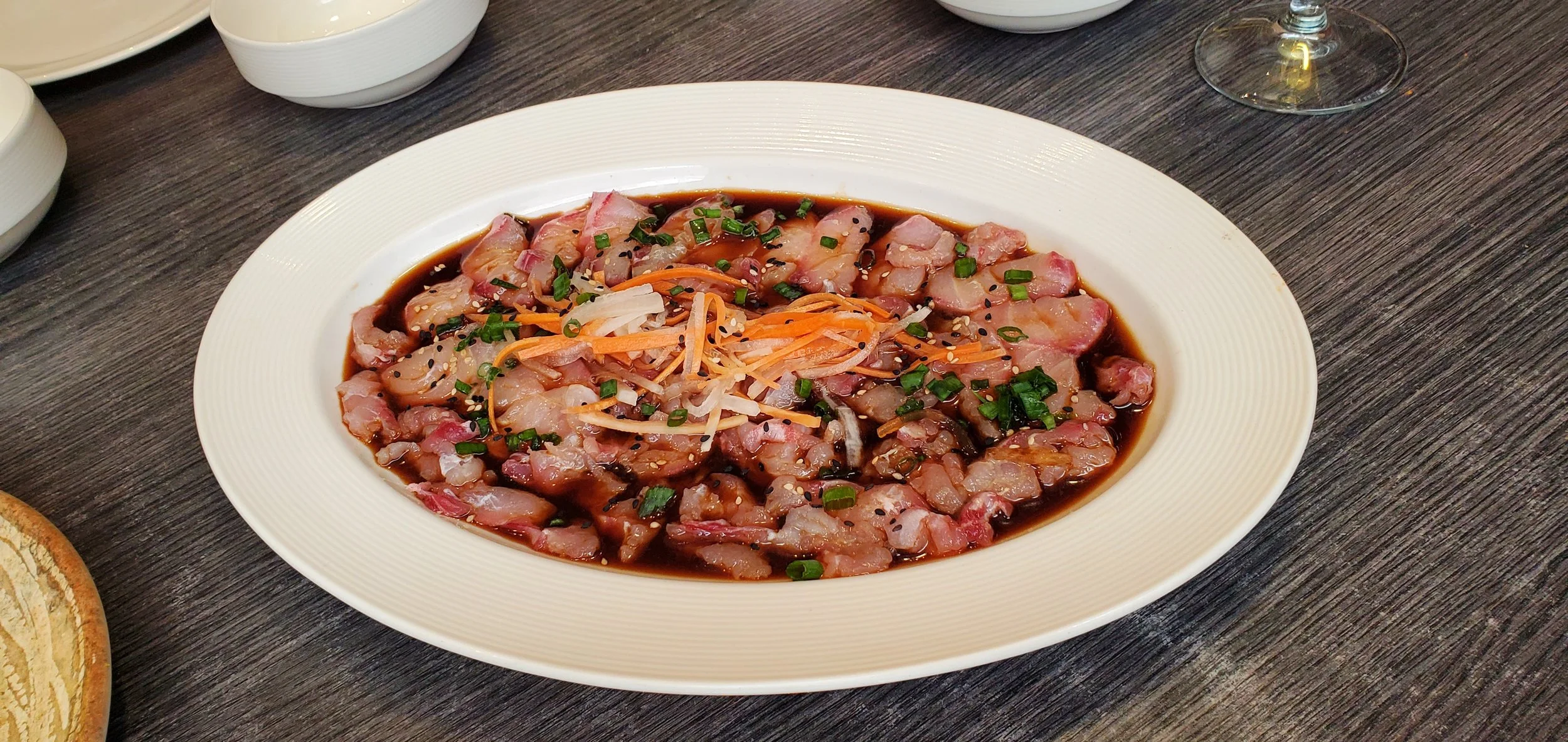
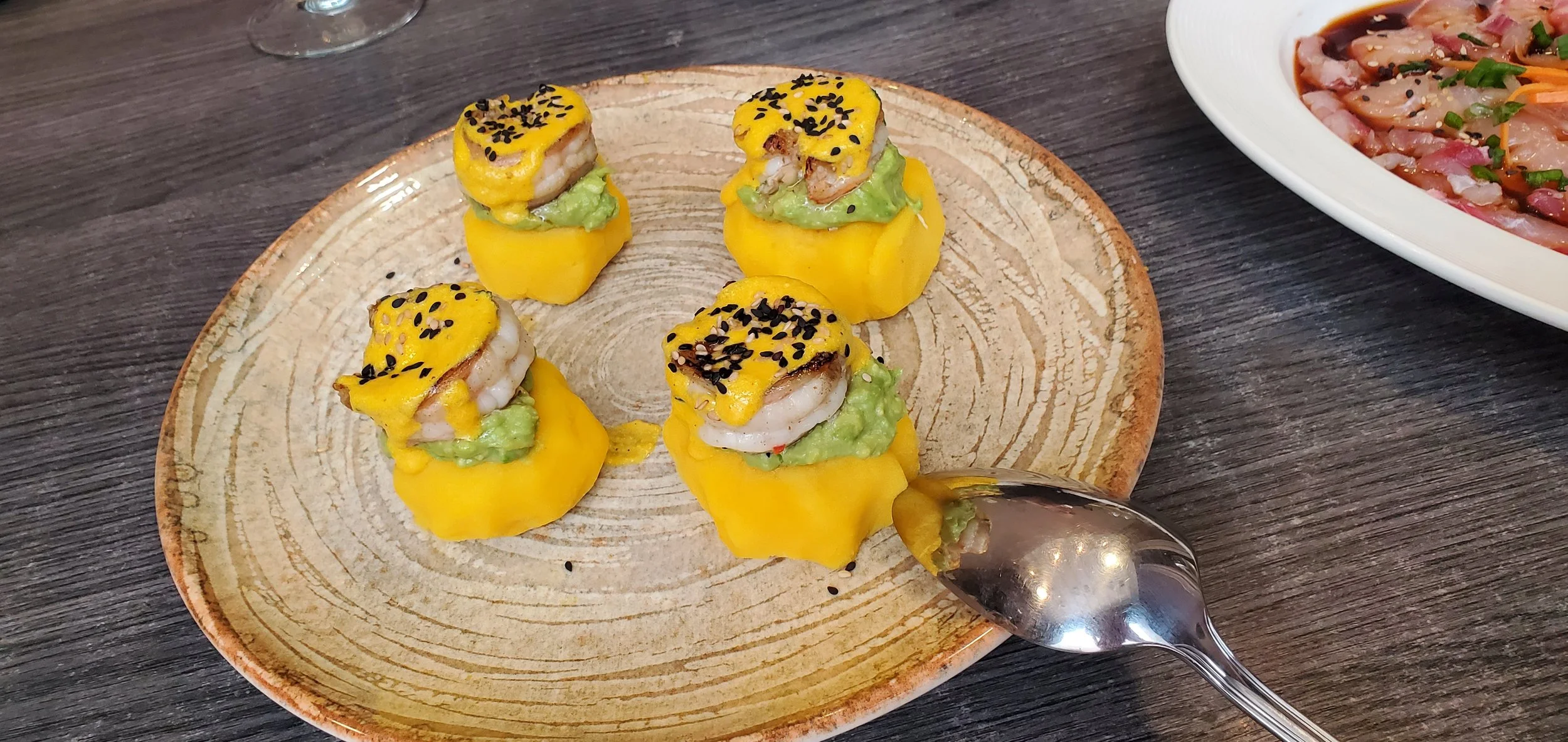
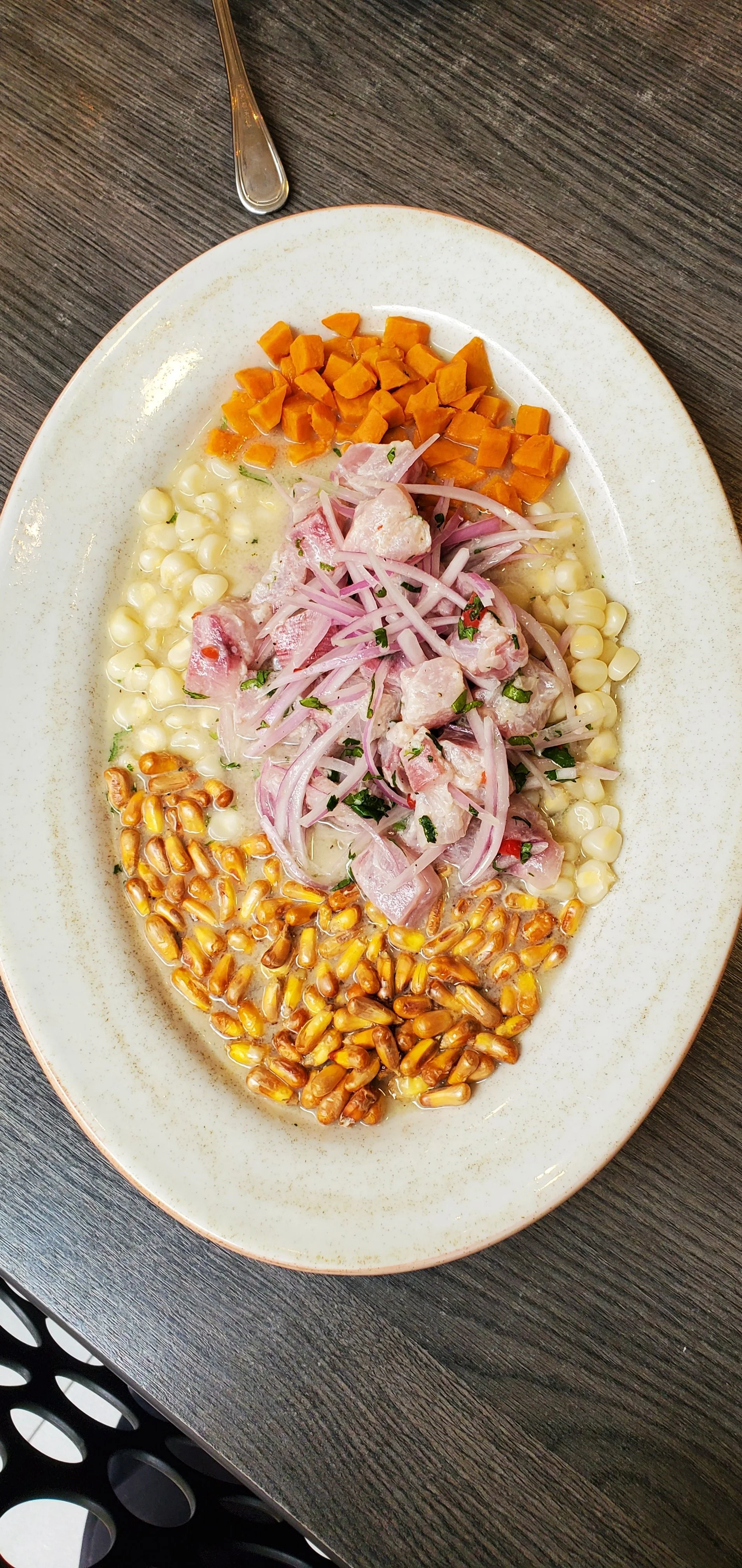
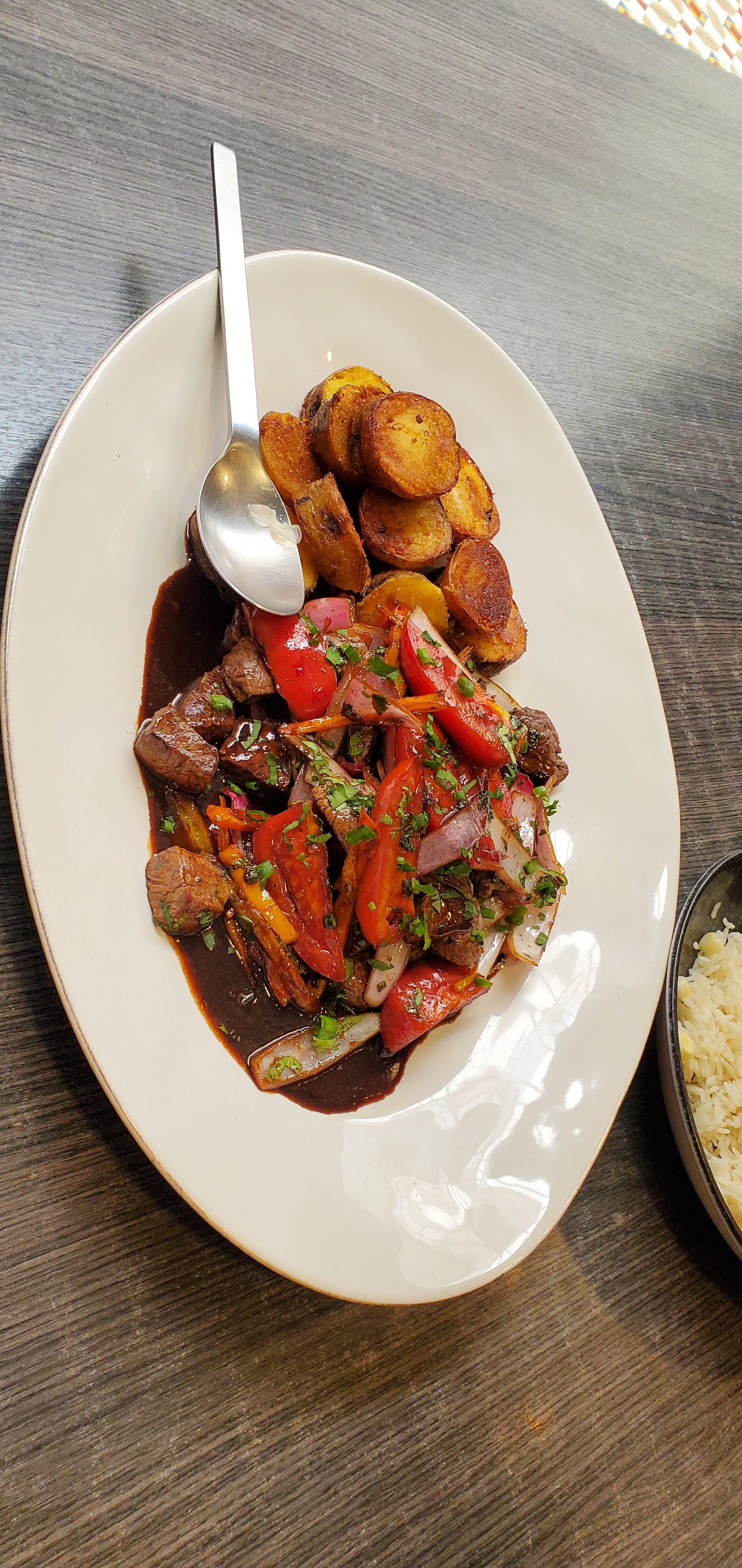
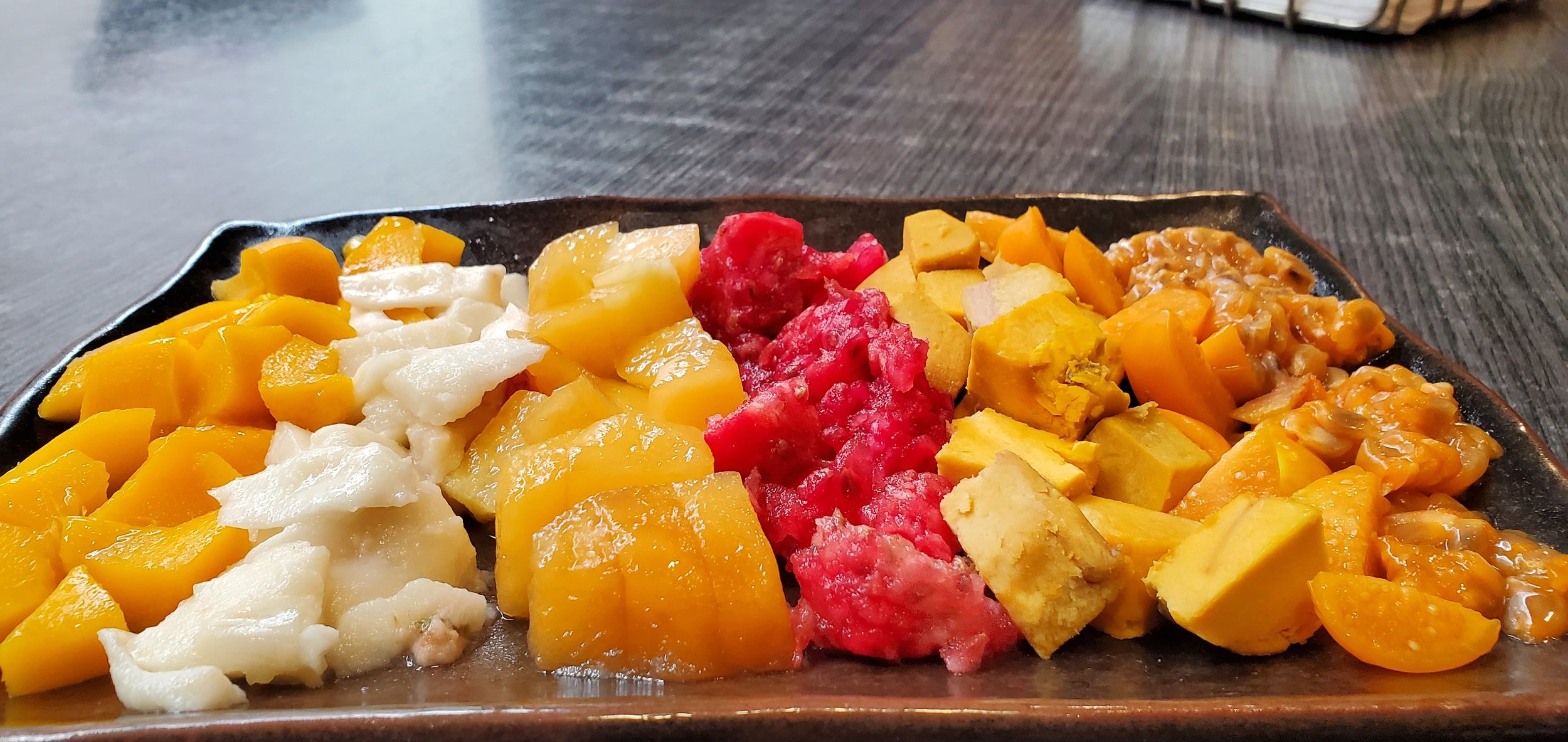
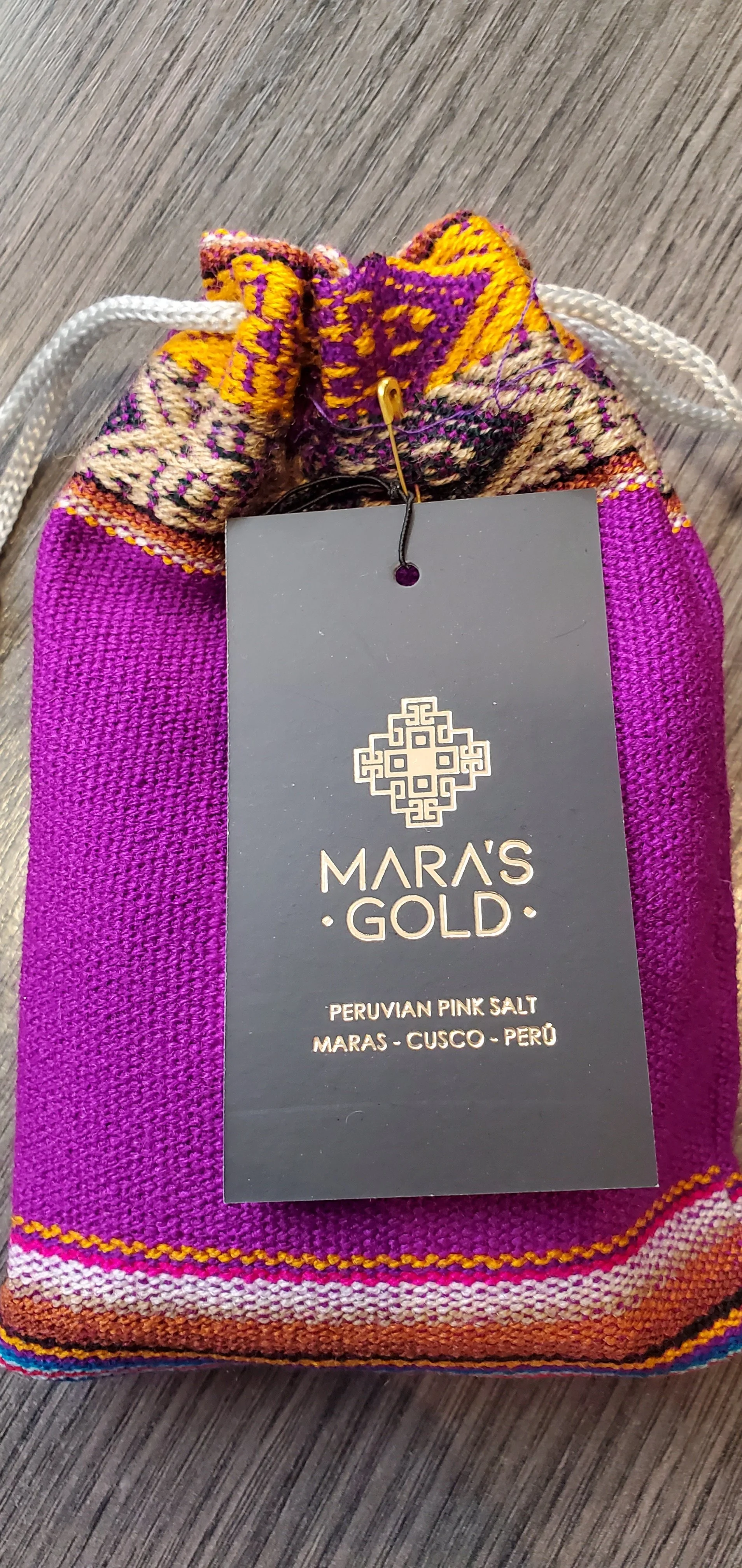
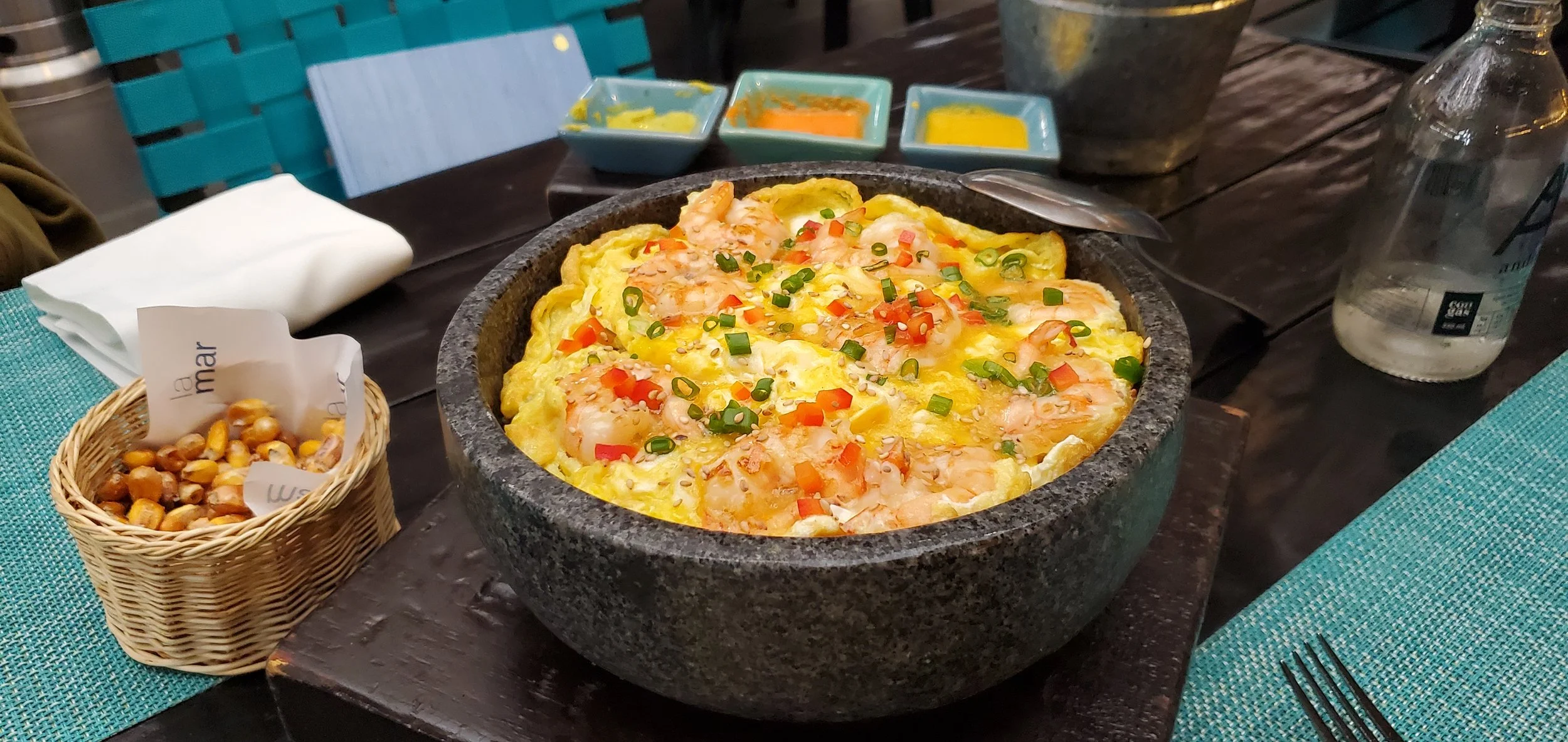
Back in the kitchen, the culinary adventure unfolded. Together, we crafted Peruvian classics—learning to slice and cure fish with care for traditional ceviche and mastering the sizzling art of lomo saltado. The atmosphere was alive with laughter, curiosity, and the satisfying rhythm of shared tasks. When the cooking came to an end, we sat together, tasting the fruits of our labor. Every bite was rich with tradition and the fusion of cultures that defines Peruvian cuisine. Dessert arrived paired with stories of history, of how these dishes evolved, threaded with influences from far corners of the world but distinctly Peruvian at their core. At the close, we were presented with local salt—not just as souvenirs, but as symbols of our connection to this beautiful culture.
At 14:30, we once again gathered in the hotel lobby, this time meeting Jenny to begin our tour of the Barranco district. Renowned for its bohemian charm, Barranco stood as a tapestry of history and creativity. Strolling through the Parque Municipal, we were captivated by the grace of its architecture, notably the striking library building that commanded attention. From there, we made our way toward the ocean to the Puente de Los Suspiros, the storied Bridge of Sighs unveiled in 1876, its charm and history echoing through every weathered beam.
Jenny shared anecdotes through every step, her voice weaving ancient history with the whispers of modern fame. She spoke of guiding Dave Chappelle and his family along this very path not long ago, her stories breathing yet another lively whisper into Barranco’s narrative. The day felt like a reflection of Lima itself—vivid, layered, and alive with stories waiting to be heard.
I find a flicker of the Peru I remember. But the real journey begins when we leave the city behind.
Arequipa & Colca Canyon
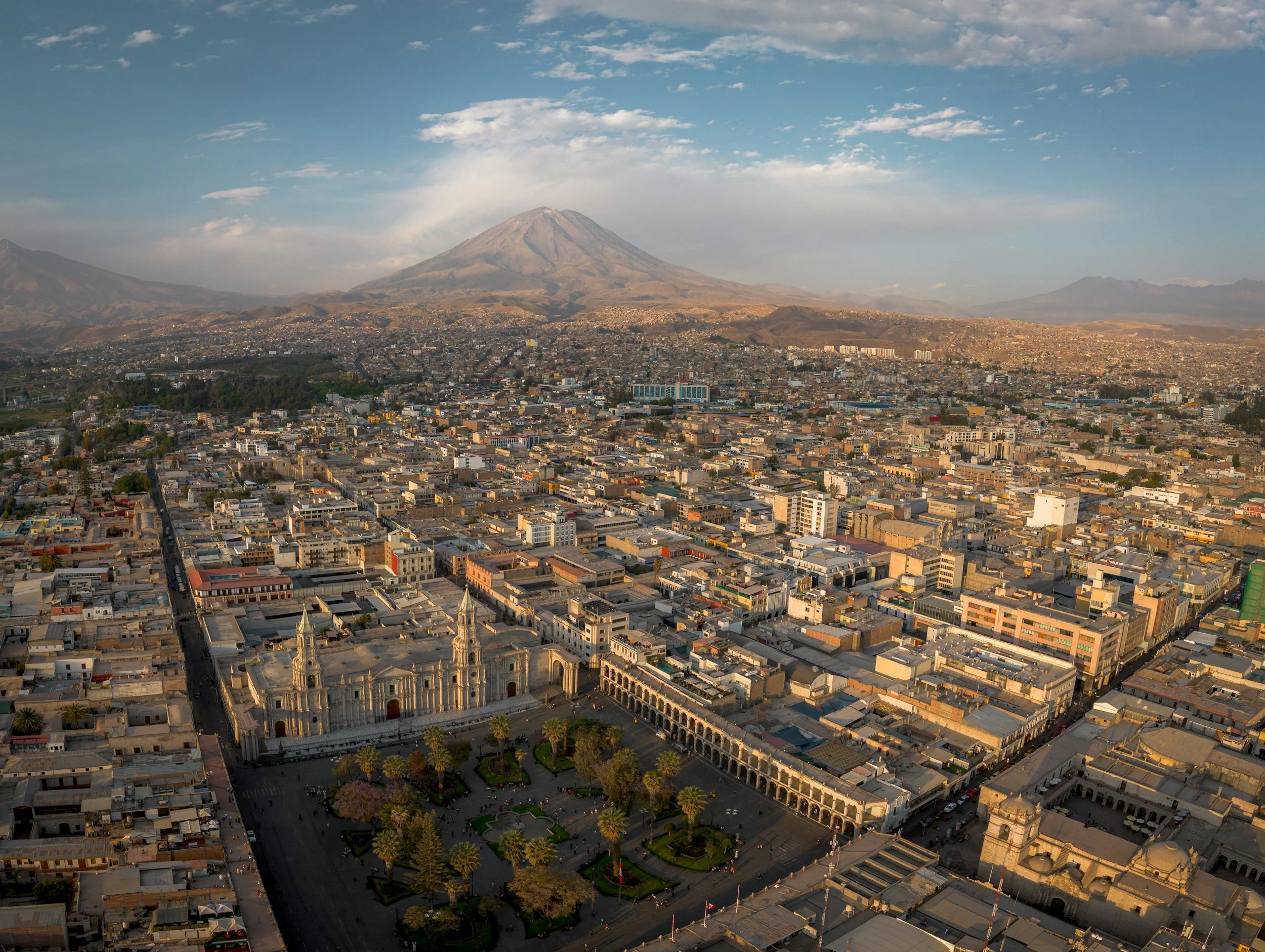
Arequipa
A flight to Arequipa, then a five-hour drive into Colca Canyon. The landscape transforms from urban sprawl to high-altitude desert. We pass through the Pampa Cañahuas reserve, where vicuñas, elegant and wild, graze against a backdrop of epic emptiness. The air thins. The world expands. This is the Peru of the imagination, a place of stark beauty and ancient rhythms. Our destination is Las Casitas, but here the luxury feels different. It’s the luxury of space, of silence broken only by the wind, of a sky so full of stars it feels like you could fall into it. I can feel the altitude pressing into my lungs as I recline the seat back, hoping it will help my breathing. The guides and driver look to me with concern and pass me a bottle of Agua de Florida to place on my palms and inhale deeply. It's refreshing and invigorating, a herbal blend locals use to help with the effects of high altitude and the crushing headaches that can come along for the journey.
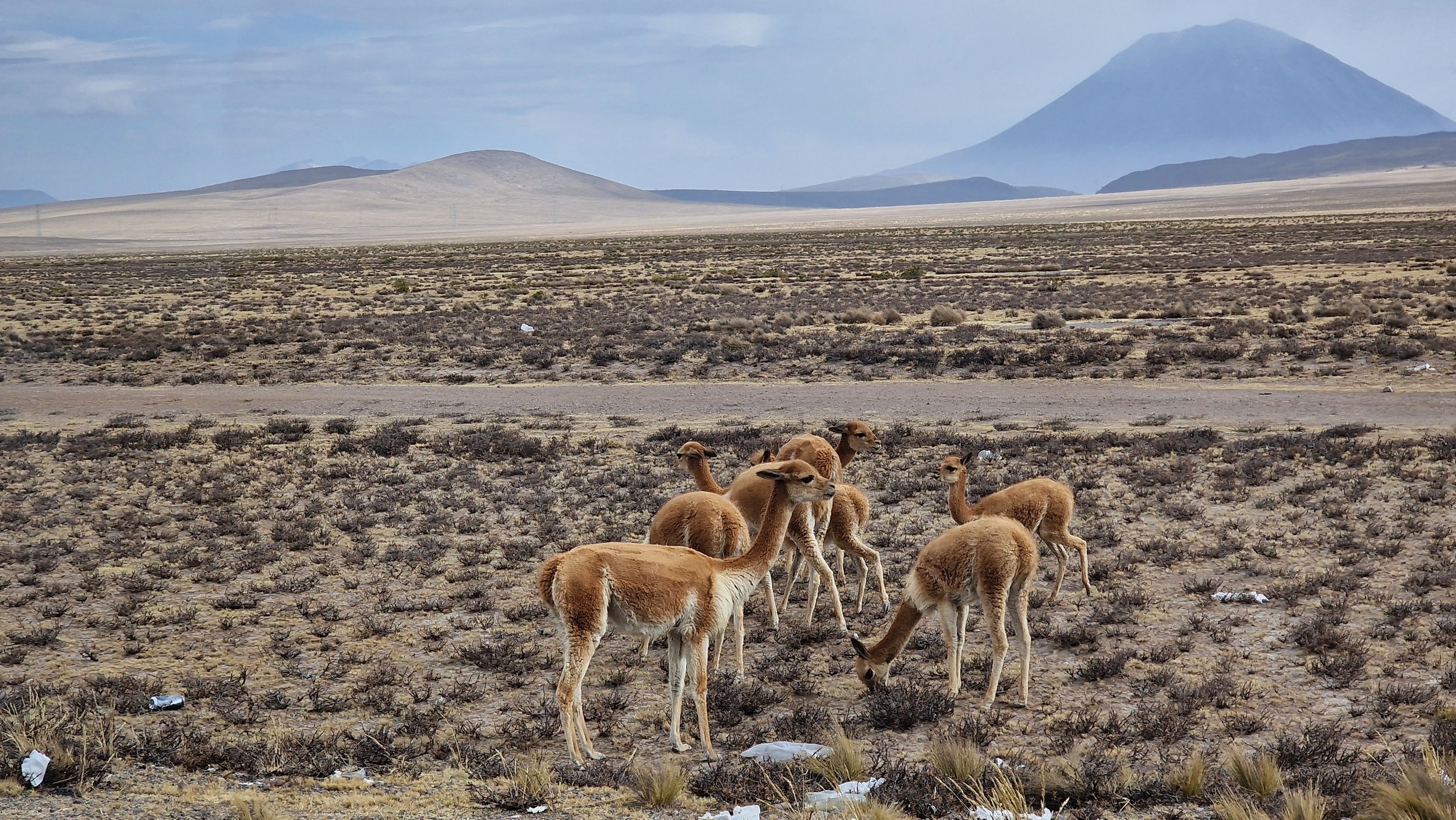
Vicuñas at the Pampa Cañahuas Reserve
The drive to Las Casitas is an opportunity for reflection and contemplation. As we pass by small villages nestled in the valleys, I am struck by the beauty of this isolated region. Time seems to slow down, and worries and stresses melt away as I take in the vast landscape before me. The Andes Mountains rise majestically in the distance, their peaks shrouded in clouds, reminding me of how small we are in this world.
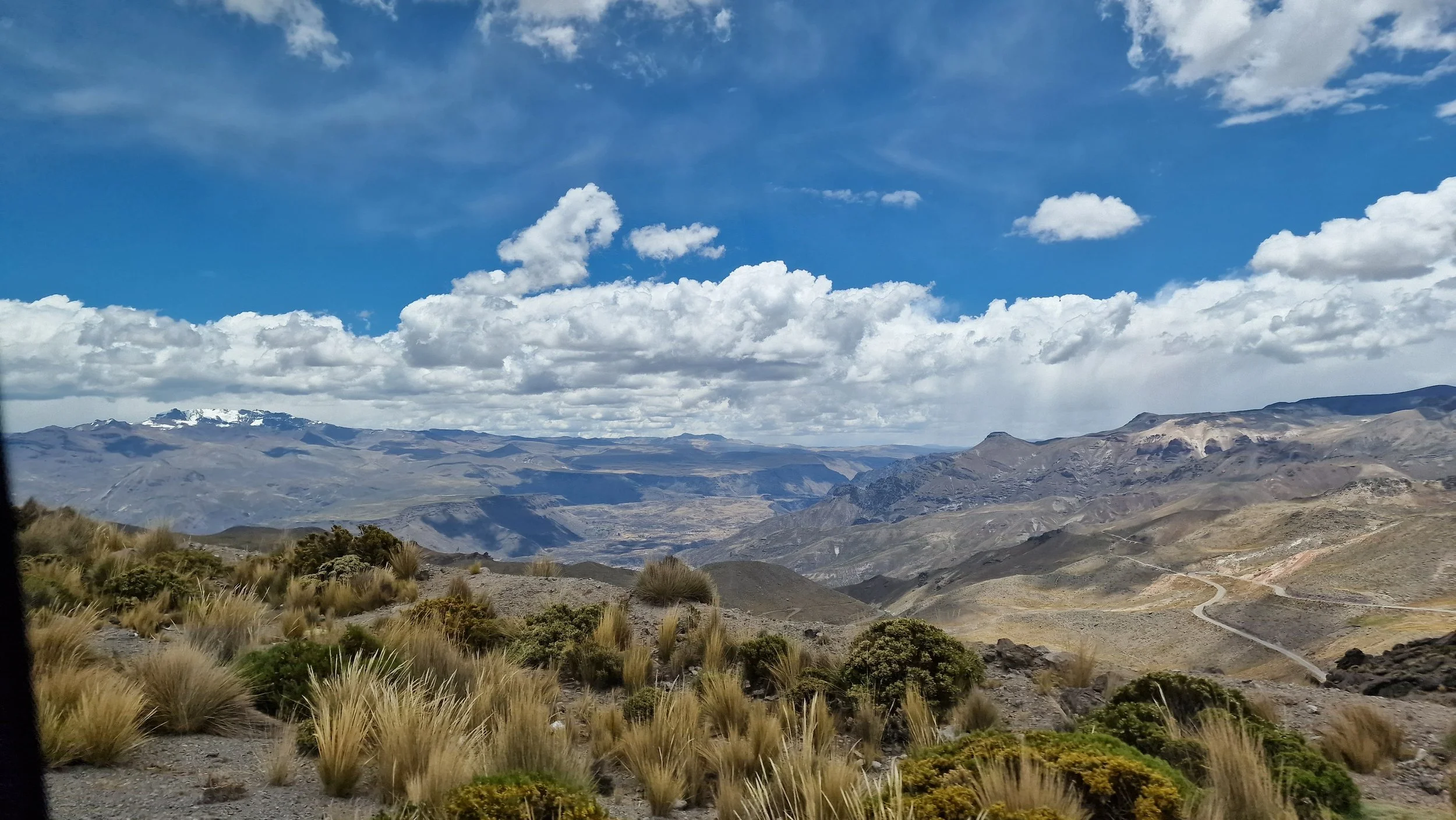
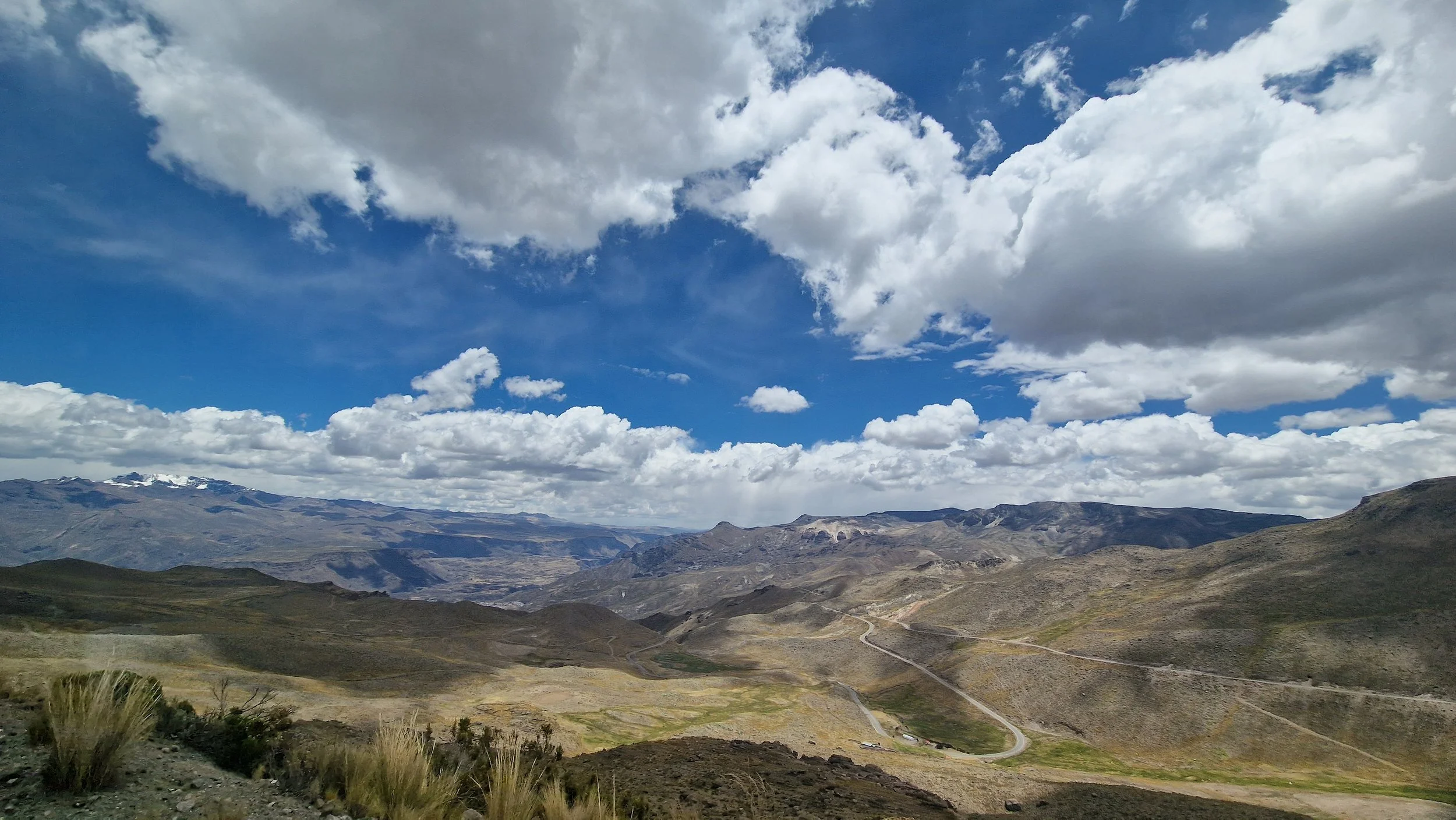
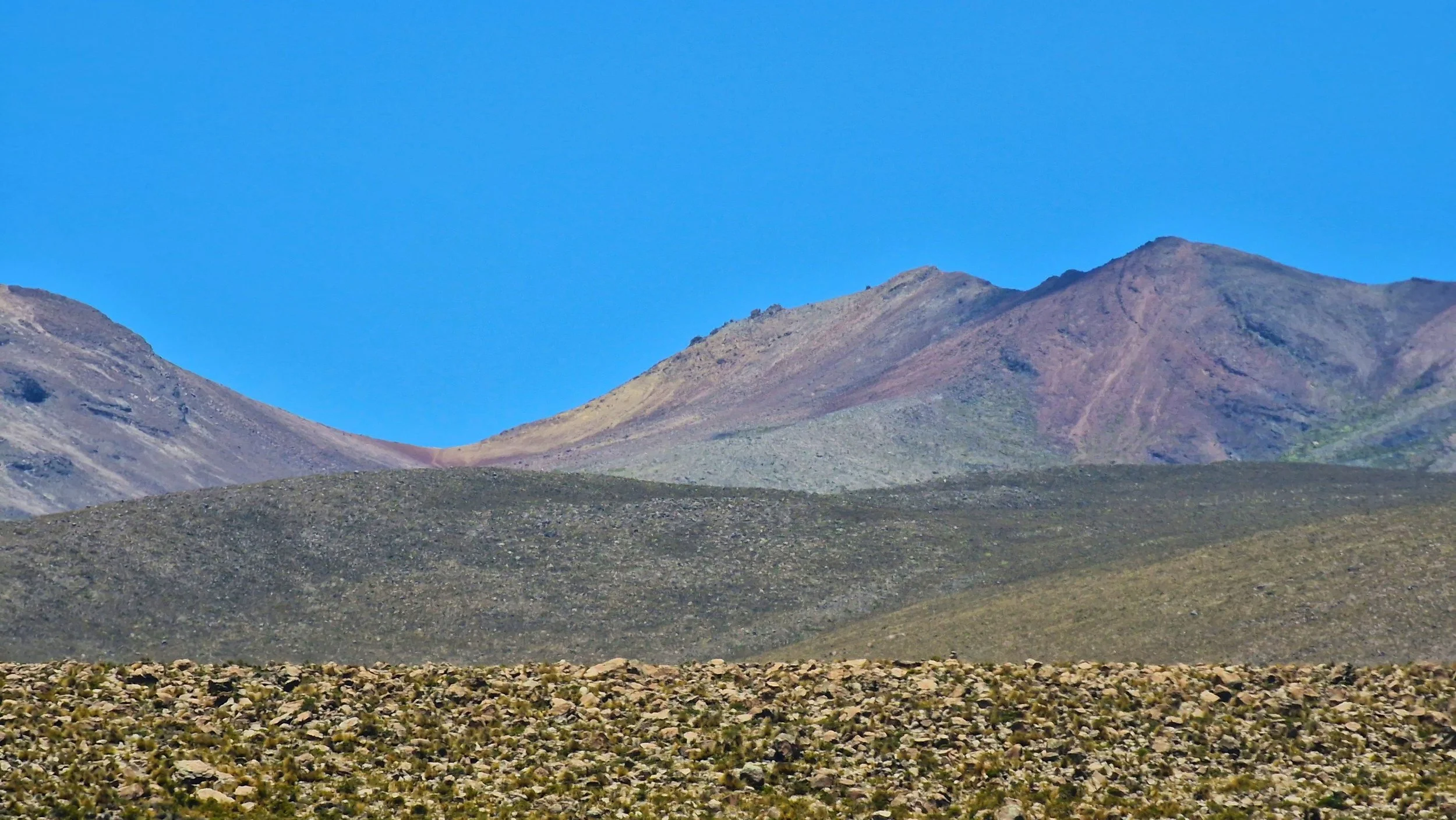
The road to the hotel, is much more than a simple route—it is a poetic passage through time and nature’s raw artistry. Climbing onwards, we’re cradled in the majestic landscape like a mountain hymn. Flocks of migratory birds dance over the silvered water, their wings painting fleeting brushstrokes against the highland skies. Each turn of the road seems to peel back a new layer of splendor, culminating in Patapampa—a place of reverence with its elevated viewpoint at around 4910 meters (16,000 ft). Here, the volcanic sentinels of Arequipa rise like timeless guardians, their snowcapped peaks piercing the heavens, their presence both humbling and profound.
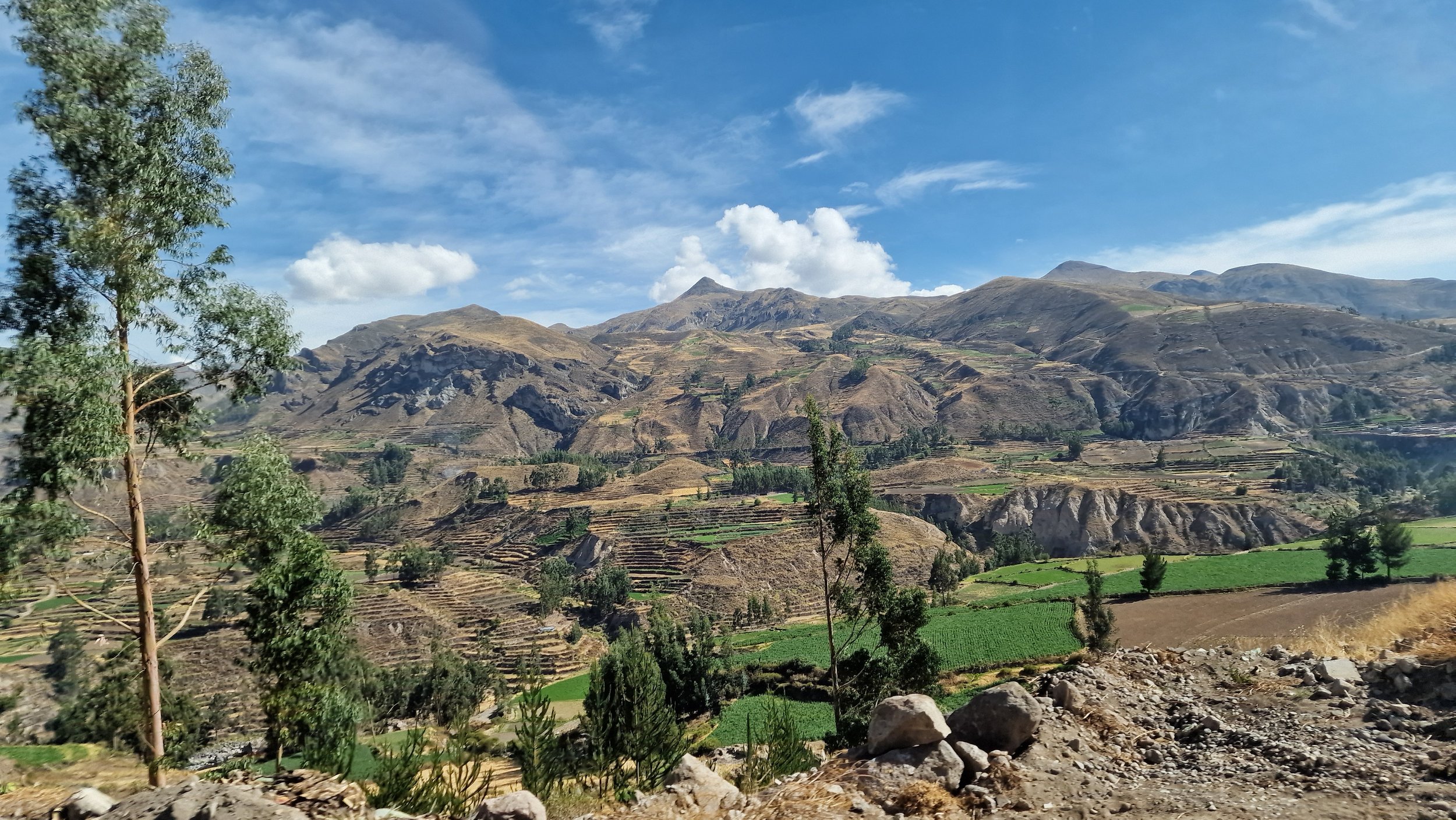
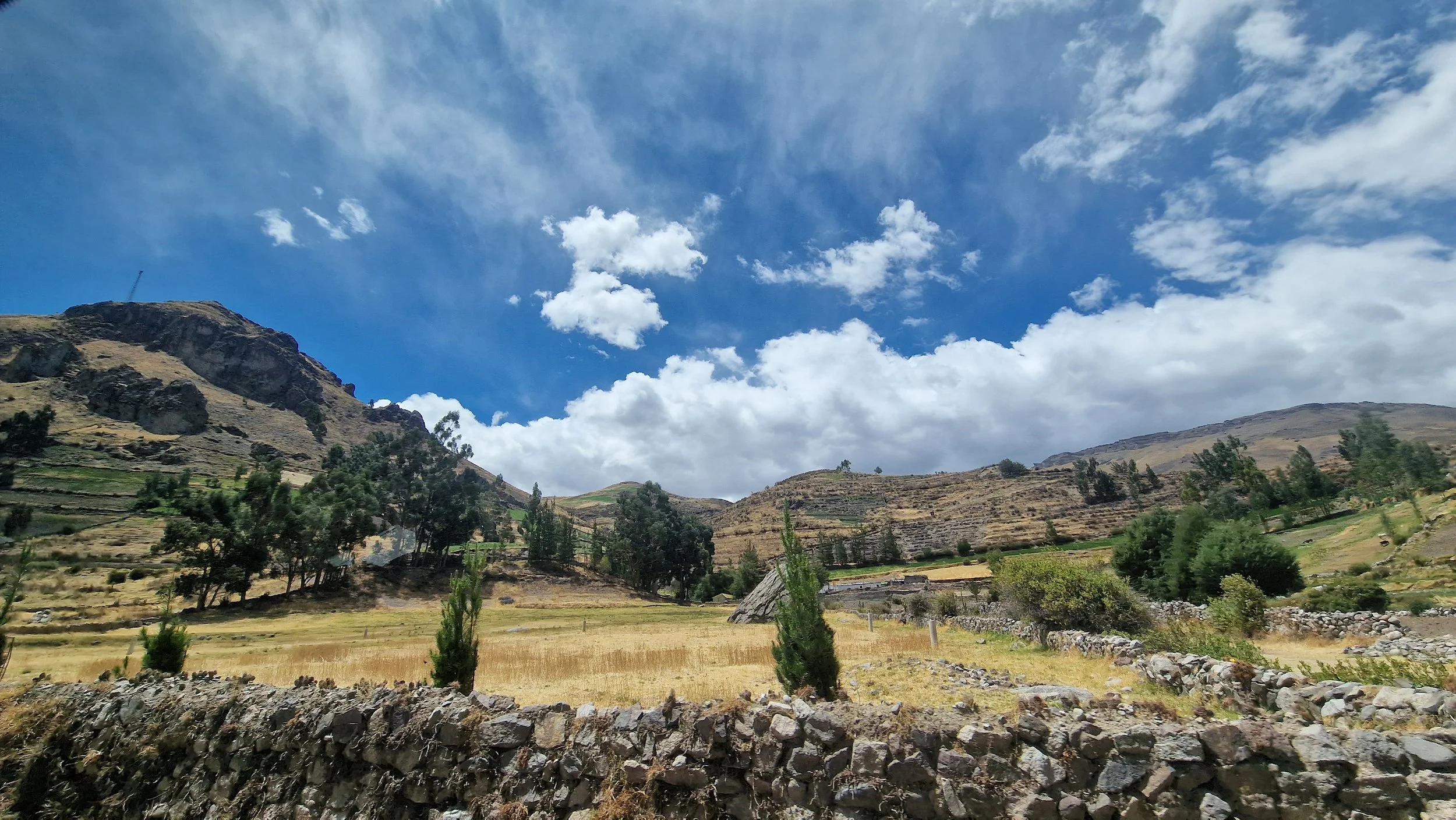
And then, the Colca Valley itself—an orchestra of natural grandeur and human history. The terraced slopes, meticulously carved into the earth by the hands of pre-Inca ancestors, ripple like emerald waves against the rugged backdrop of the Andes. Ancient villages rest like quiet echoes of the past, their 16th-century colonial facades still vibrant with life. Fourteen towns, each a testament to the resilience and artistry of the Collagua and Cabana tribes, stand elegantly among the canyon walls. It is said that if you lift your gaze to the skies, you may see condors soaring—majestic, sacred, eternal. These messengers of the gods remind you that here, in the heart of the Colca Canyon, time is a thread that binds the modern traveler to the spiritual and earthly marvels of an ancient world.
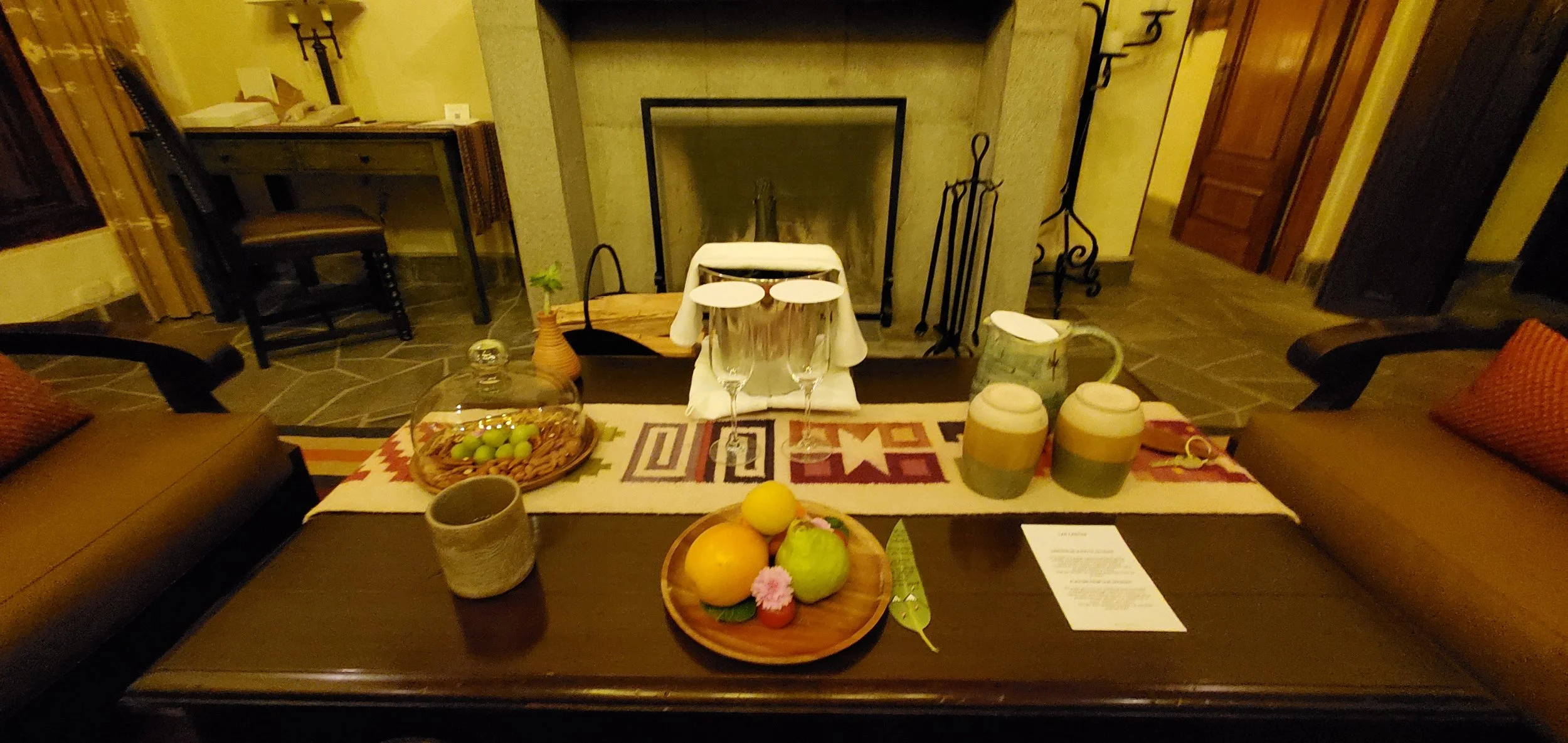
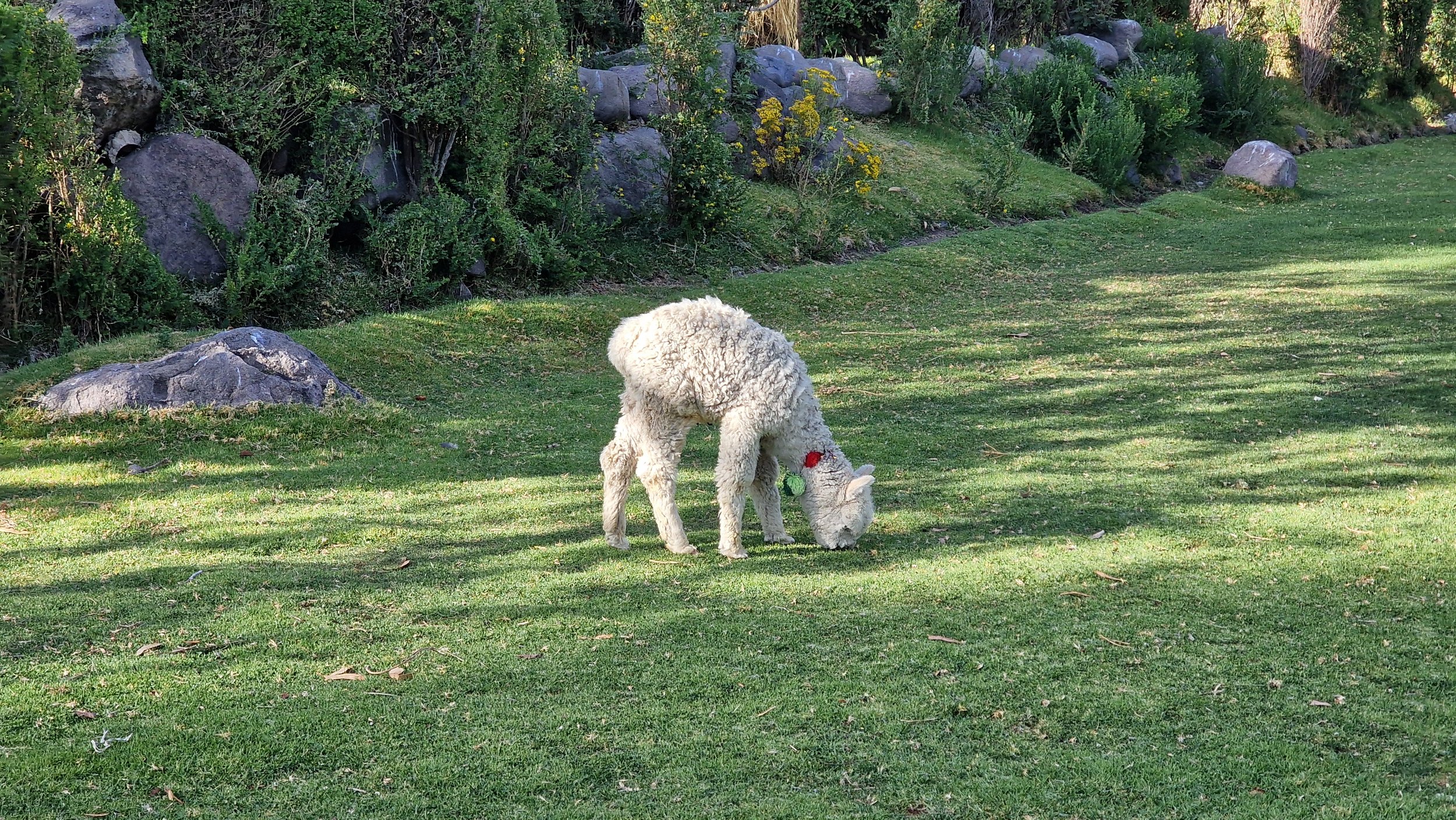
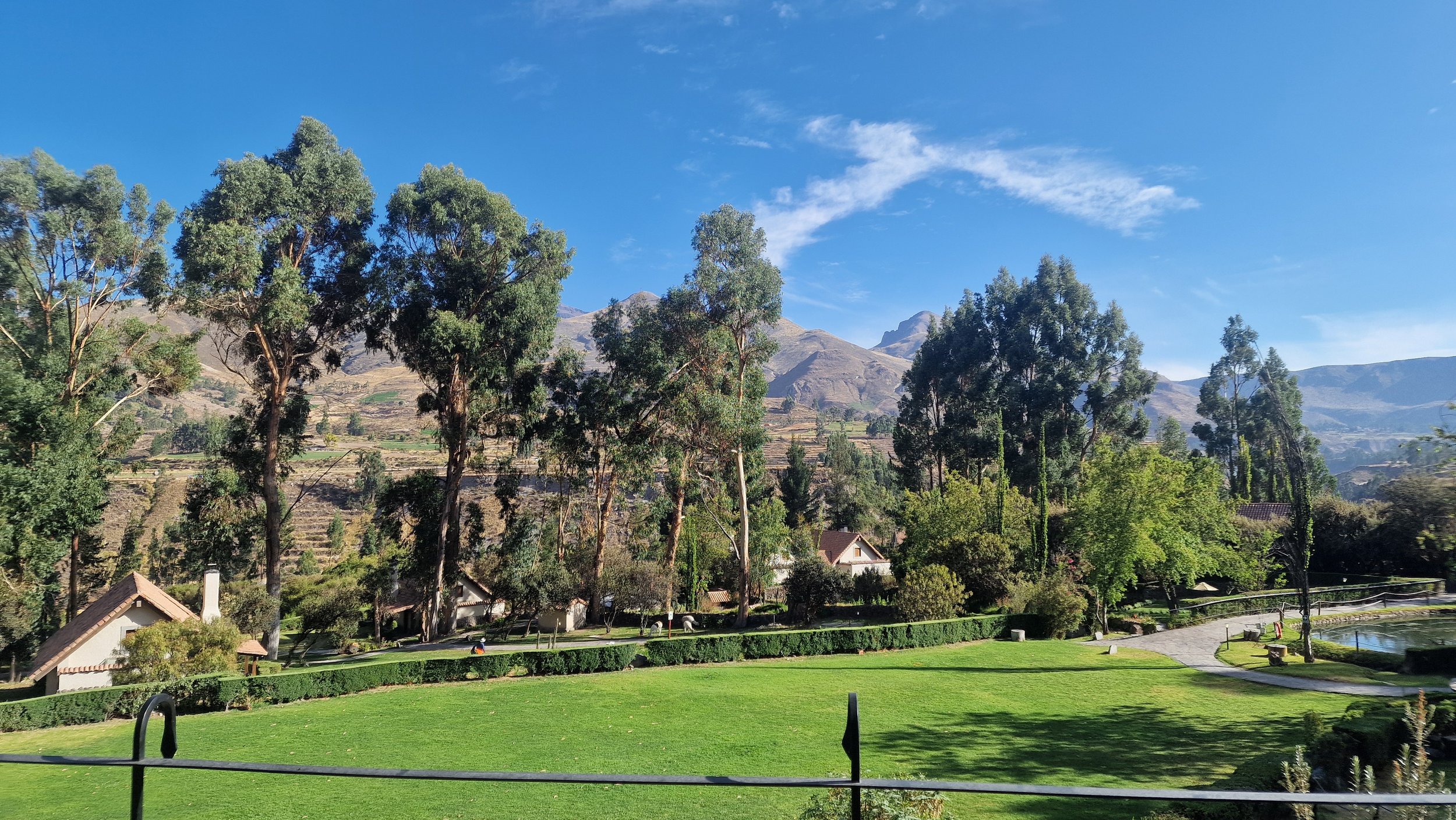
Arriving at Las Casitas feels like stepping into another time and place. The property is located within an ancient settlement with a vista of Ichupampa, and the architecture reflects this rich history. Stone walls line the pathways, leading to intimate casitas nestled in the lush greenery. Each one is unique, adorned with traditional textiles and handcrafted furniture. However, in this altitude, walking up five steps or even the slightest incline felt like reaching Everest Base Camp 2—so much to the point that I needed a medic with an oxygen tank upon arrival at dinner. However, it’s the local tea that really helps me get by for the rest of the trip.
But it's not just the physical beauty that captivates me here and allows me to tolerate the respiratory discomfort. It's the sense of peace and serenity that permeates through every corner of Las Casitas. Perhaps it's because we are so far from the hustle and bustle of modern life, or maybe it's the spiritual energy that still lingers within these ancient walls.
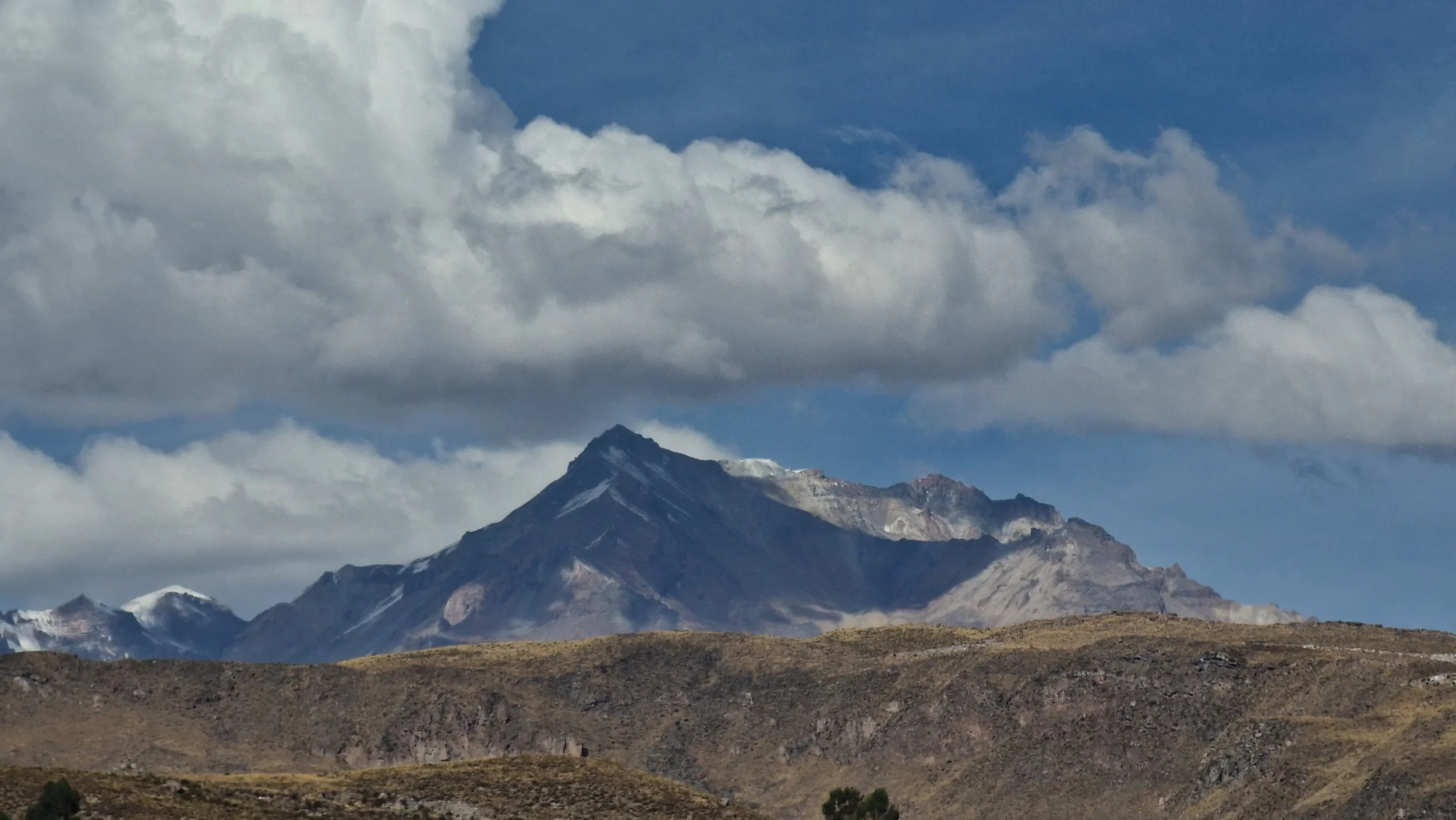
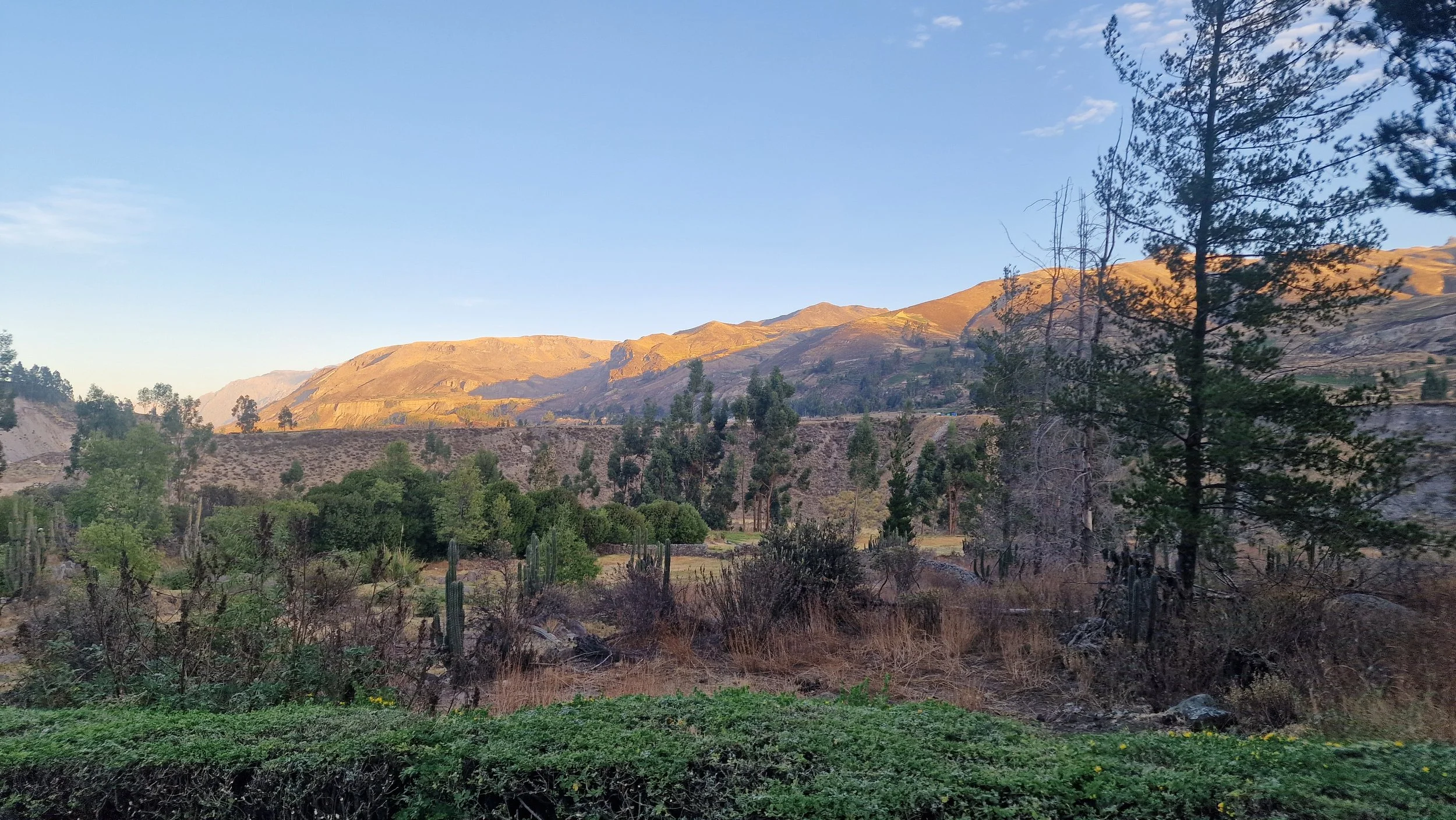
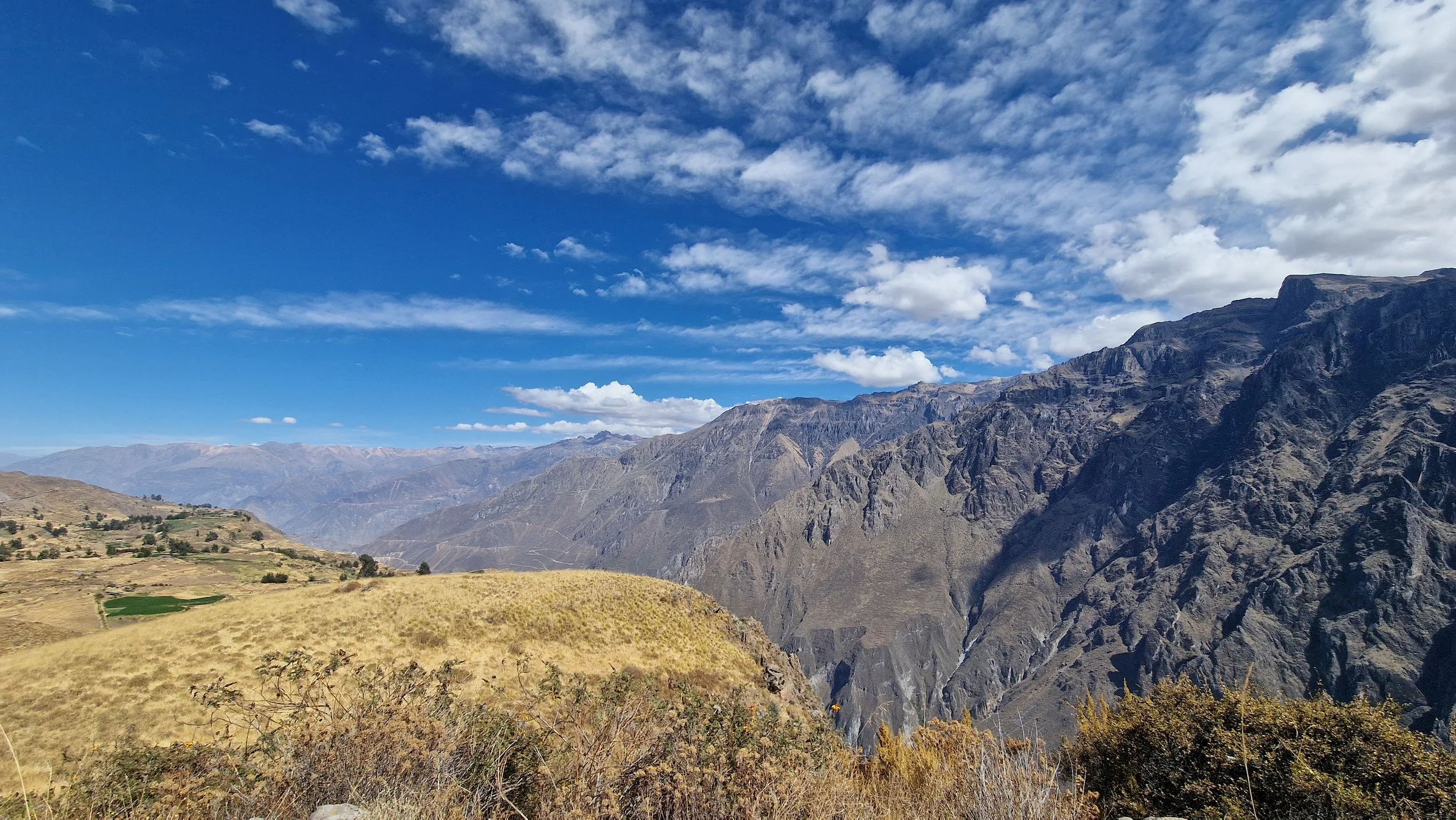
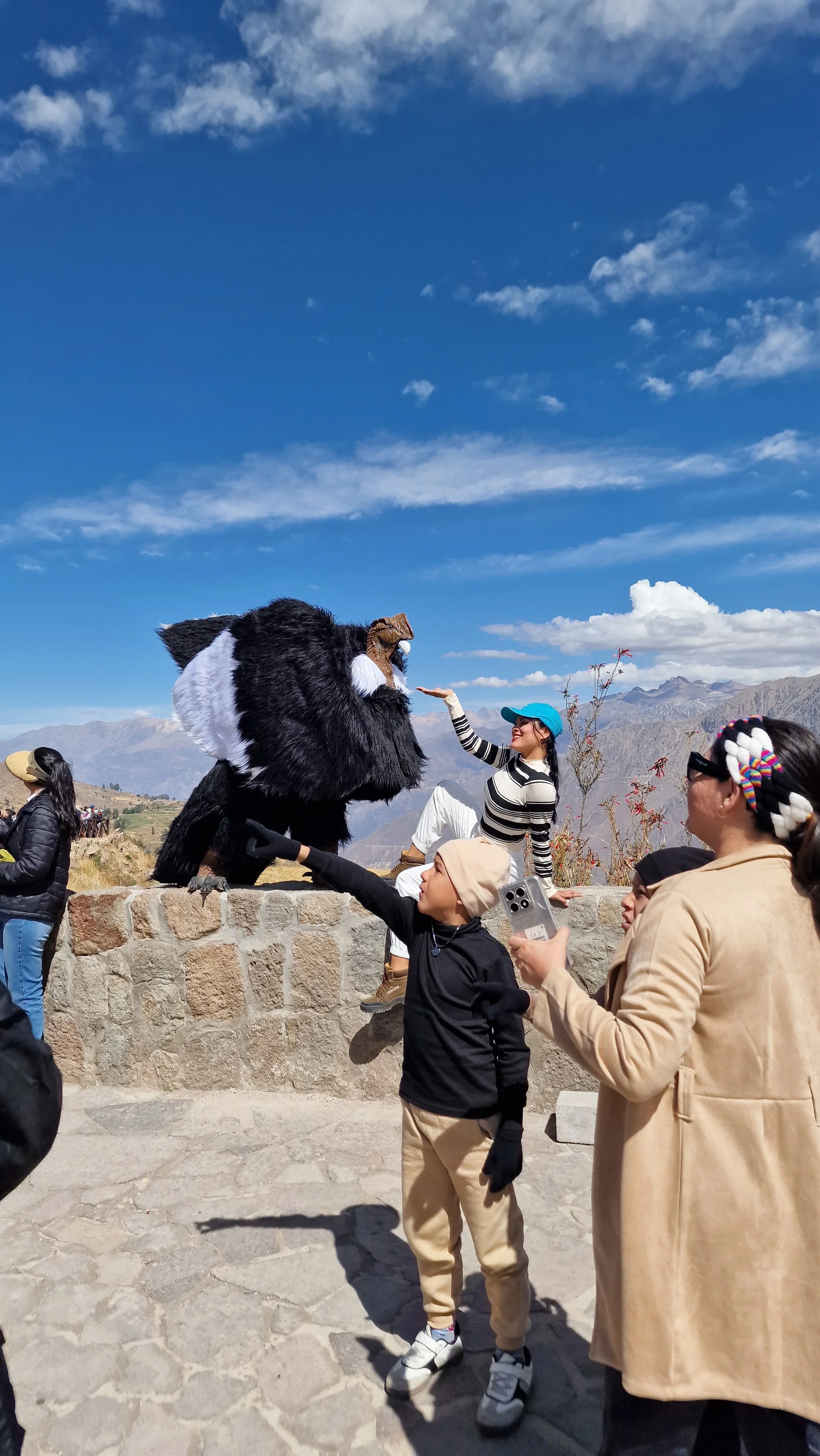
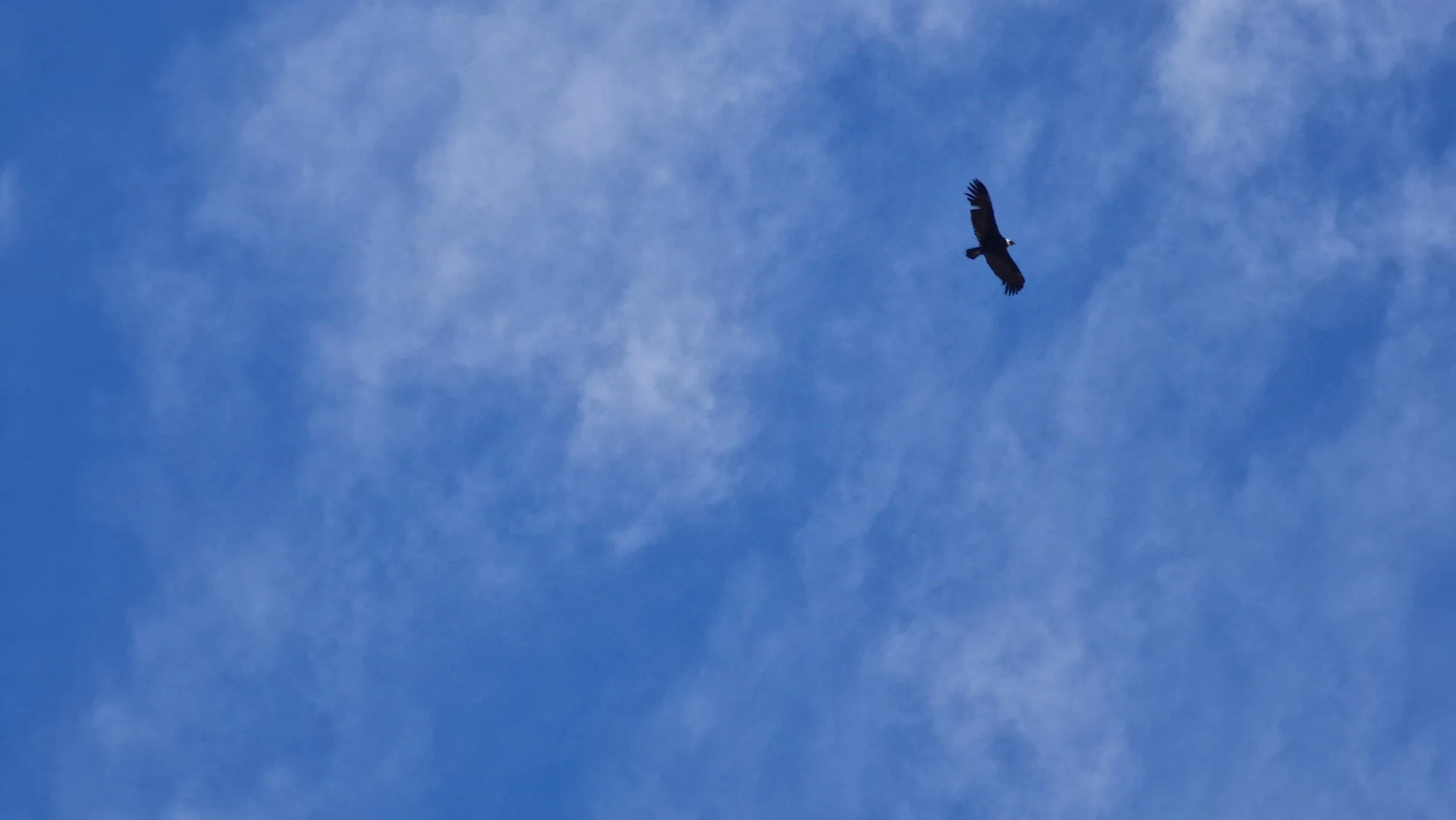
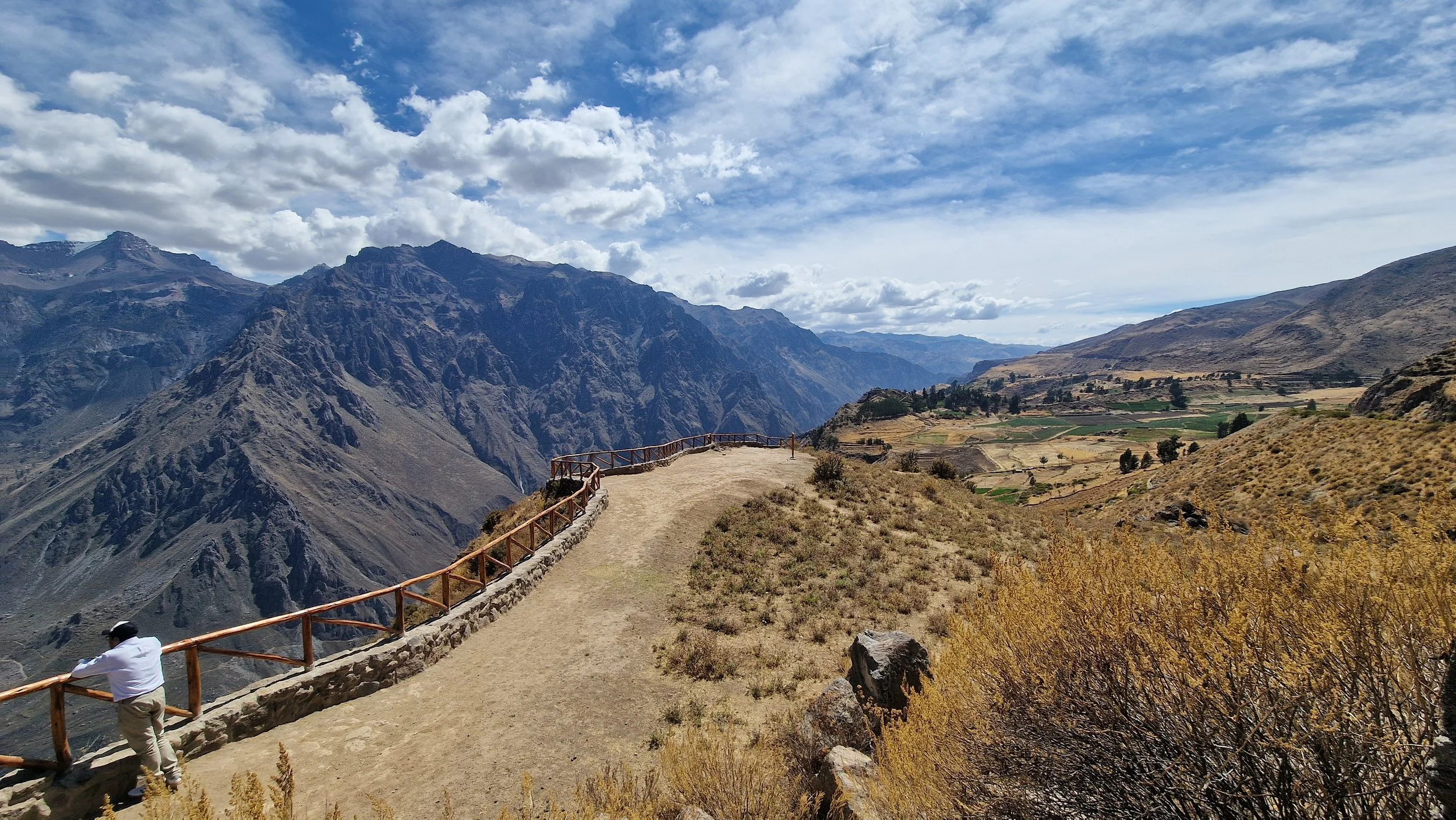
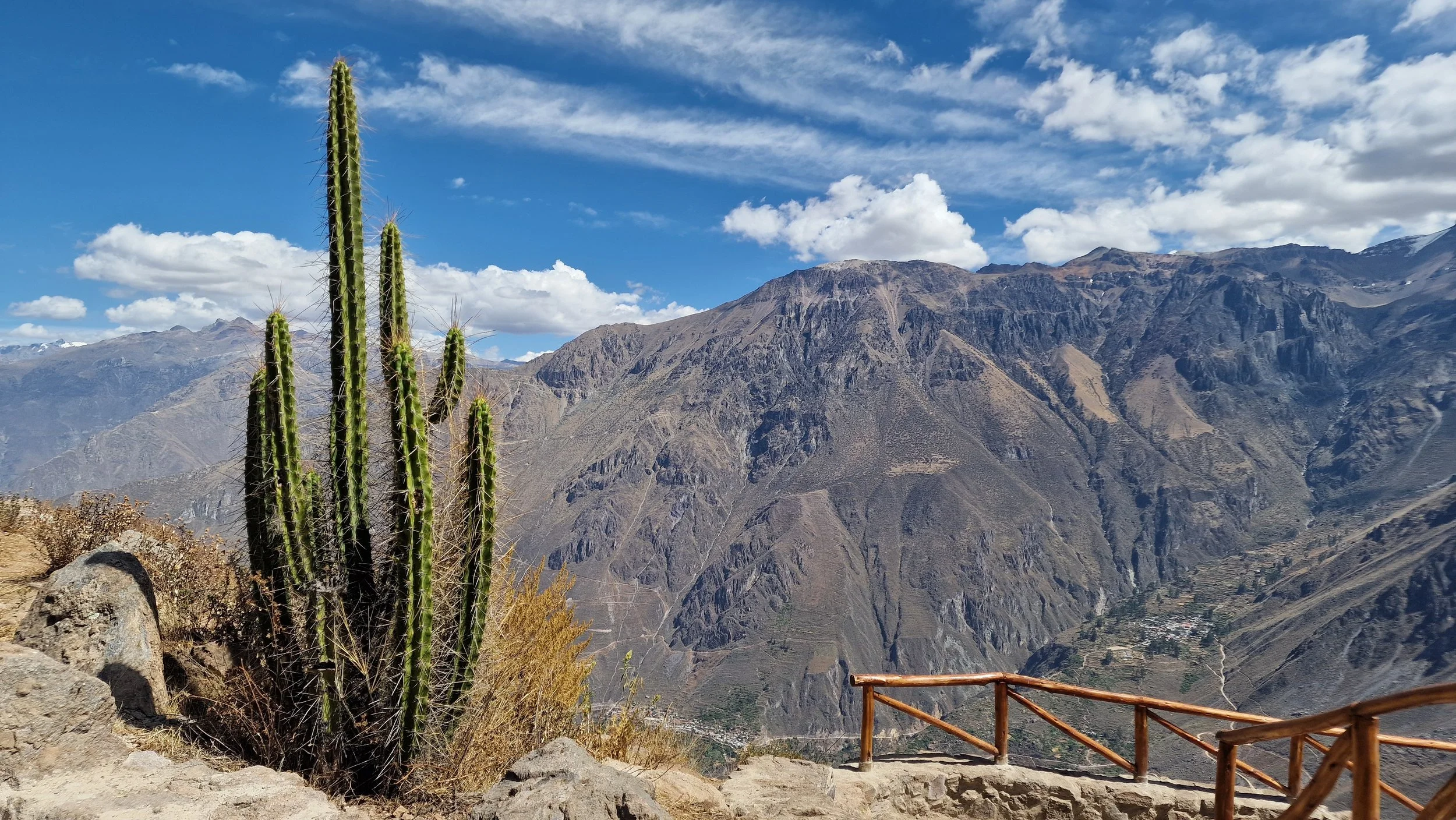
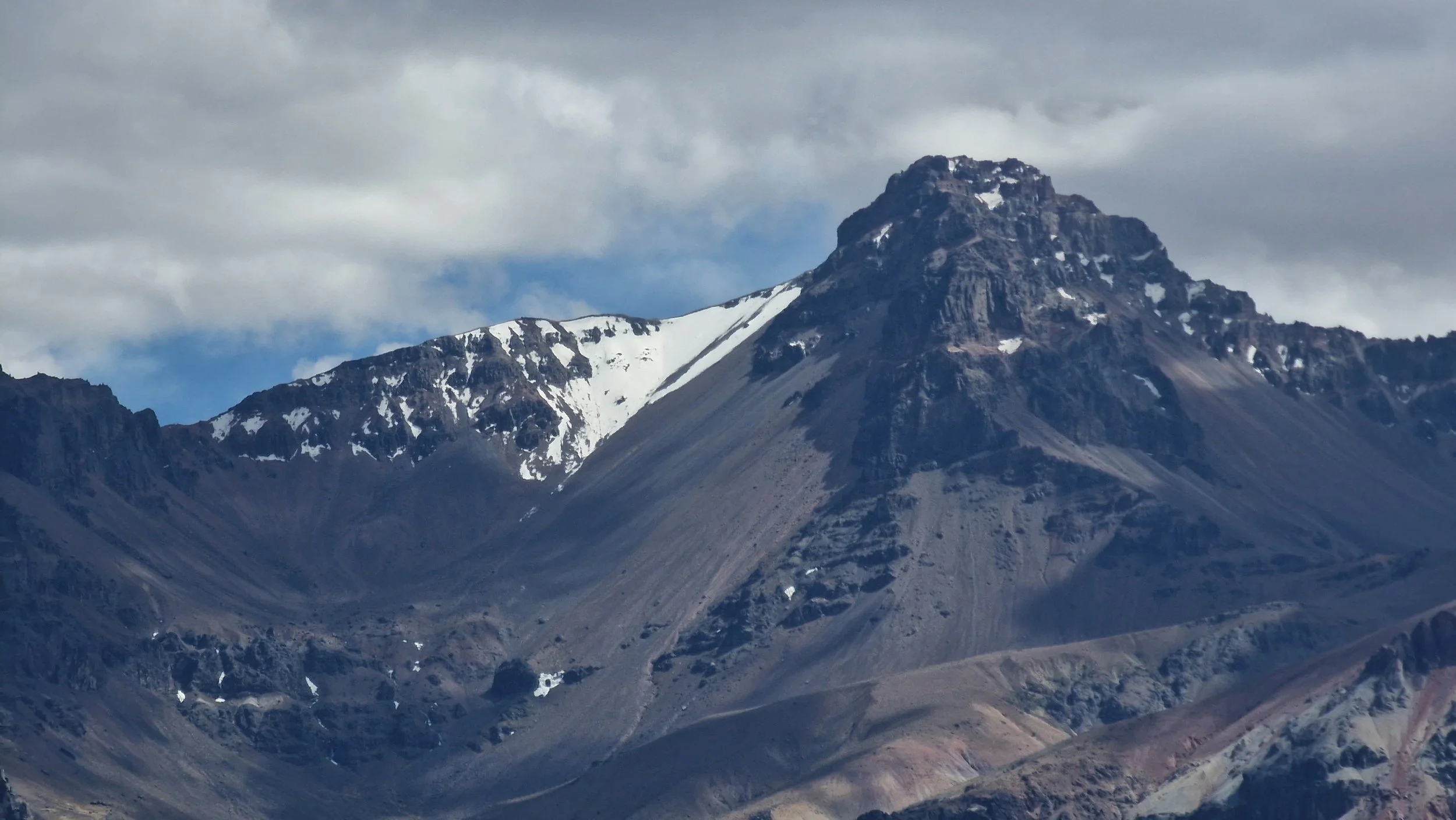
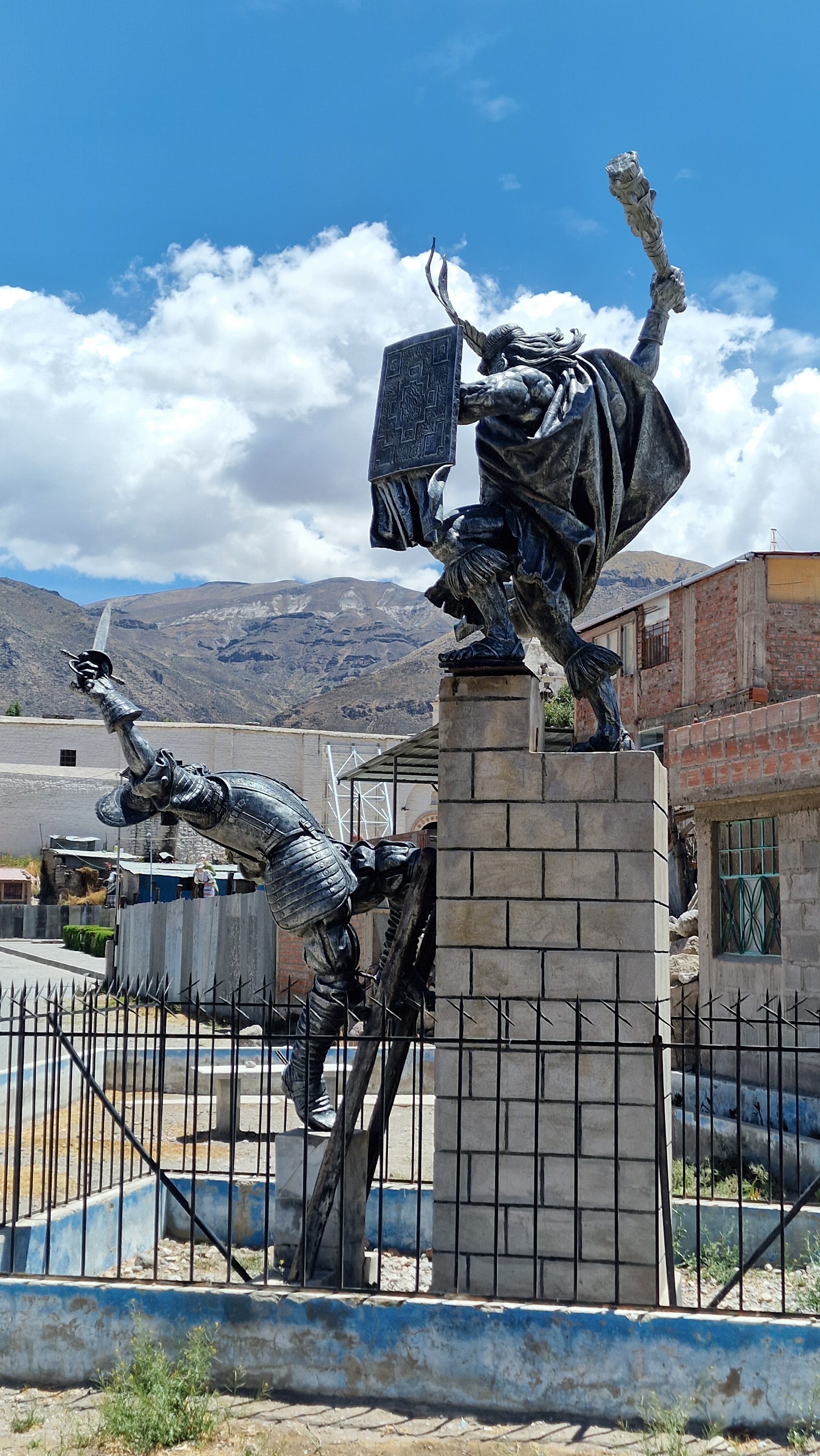
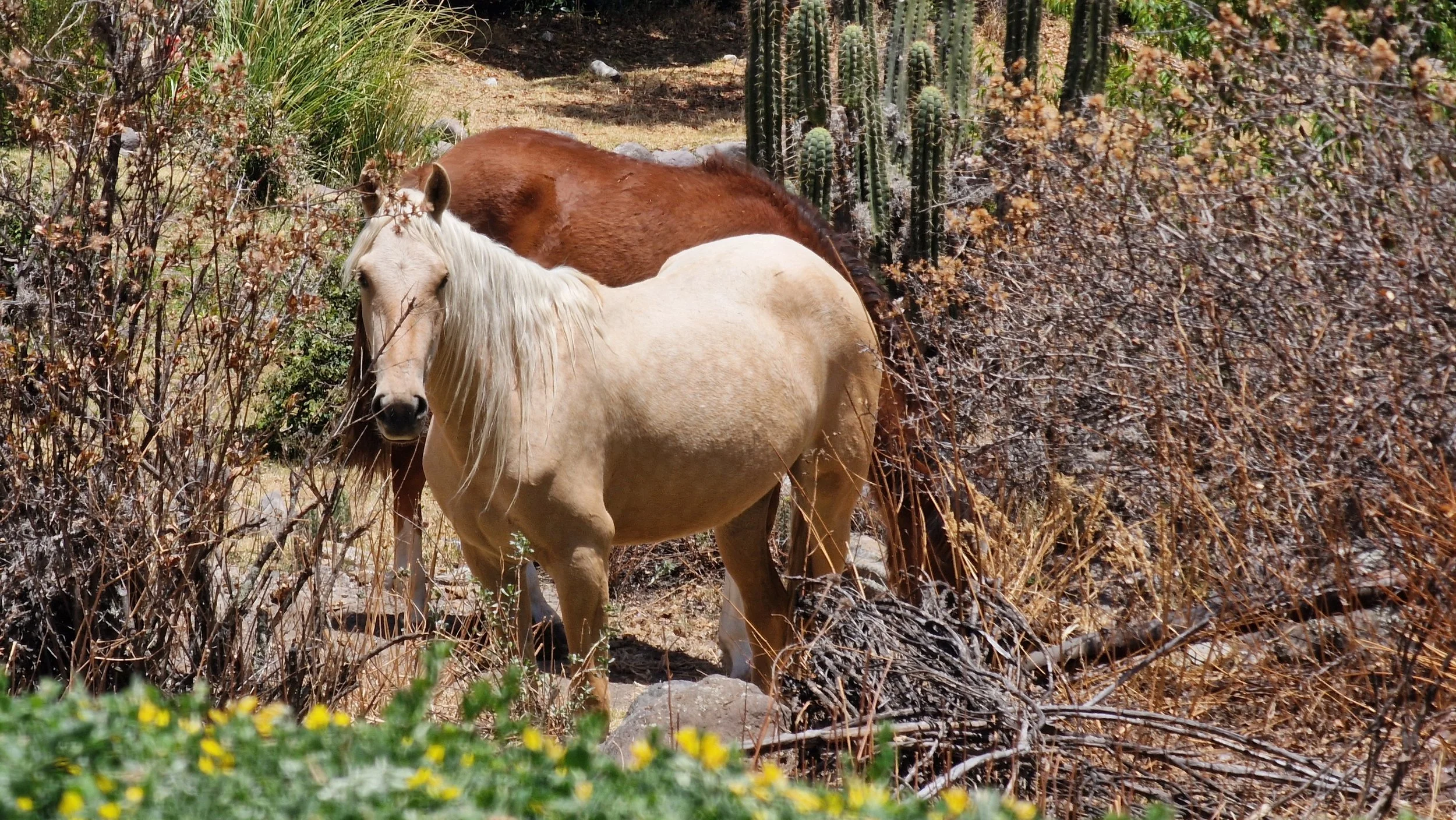
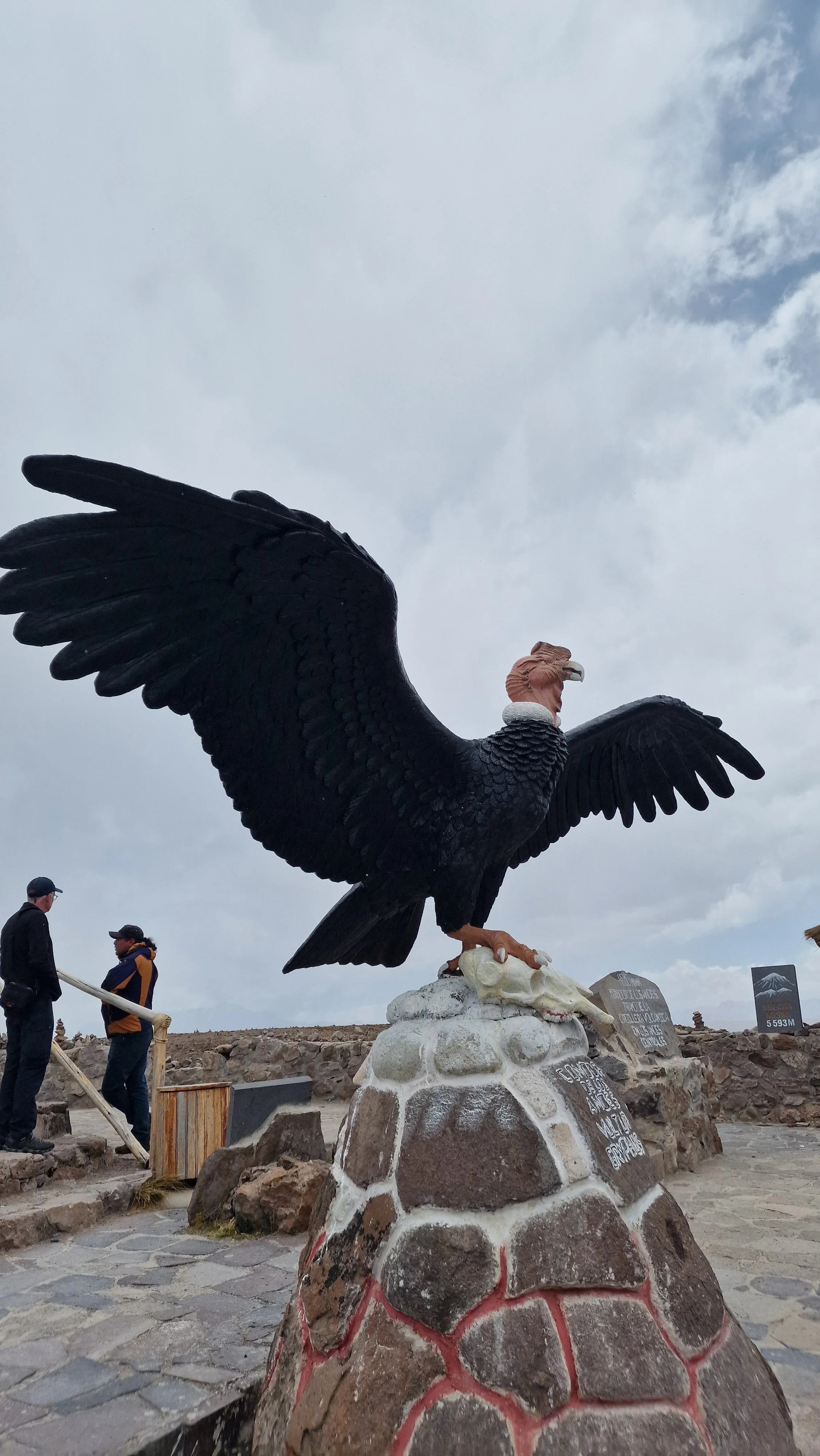
The canyon is staggeringly deep, a wound in the earth’s crust. We drive to the Condor Crossing around 0800. A multinational tourist crowd gathers, cameras ready, a hushed anticipation in the cold morning air. Then, after perhaps 2 minutes upon our arrival, they appear. The condors, masters of the updraft, rising from the edges of nearby peaks. They are magnificent, prehistoric, utterly indifferent to the small, awestruck humans watching from the cliff's edge. They are messengers of the gods, the Incas believed. Watching them, you understand why. These great birds, soaring effortlessly on unseen currents, appear like ancient guardians, their wings brushing against the sky's fabric. Time nearly stands still as you watch them, each graceful arc and glide a testament to their timeless power.
The earth seems to breathe in infinite shades of stone and shadow amidst valiant cacti and a clear turquoise sky. I think back to moments like this in Sonoran Desert in Arizona. Here, the wind whispers across the peaks, playing host to the majestic flight of these incredible birds. We were lucky to see three total this morning.
Continuing deeper into the heart of the valley, we arrive at Cabanaconde, a village suspended between tradition and the vast expanse of the canyon. Famous for its golden corn fields, it feels as though the fertile earth here holds the stories of countless generations. Our journey reaches yet another crescendo at the Antahuilque Viewpoint. From this lofty perch, the panorama unfolds like an intricate tapestry, where terraces cascade into the canyon below, and the horizon dissolves into an artist's palette of greens, browns, and blues. It is a place that humbles the soul, reminding us of nature’s vast and ageless hand.
The day meanders onward, taking us back toward the quaint villages of Maca, where we stop for tea and empanadas, and then Yanque. Their Spanish colonial structures rise gracefully against the backdrop of jagged peaks—silent, enduring anchors of community amidst hardship.
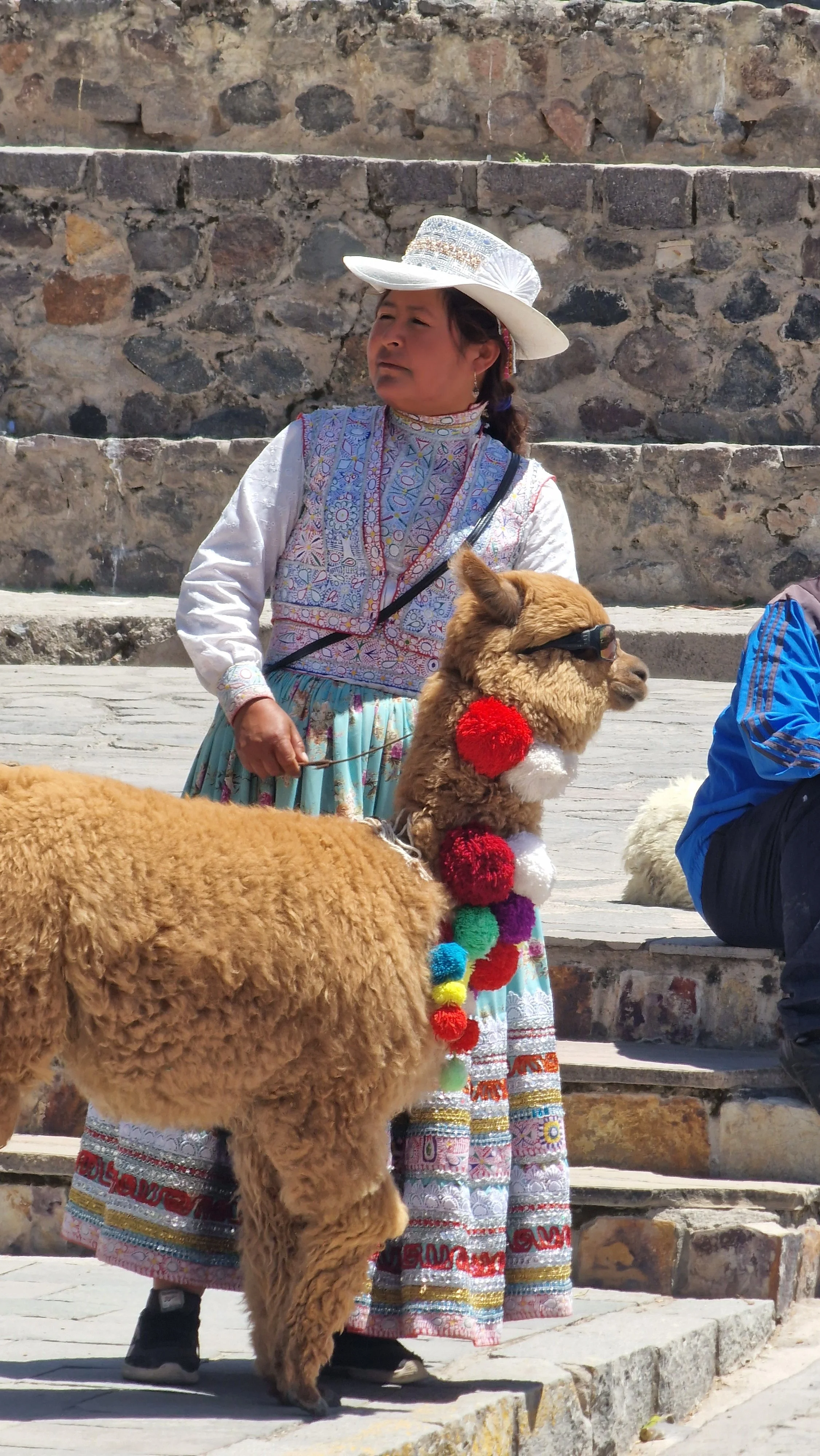
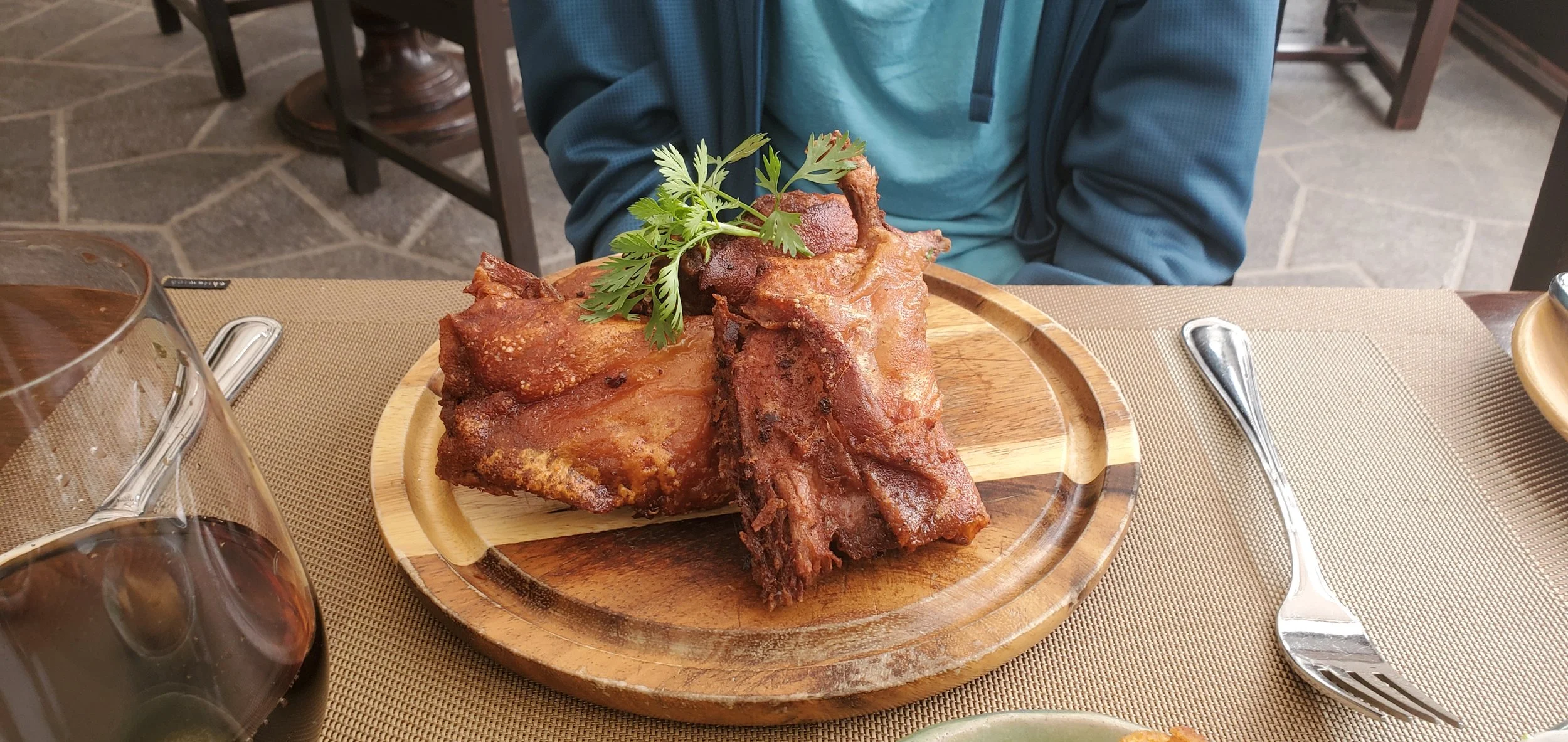
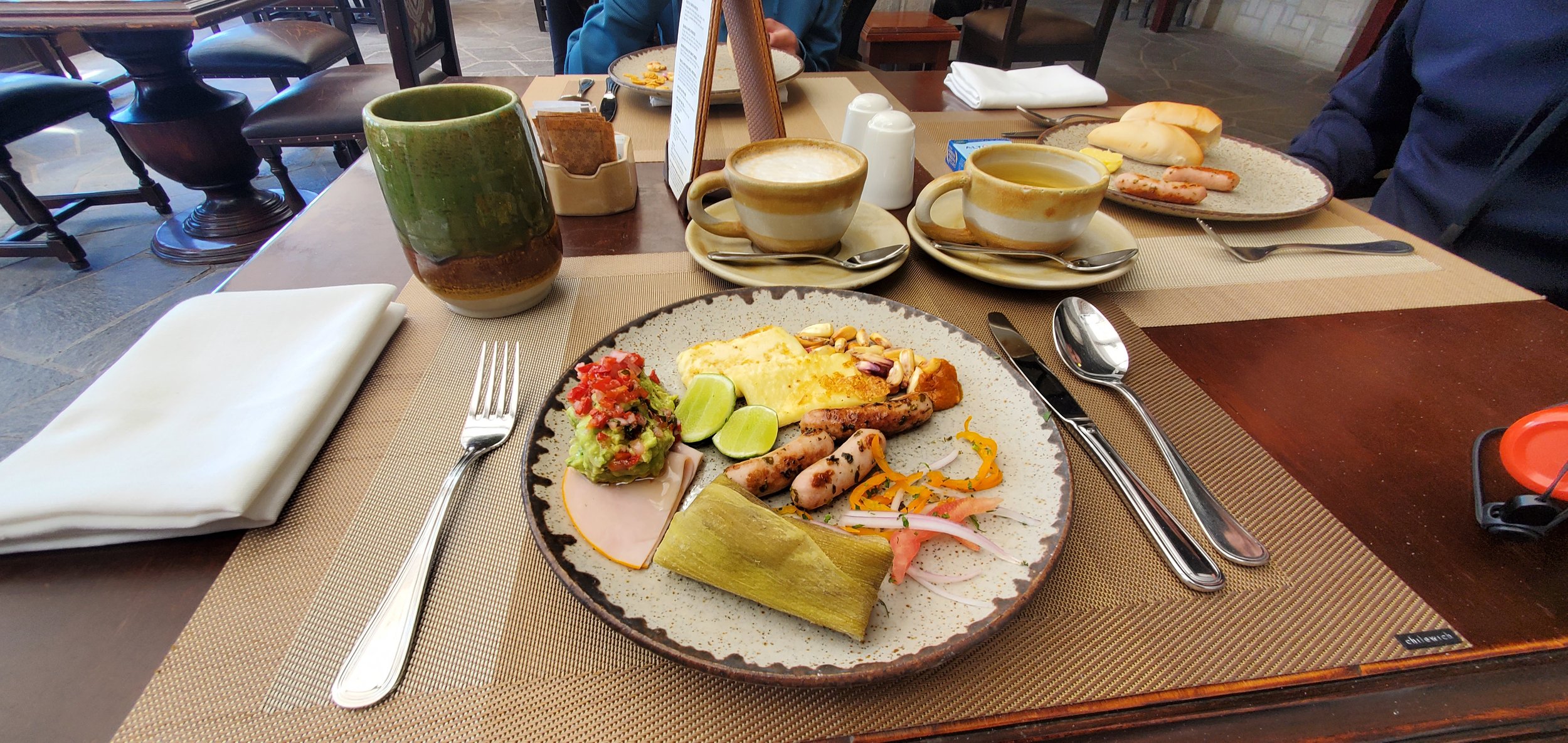
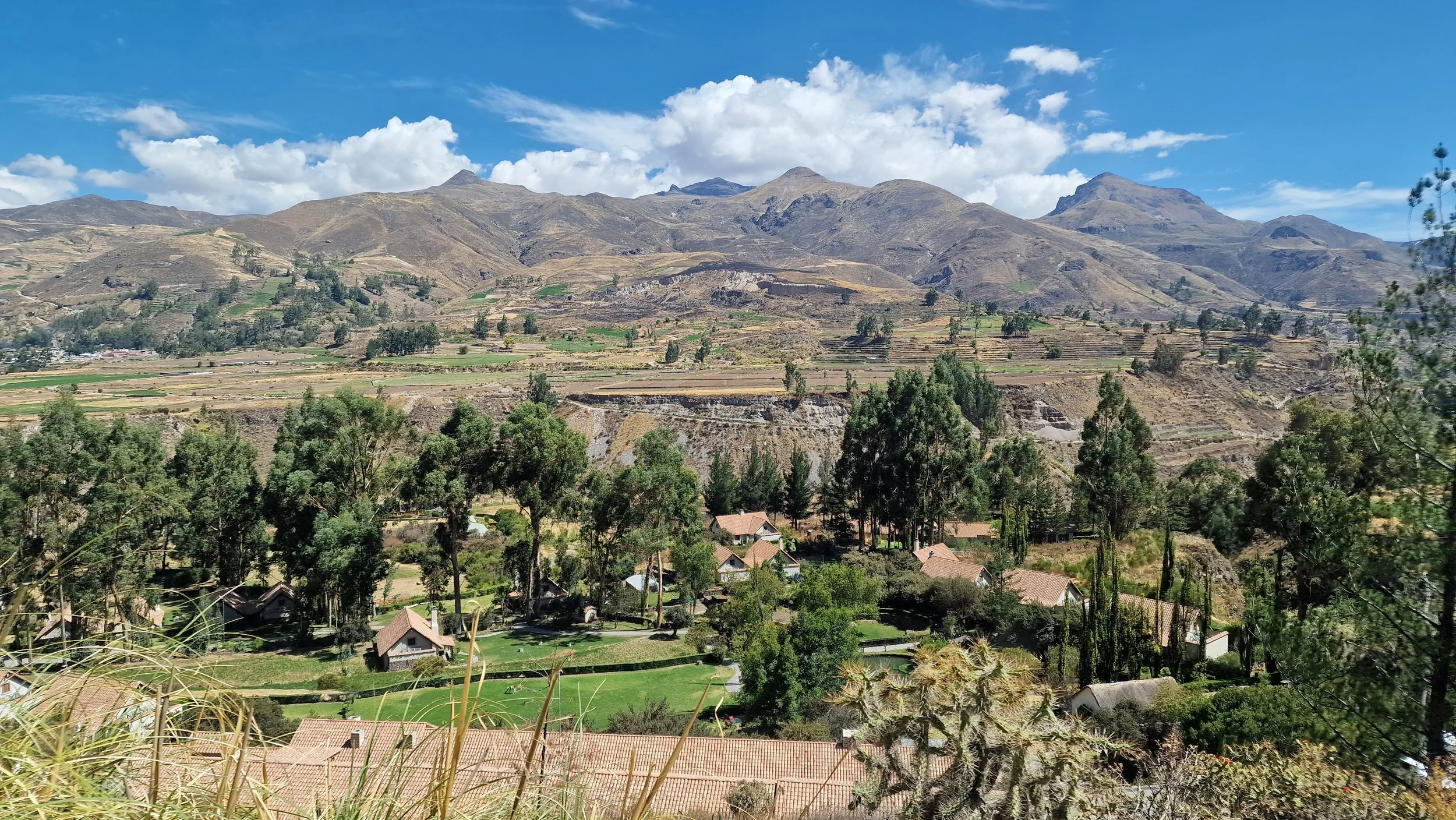
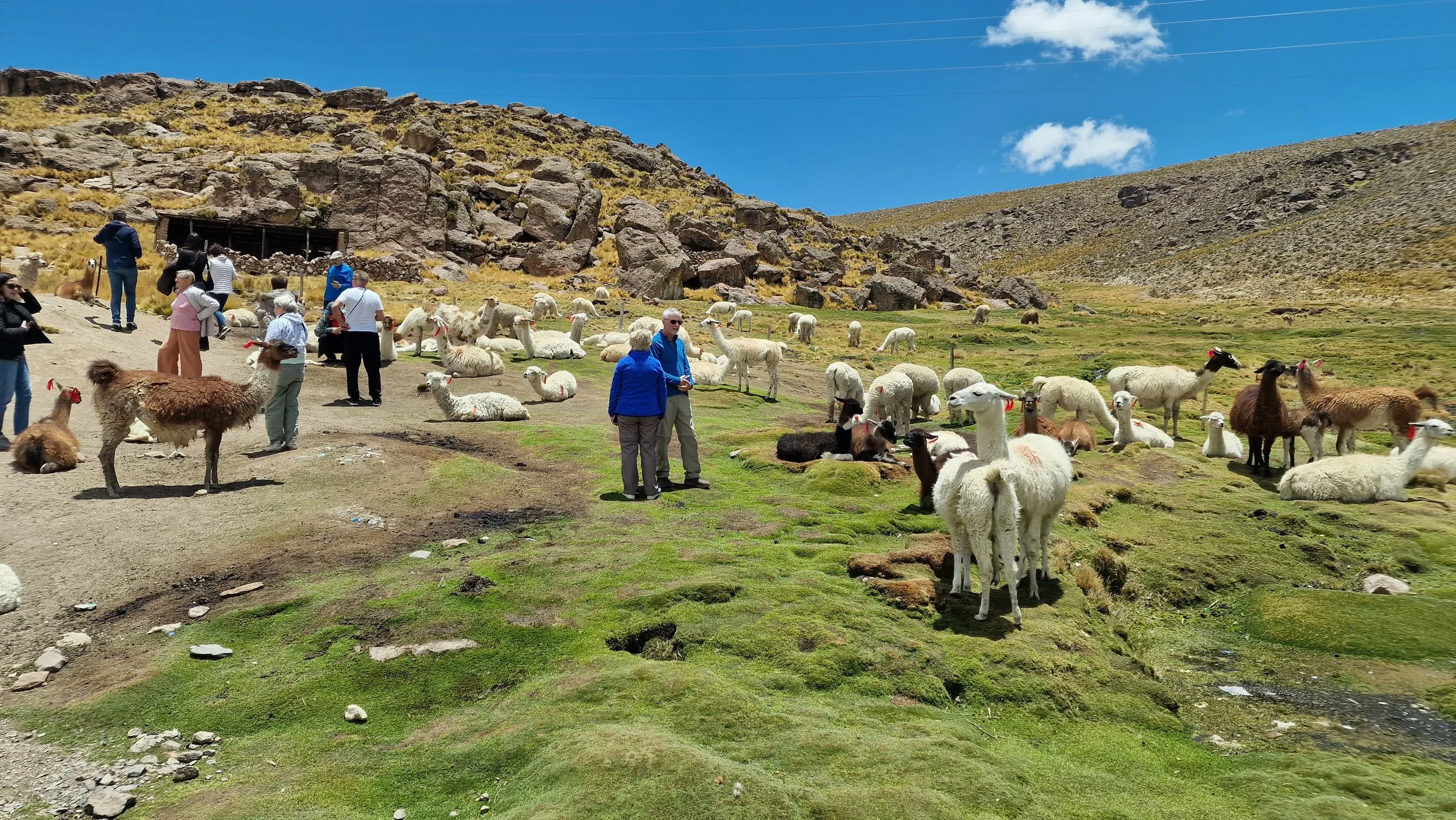
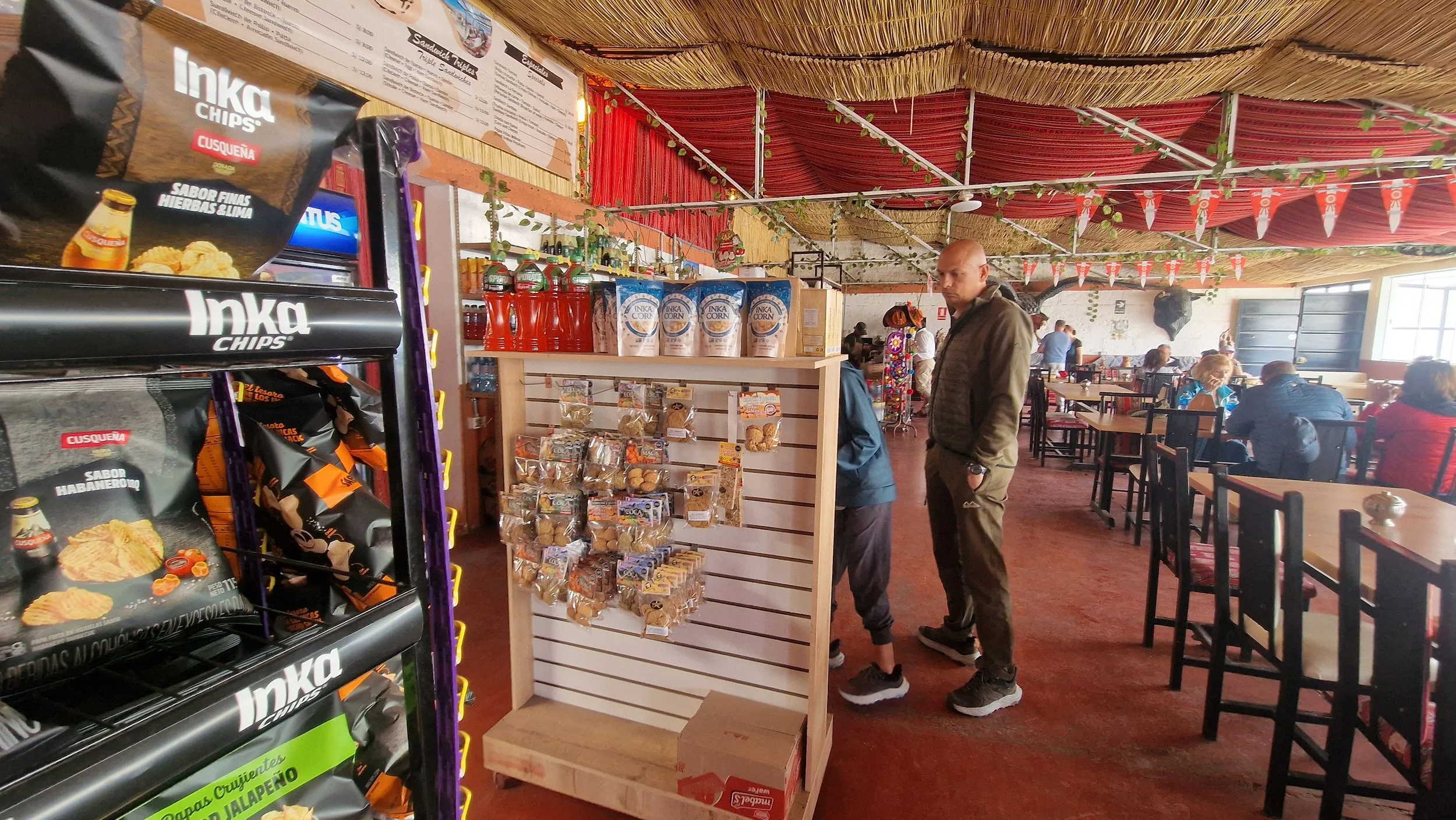
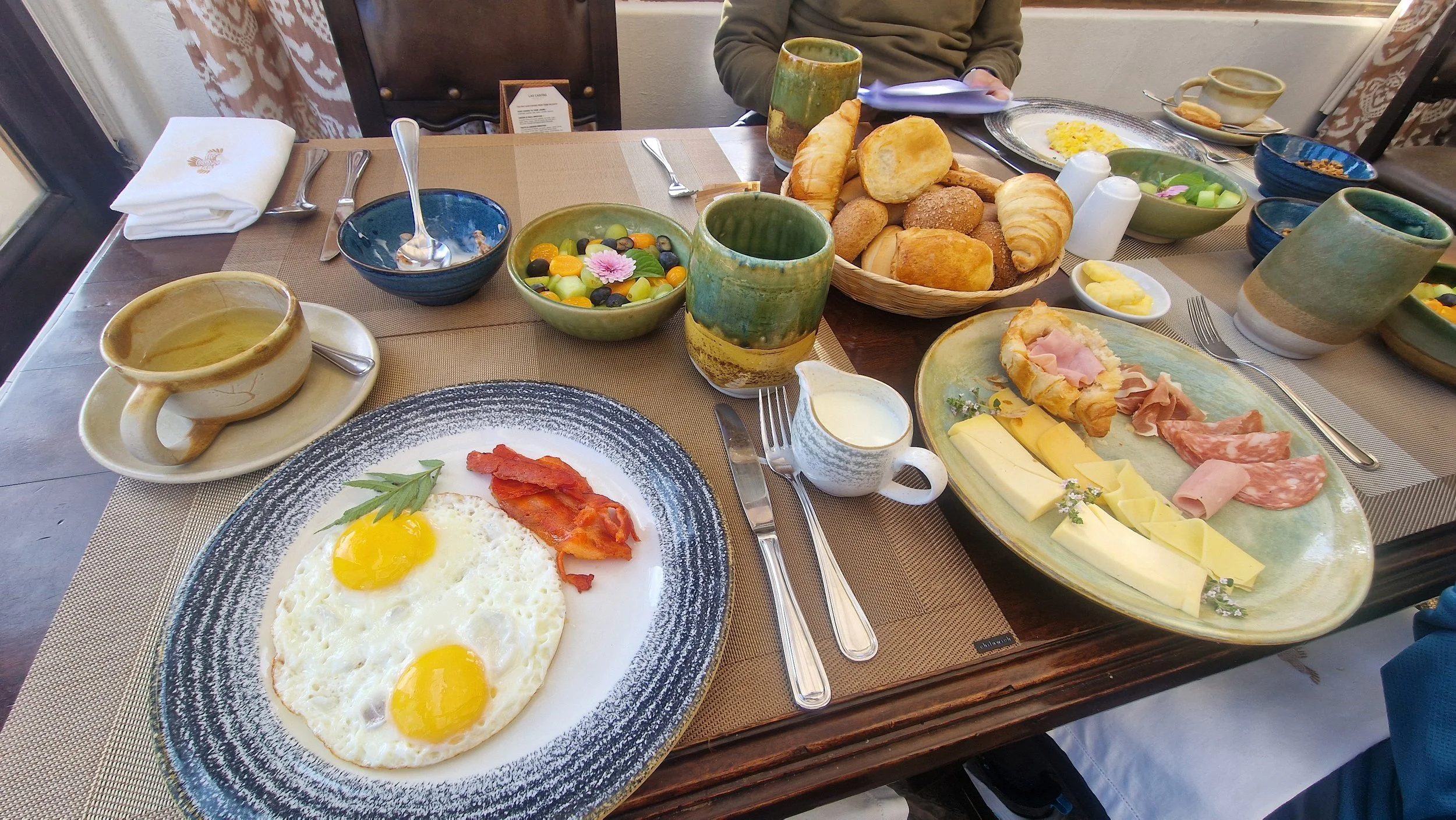
By evening, we settle into comfort and tranquility of the hotel, a perfect haven for reflecting on a day woven with wonder.
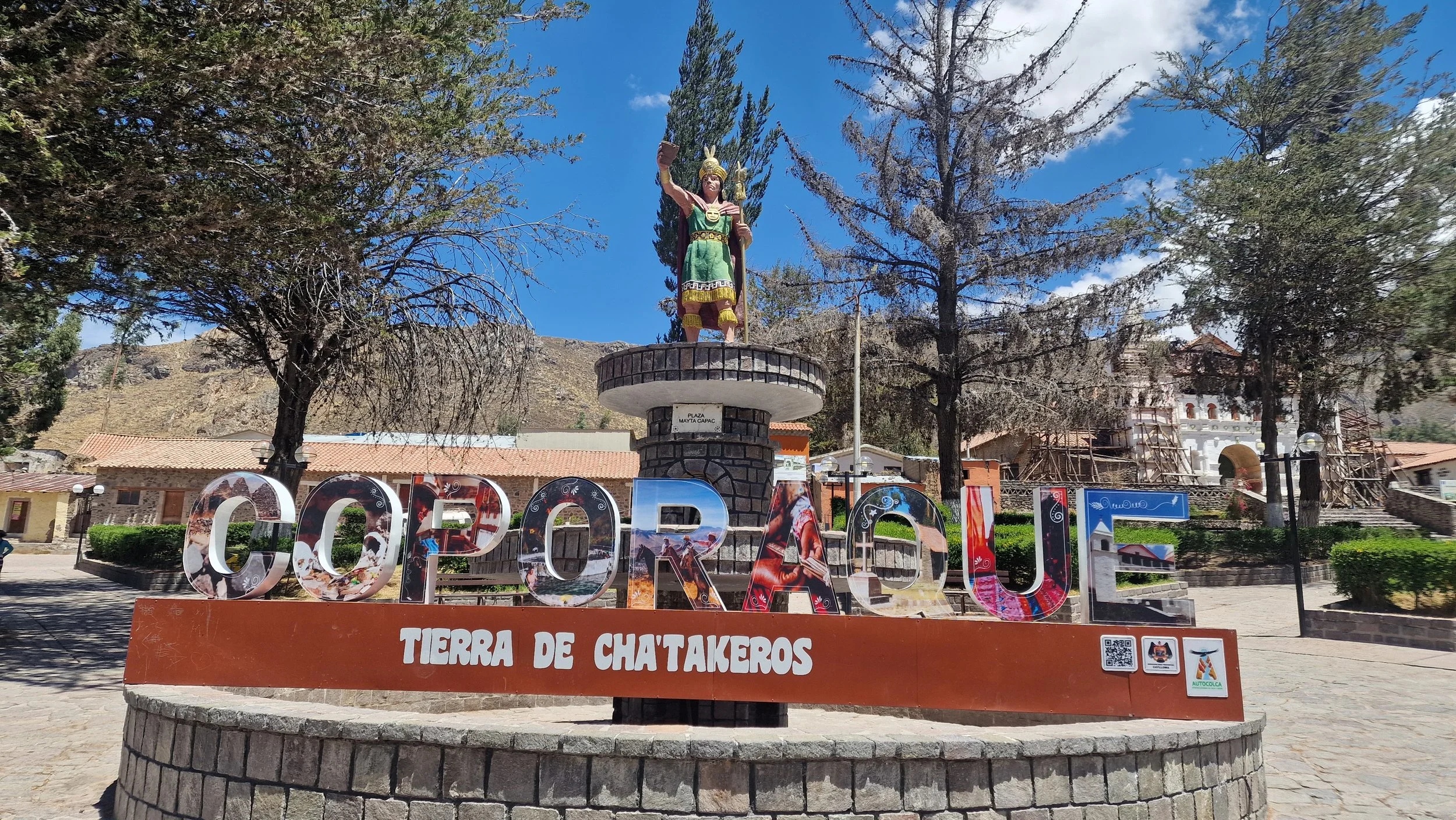
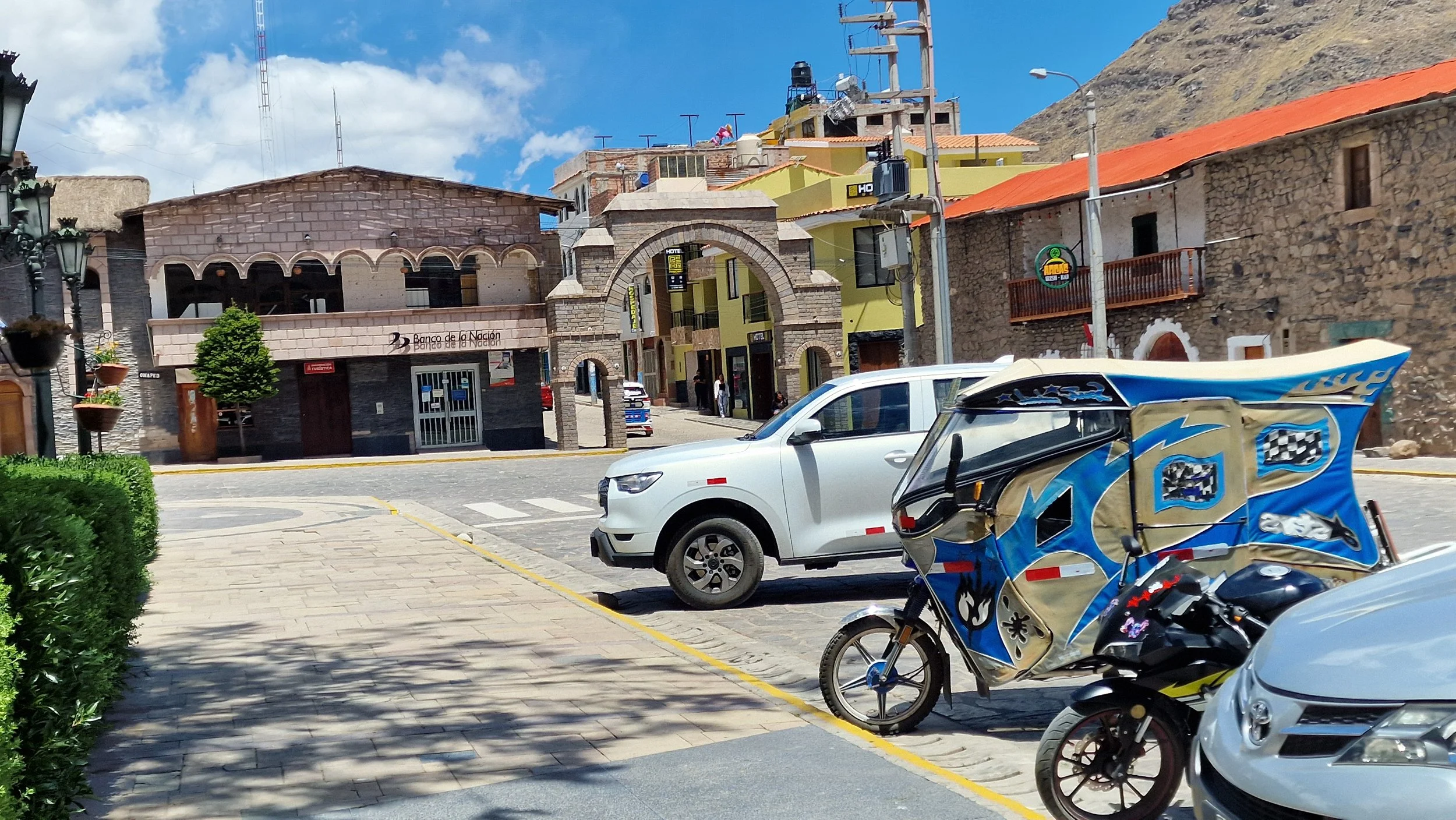
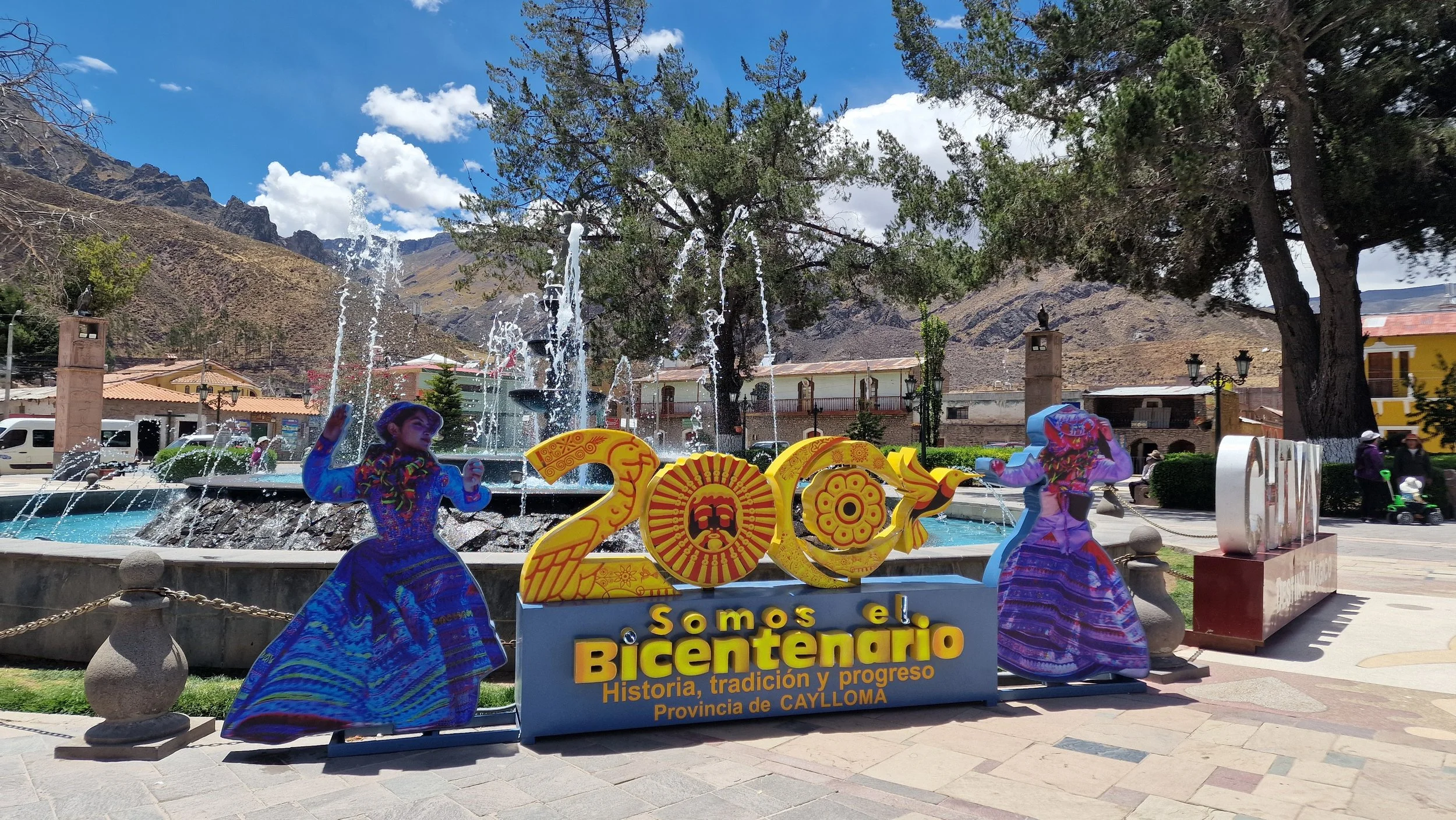
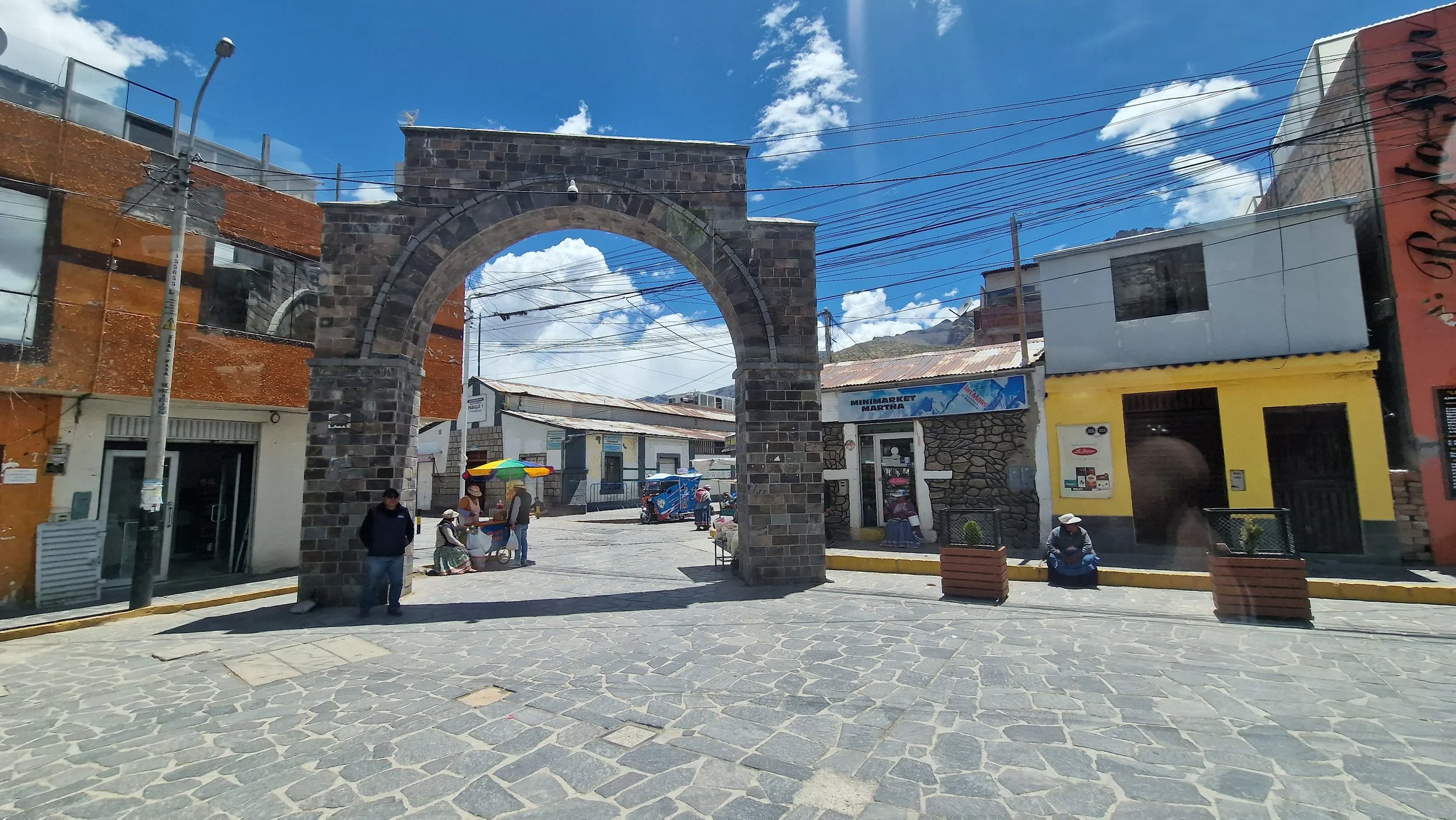
On a Saturday morning, we ventured forth at 09:00 to Chivay, the bustling gateway to the Colca Canyon. The market here is alive with color and energy, a vibrant celebration of local culture. Fresh produce, handmade crafts, and the aroma of traditional foods create a sensory feast. From here, we cross to the valley's quieter side, where the villages of Coporaque, Chinina, Uyu Uyu, and Ichupampa welcome us with their serenity. These hamlets, resting gently against the landscape, invite a slower rhythm of life and offer a glimpse into the enduring traditions of the Andean people.
Andean Explorer & Lake Titicaca
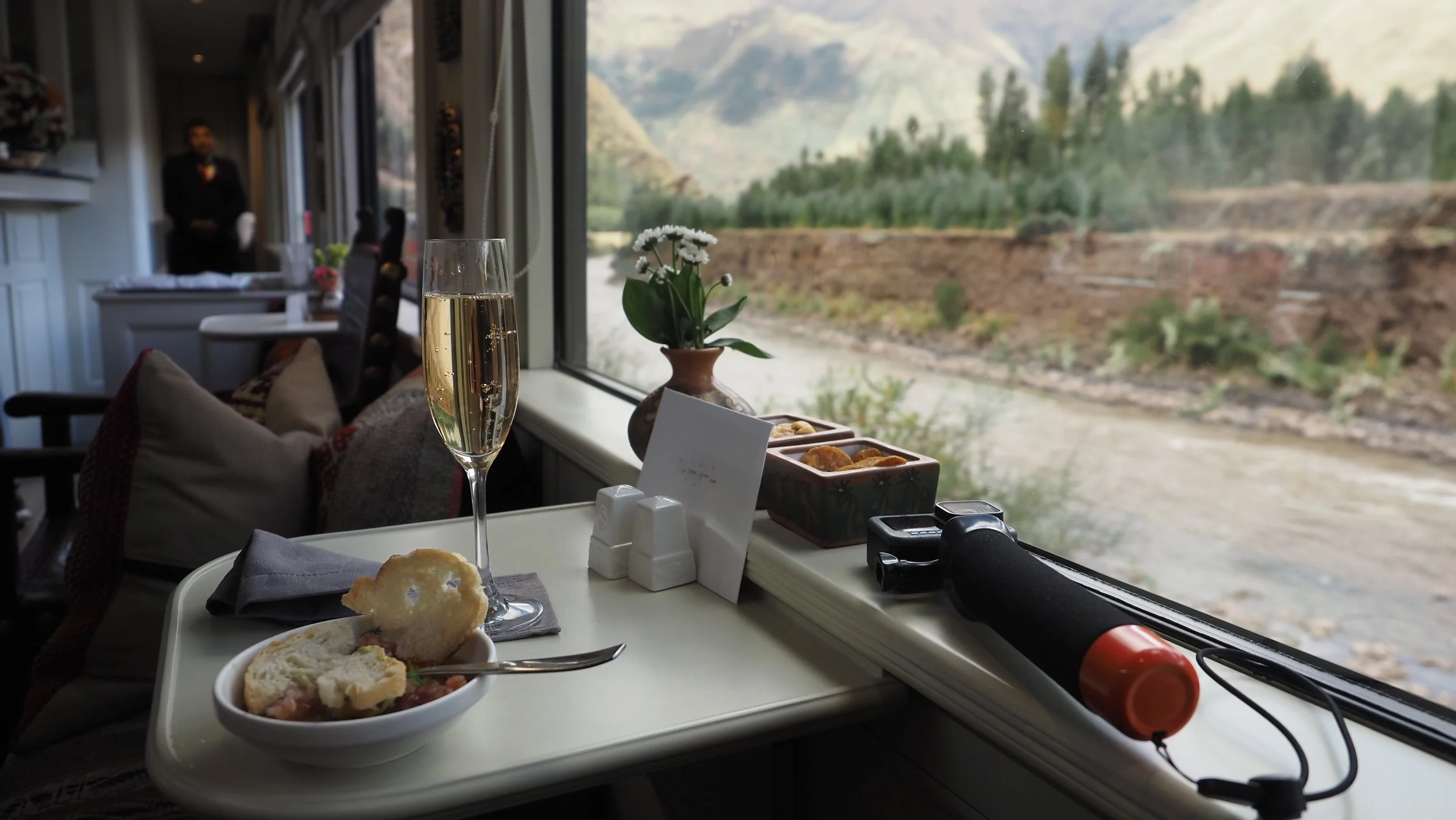
Aboard the Andean Explorer | A Belmond Train
At precisely 11:30, anticipation lingers in the air as we make our transfer from Las Casitas to Km 93, where the promise of an unforgettable rail adventure awaits. The Andean Explorer, a train of timeless elegance, stands poised to cradle us in its luxurious carriages. By 13:30, other passengers arriving from Colca join us at the Km 93 station, their own stories intertwining with ours as we begin this intimate passage through Peru’s heartland.
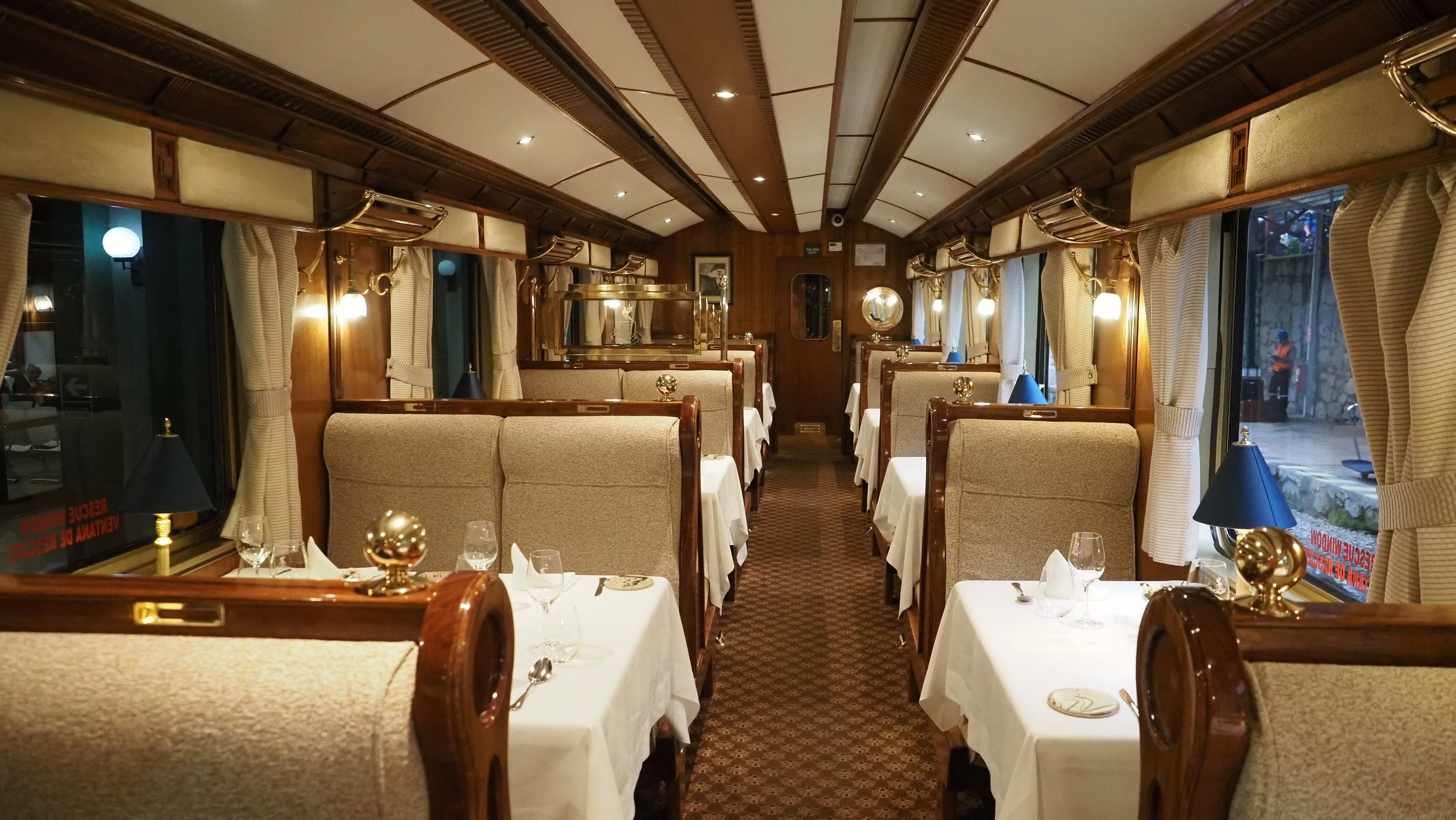
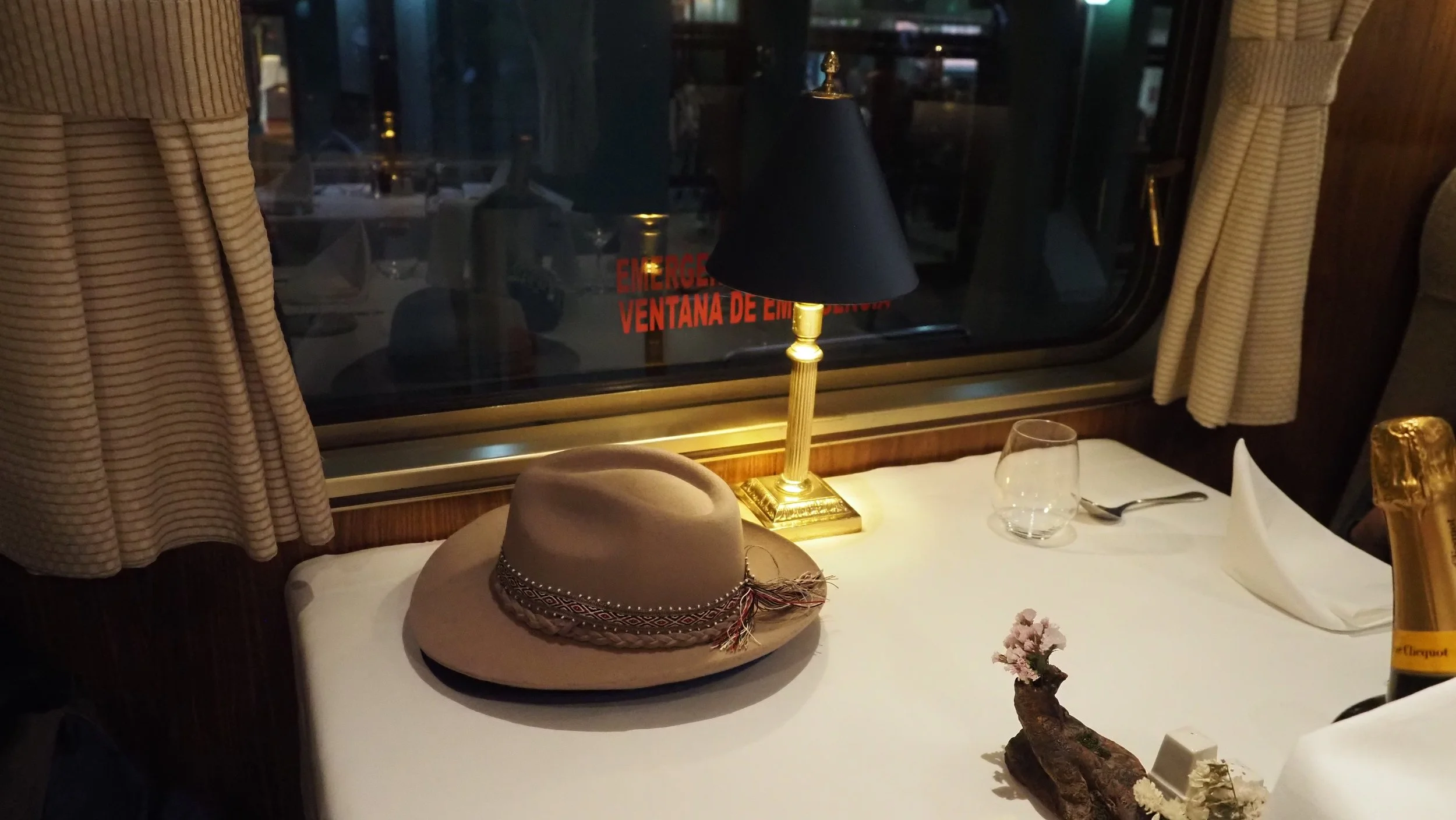
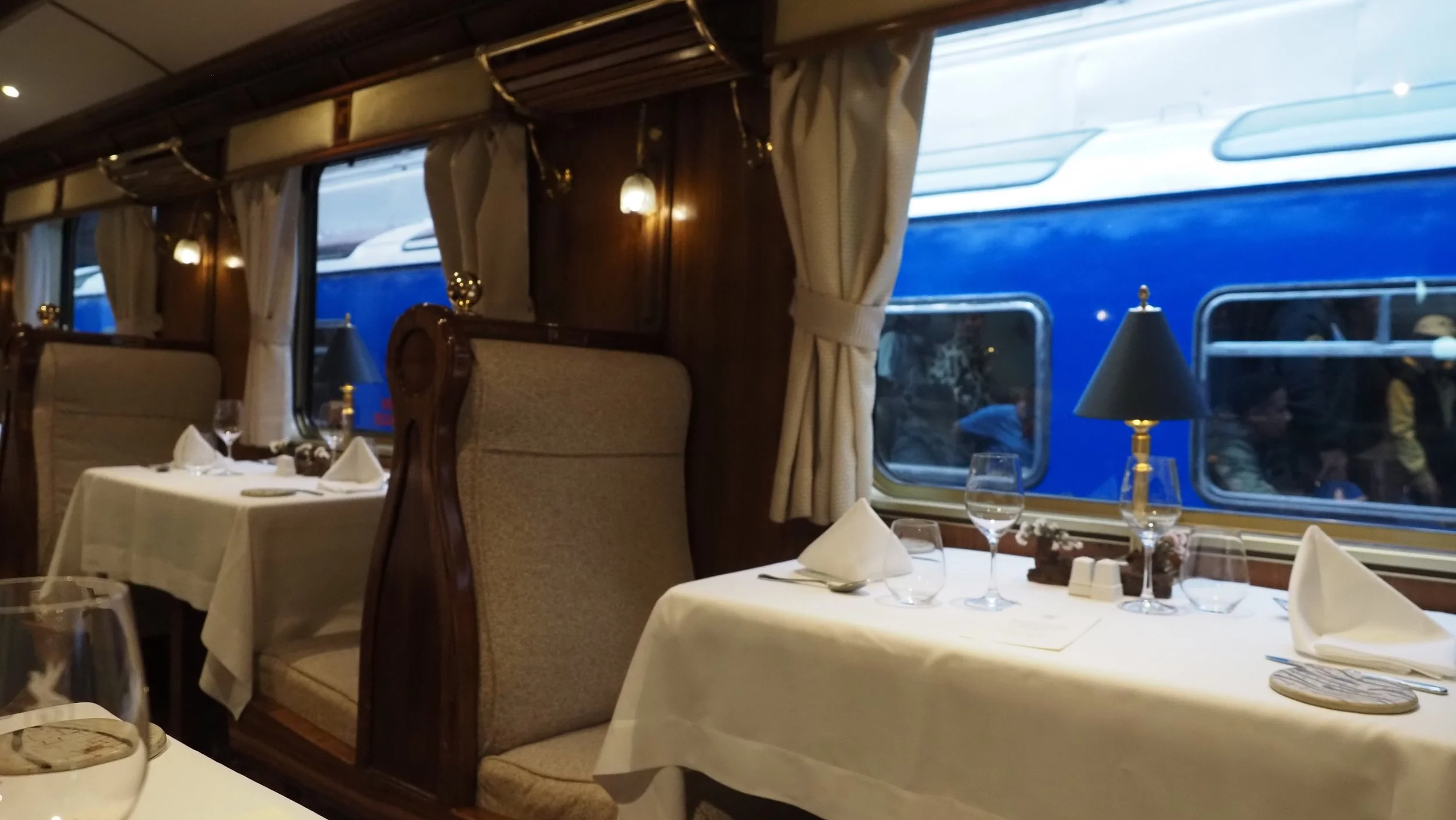
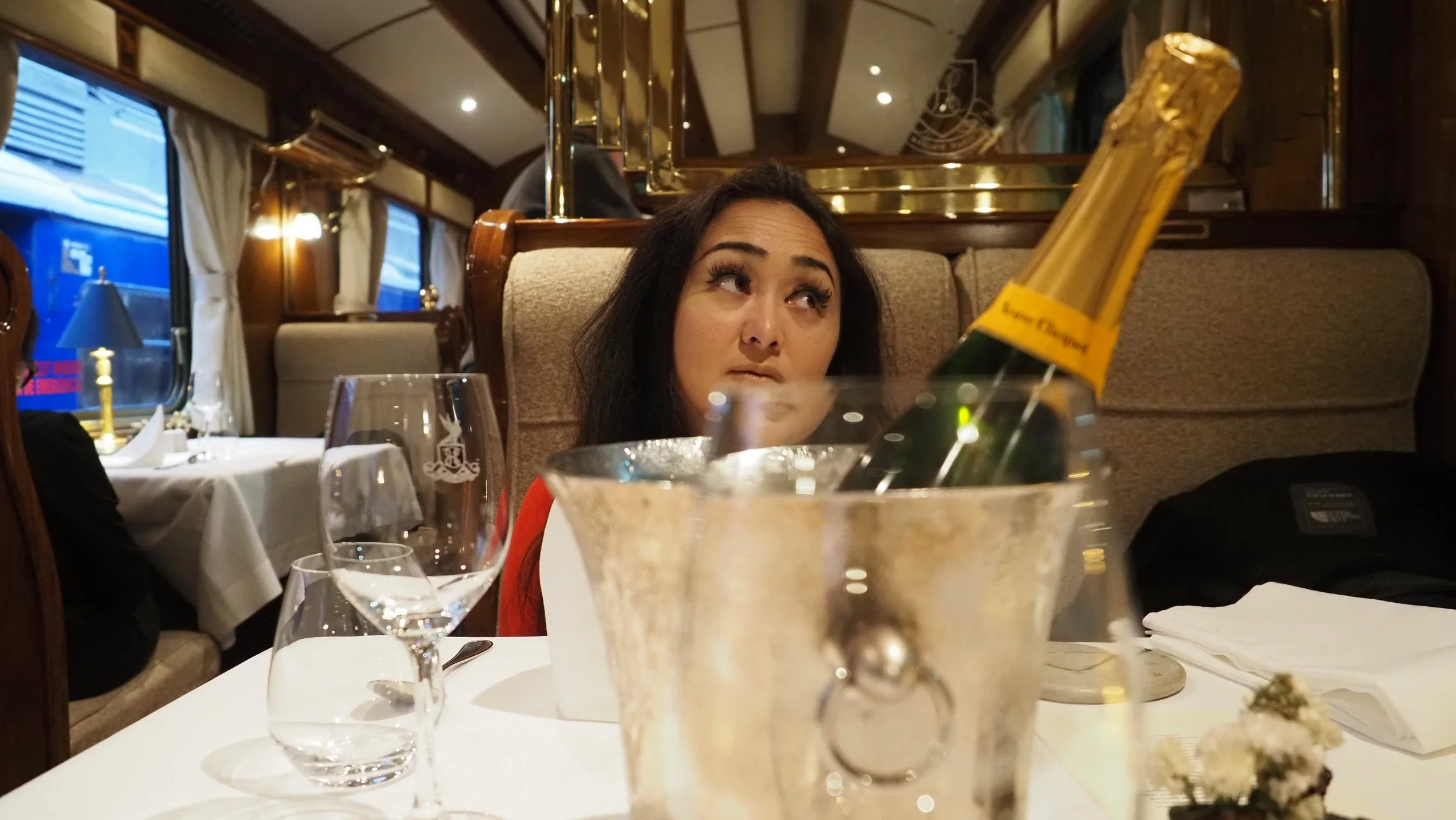
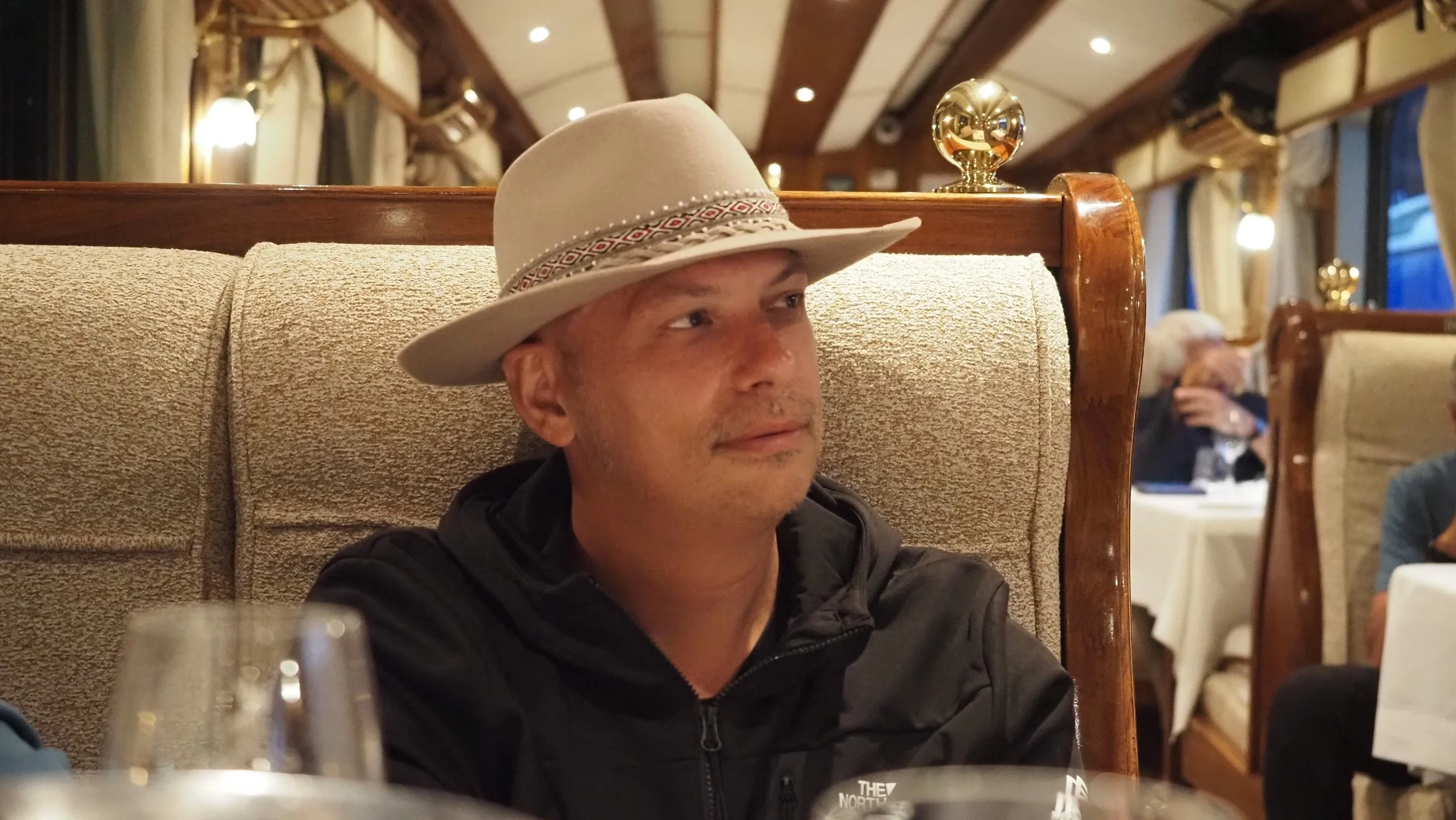
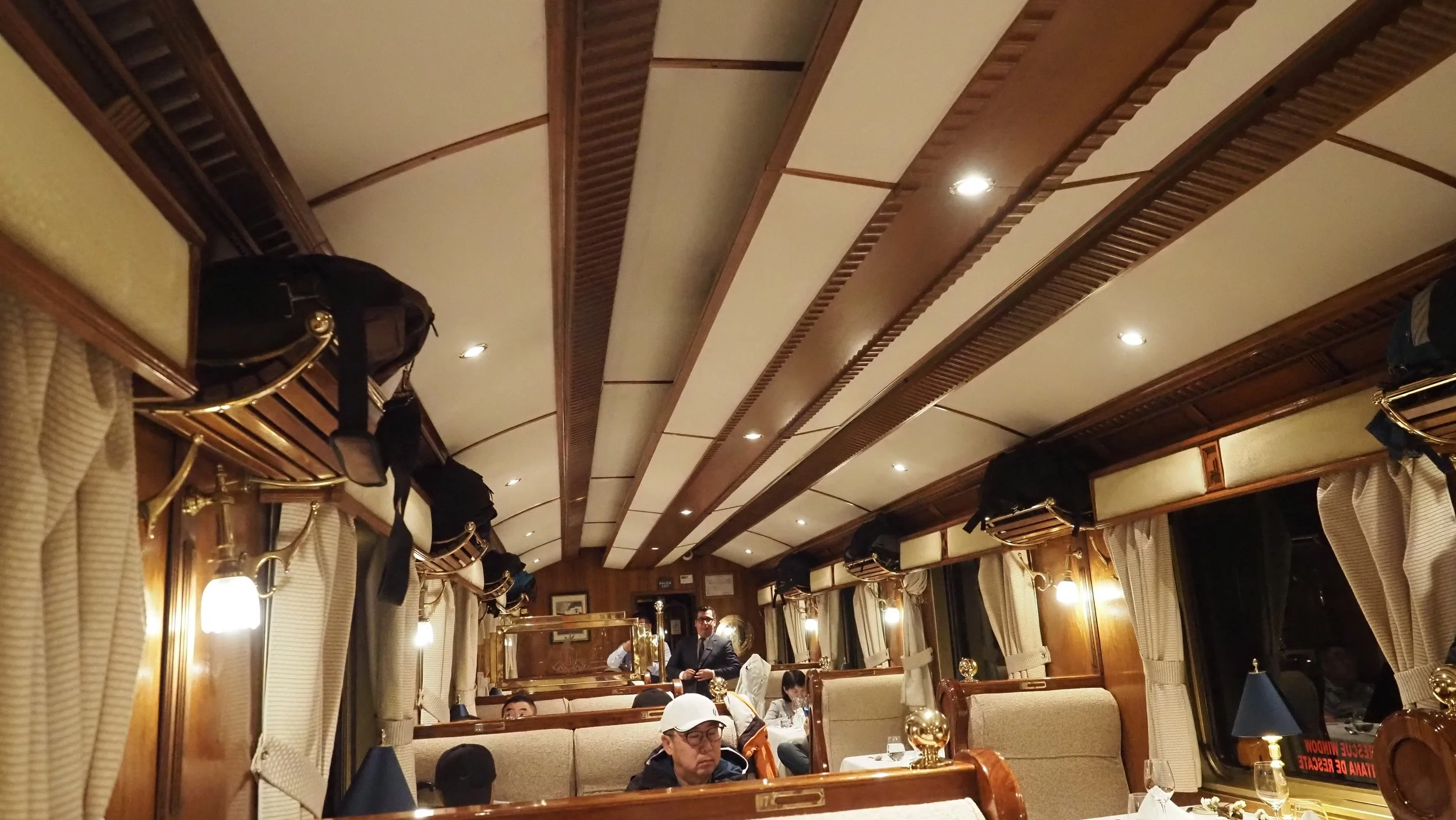
The Andean Explorer, operated by Belmond, is more than just a mode of transportation; it is a rolling piece of history that speaks to an era of elegance and discovery. Its carriages, each meticulously crafted, evoke the golden age of train travel, with wood-paneled interiors, polished brass accents, and panoramic windows that frame the breathtaking Peruvian landscape like moving paintings. The experience is absurdly opulent, and I can't help but laugh to myself. The 21-year-old sergeant, who subsisted on MREs and T-rations, would never believe this. Life is a strange, unpredictable trip.
Yet, beyond the train’s timeless beauty, it is the warmth of the staff that makes this experience unforgettable. From the very moment we stepped aboard, there was an enchanting familiarity — as if the stewards and attendants had long known who we were. Each name was remembered not merely as a courtesy but as a gesture of genuine care and attentiveness, binding us to the experience with an intimacy that felt profoundly personal.
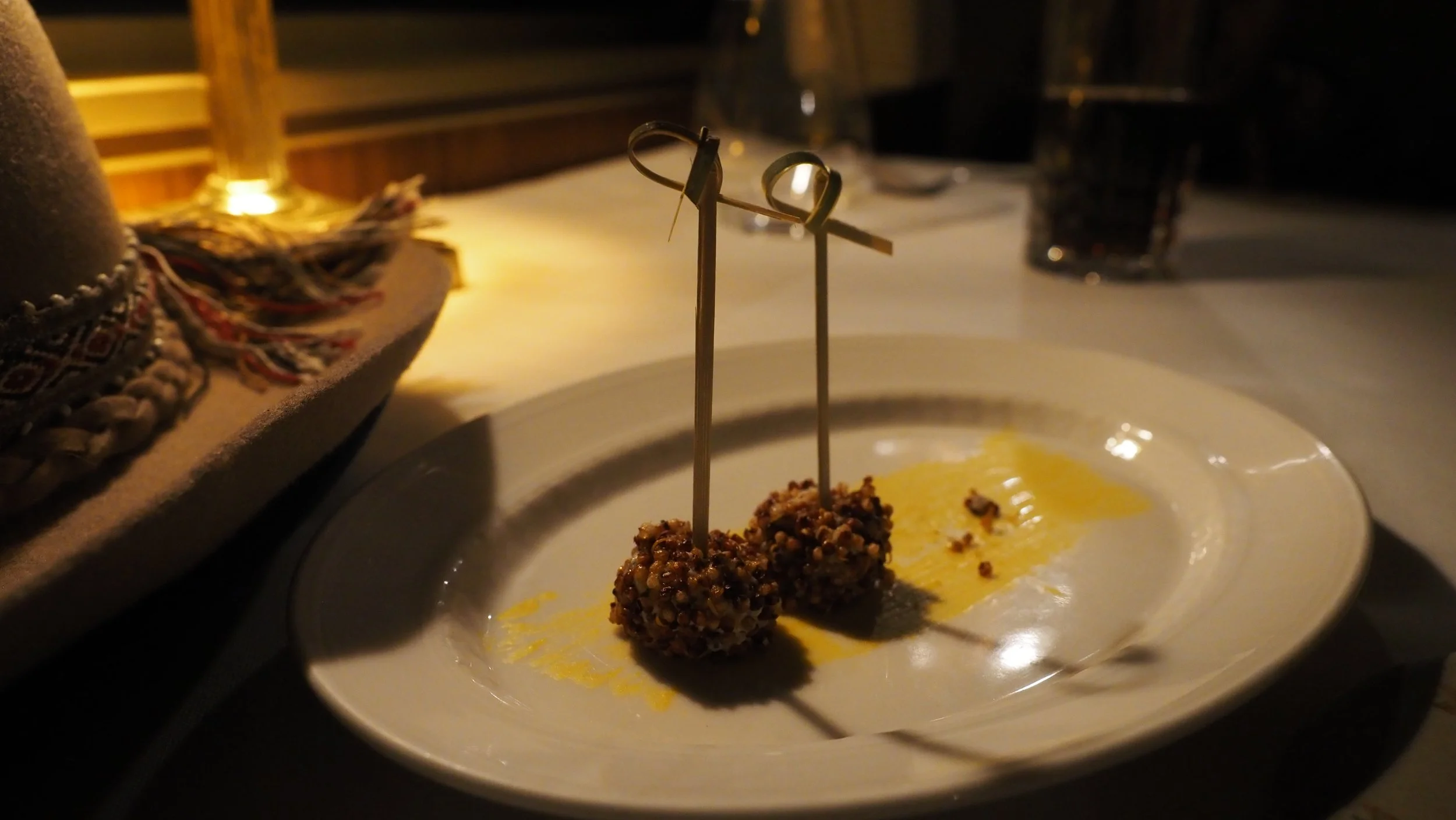
Lunch on board unfolds like a symphony of taste, the flavors harmonizing with the landscape outside — golden plains stretching into the horizon, soft whispers of the Andes accompanying each course. At 14:10, the train gracefully pauses, inviting us into the ancient world of the Sumbay Caves. Here, centuries-old whispers of art speak from stone, tales of guanaco herds and sacred wildlife etched by hands long gone. Each stroke, each engraving, feels like a connection to a time when nature and spirit were inexorably one.
However, this little hike to Sumbay Caves is one where the altitude starts to really take its toll on me. The hike down was already cumbersome, but halfway up, half of the group had to stop and take a seat on the craggy rocks aligning the path. As I gasped for air, I couldn't help but wonder about the people who created these magnificent works of art. What were their lives like? Did they struggle with the same altitude sickness that was currently making my head swim and my lungs ache?
I closed my eyes and let the gentle breeze caress my face, imagining the ancient artists at work, completely immersed in their craft. Their tools may have been simple, but their creativity and dedication to preserving their way of life through art was nothing short of extraordinary. Fellow travelers from Canada, Ireland, and California all were struggling to adjust to the dizzying heights as much as I was, and after boarding the train, the same amount of people needed the train medic. While my blood oxygen stabilized, my blood pressure shot up and I was given medication to be able to ride the symptoms out. I felt like I was wearing a compression device on my head, and the pain gave way to nausea so bad I had to skip dinner. This broke my heart. I had spent months watching Andean Explorer videos and was so excited for the first dinner. Instead, I had a warm towel over my eyes and chicken broth to get me through.
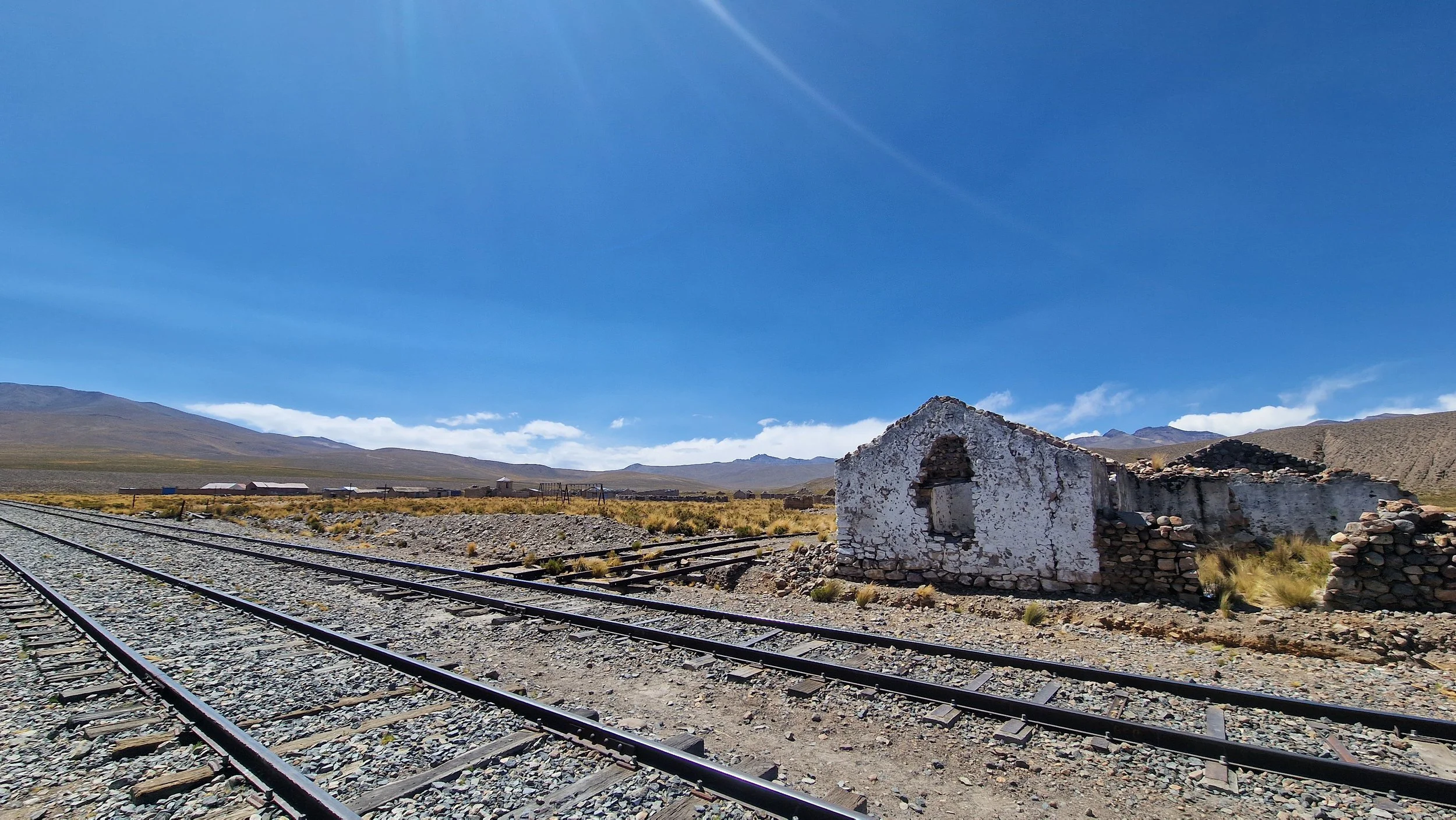
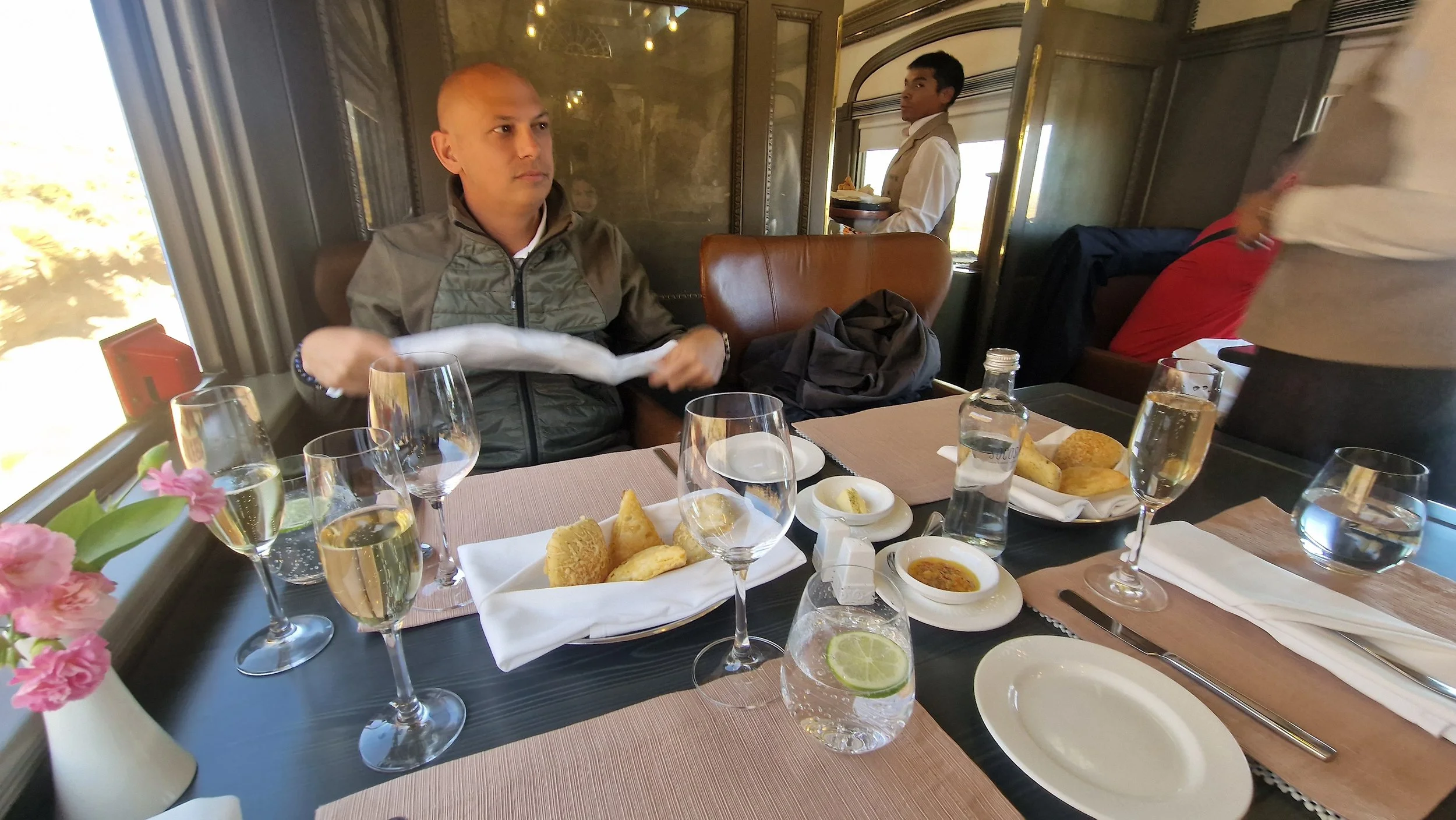
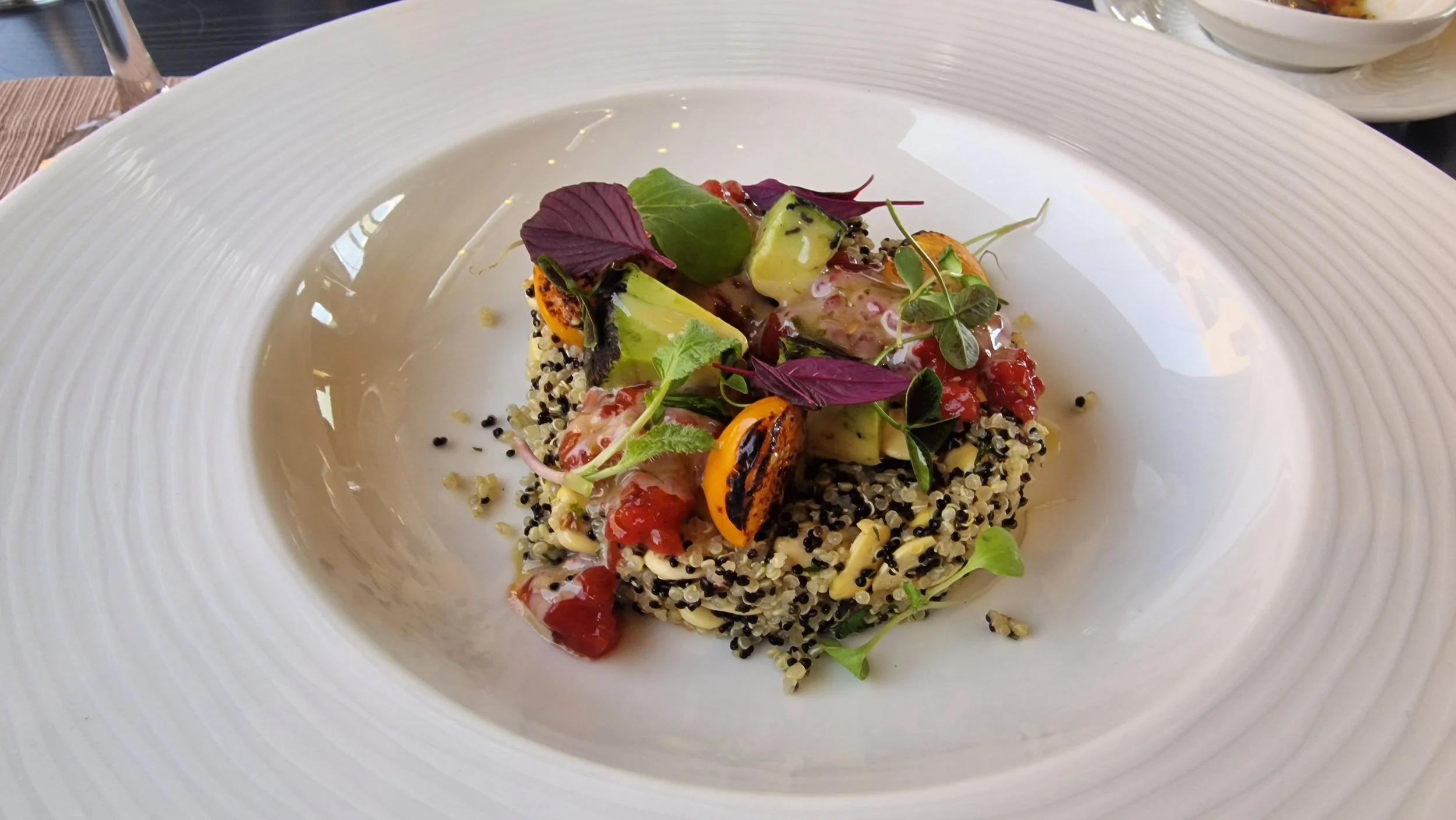
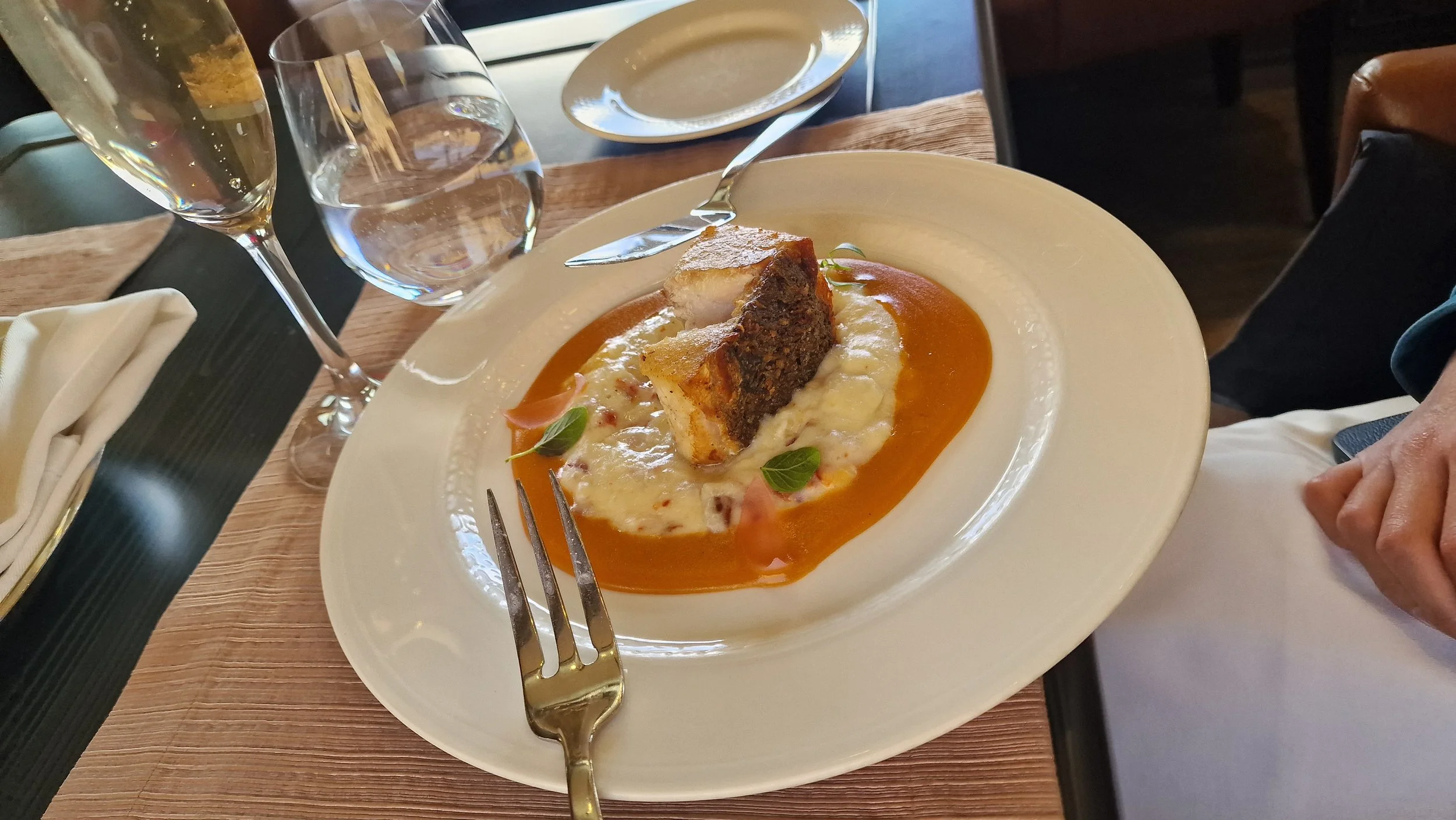
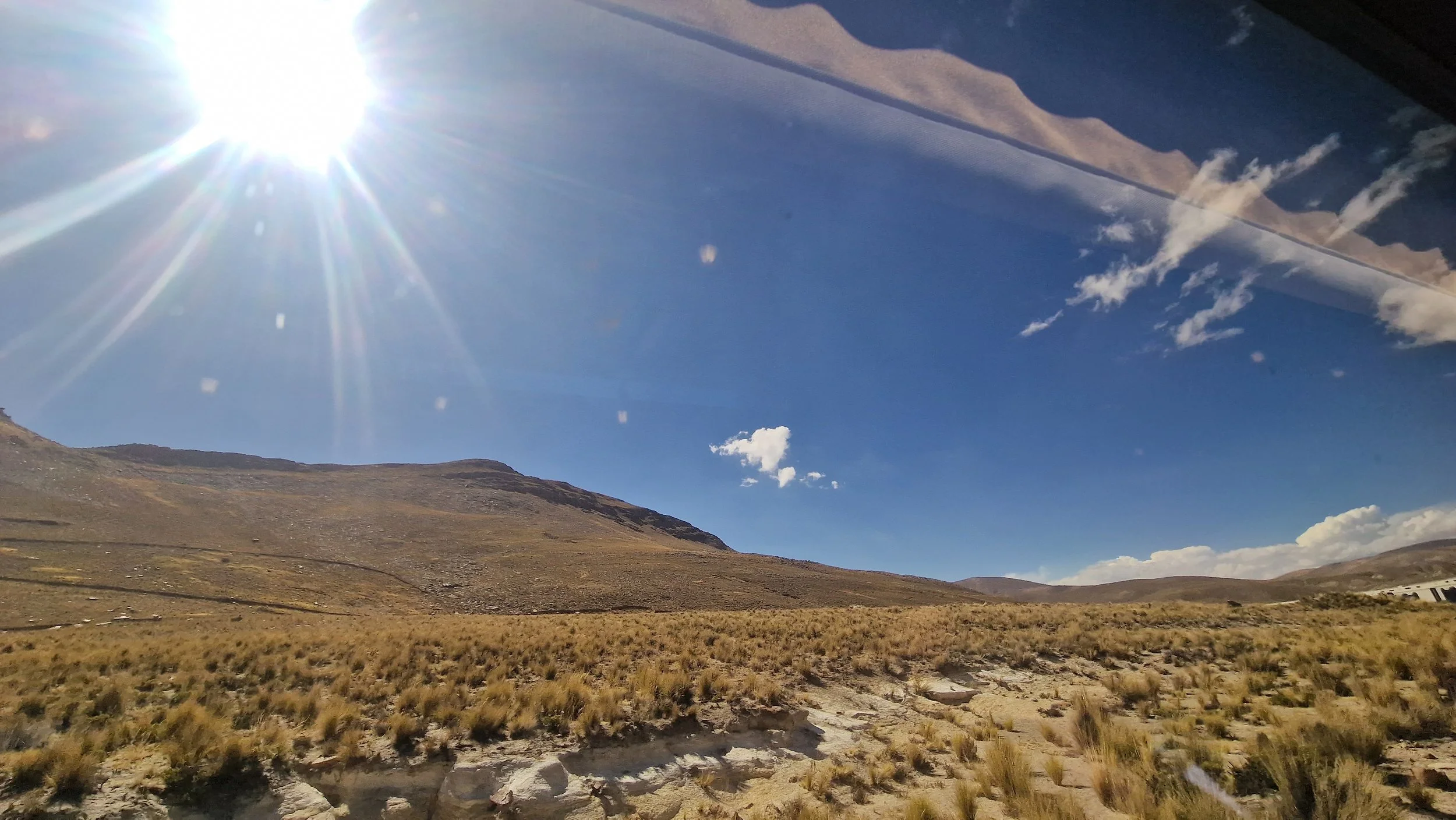
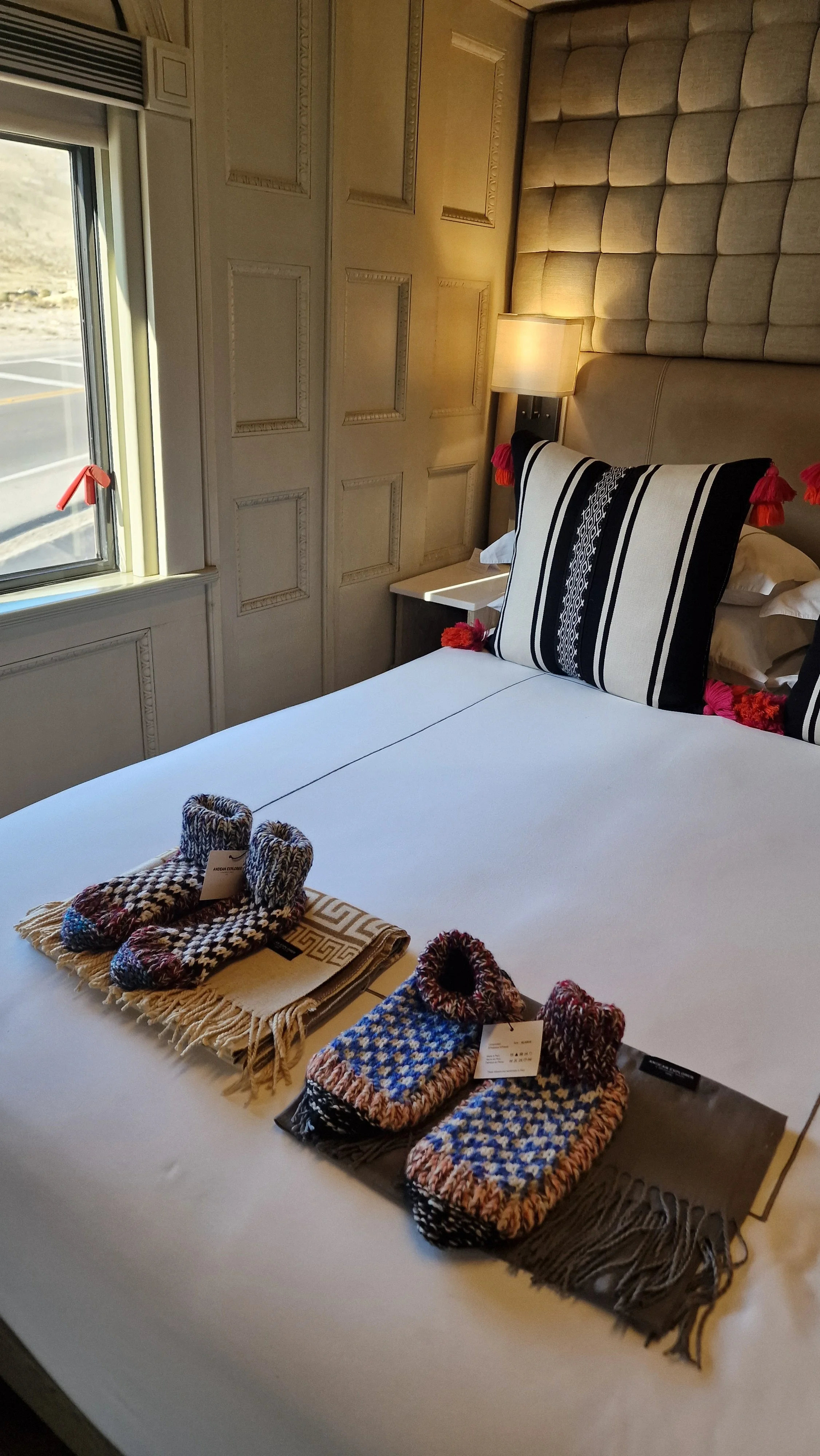
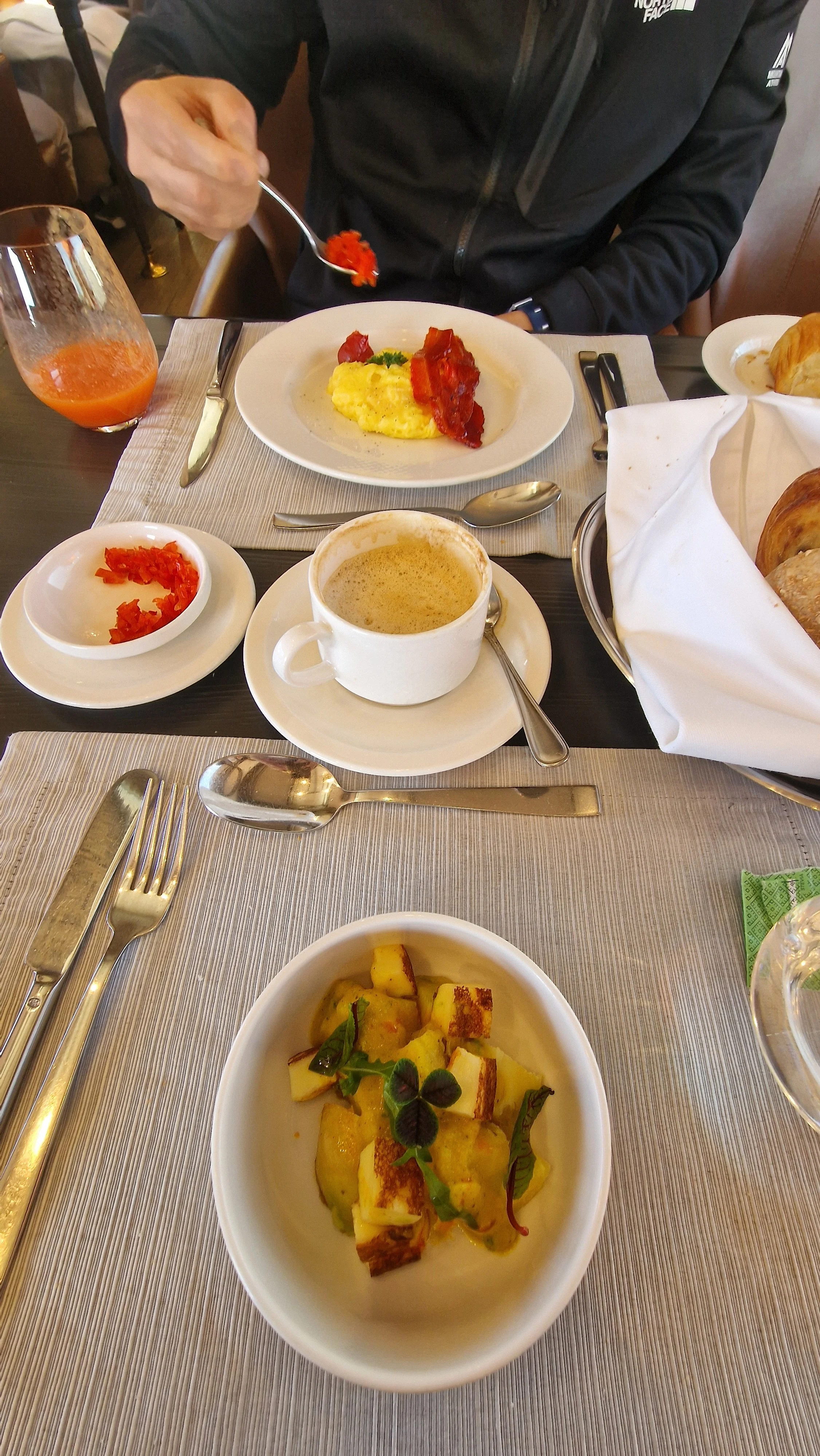
By 18:20, the scene shifts as we arrive in Saracocha. The evening’s golden light embraces us as pre-dinner cocktails are served at 19:00, the warmth of the drinks mirrored by the camaraderie among fellow travelers, or so Alex told me later. Dinner follows shortly after at 19:30, a feast not only for the palate but for the soul, accompanied by a serenade of shadowed ridges and stars emerging one by one. I was so disappointed to miss it. The train continues its passage, and as midnight approaches, we arrive at Puno Dock at 23:00. Gently, the luxury of the Andean Explorer enfolds us for the night. Under a sky stitched with constellations, we prepare for tomorrow’s discovery, the magic of Peru unfolding one chapter at a time.
The first light of dawn greets Puno Dock with a quiet reverence, the waters of Lake Titicaca glimmering faintly, kissed by the soft hues of morning. Here, at 06:00, breakfast on board becomes more than a meal—it is a ritual, a moment to breathe in the tranquility of the world’s highest navigable lake, often revered as the sacral chakra of Mother Earth. Recovery from the previous night was underway. Legends whisper that this mystical body of water holds the pulse of the Earth’s life force, a sacred energy that feeds into the wellspring of creation itself.
By 08:30, the air hums with anticipation as the boat cuts across the placid waters, carrying us toward the Uros Floating Islands. These islands, crafted entirely from the buoyant totora reeds, are living testaments to human resilience and ingenuity. Here, the Uru people, descendants of an ancient lineage, welcome us into their world—a place where time dances slower, woven with traditions that have outlived the empires of the past. Their connection to the lake and the sky feels ancestral, almost otherworldly, as stories surface of their coexistence with the Incas and even older, shadowed civilizations.
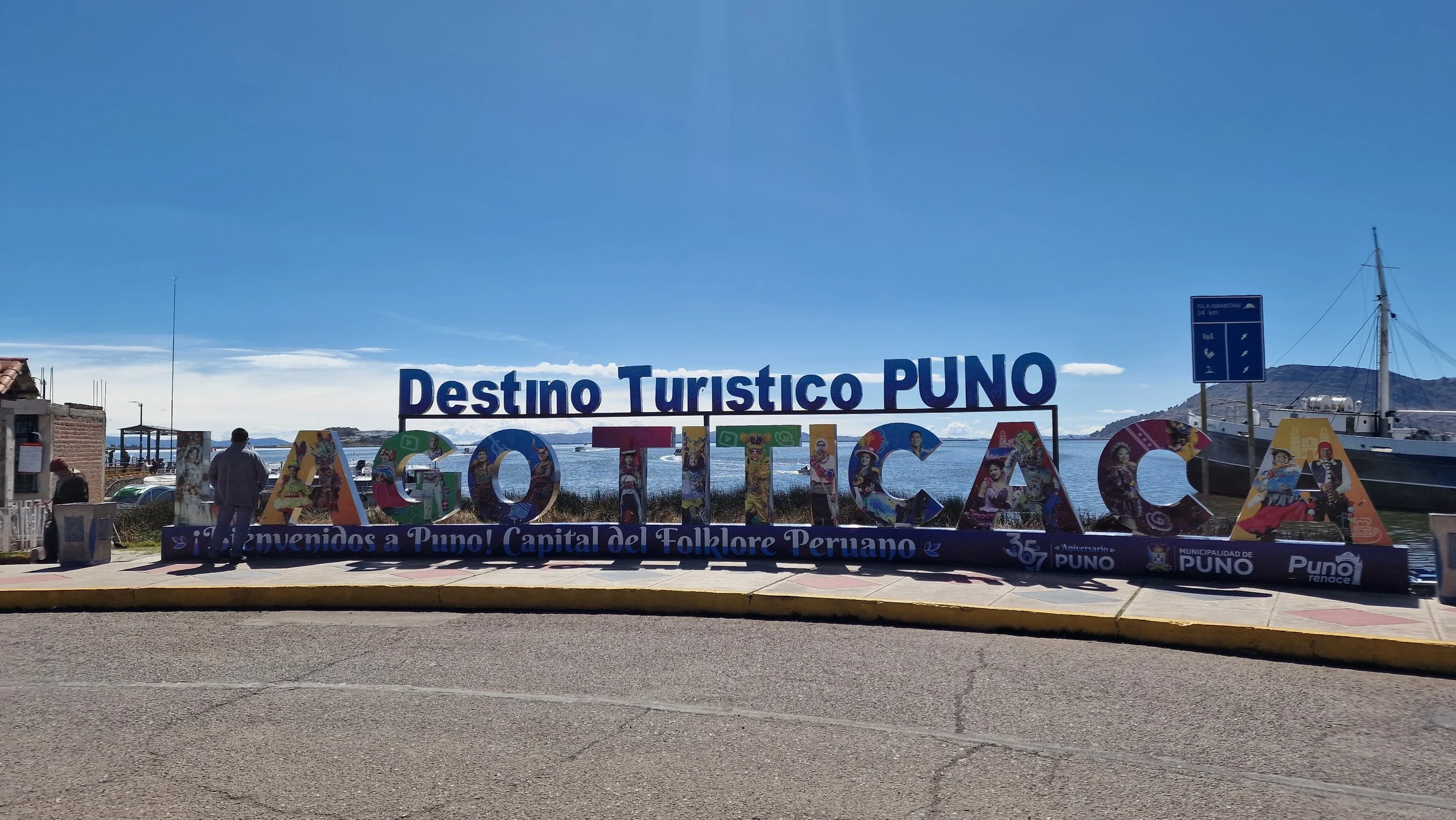
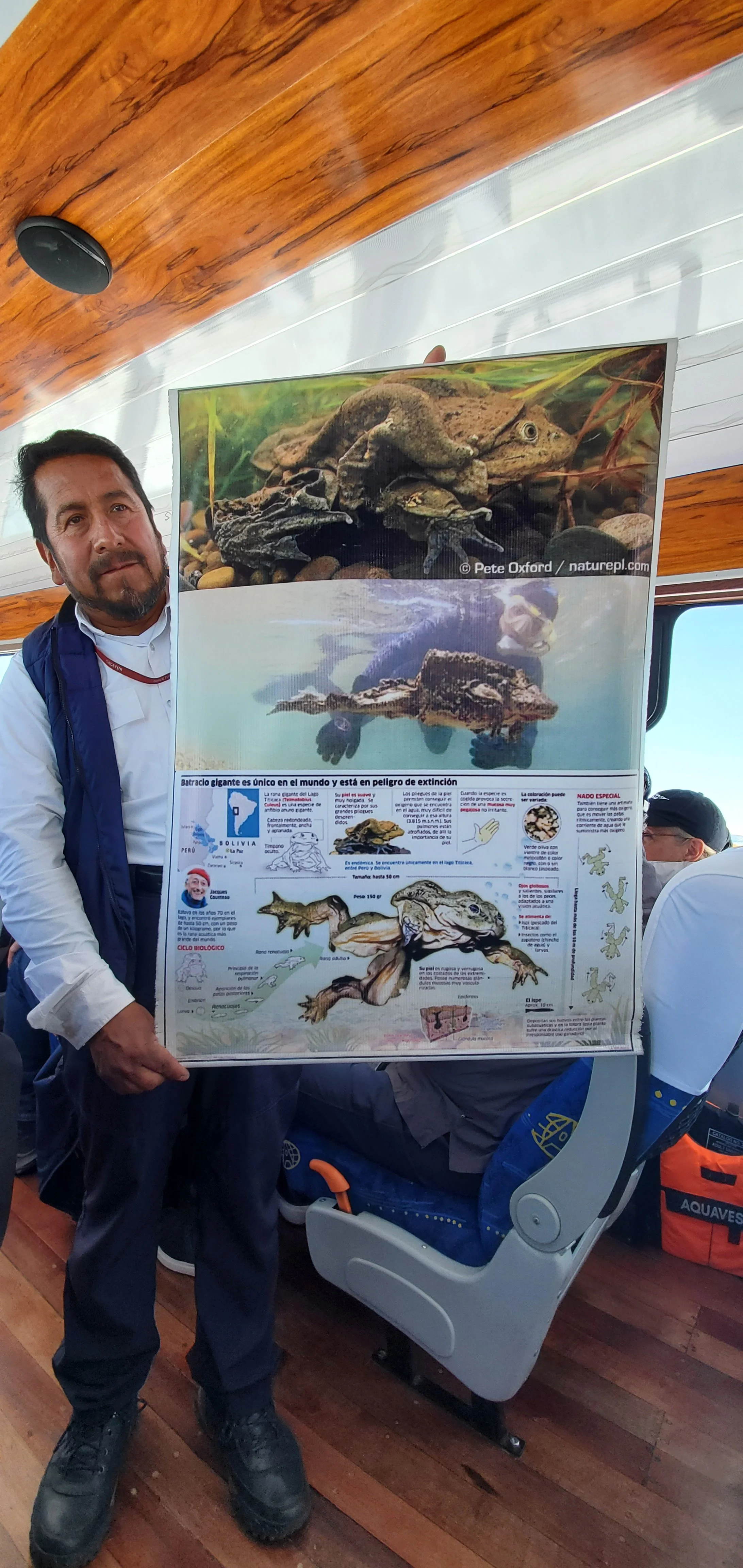
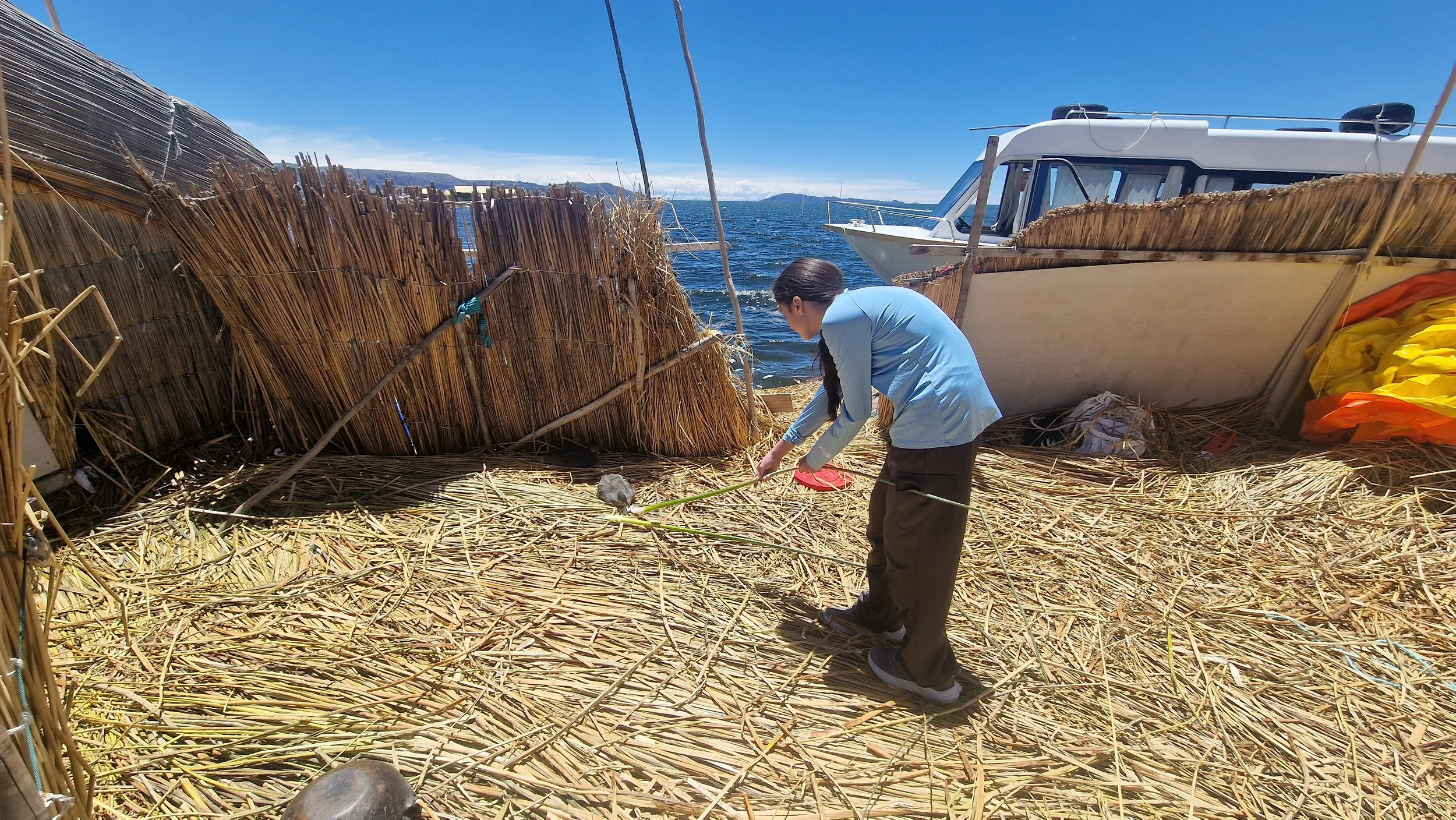
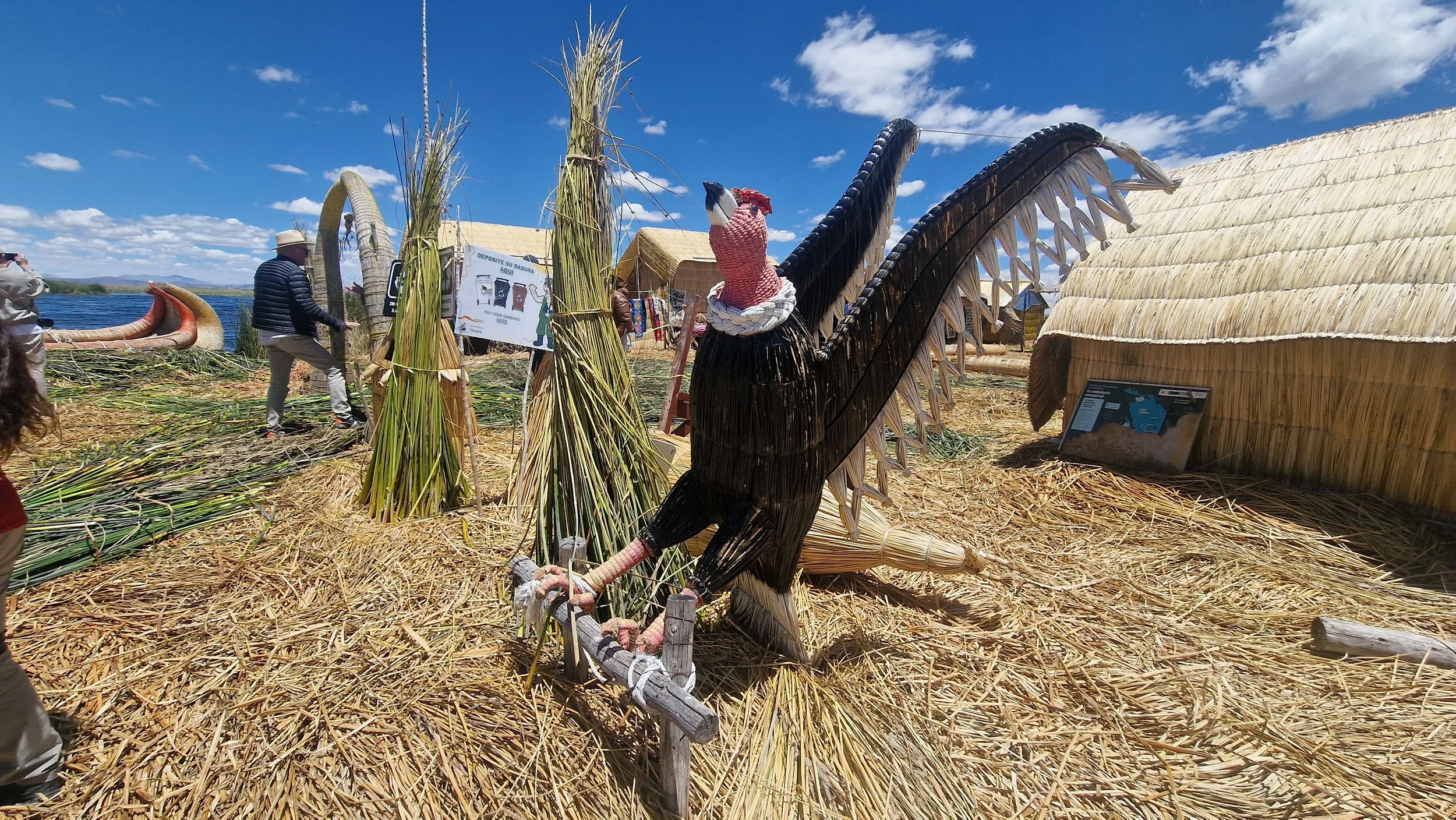
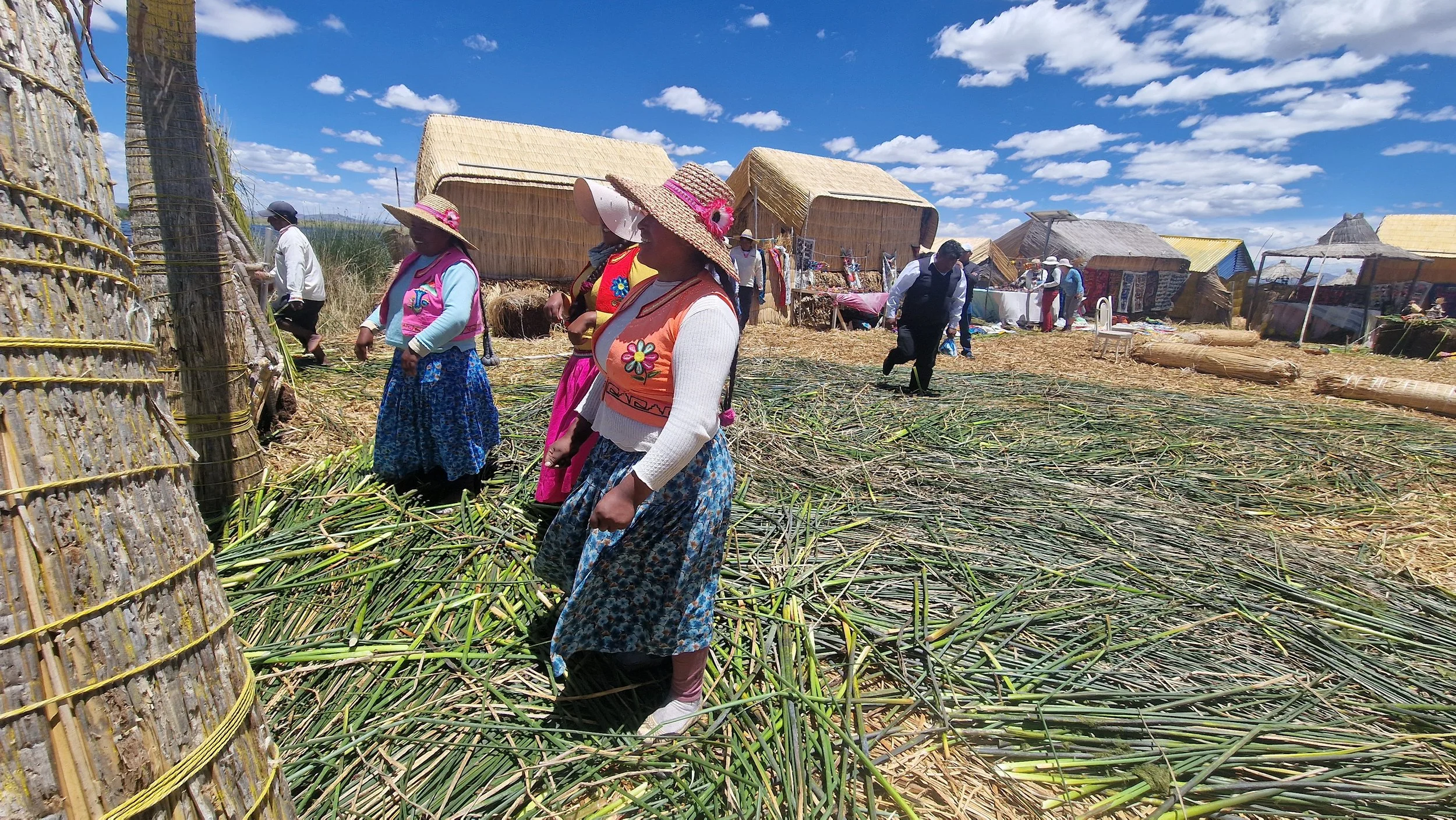
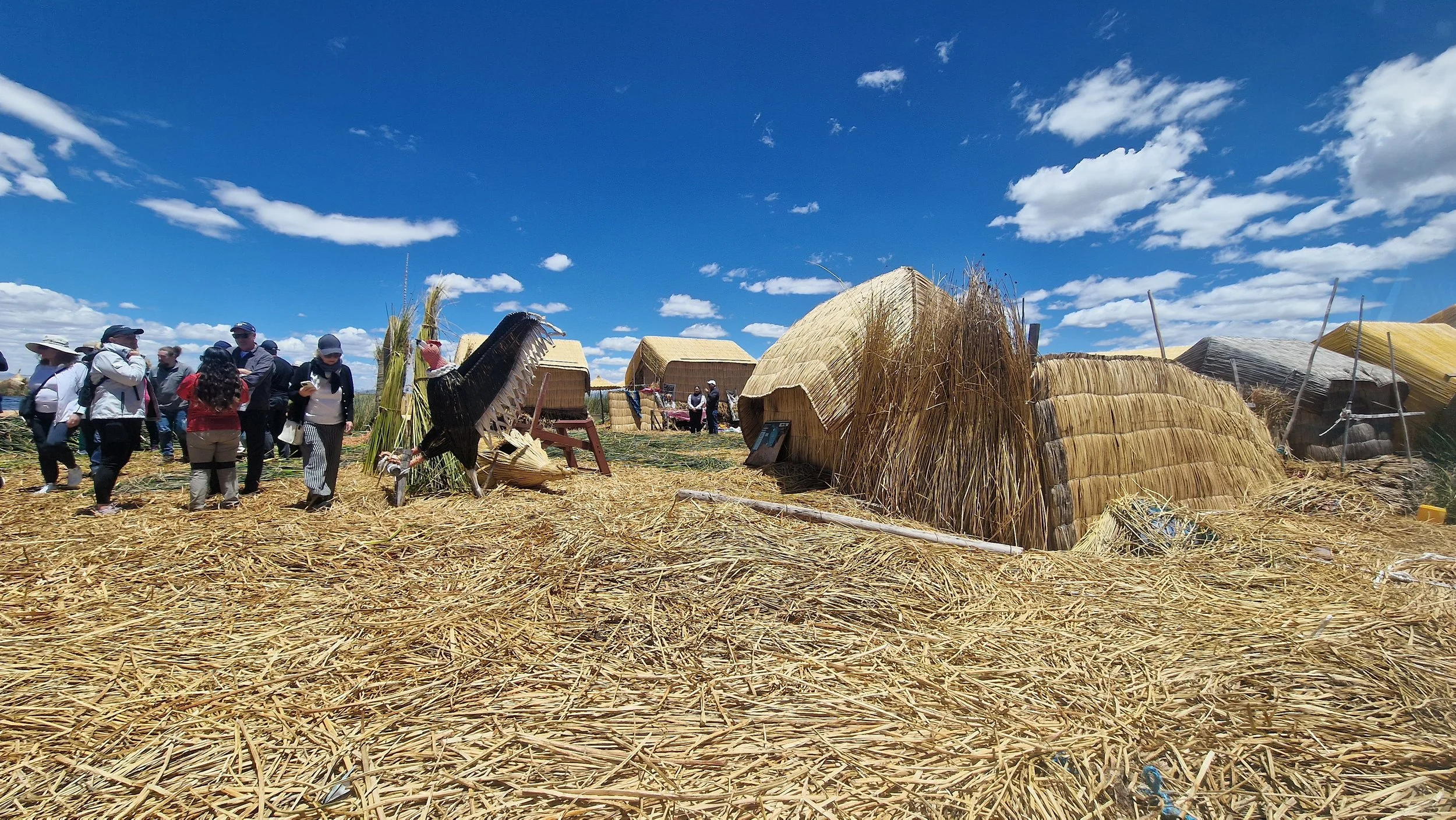
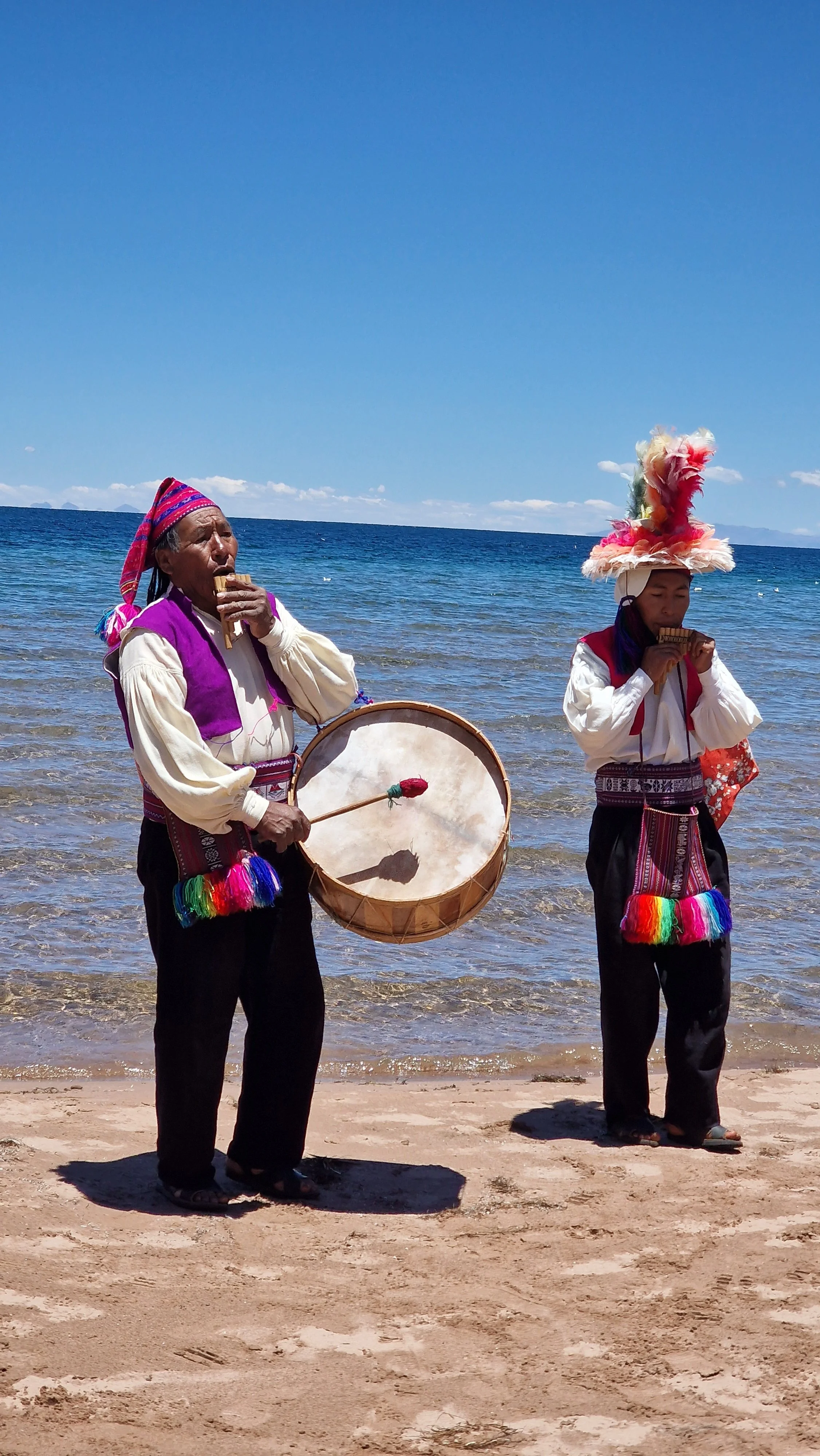
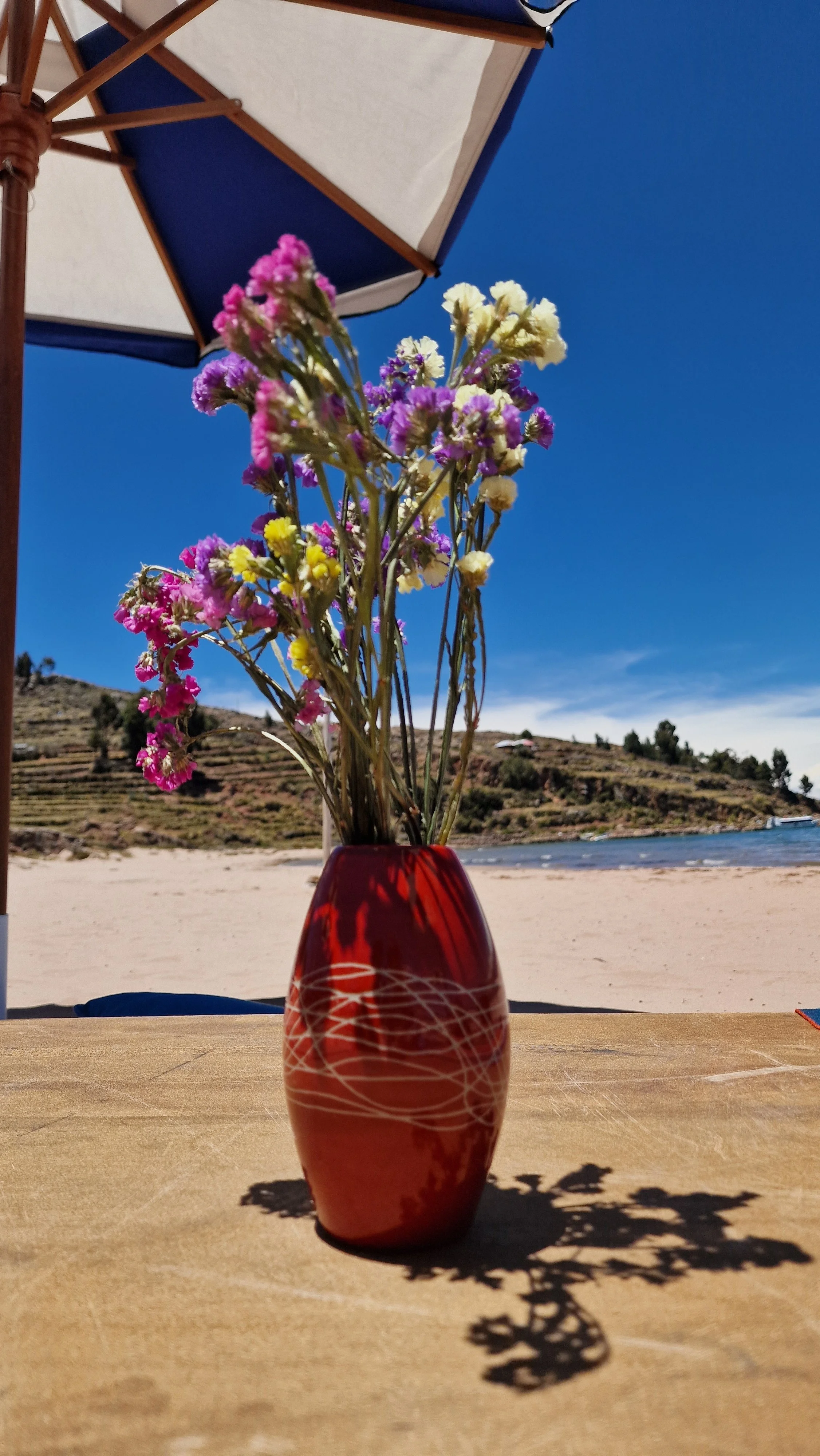
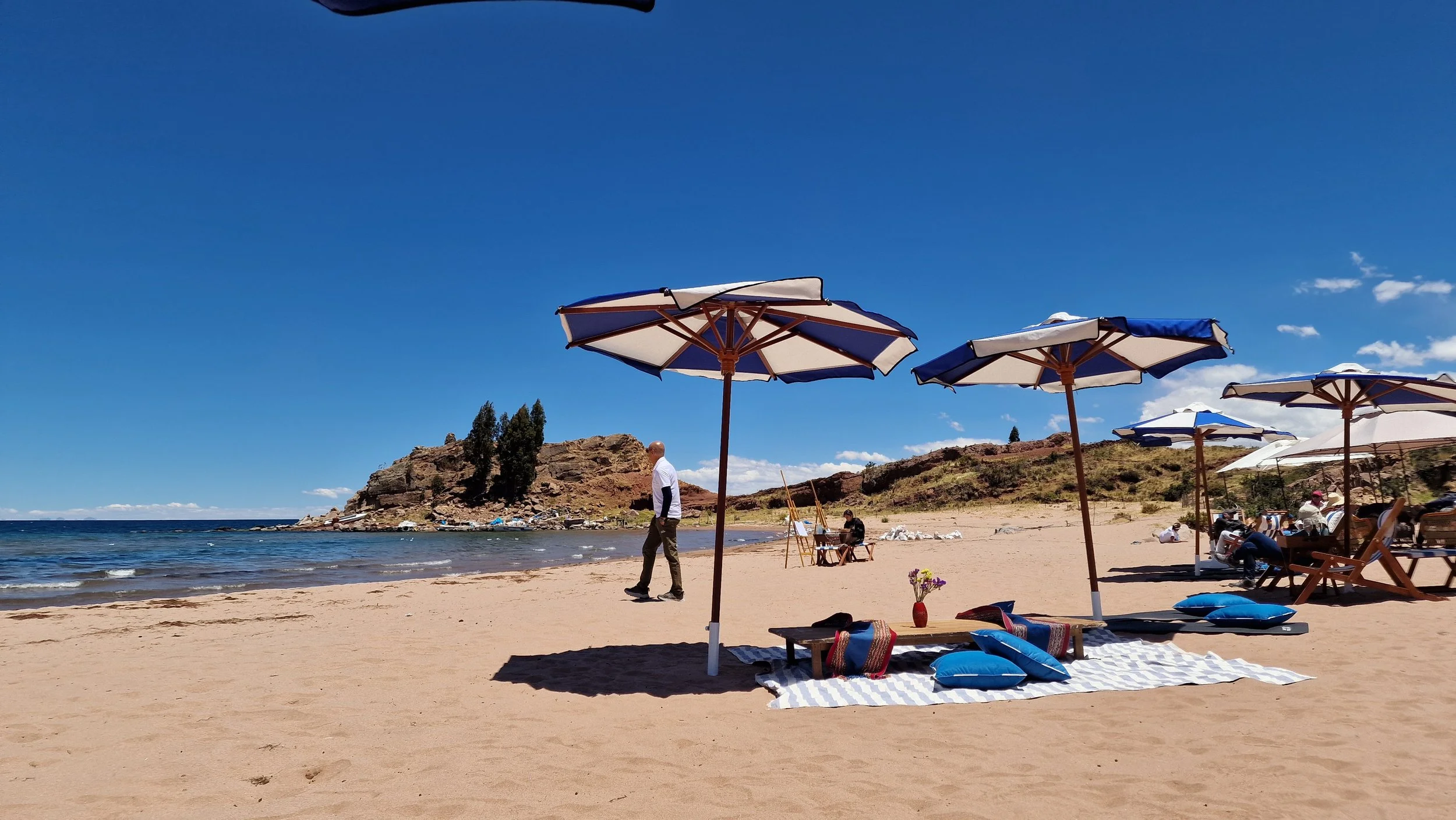
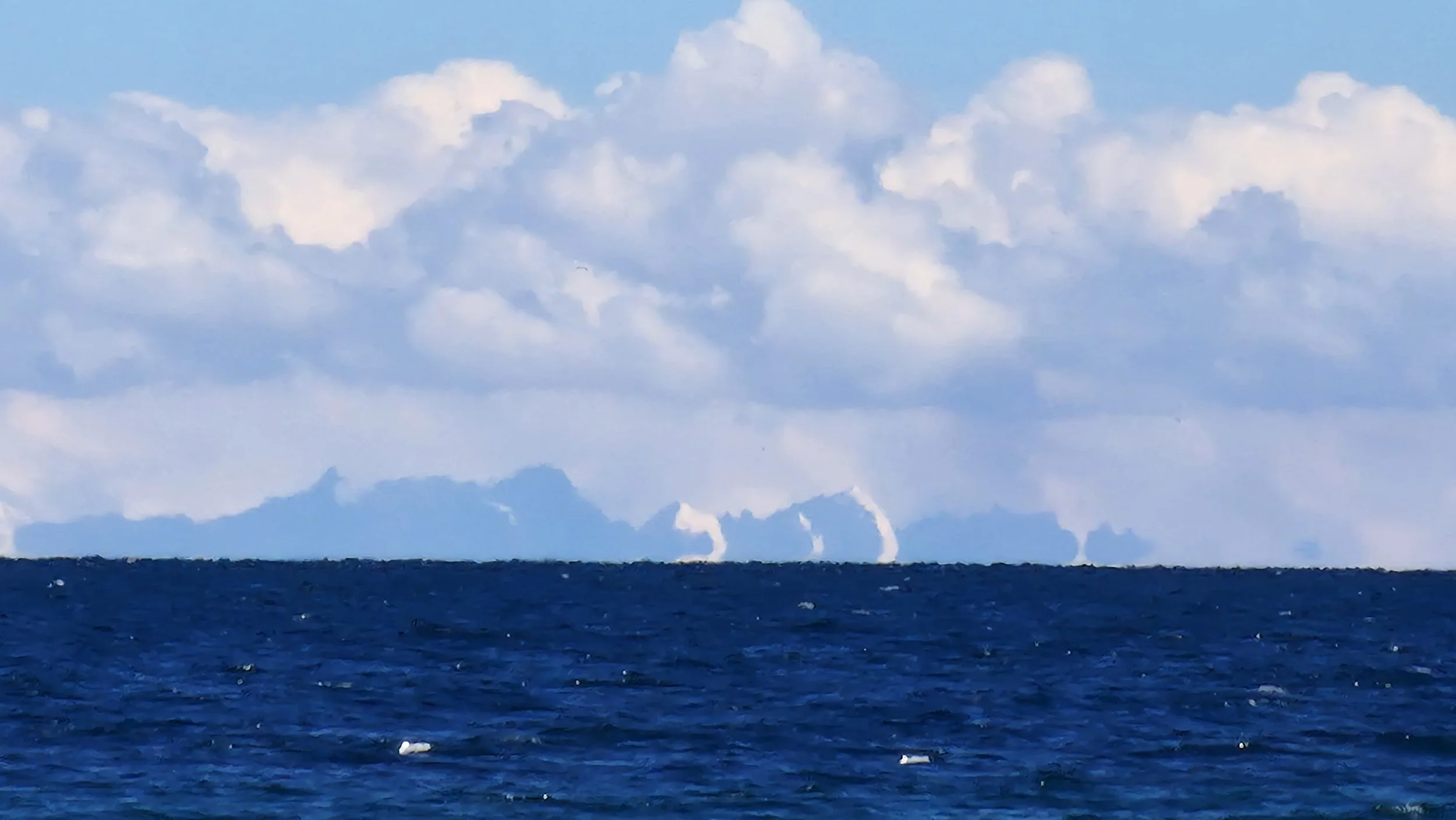
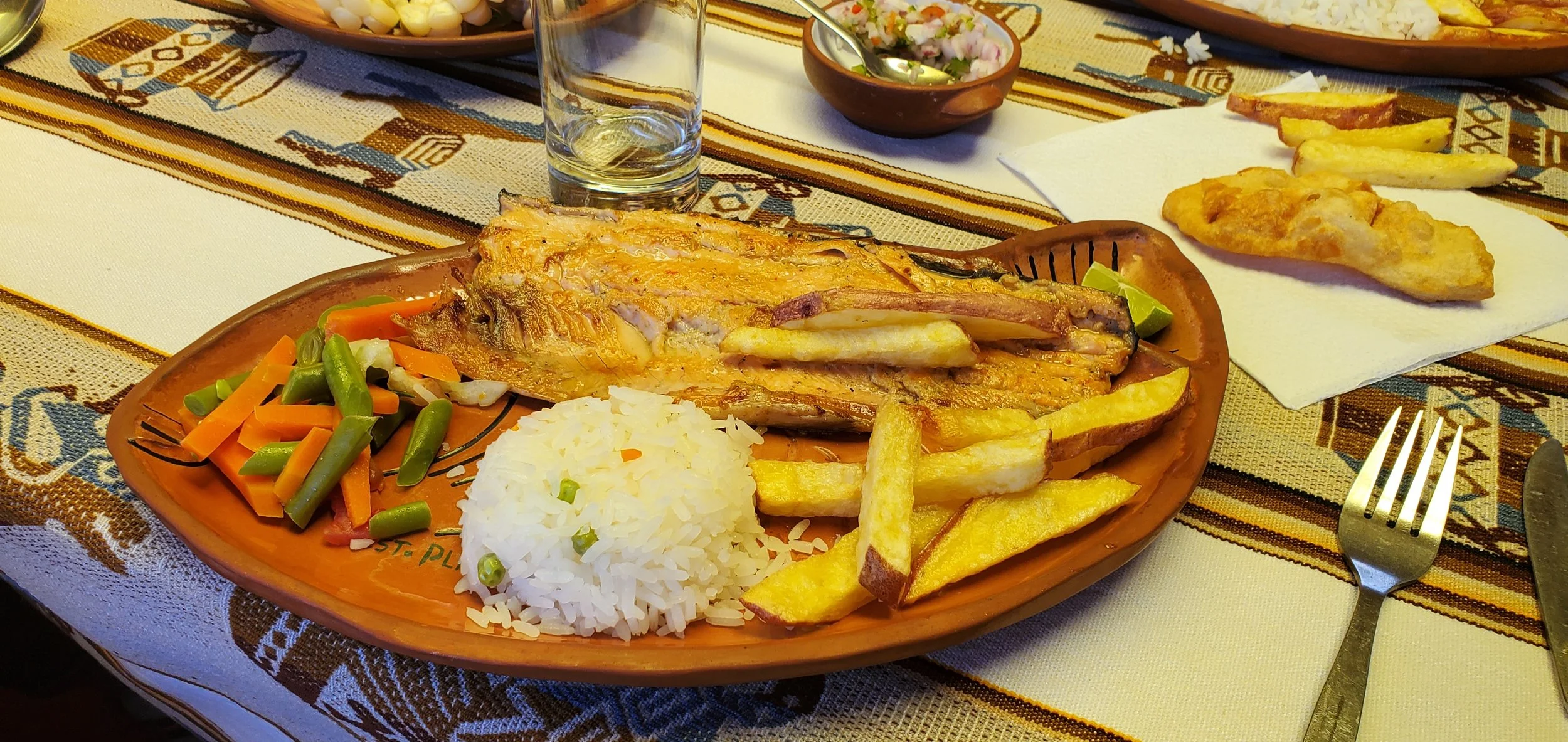
From the Uros islands, we glide toward Taquile Island, where a sense of serenity lingers in every breeze. Its shores, touched by the sapphire waves, reveal a community renowned for its unmatched artistry. The Taquileños, through their intricate handwoven textiles, convey a language of patterns and colors that speak of identity and communal spirit. Their craft is both heritage and heartbeat, a delicate expression of life in harmony with the land. A set menu lunch amidst this cultural treasure is more than nourishment; it is an immersion into tradition, punctuated by vibrant dances that bring the island’s narrative alive.
As the day wanes, we return to the Lake Titicaca train station by 16:50, carrying with us the echoes of waves and the wisdom of those who live within the lake’s sacred orbit. By 19:00, pre-dinner cocktails mark a moment to reflect on the layers of wonder unveiled, followed by a decadent dinner at 19:30, where each flavor seems to mirror the depth of the day’s discoveries. Finally, I’m able to eat the Andean Explorer dinner of my dreams.
At 23:30, the train gently glides into Maranganí, and as the Andean night unfolds once more, we find ourselves enveloped by its vastness, dreamers cradled under a starlit sky.
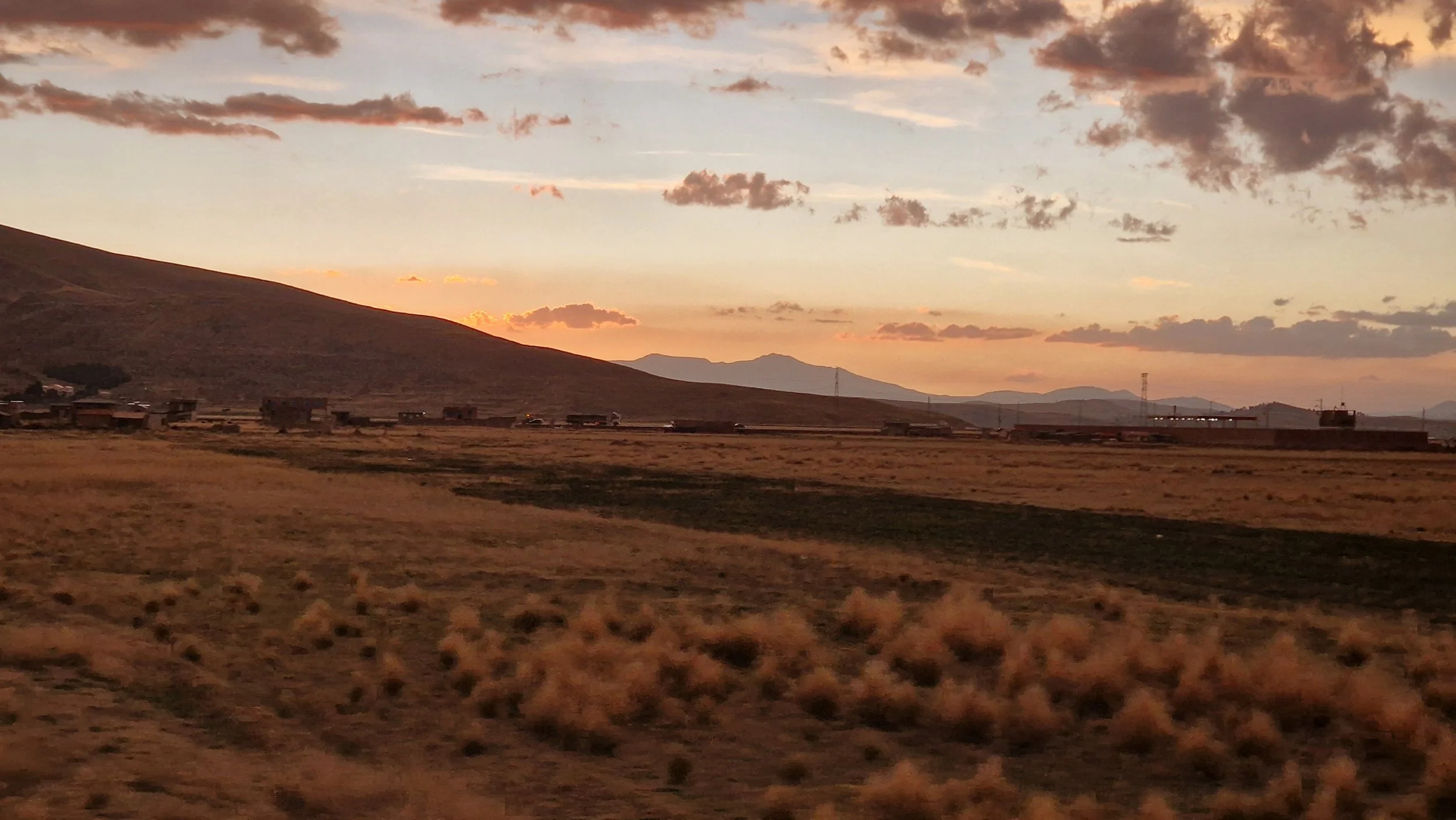
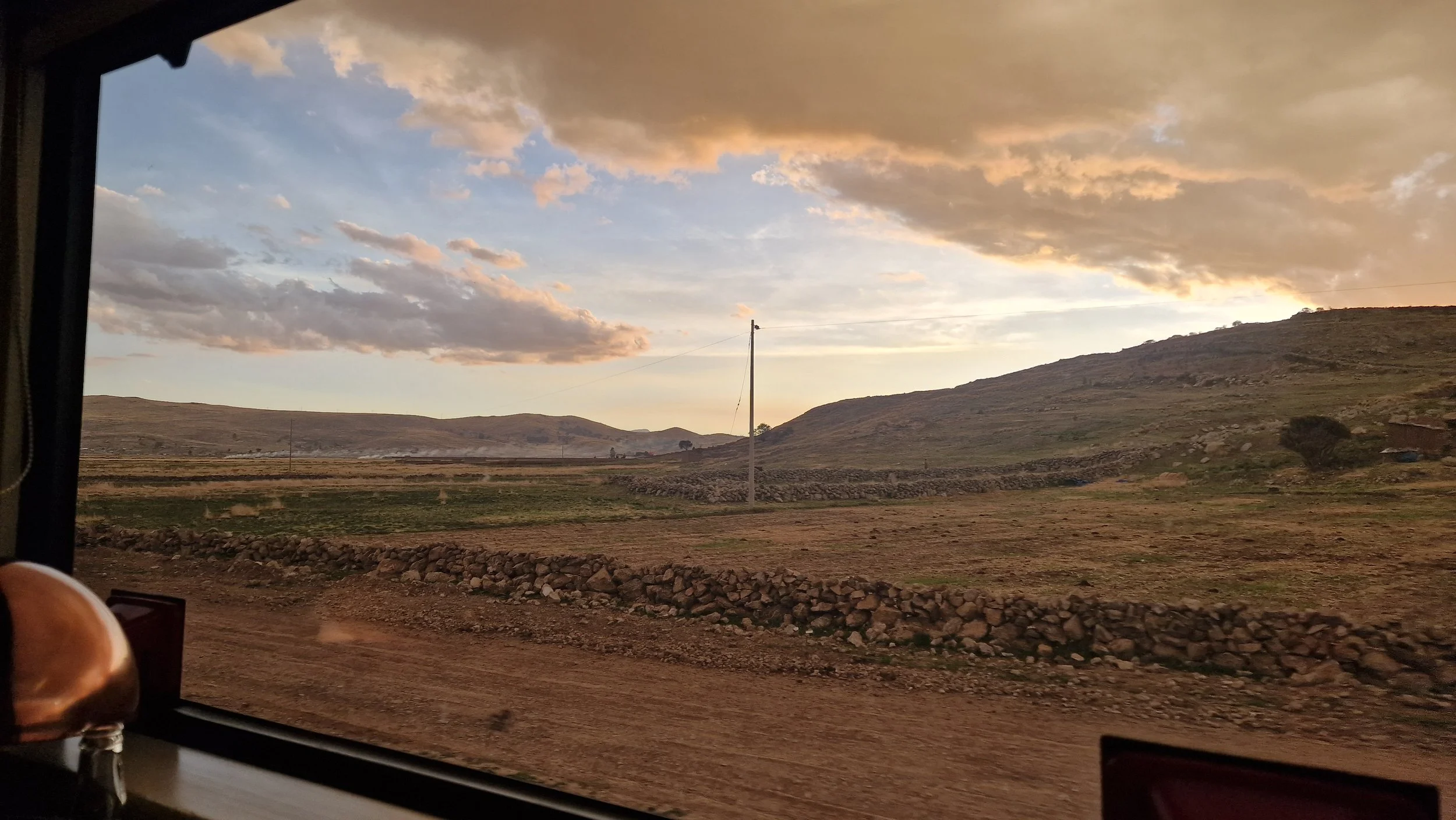
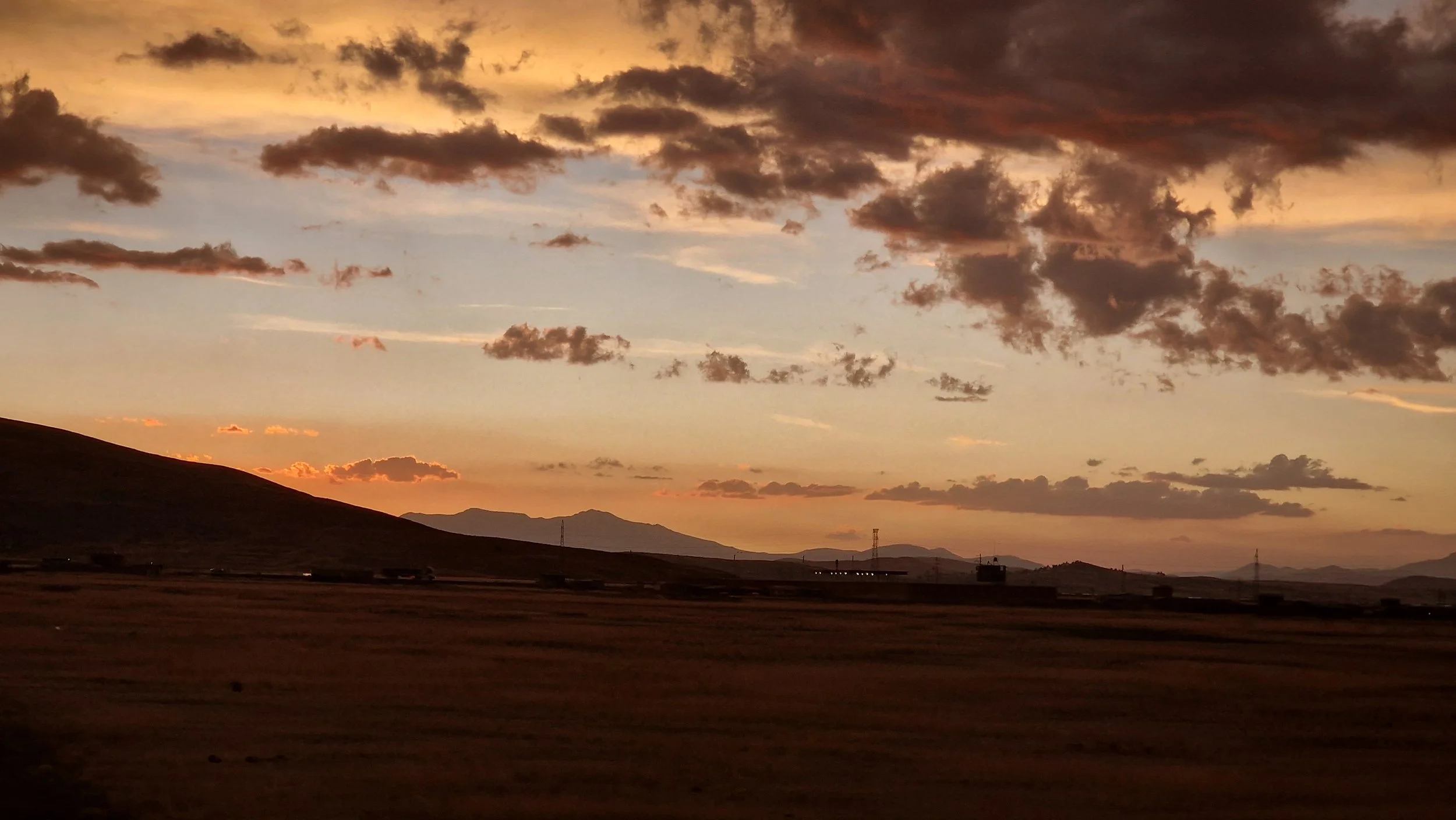
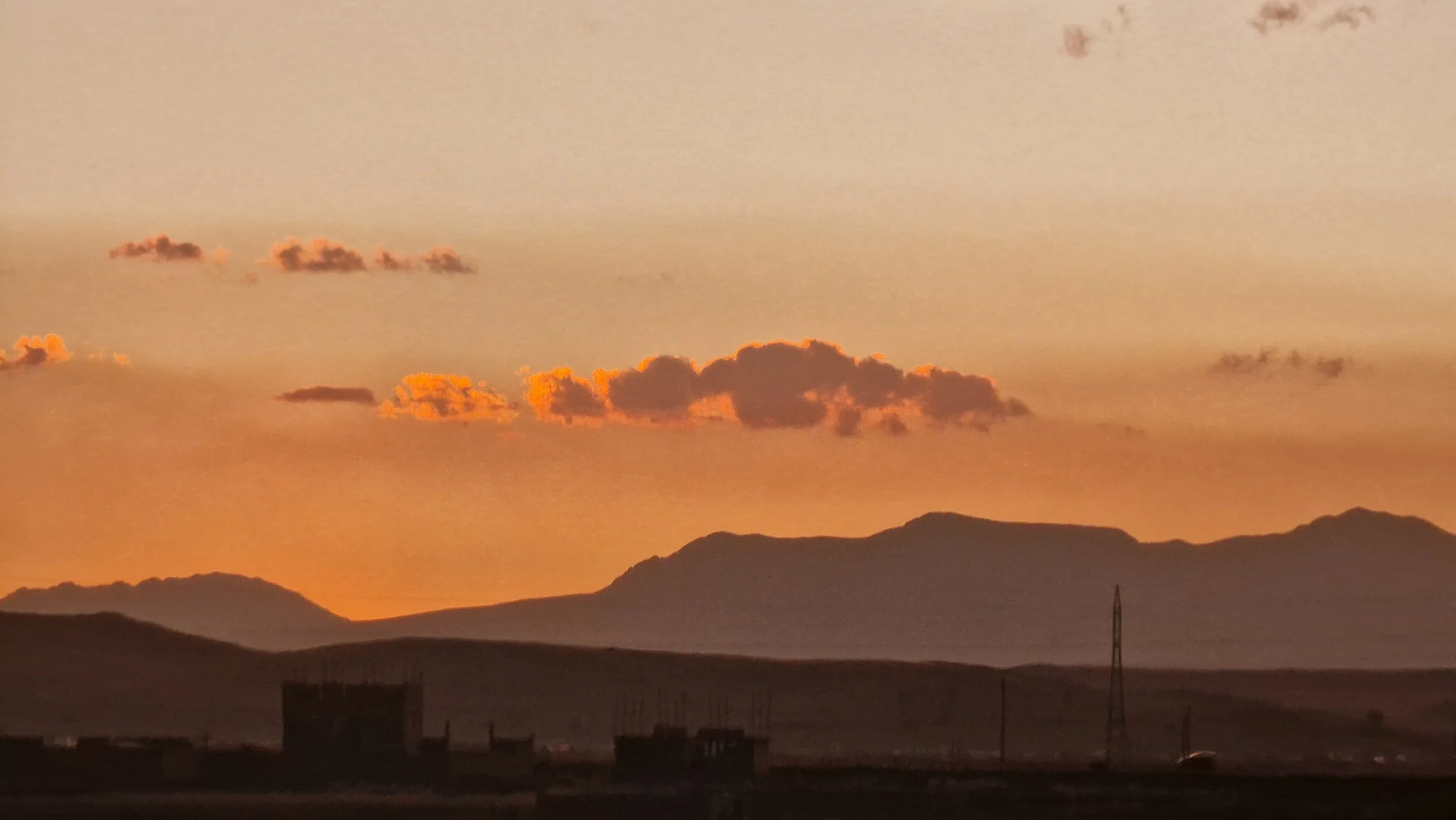
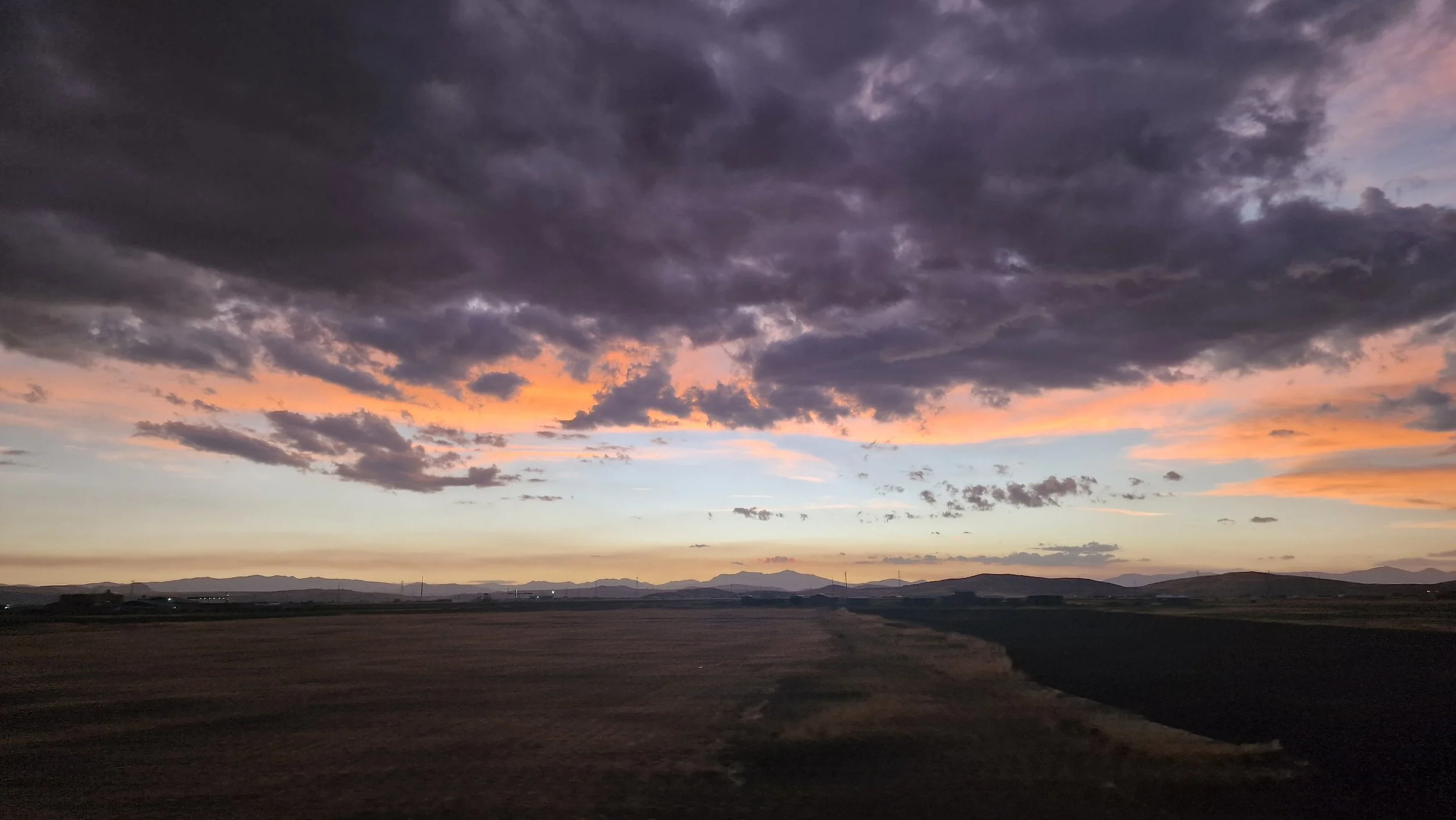
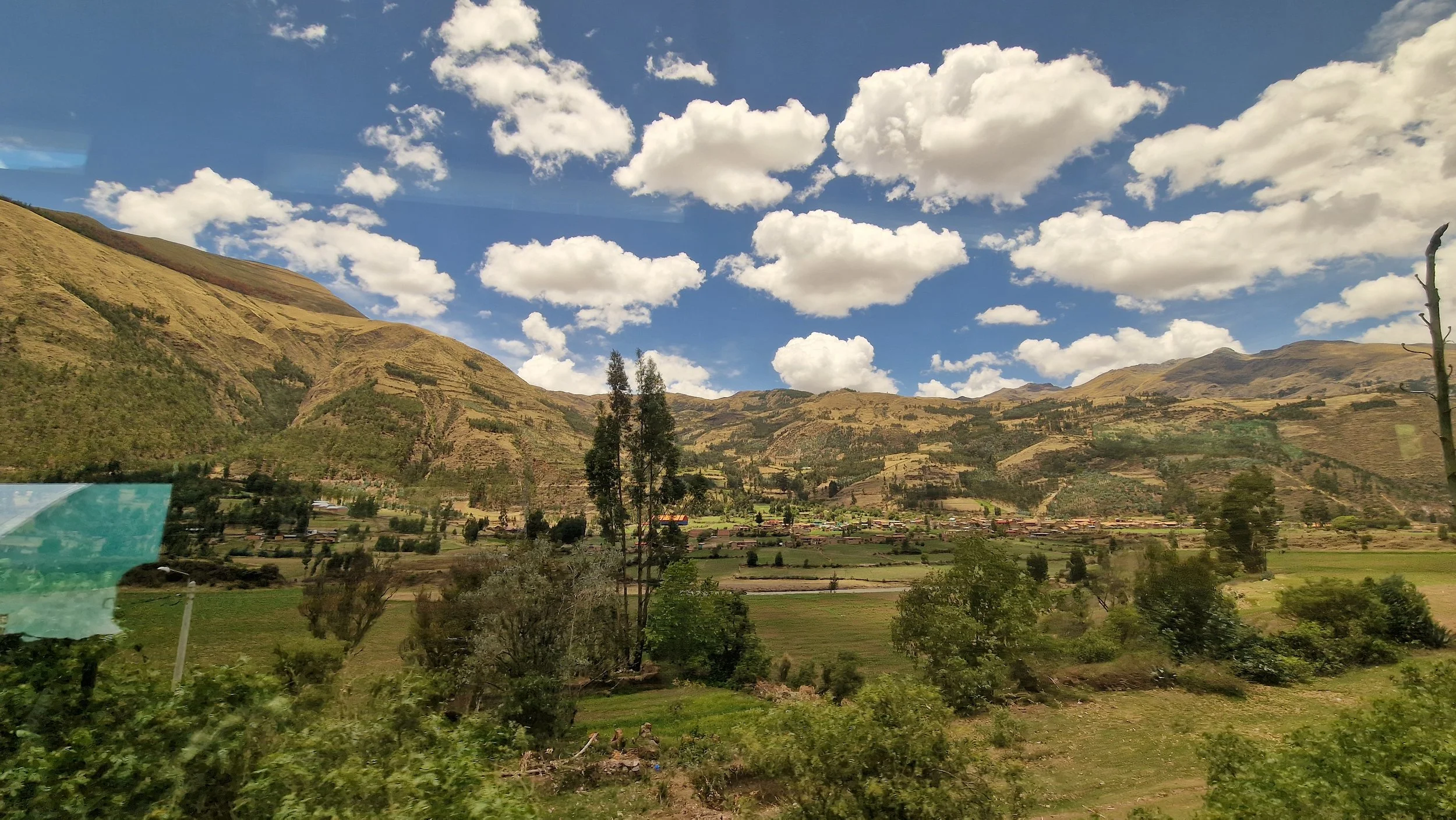
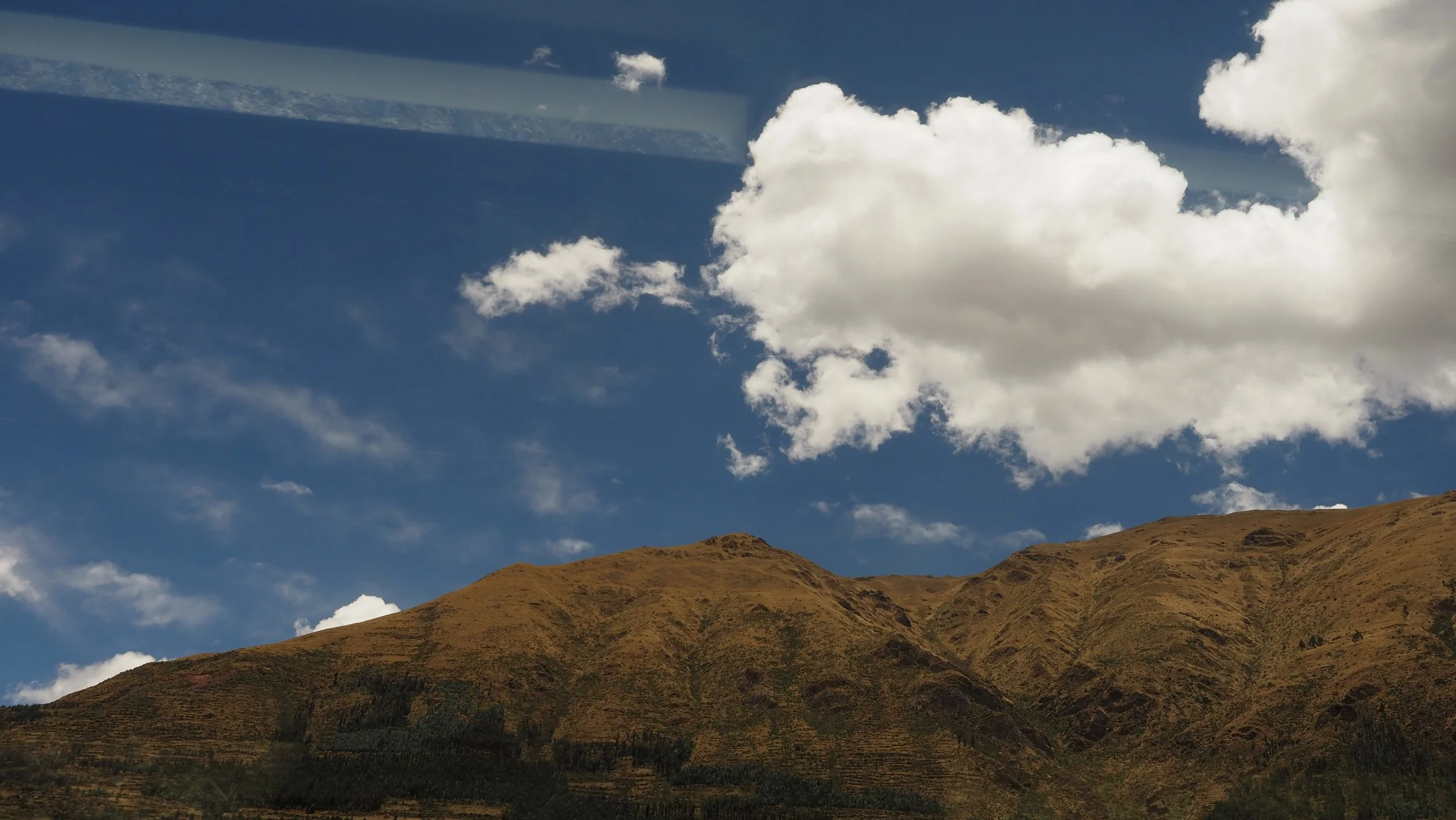
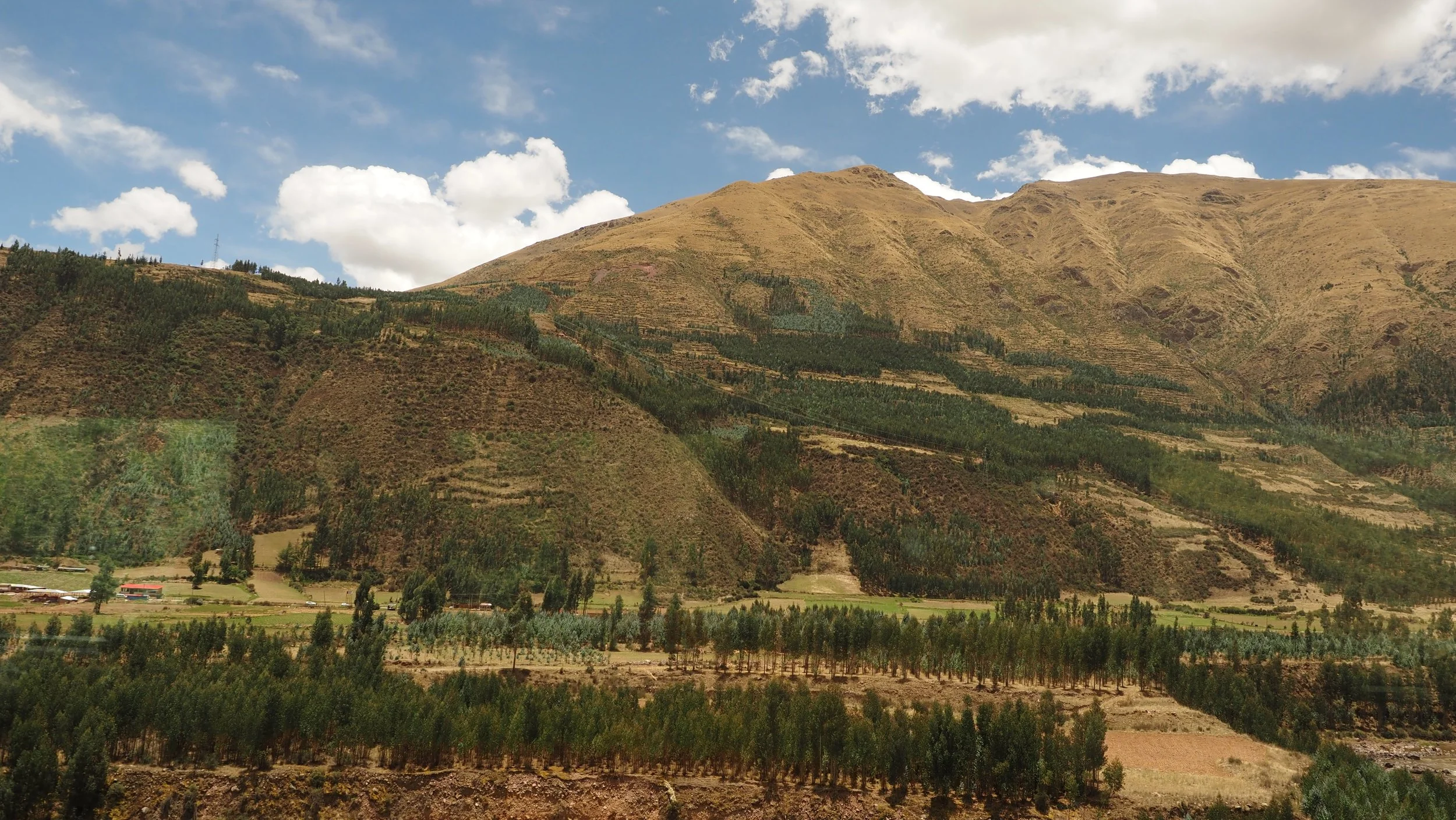
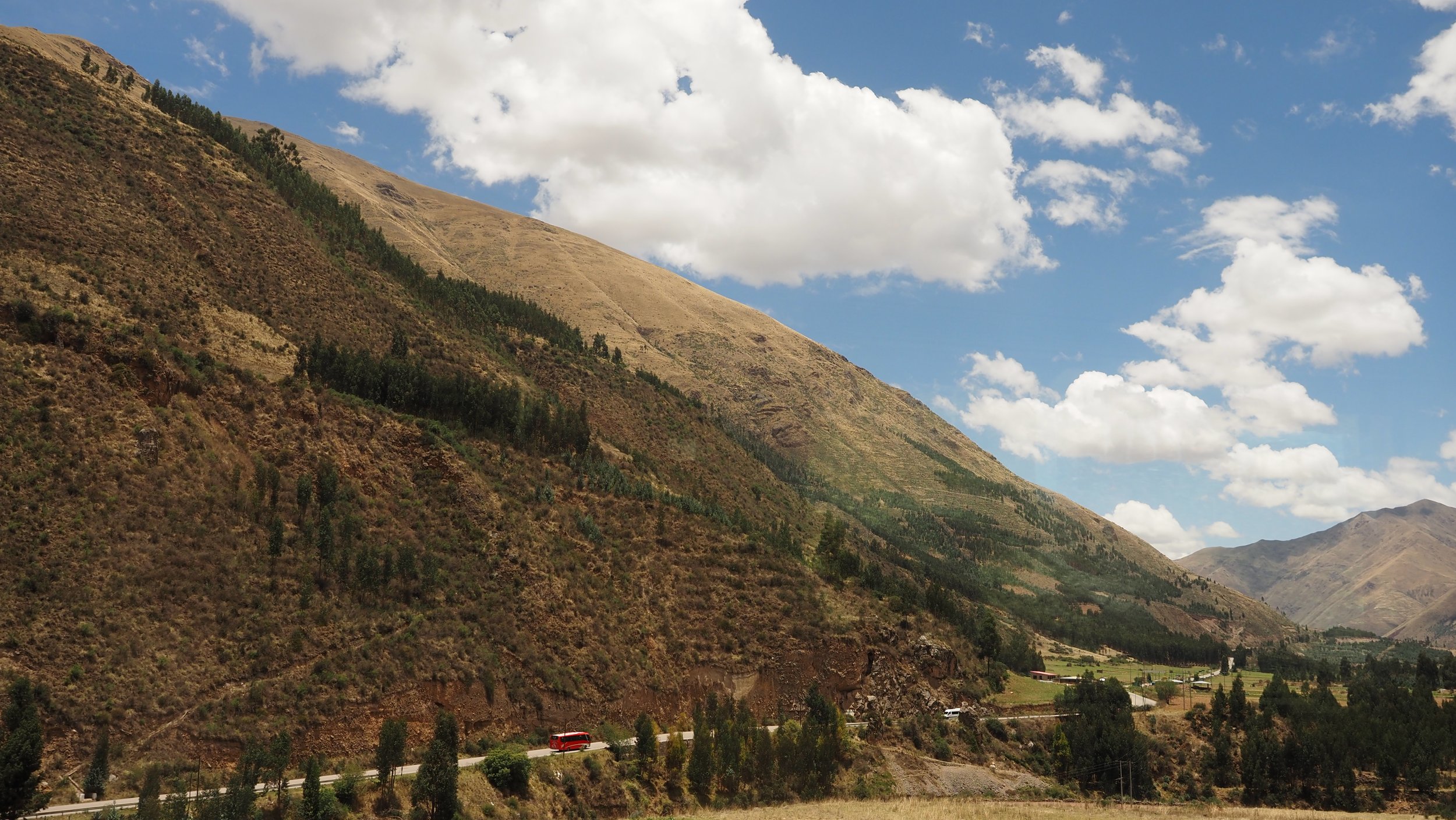
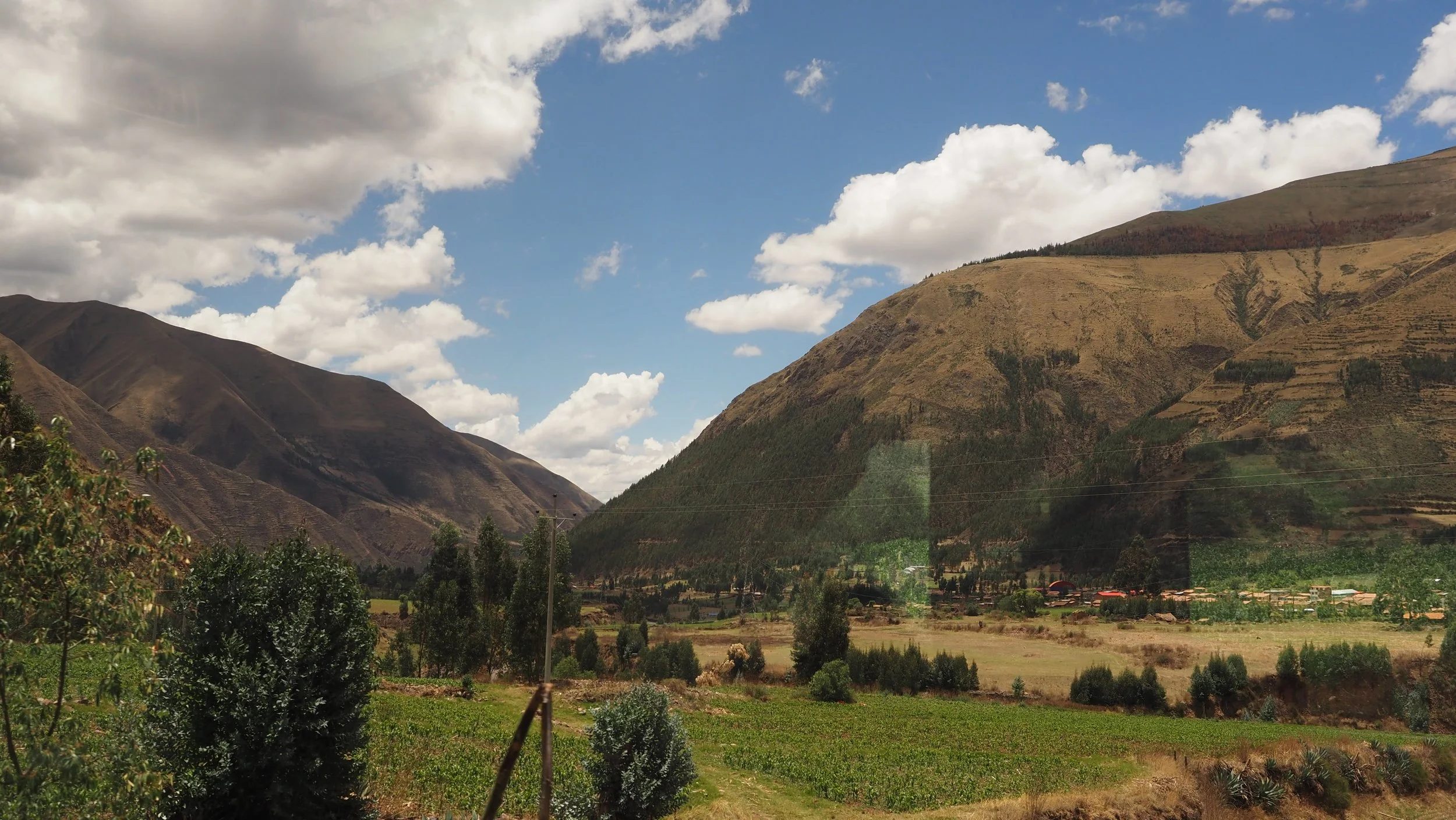
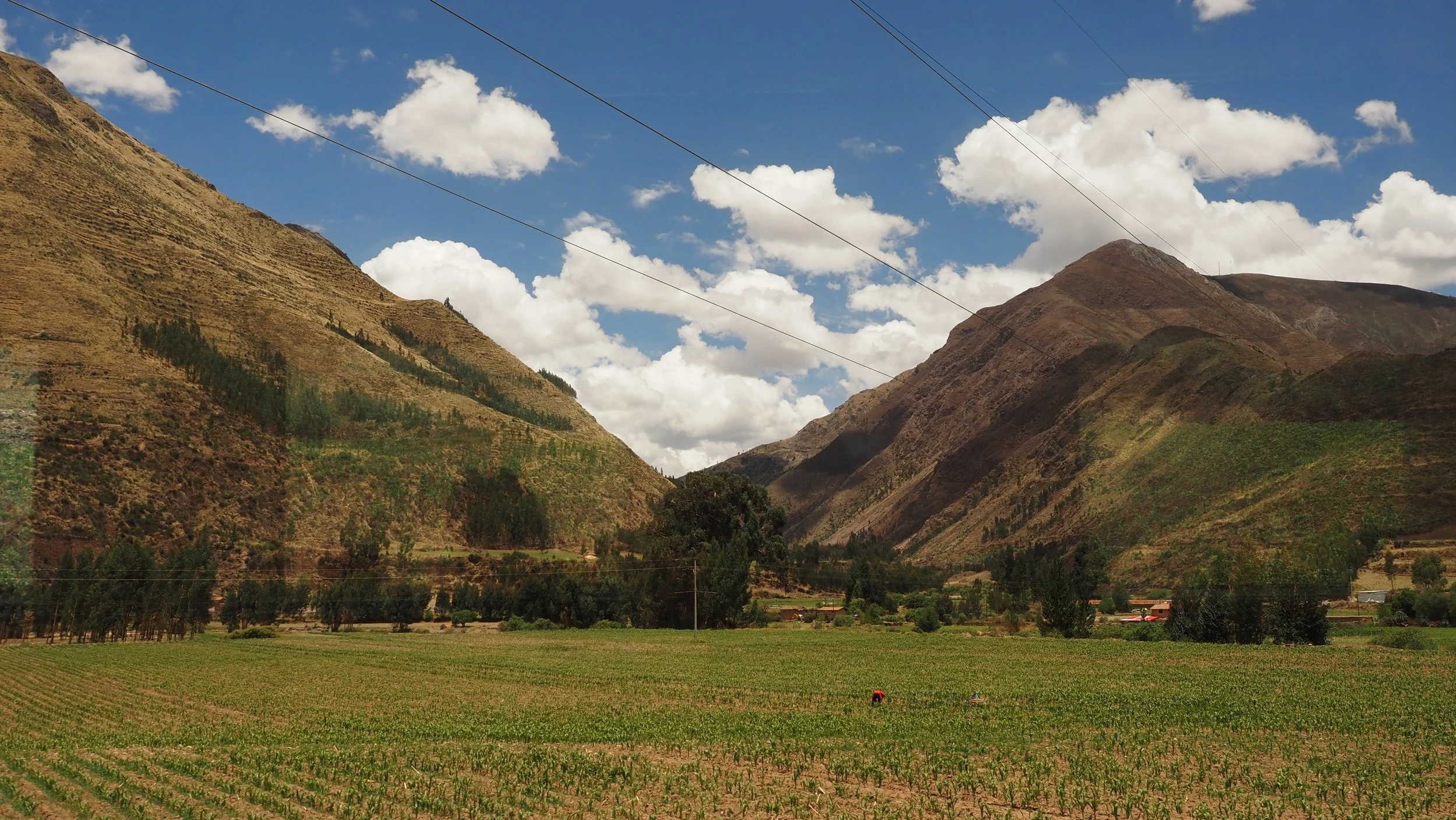
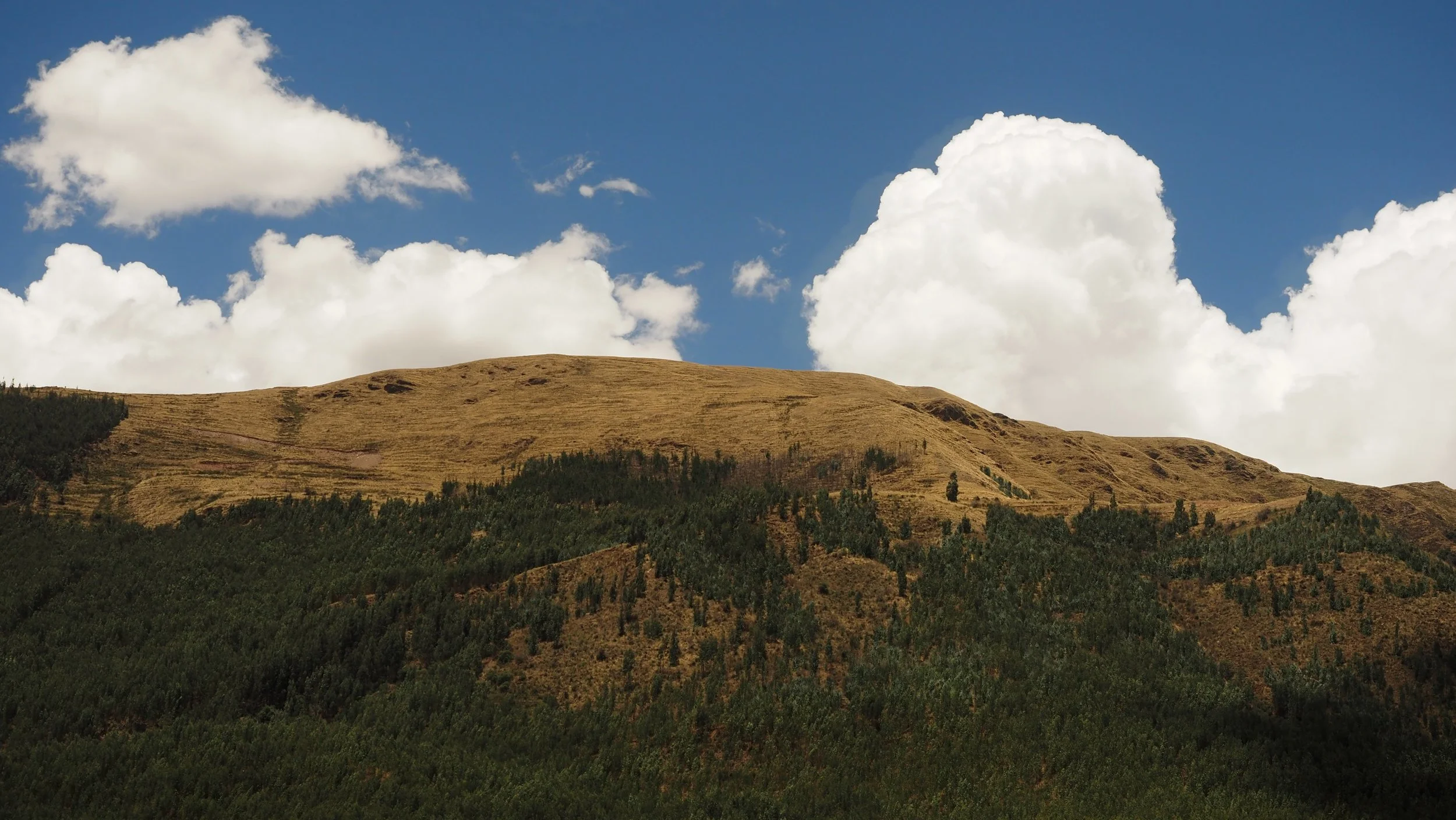
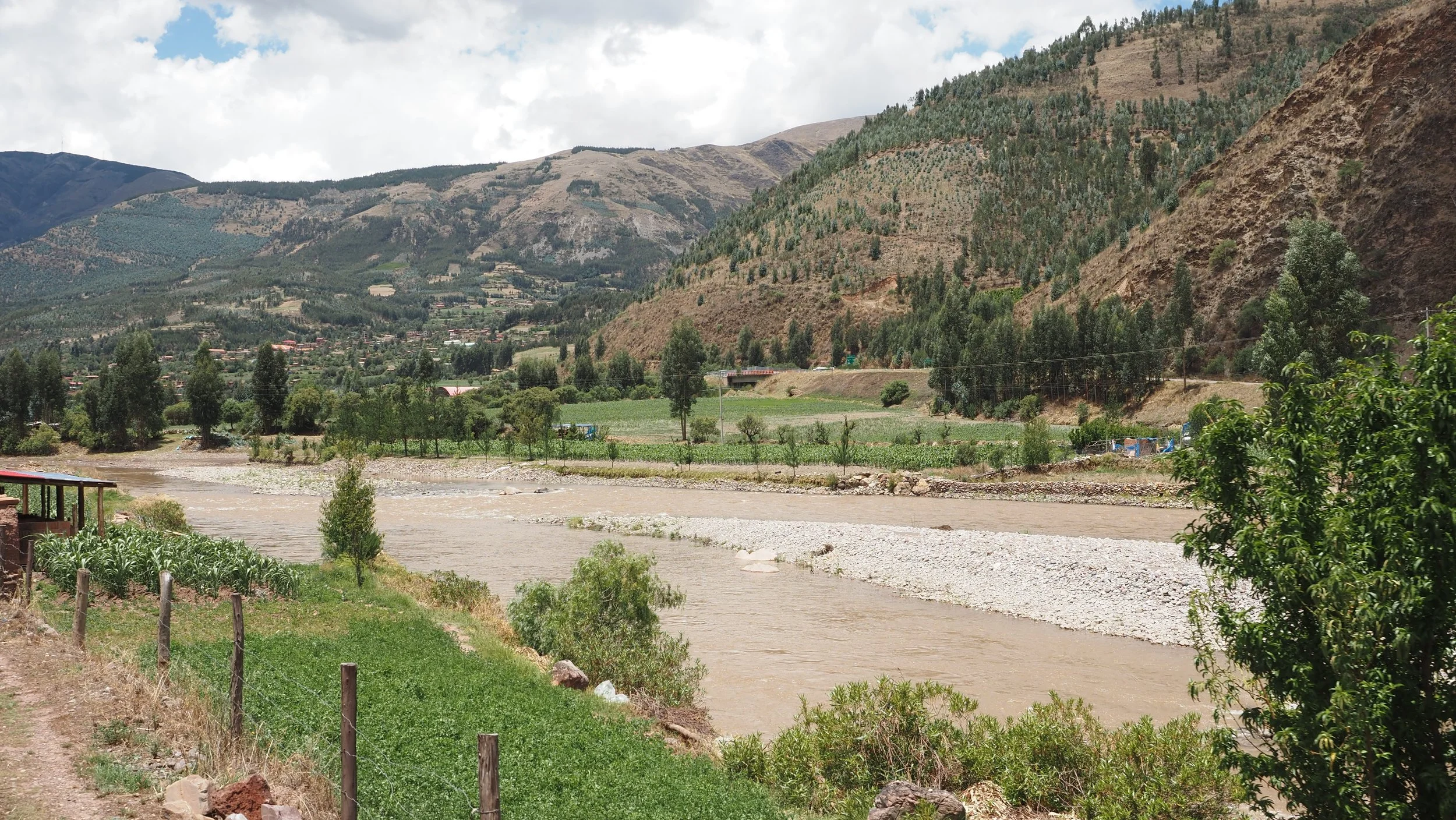
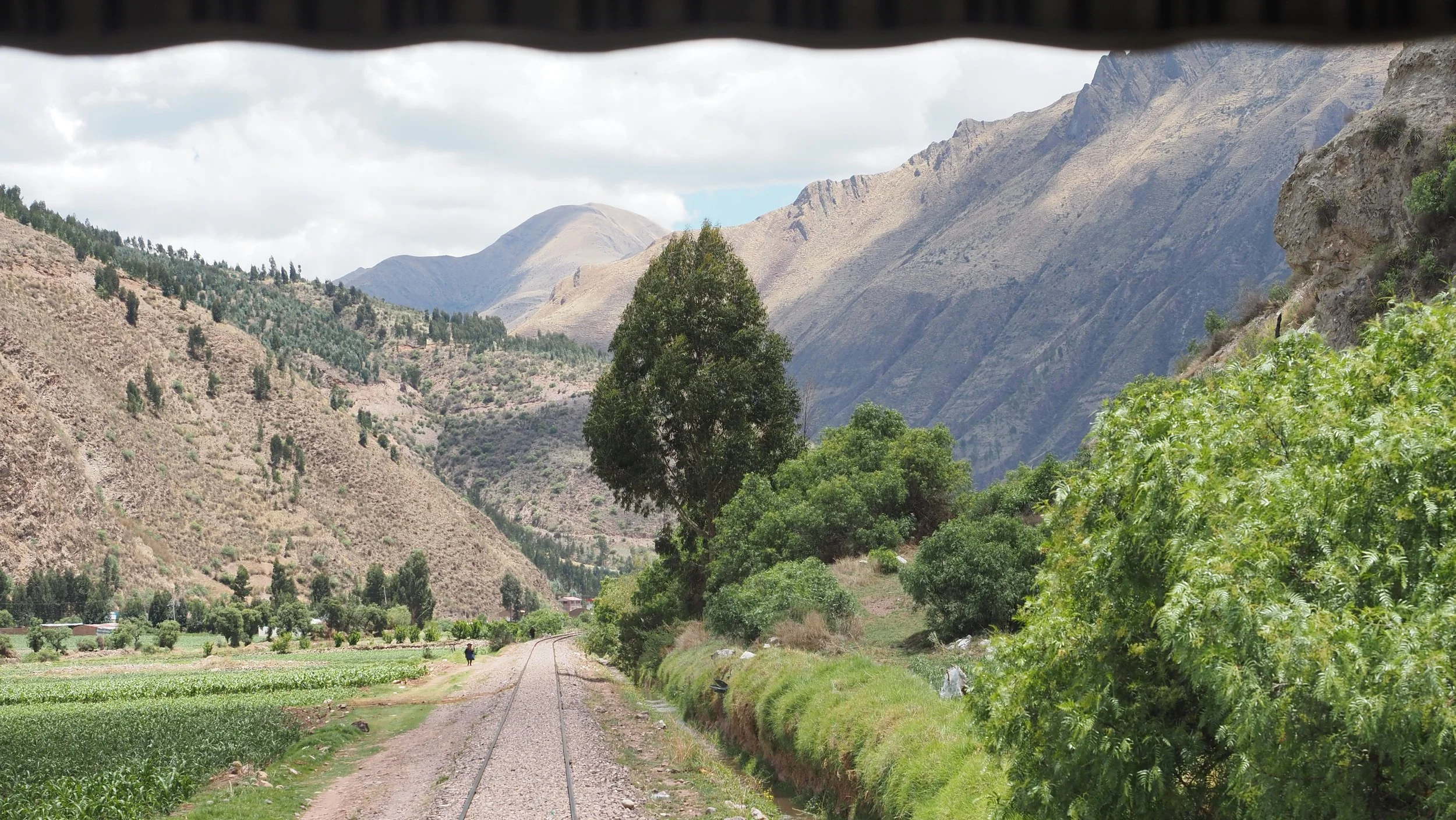
At 06:00, the soft light of dawn filters through the windows of the train, inviting us to an early breakfast that feels more like a quiet communion with the world outside. The gentle clinking of plates is accompanied by the rhythm of the train, as if the day awakens in harmony with our hearts. By 07:30, we depart for Cusco, the cradle of an ancient empire, where every mile weaves us further into the fabric of Andean history.
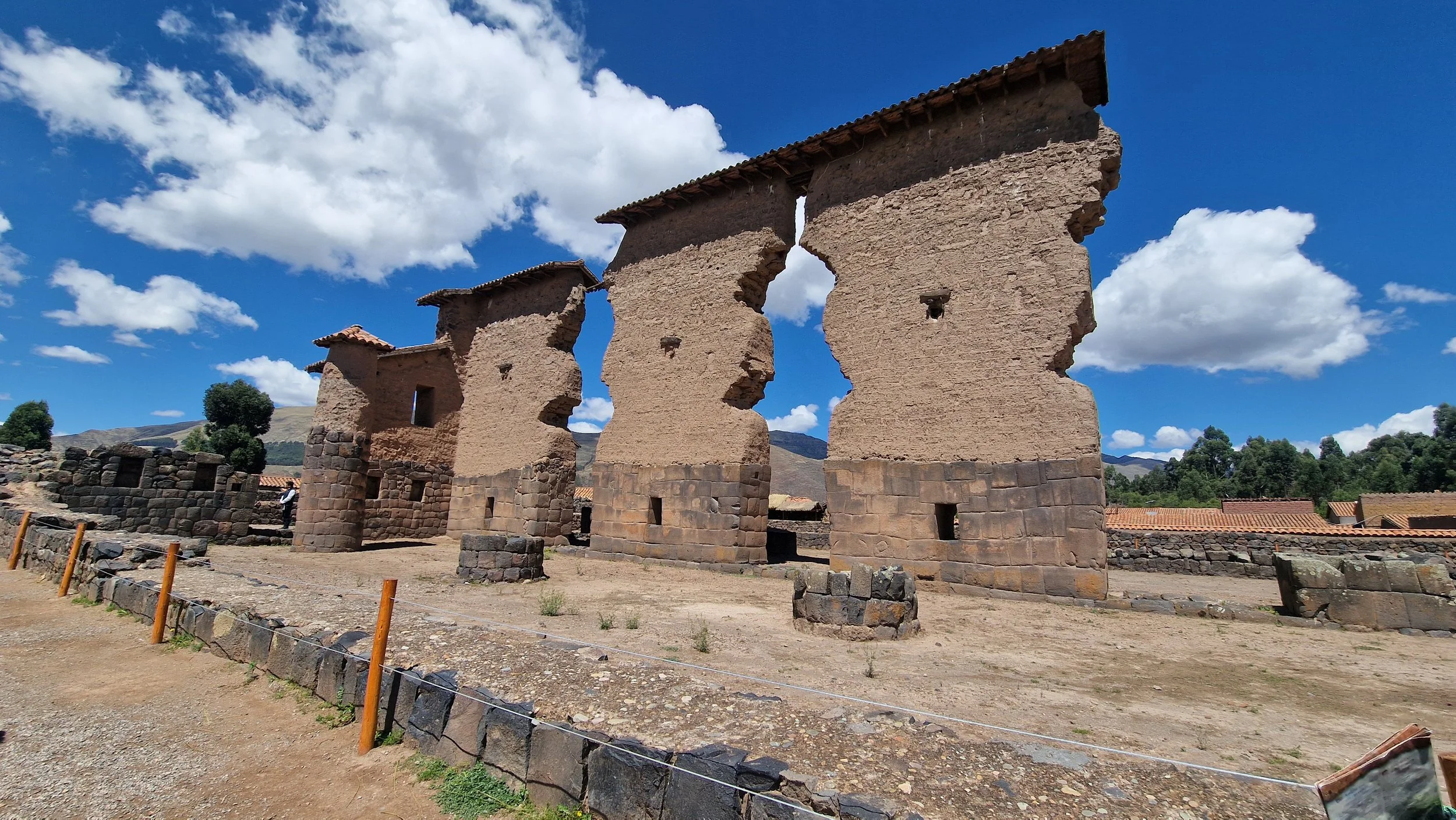
At 08:35, the train slows to a halt at Raqchi, where the Temple of Wiracocha rises amid whispers of stone and sky. Walking among the ruins, there is a profound sense of purpose embedded in each carved rock—a reminder of the intricate roadways that connected the vast reach of the Incan Empire. The air here is heavy with stories, as if the land itself remembers and beckons us to listen.
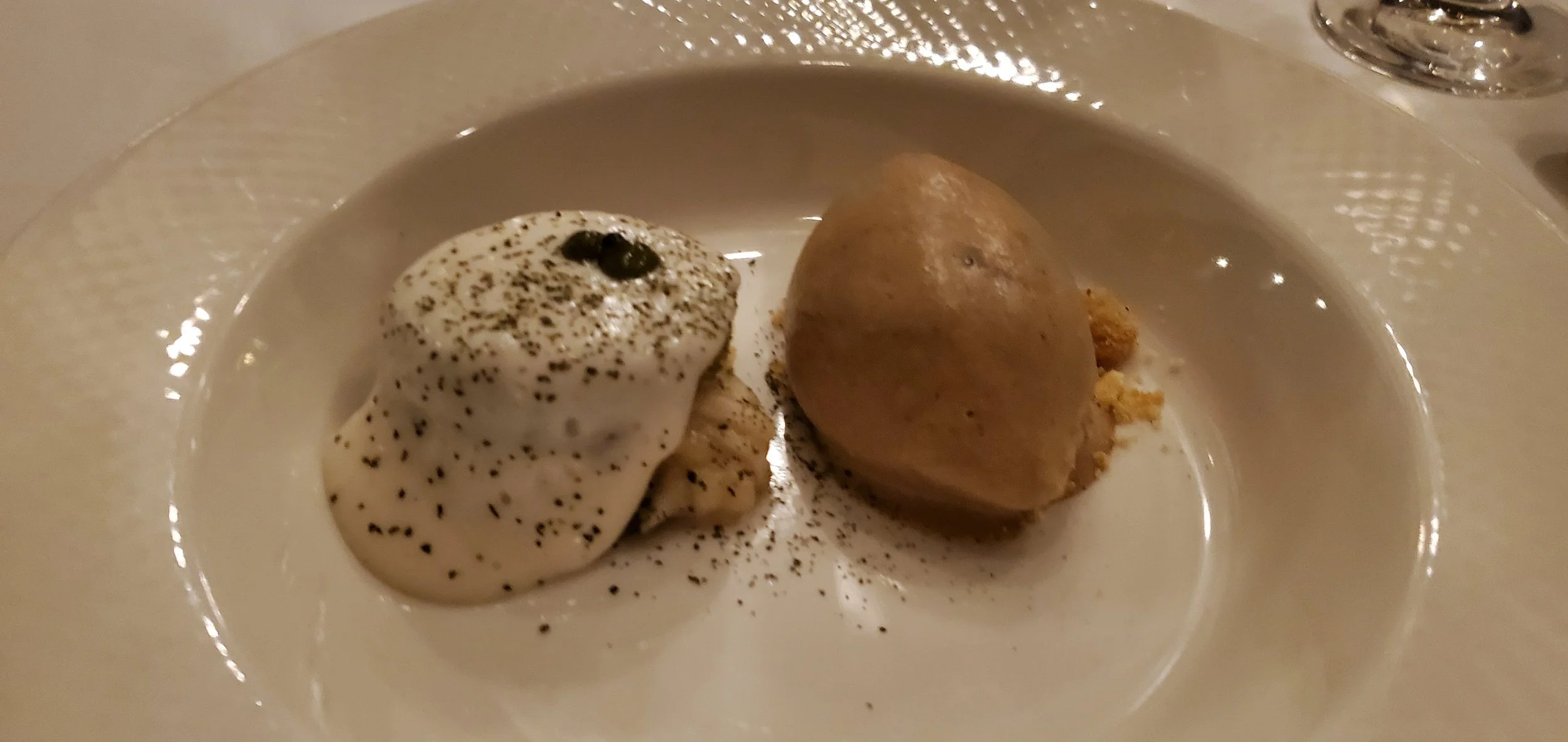
Returning to the train, we are welcomed by the promise of an indulgent brunch in the bar car at 11:30. Each bite tells of care and craftsmanship, a reflection of the spectacular landscapes unfolding beyond the windows. Time feels suspended as we traverse the sacred terrain until the train arrives at the Cusco station at 13:15.
Upon our arrival, stepping onto the ground feels like an initiation into the Sacred Valley. After reuniting with our belongings, we are whisked away through a corridor of breathtaking vistas on the way to our hotel, Rio Sagrado. The air shifts here, carrying the scent of earth and foliage, while the Rio Urubamba carves its enduring path through the valley. This is a place where time hesitates, leaving us poised between the echoes of the ancient and the vitality of the present, cradled by the sacred energy of the land.
Rio Sagrado
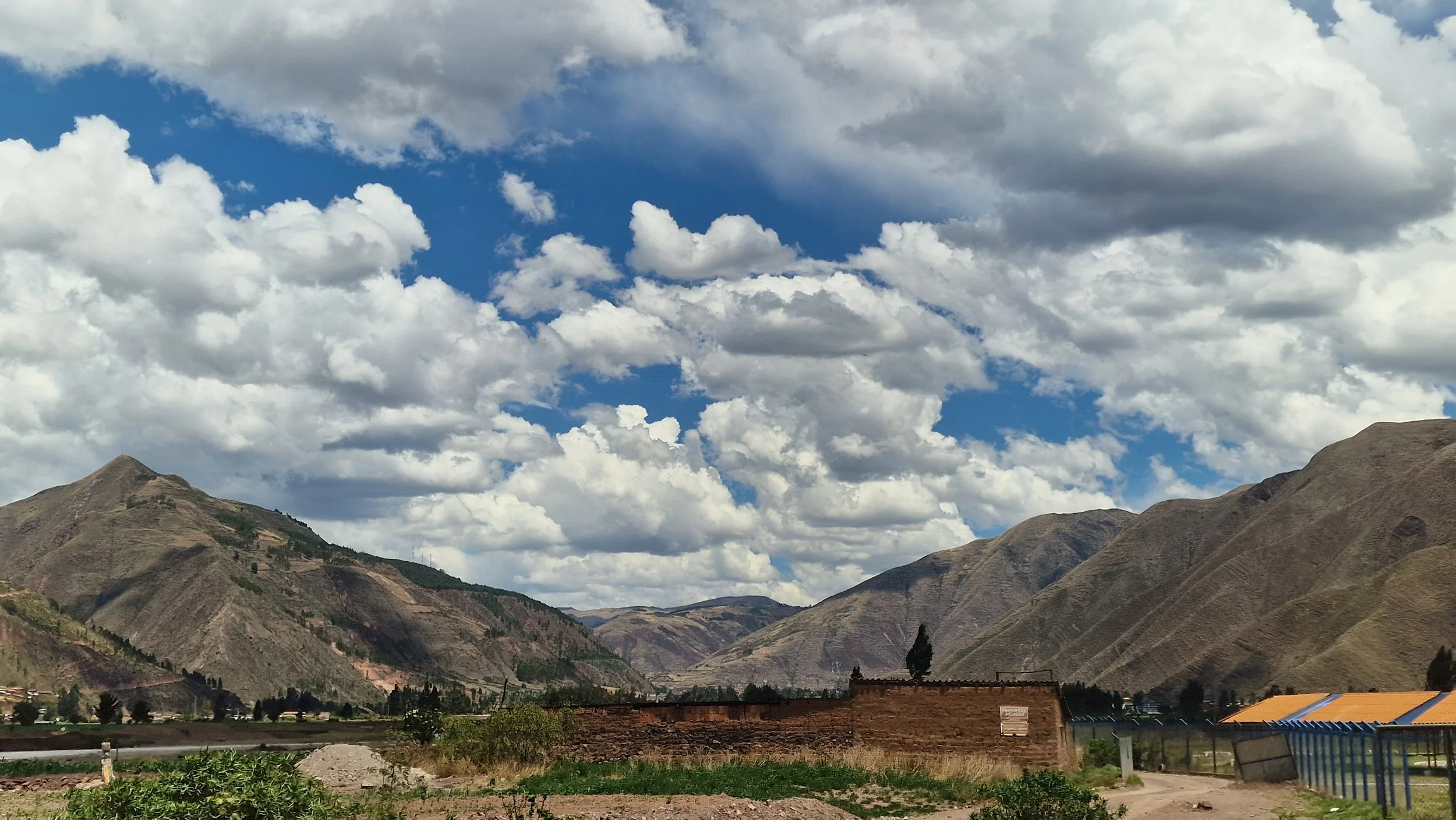
Driving toward Rio Sagrado from Cusco through the Sacred Valley
We cross into the Sacred Valley, the cradle of Inca civilization. The land is a patchwork of ancient terraces and small villages.
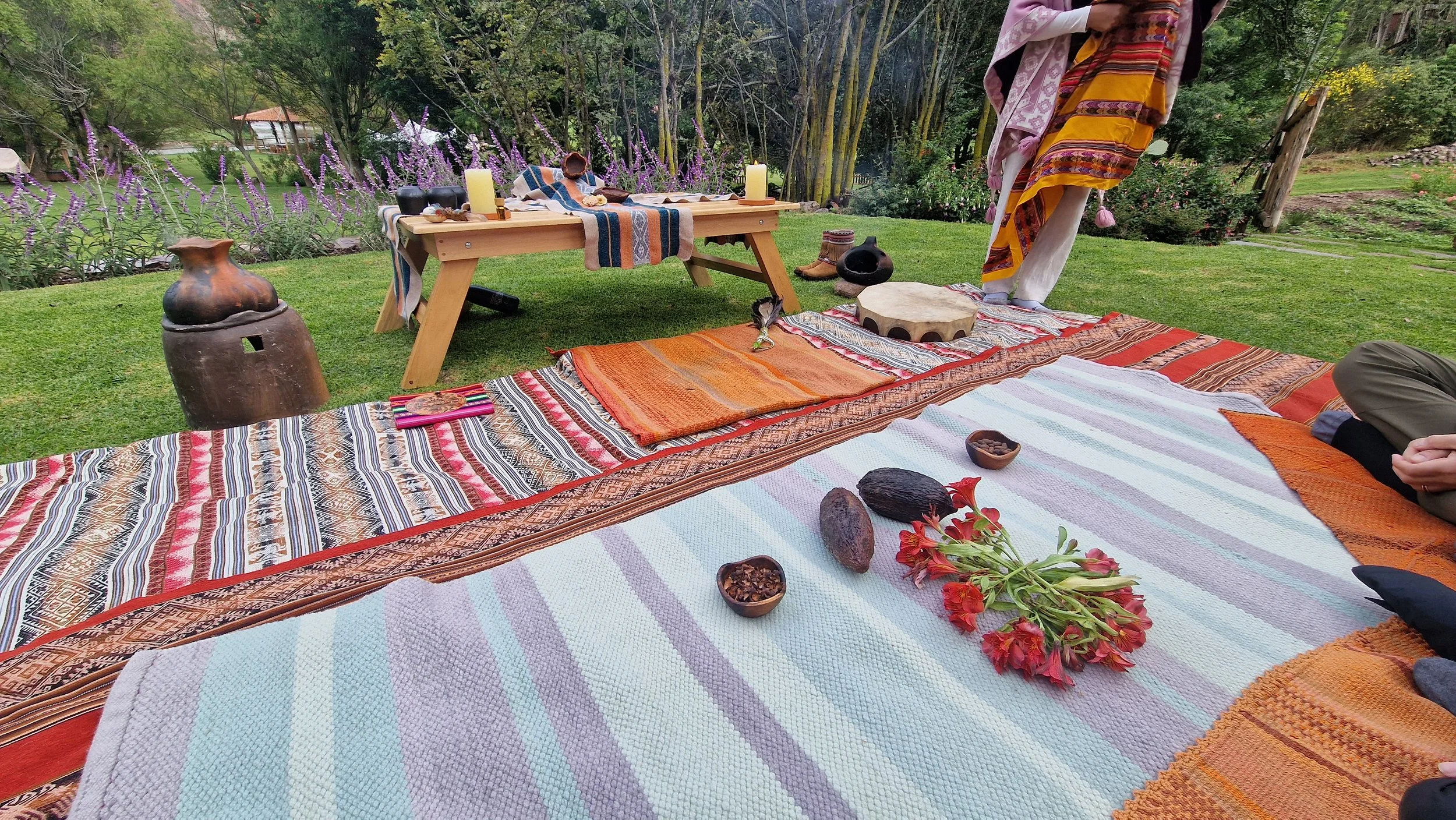
The morning began in a hush, the valley cloaked in a gentle stillness broken only by the murmurs of the Urubamba River. We gathered under a radiant sun as its light danced through the crisp air, filtering down like a blessing onto the earth. A local medicine man, his presence both humble and imbued with quiet authority, welcomed us to the ceremony. Before we could continue on the path toward Machu Picchu, an offering was to be made to Pachamama, Mother Earth herself. With small bundles of coca leaves, grains, and flowers, we stood in a circle, hearing the melodic cadence of ancient prayers spoken in Quechua. There was something in the moment—a palpable energy, as if the valley itself was stirring to life around us.
As I placed my offering on the colorful cloth before us, I felt a wave rise within me, so strong and sudden it caught my breath. Tears spilled unbidden, carrying my awareness deep into a space I couldn’t name—something timeless, something infinite. It was as if the echoes of all those who had lived and honored this land reached across centuries, pulling gently at my heart, reminding me of the fragility and beauty of connection. Afterwards, our guide Nancy’s kind smile grounded me, her words pulling us gently onward. She led us with grace through this mesmerizing landscape, like a thread connecting each place to the next, weaving stories that seemed to emerge directly from the stones and soil.
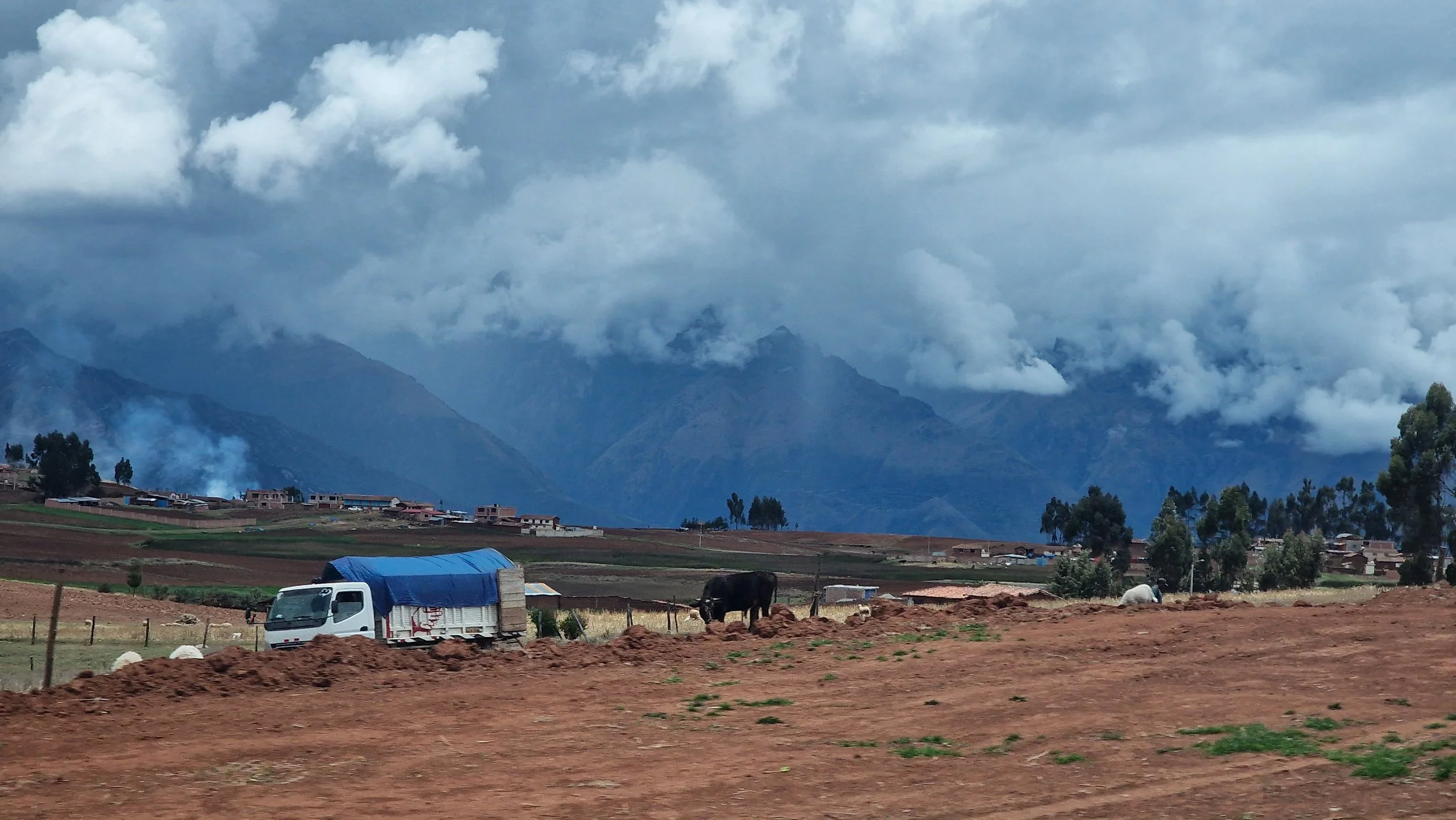
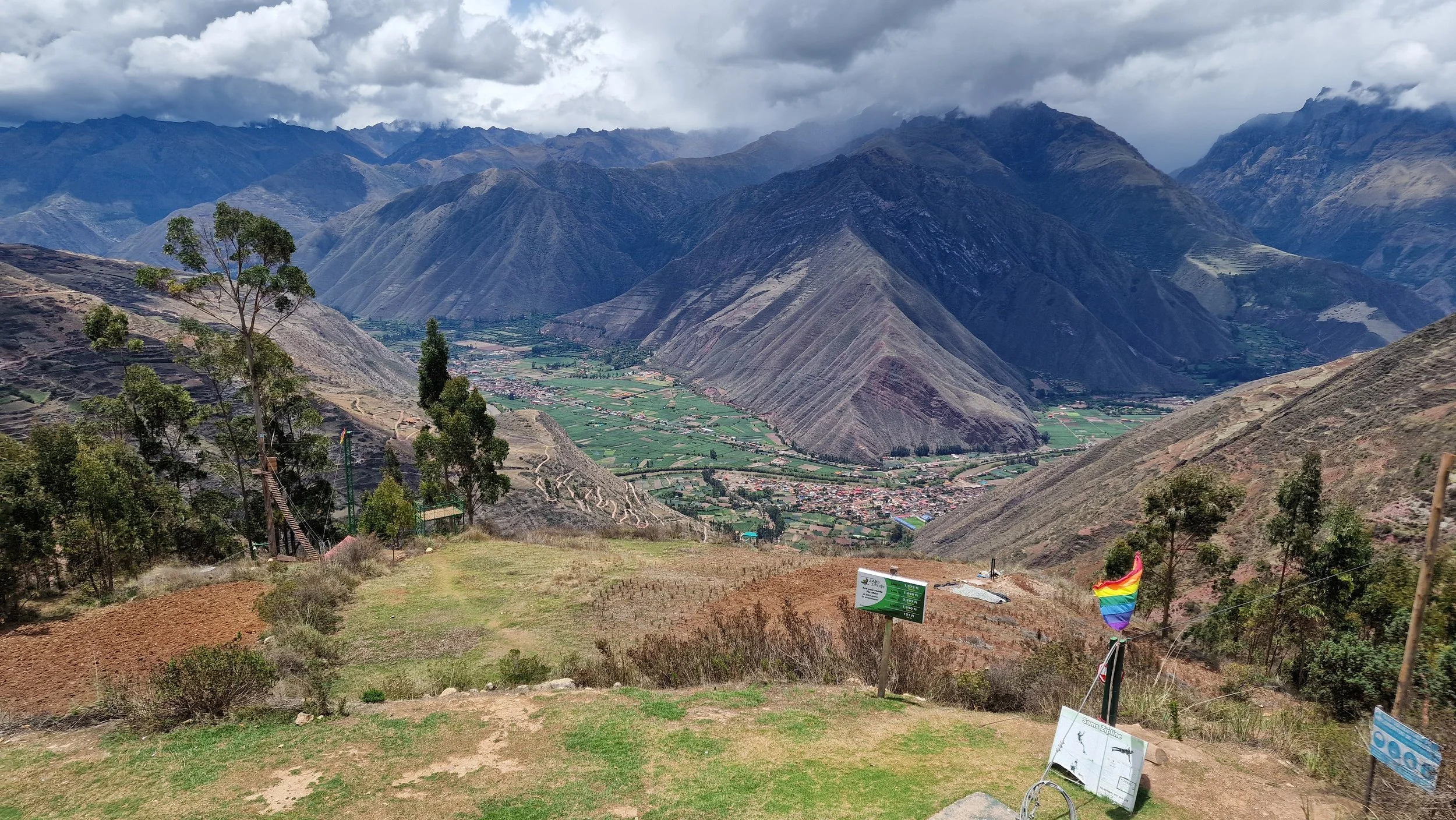
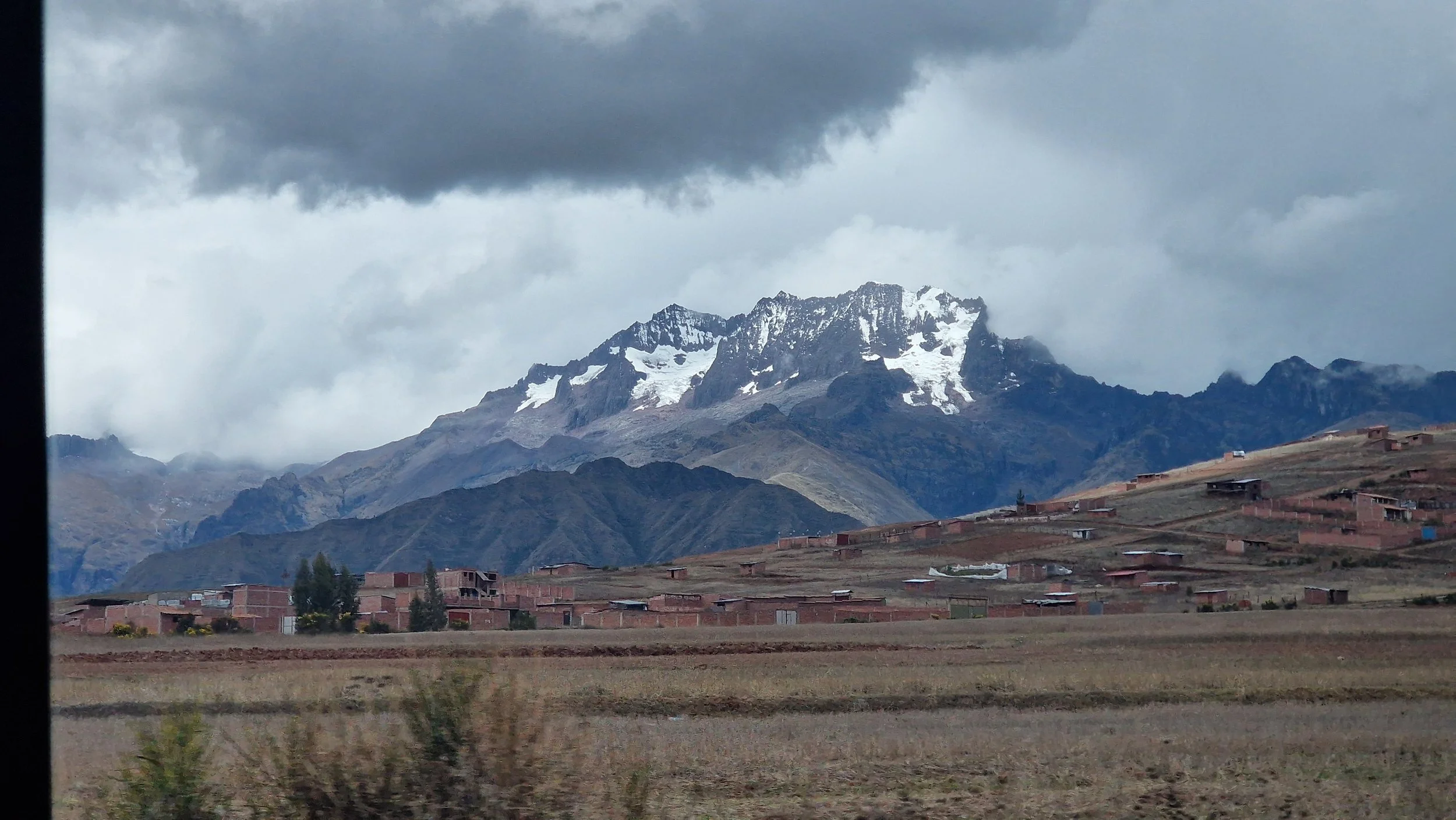
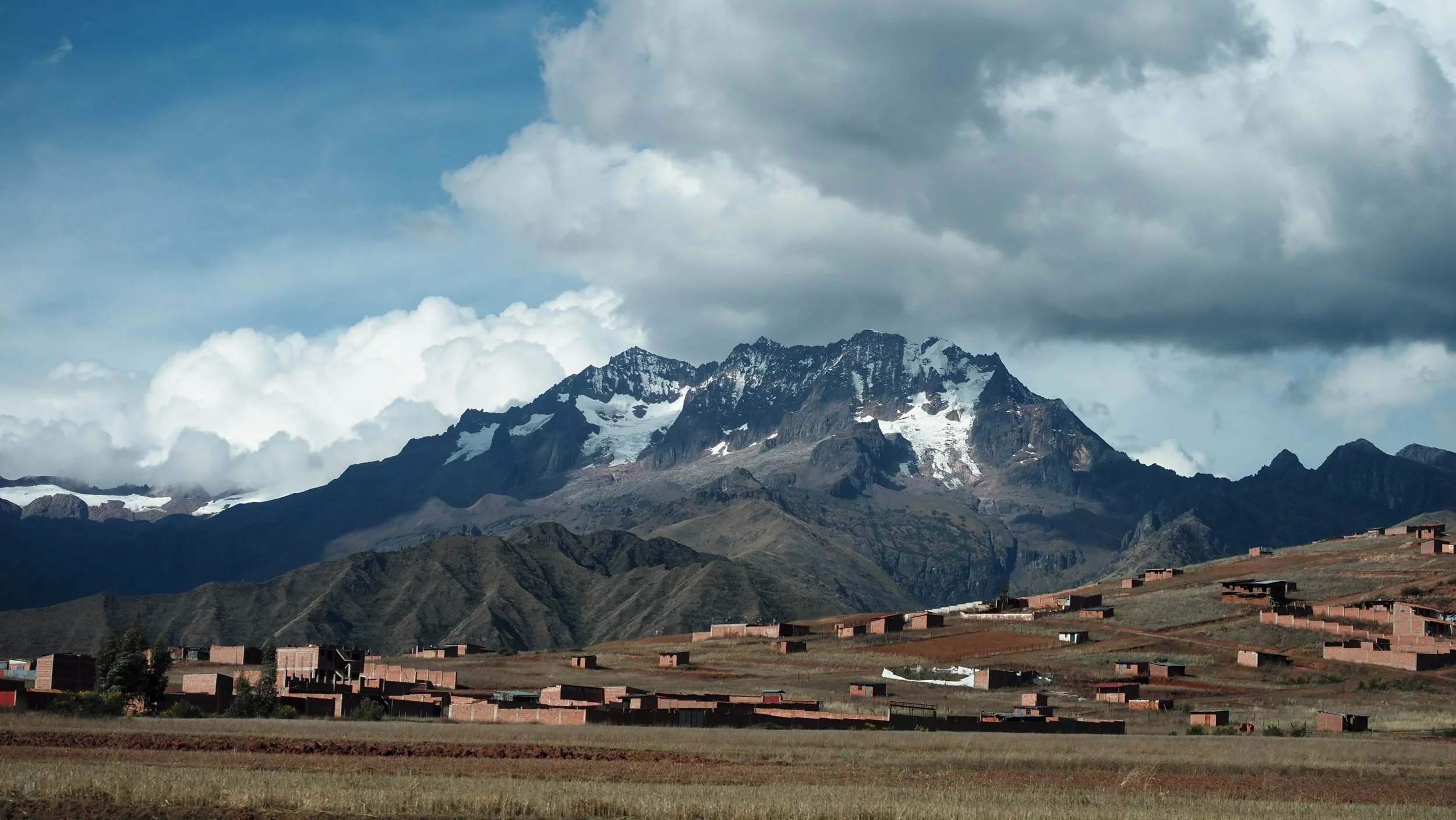
The drive to Ollantaytambo felt like stepping into a painting. The road curved through a quilt of fields, their greens and golds blending seamlessly into the imposing snow-laced peaks of the Urubamba and Vilcabamba mountain ranges. Soon, the village emerged before us, home to one of the Sacred Valley's most astounding ruins. Standing at the foot of the 16 monumental terraces, I marveled at the wisdom and precision of the ancient artisans. The steep climb to the fortress above tested both legs and breath, but reaching the summit was like standing at the edge of timelessness. Below, the valley stretched endlessly, while above, the jagged form of the Sun Temple seemed to pierce the sky. The sensation of standing where so many had stood before echoed that same quiet pull I’d felt during the morning ceremony. We climb the steep stone steps, the air thin, my lungs burning. From the top, the view is breathtaking. You can feel the power of this place, the weight of its history.
Later, Nancy guided us to Moray, a place as enigmatic as it was beautiful. Circular terraces descended like ripples in a pond, each one an experiment in agriculture—a testament to the complexity of the ancient civilization that once thrived here. Over lunch, served at the charming Unu Restaurant, the vibrant flavors of locally sourced grains and produce seemed infused with the essence of the Sacred Valley itself. The floor-to-ceiling windows offered a spectacular view of Chicon Mountain, whose icy majesty loomed silently over the feast.
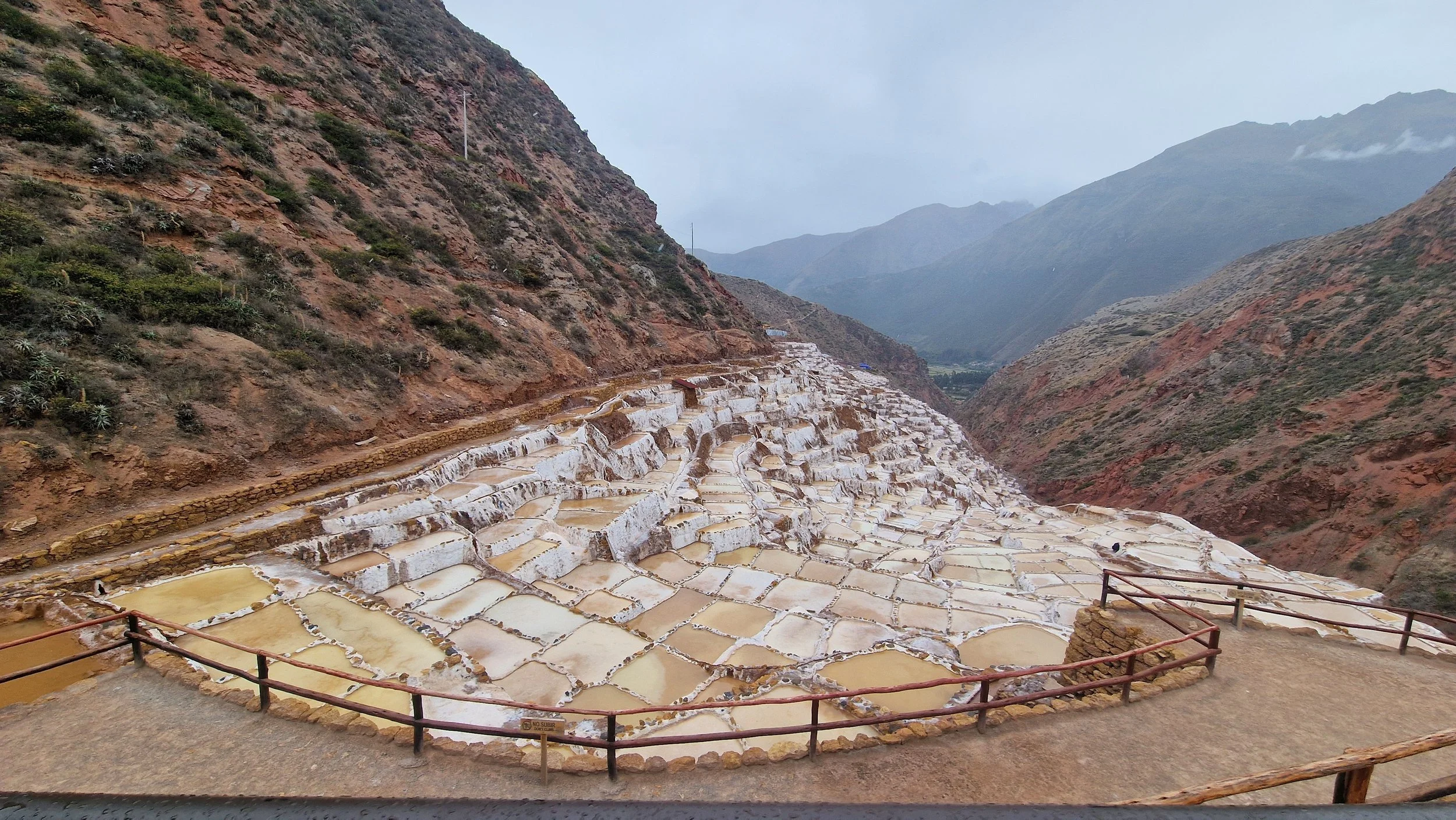
In the afternoon, our journey continued to Maras, where time and tradition appeared to collapse into each other. The village's iconic salt pans stretched in shallow pools across the hillside, glinting in the soft afternoon light. Generations of families had harvested salt here, their methods unchanged across centuries. Watching locals labor with reverence, I felt again the profound respect for heritage that infused the valley at every turn. Here, the land was not just a backdrop—it was a living, breathing force, endlessly in dialogue with the people who called it home. The day had unfolded as a kind of tapestry, filled with quiet moments of awe and introspection, each thread woven with an enduring sense of reverence for the world around us.
Machu Picchu
The morning began with a quiet sense of anticipation, the kind that hums gently just beneath the surface of the ordinary.
Before we departed, the morning was sanctified by another ceremony, this time guided by a young curandera whose presence emanated both strength and tenderness. She led us through a cacao ceremony, an offering of the heart, where the bitter, rich elixir opened pathways to emotions long buried.
During the meditation, my tears came freely, unbidden, as I closed my eyes and felt an otherworldly wash of orange flood the spaces behind the darkness. In that moment, I was no longer just sitting; I was pulsating, alive, my heartbeat merging with the earth's rhythm. Grief surfaced—a raw, aching grief for the countless trials that had shaped my past decades. Yet, alongside the sorrow came an inexplicable comfort, tender and profound, like the quiet reassurance of a mother cradling her child. It was as if, for the first time in a long while, the universe whispered that it understood.
After wiping tears away, and thinking, "why did I cry like that again?" at 9:50 AM, we met with hotel staff in the lobby, where every gesture—every polite smile, every whisper of luggage wheels against the polished floor—felt like part of some grand symphony set to guide us toward the extraordinary. The transfer to Ollanta train station, though brief and practical, was marked by the subtle excitement of a departure, a threshold being crossed.
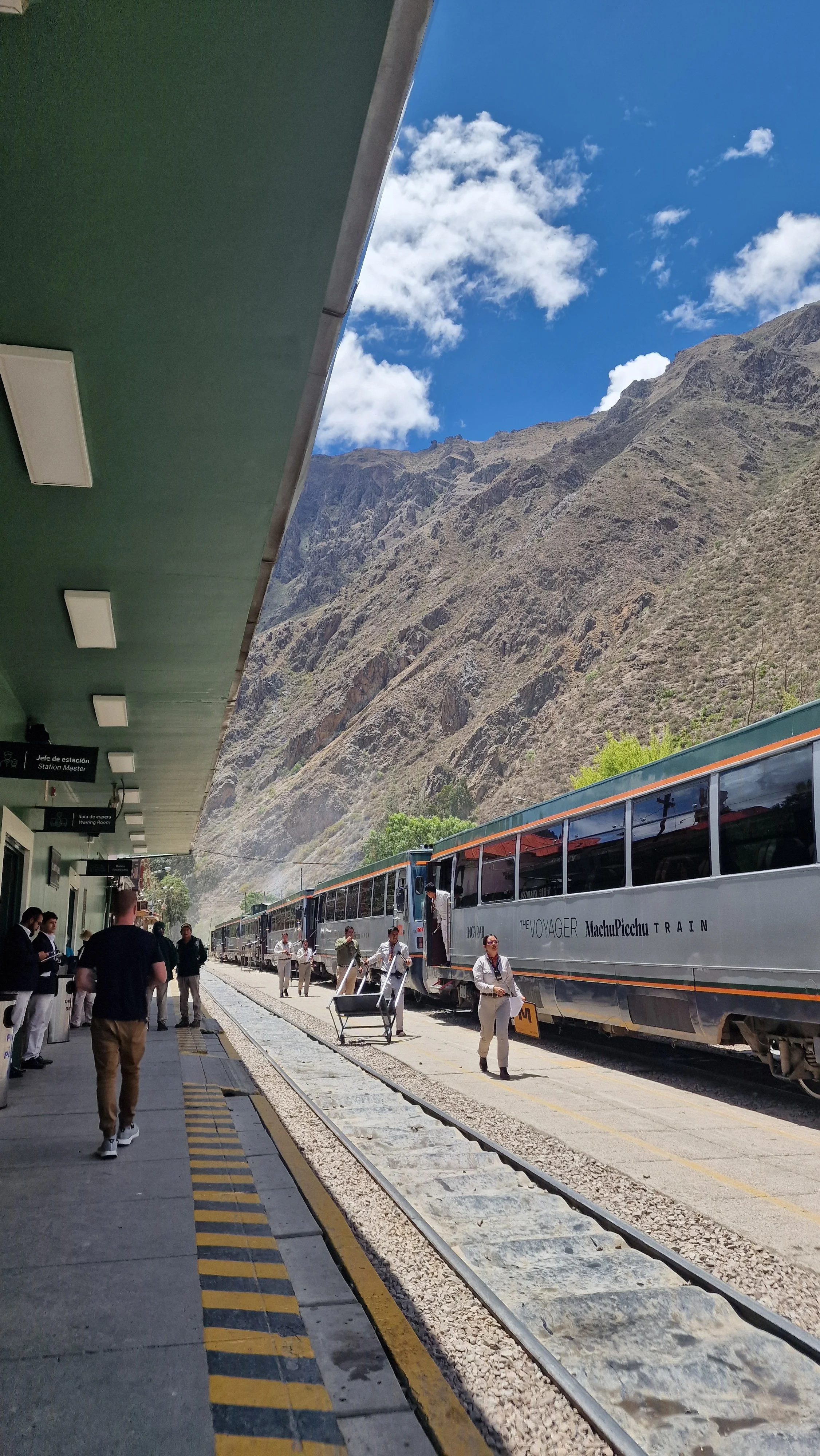
Boarding the Hiram Bingham train at 10:53 AM was stepping into another realm entirely. The rich elegance of the carriages, the attentive murmur of the staff, and the golden sheen of the late morning sun spilling over polished wood and fine linens—every element felt imbued with history, luxury, and the promise of something greater waiting just over the horizon. The rhythm of the train as it glided through verdant valleys and steep mountainsides was mesmerizing, blending seamlessly with the dreamlike quality of the scene outside my window. Lush landscapes unfolded, their greens glowing with a life so vibrant it bordered on sacred, while distant peaks reached endlessly into the sky, shrouded in wisps of mist like ancient spirits standing guard.
The train arrived in Aguas Calientes at 12:24 PM, and from there, a bus ride lifted us closer to the heavens, the vibrant jungle brushing against the road as it meandered toward the storied heights. By the time we stood at the entrance to the Sanctuary Lodge, the only hotel located right next to Machu Picchu, I felt as though we had traversed more than just distance—we had crossed into a space where time itself seemed to soften and expand, blurring the line between the present and the echoes of the past.
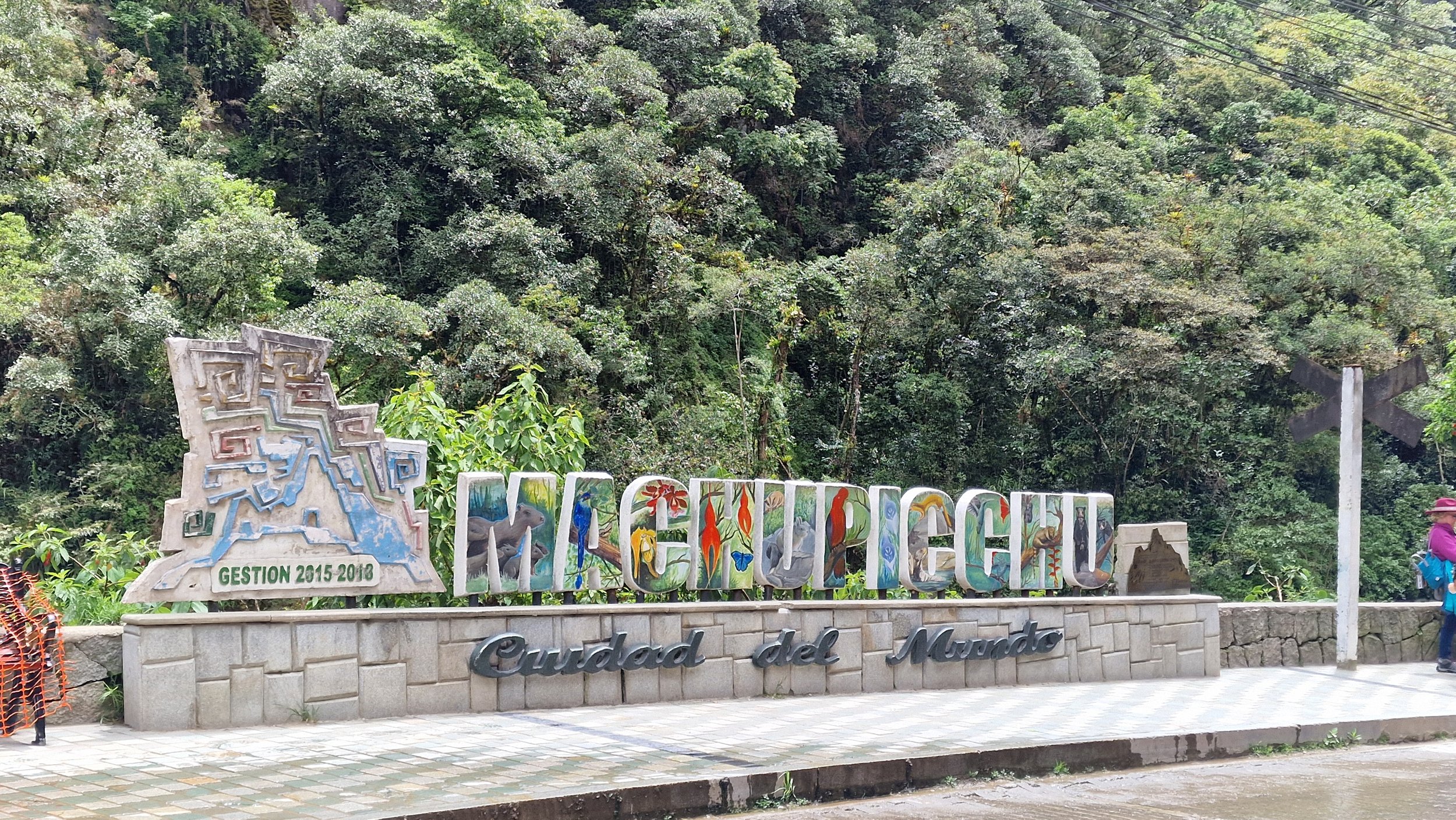
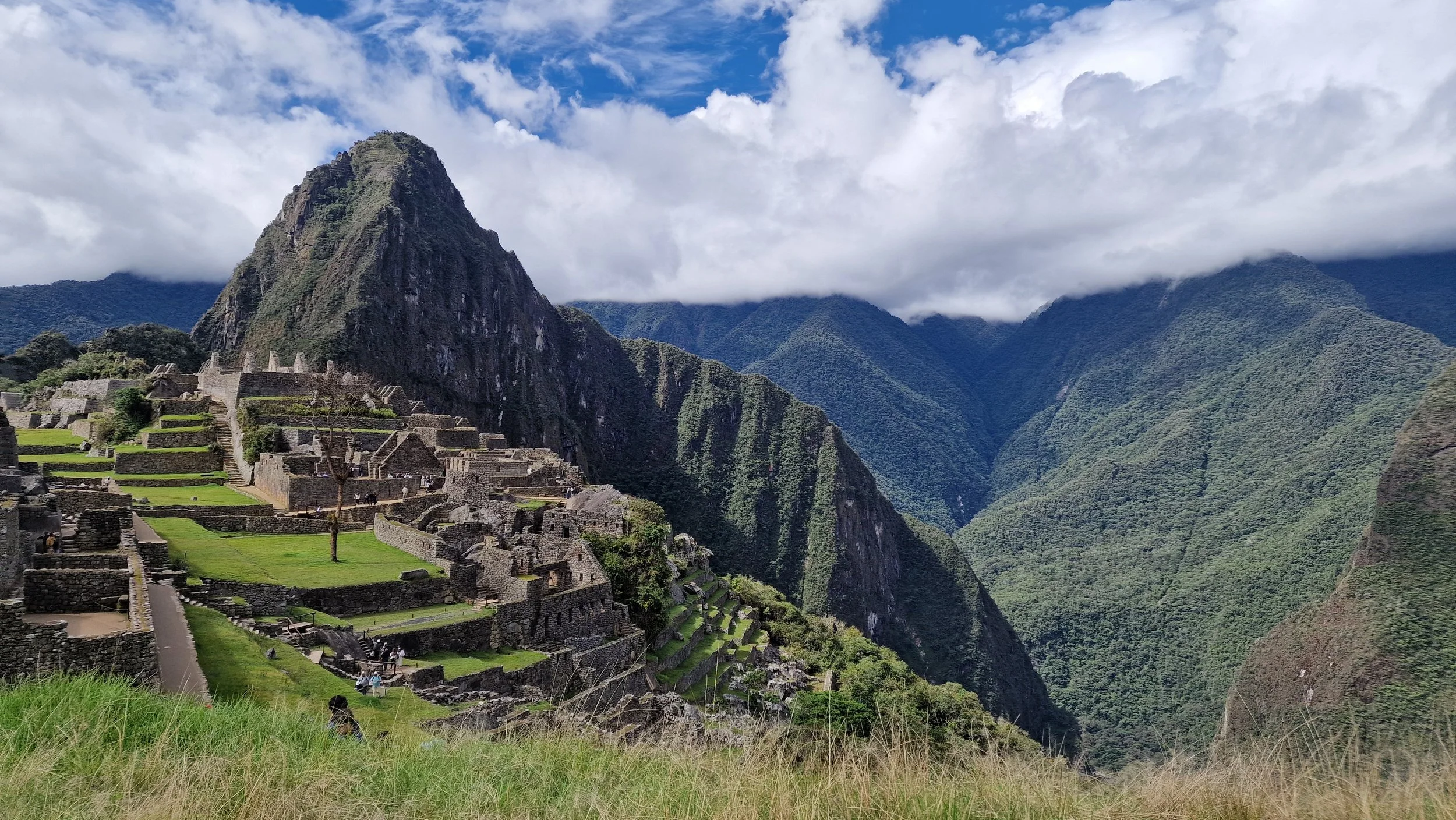
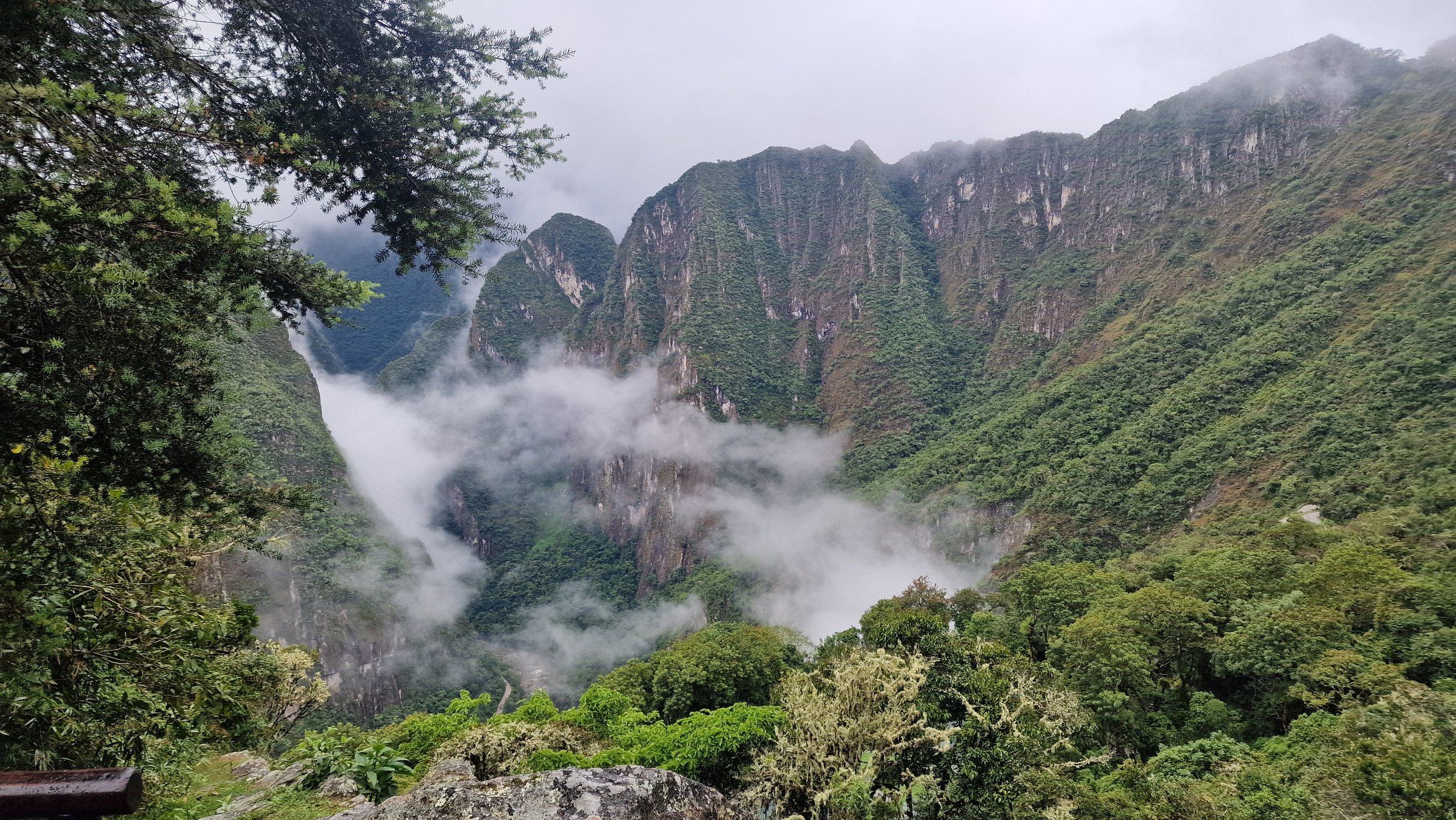
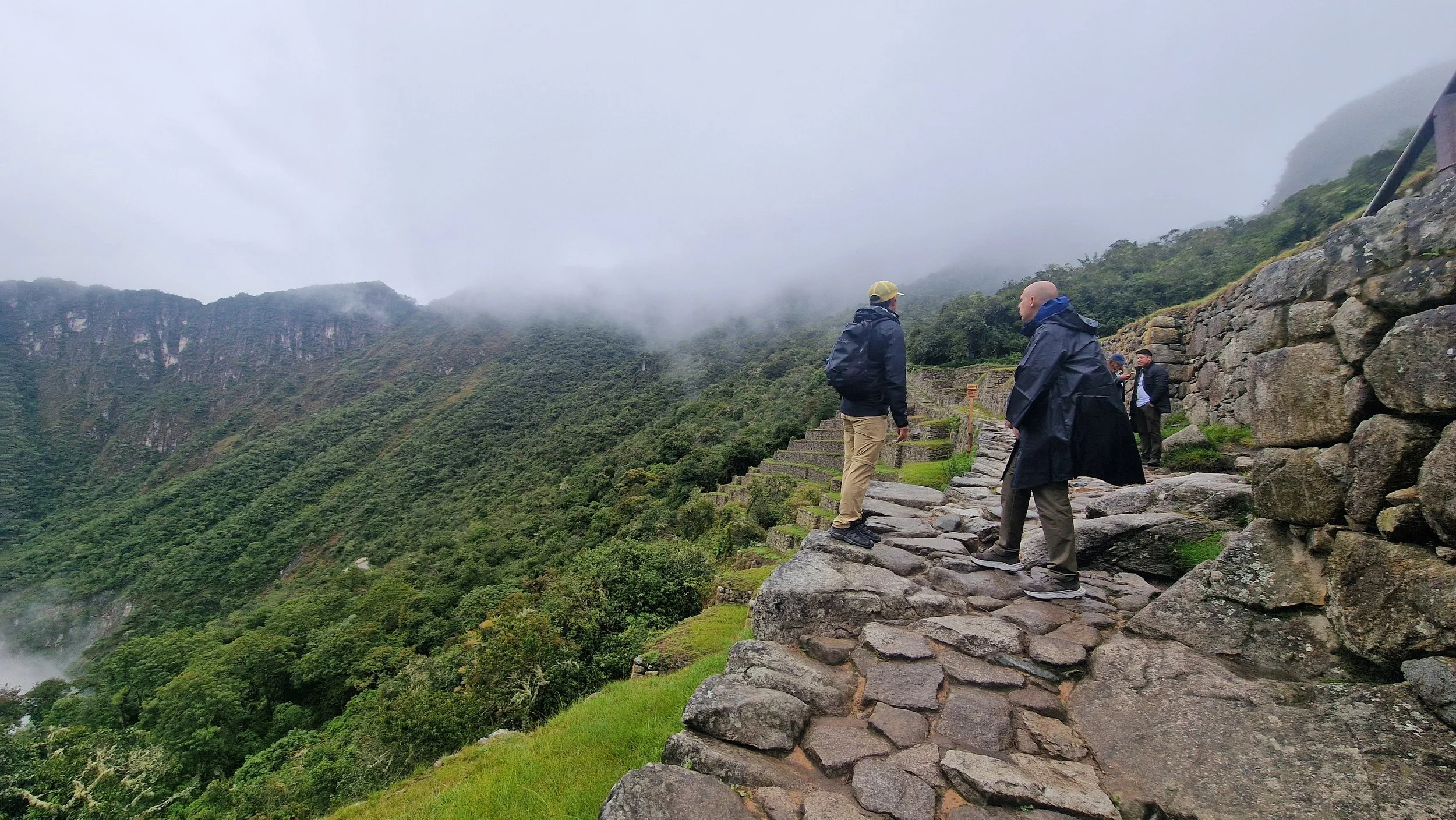
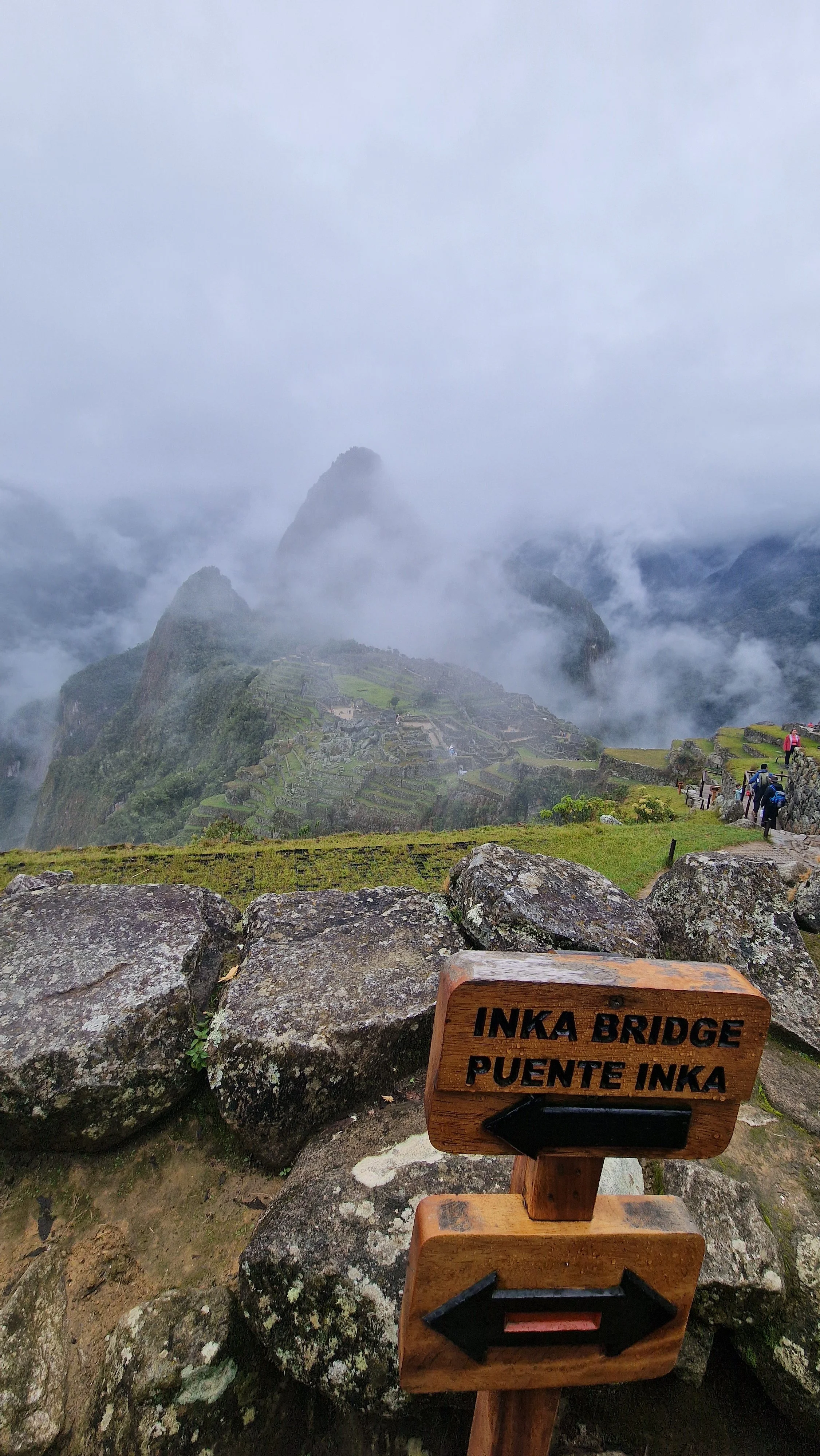
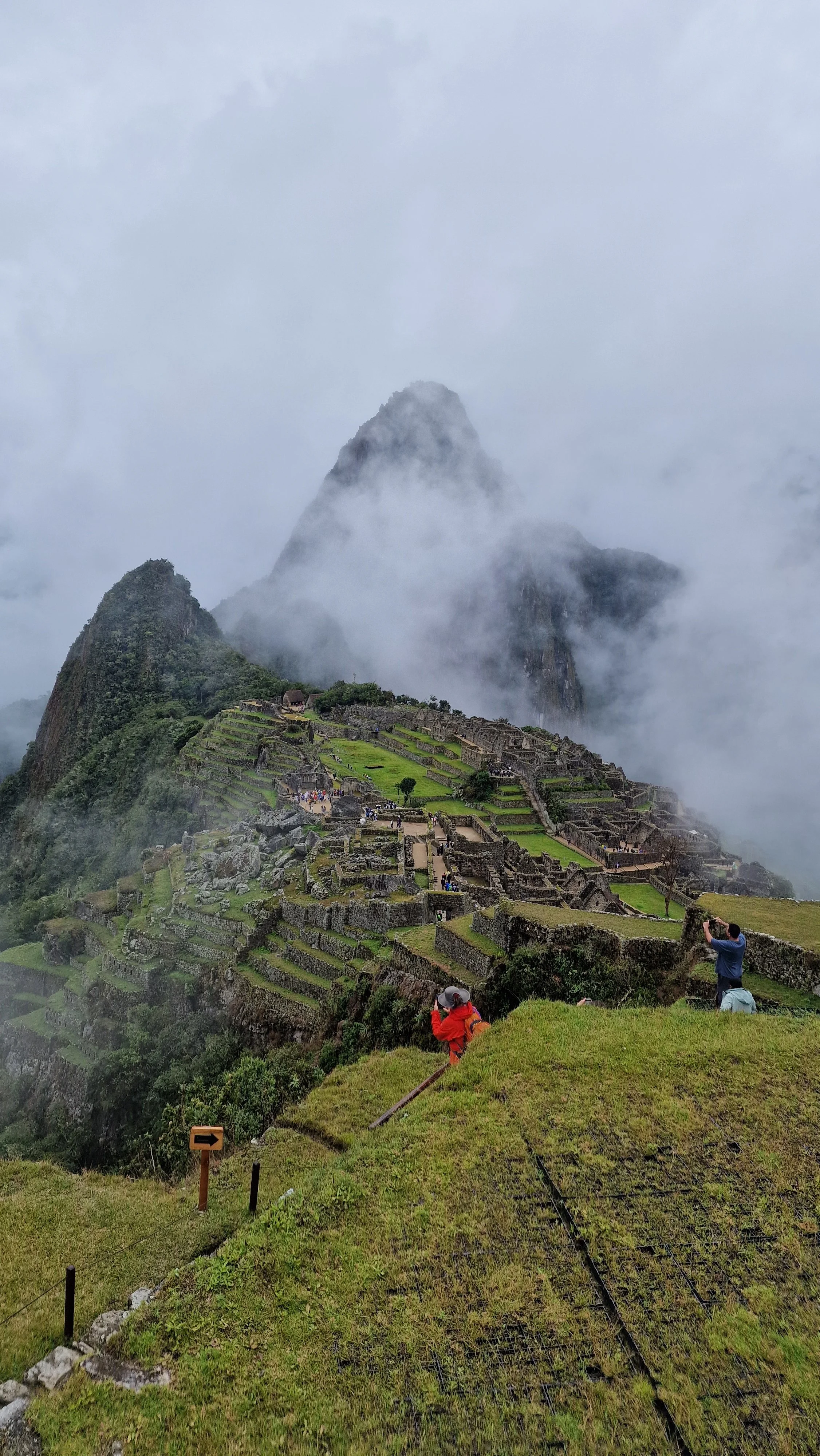
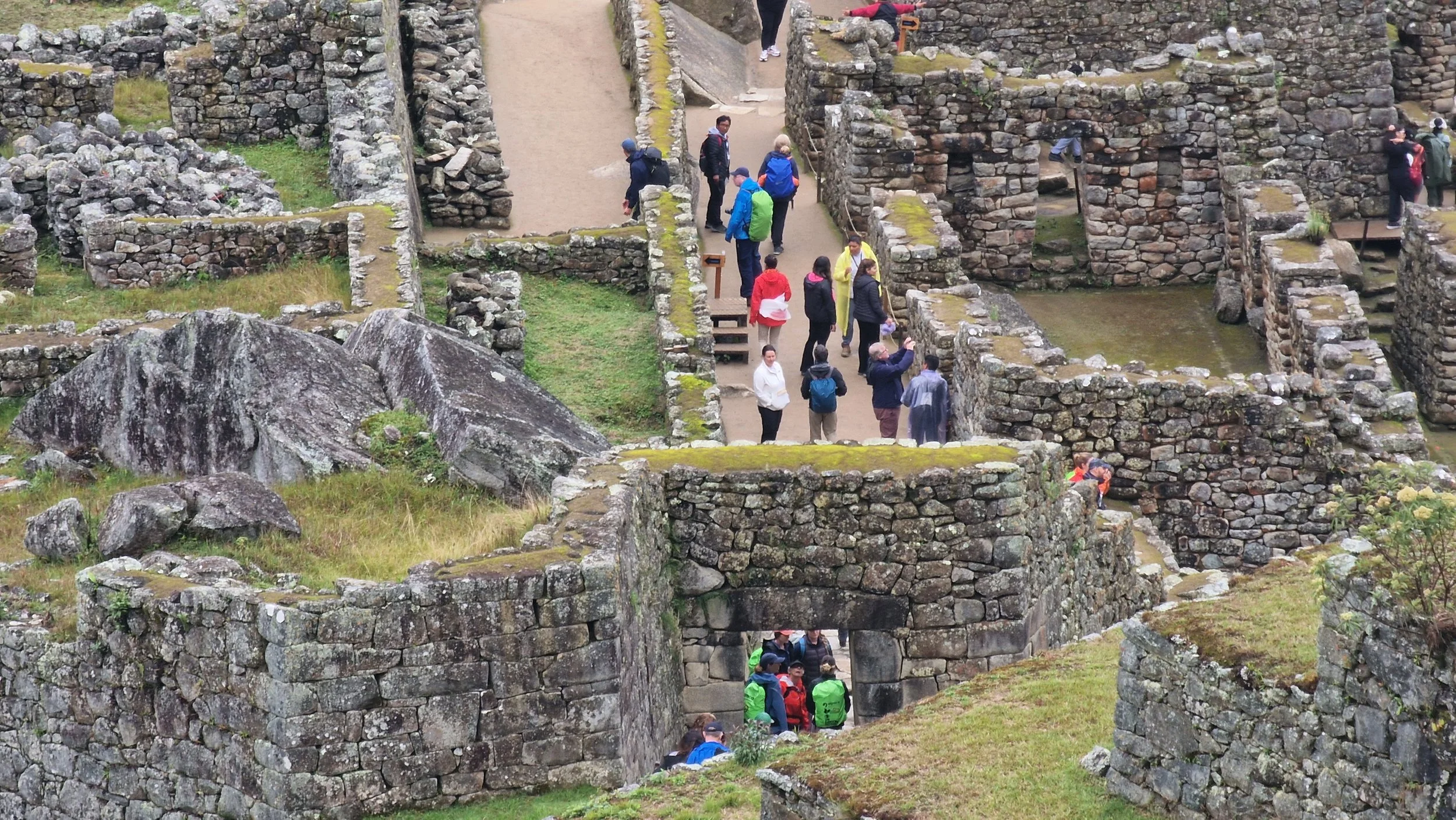
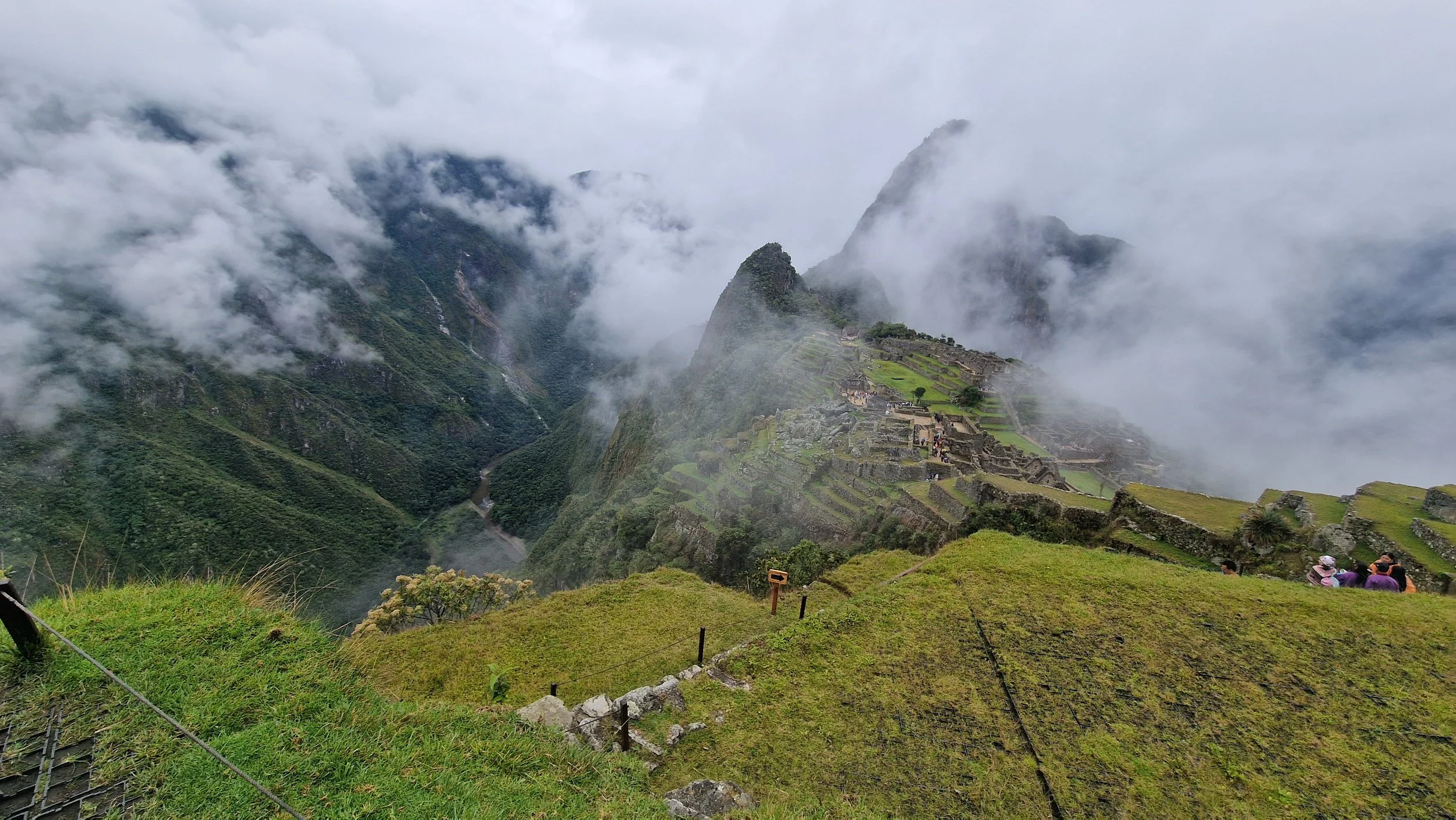
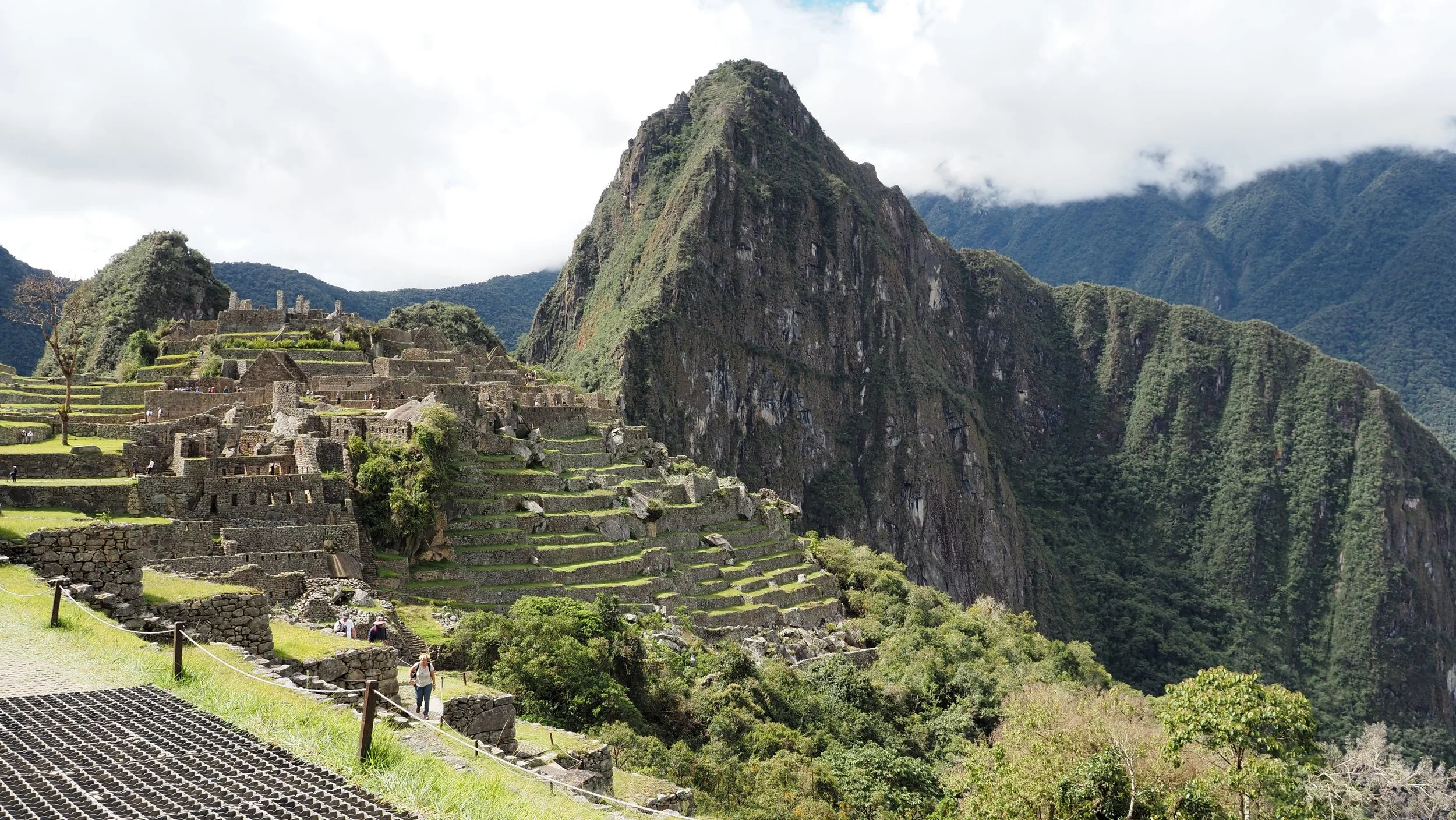
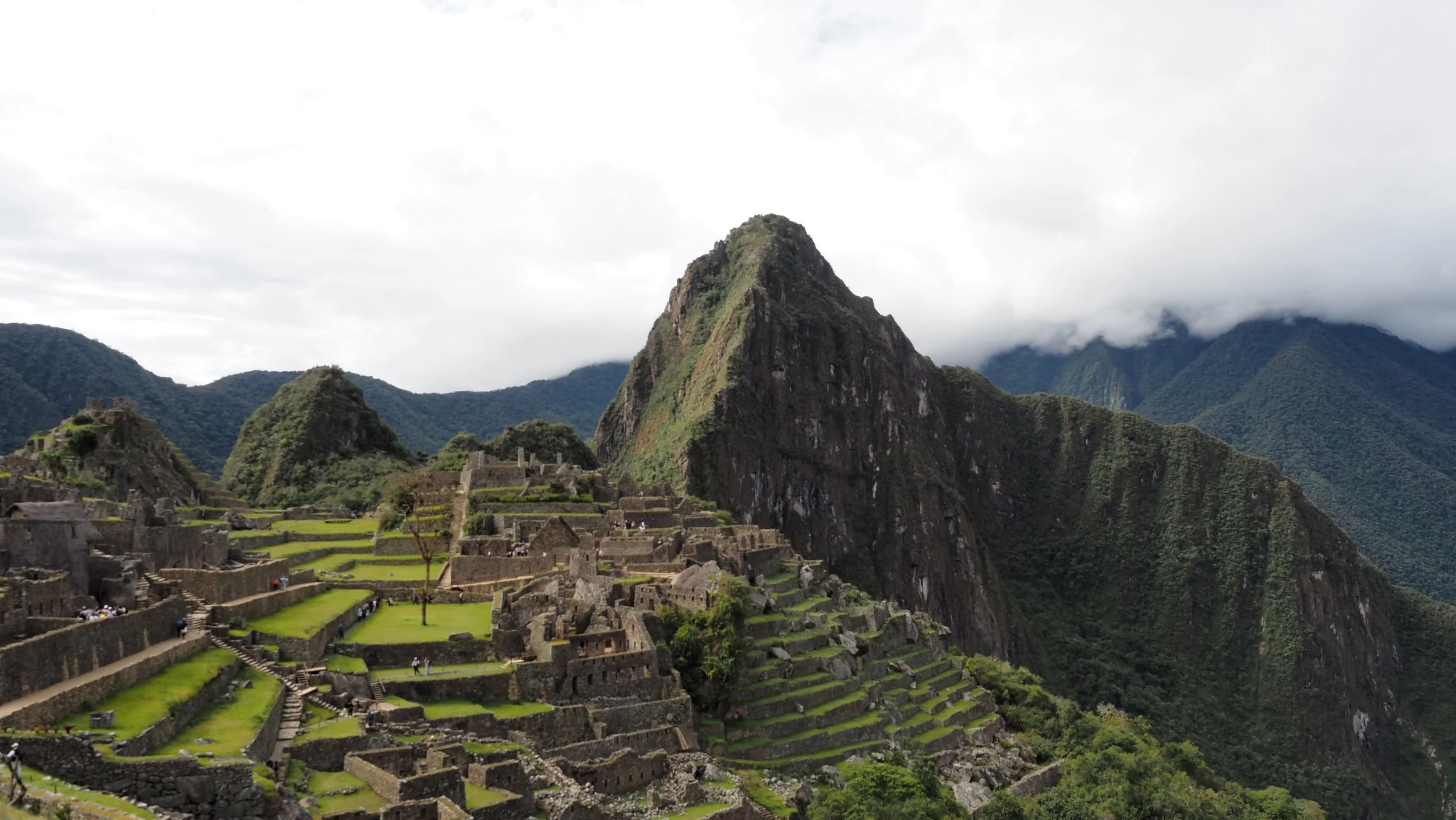
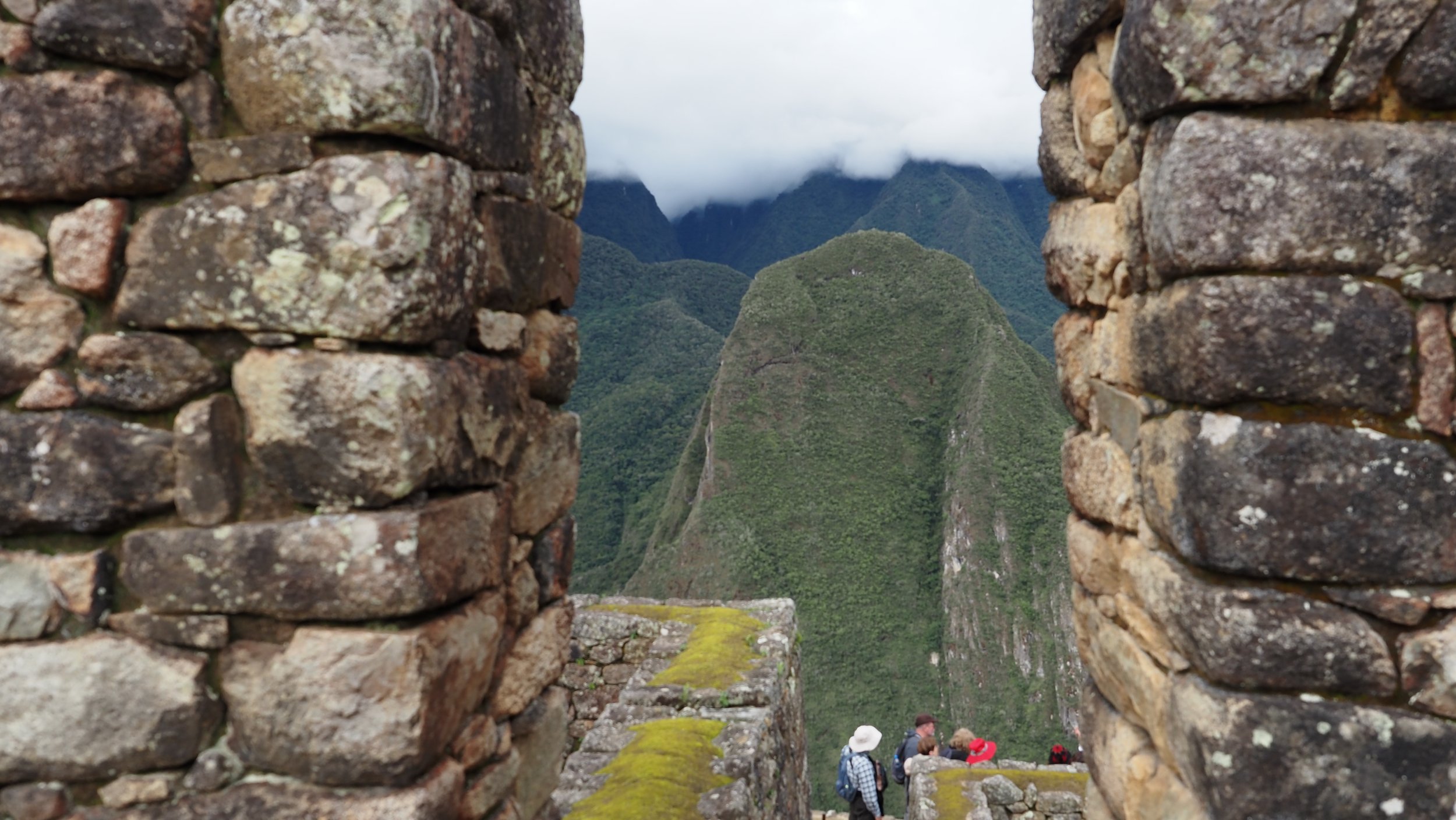
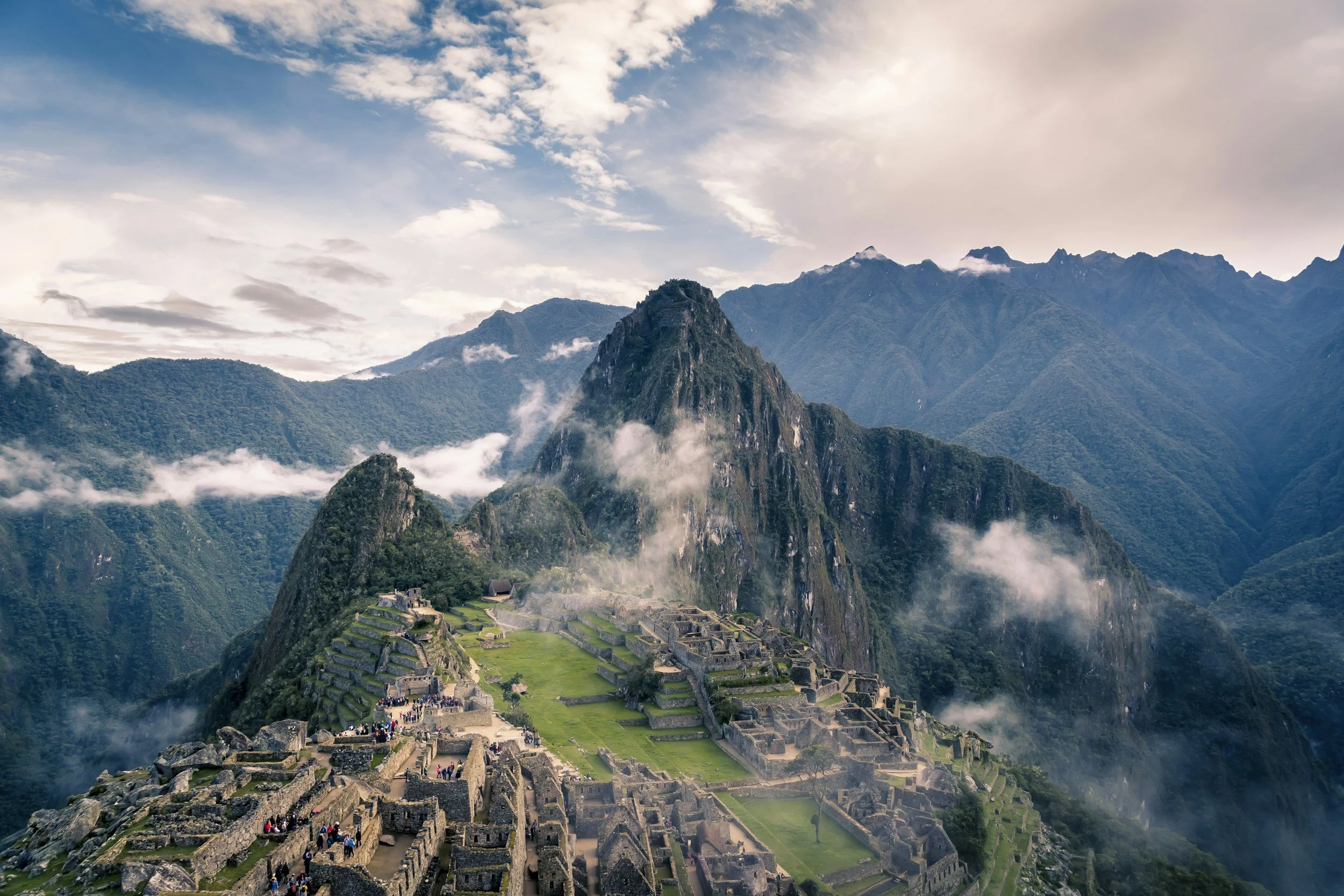
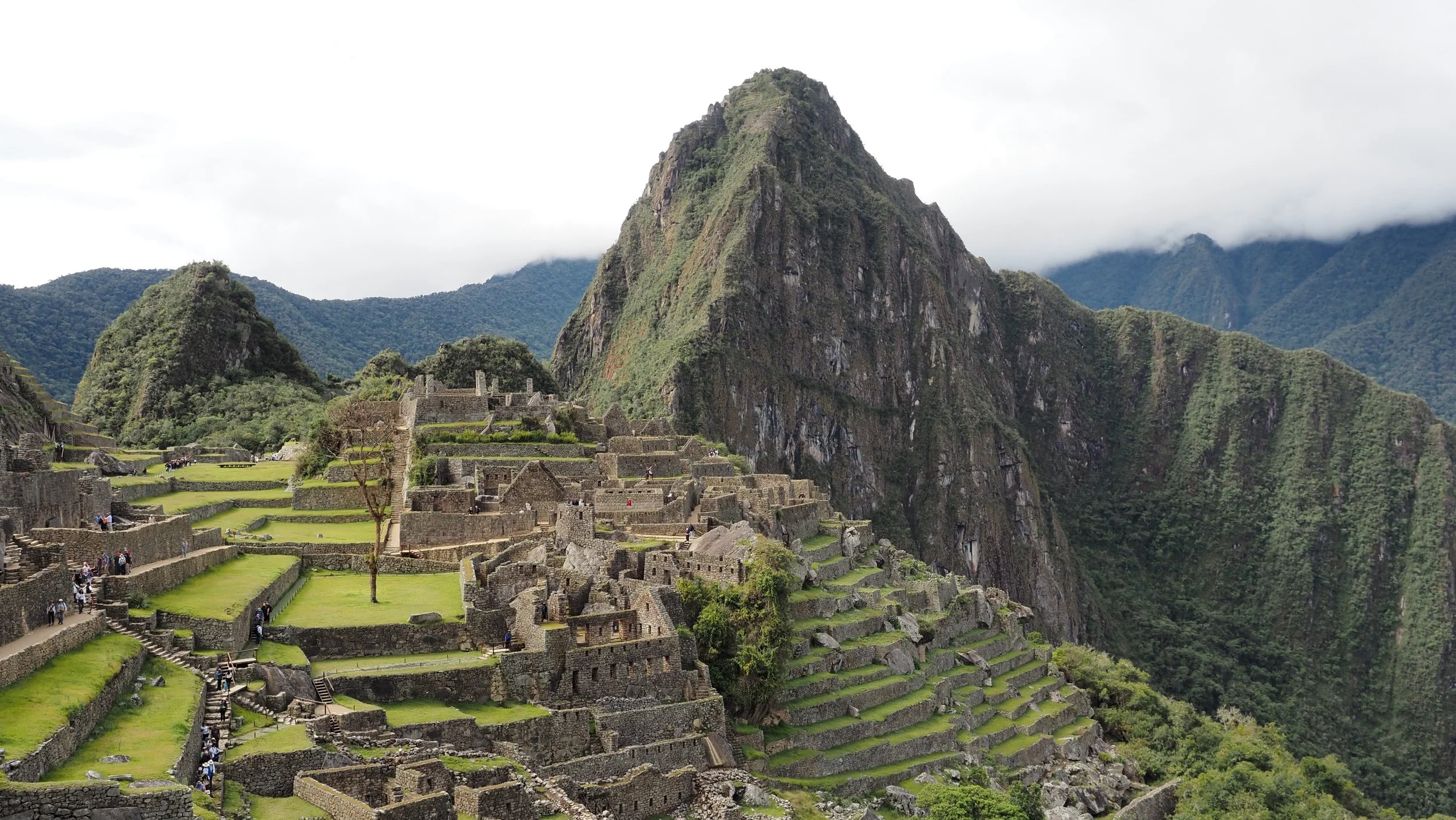
Upon arrival, we were invited to a hike into the much-awaited Machu Picchu. There are no words, no photos, that can prepare you for it. We take the winding path through the jungle, and there it is, perched on a mountain ridge, shrouded in mist. It’s a city in the clouds, an impossible, heartbreakingly beautiful creation. We wander through the stone structures, our guide explaining their purpose—temples, houses, astronomical observatories. The precision of the stonework is mind-boggling. It feels less like a ruin and more like a sleeping city, waiting for its inhabitants to return.
Walking into the citadel was like stepping into a vision, a place so remote and extraordinary that it existed both in and beyond reality. We stood suspended between the cloudy sky above and the dense mountain forest below, the air rich with the scent of earth and the song of distant birds. The ancient structures rose before us, their immense stones worn soft by centuries of existence, yet impossibly solid, unyielding. Each terrace and ramp, each whispering breeze through the tropical foliage, seemed to carry the weight of stories untold—a silent testament to human ingenuity and the mystical relationship between the Incas and the natural world.
The private guided tour via Santos unfolded as a reverence-laced dialogue with the past. The guide’s voice wove tales of the citadel's history and secrets, yet nothing could compare to the incredible sensation of simply being there. Standing amidst those impossibly beautiful ruins, surrounded on all sides by the emerald folds of the Andes and the distant murmur of the Upper Amazon, was to experience the sublime—a powerful harmony of nature and human spirit unlike anything I’d known. It was otherworldly. Machu Picchu wasn’t just a place; it was an awakening, one that lingered long after the day gave way to dusk.
The next morning, we hike up Machu Picchu Mountain for a panoramic view, looking down on the citadel as the dense clouds finally clear, framing this perfect picture. It is a moment of pure, unadulterated wonder.
The air in Machu Picchu felt lighter, as though it carried the whispers of centuries past, gently wrapping around us in its embrace. It was forgiving, a soft balm for the soul after the relentless pace we had left behind. Breathing here was not just an act but a gift—a conscious connection to something greater. And standing in the presence of this enigmatic world wonder, I felt a wellspring of emotion rising within me, a profound mixture of awe, humility, and gratitude that brought a lump to my throat and tears to my eyes.
Iselda and I took our time on the winding paths, pausing often, not out of exhaustion but in reverence for the views that unfolded before us in addition to the slick rainforest stones. The lush peaks and narrow terraces seemed to stretch endlessly into the horizon, each step revealing yet another breathtaking angle of this sacred land. Meanwhile, Alex, filled with unyielding energy, pressed on with Santos ascending Huayna Picchu's towering sister to claim its dizzying summit. From afar, we could see their silhouettes blending into the jagged landscape, their determination a striking contrast to the serene rhythm of our own pace below. Here, paths diverged, yet together we shared the same unshakable sense of wonder, each in our own quiet way.
Iselda and I descended slowly, the weight of the morning’s beauty lingering in our hearts as we retraced our steps back to the room. There, amidst the quiet hum of the afternoon, we packed our belongings with a bittersweet rhythm, each fold of fabric a gentle farewell to this mystical place. The anticipation of heading back toward Cusco called to us, yet part of us clung to the echoes of the mountains, reluctant to leave their ethereal whispers behind.
At 16:50, we boarded the bus to Aguas Calientes, leaving behind the quiet majesty of Machu Picchu, though its essence will linger, etched in your memory like a half-forgotten melody. The bus weaves its way down the serpentine road, carrying you to the next chapter of this enchanting journey. By 17:50, we stepped aboard the Hiram Bingham train once again, a jewel of timeless elegance, where the past and present seem to dance in harmony. The polished interiors, the soft gleam of candlelight, and the vibrant notes of Peruvian melodies played live by musicians create an atmosphere both intimate and spirited.
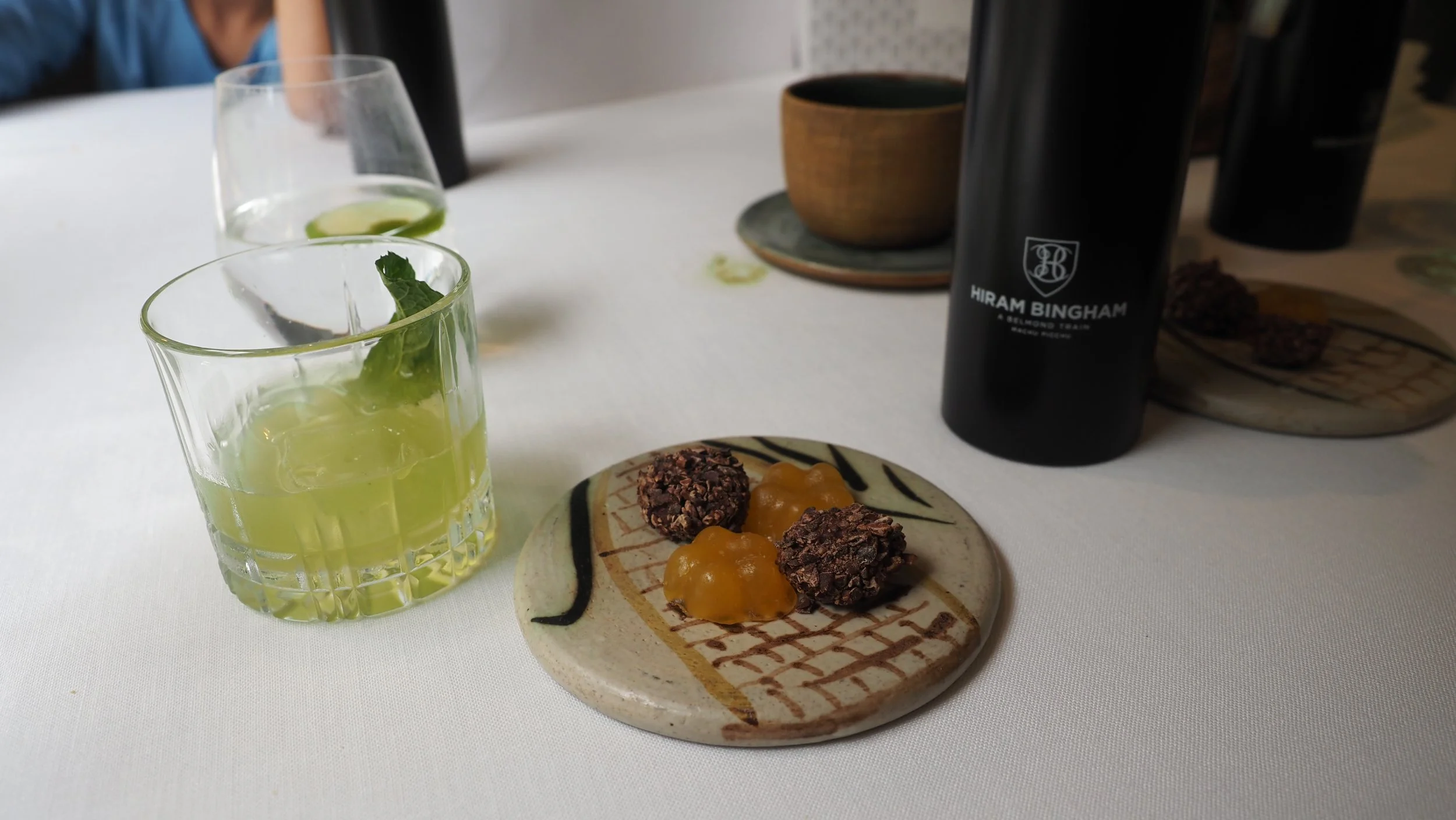
An exquisite dinner awaited us on board, as the flavors of Peru—spiced with history, tradition, and love—unfolded with each course. Savoring every moment as the train glides through the Andean night, the rhythmic cadence of the rails becomes a heartbeat, a lullaby, as shadows of the mountains spill into the windowed world of this grand locomotive.
At precisely 21:16, we arrived at Poroy train station, our senses still steeped in the magic of the evening. There, Roberto (who drove us with Nancy days before), guided us on a seamless, private transfer to our next haven—Palacio Nazarenas in the heart of Cusco. The short ride gave us a chance to reflect, to hold the evening close before stepping into the refined opulence of this former cloister-turned-hotel.
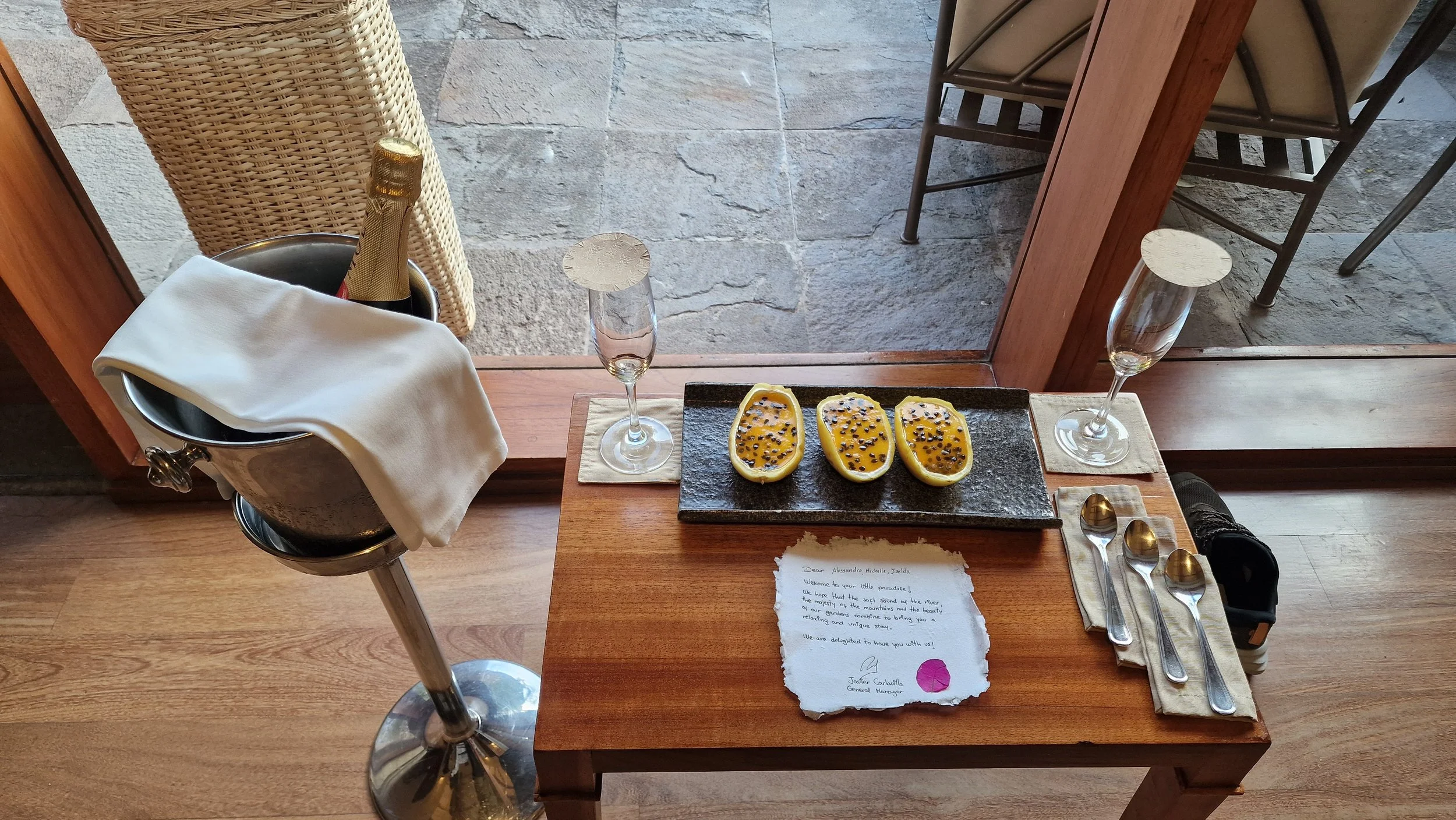
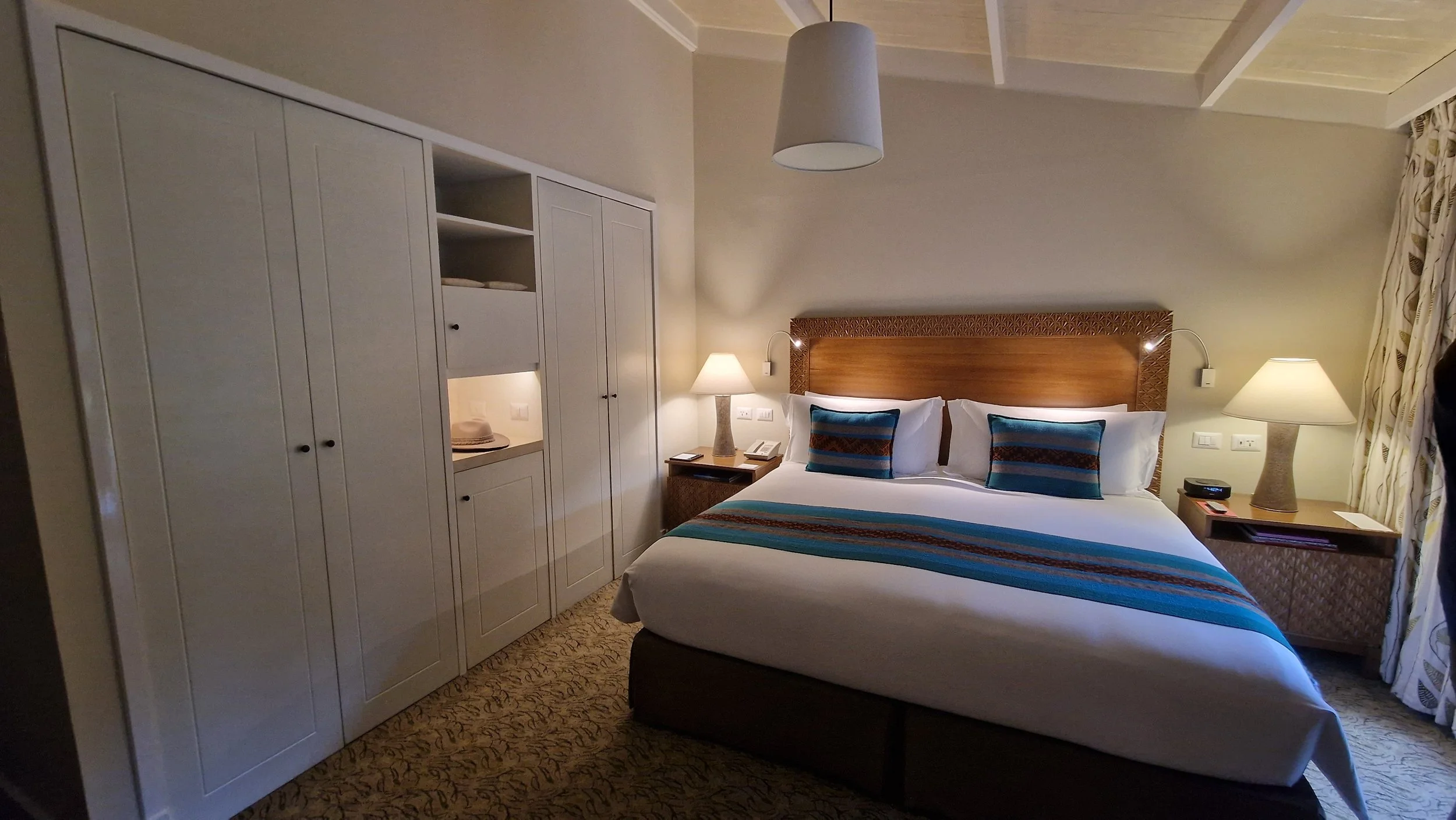
As you step into the Palacio’s storied halls, you find yourself embraced by an ambiance of quiet luxury. This ethereal retreat became our home—a space that blends the old-world grandeur of Cusco with the gentle hum of modern comfort.
Cusco
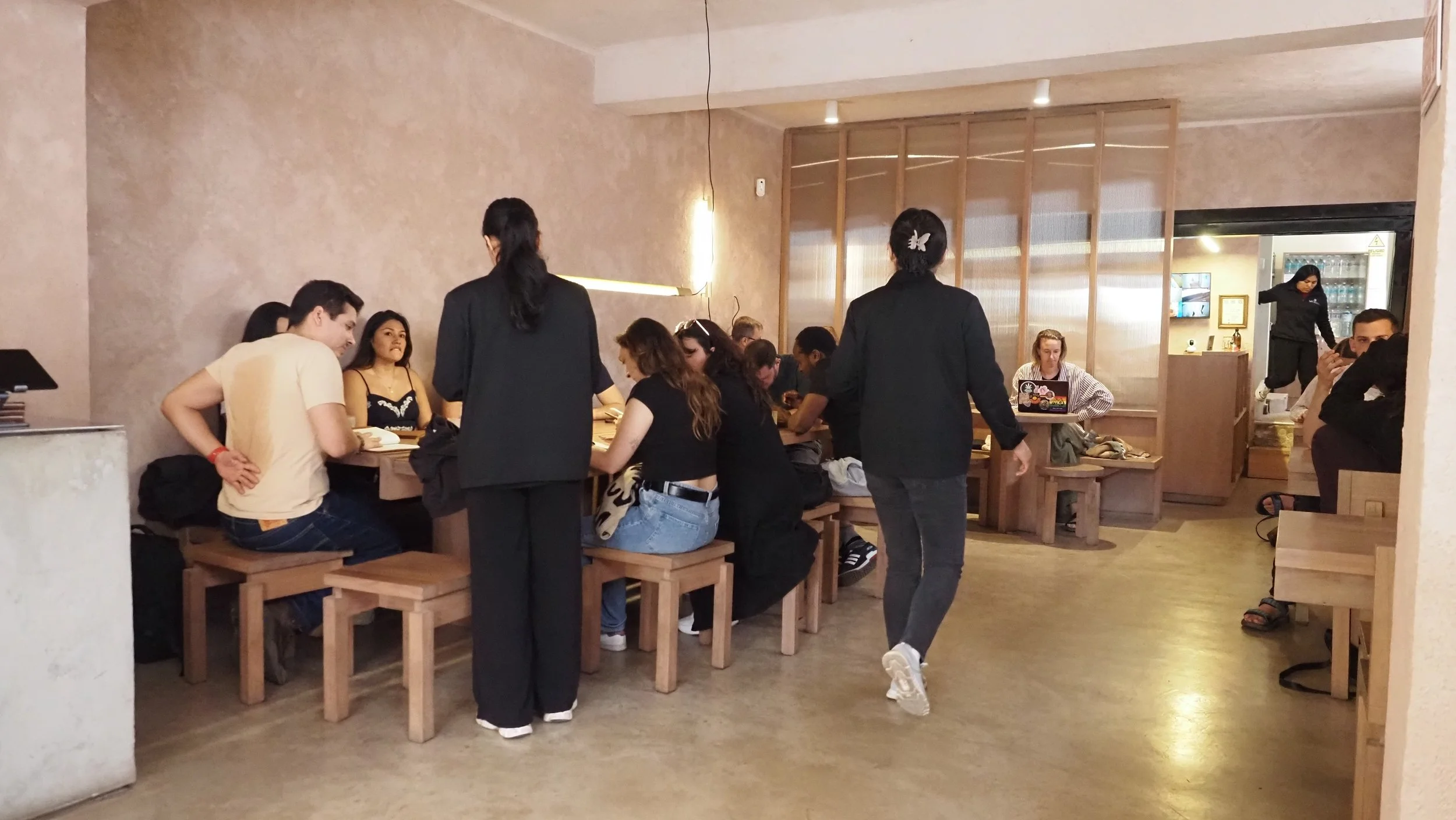
Coffee in Cusco
Our final stop on the itinerary was Cusco, the ancient capital of the Inca Empire. Here, the past and present are in constant, jarring conversation. Inca walls form the foundations of Spanish colonial buildings. A Dominican convent sits atop the Koricancha, the great Temple of the Sun. Sacsayhuaman, the fortress overlooking the city, is a masterpiece of megalithic architecture, its stones so perfectly fitted you can’t slide a piece of paper between them.
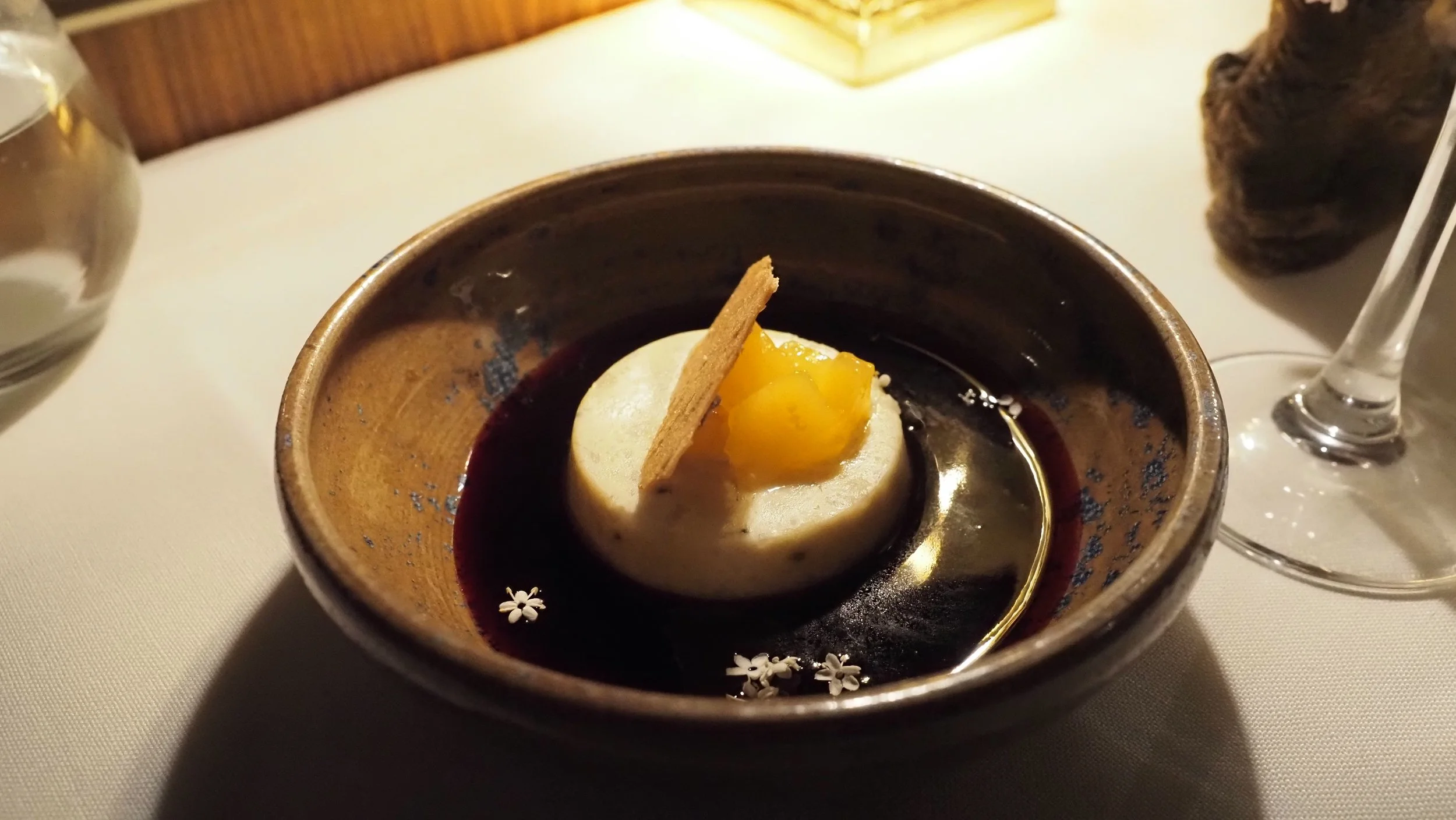
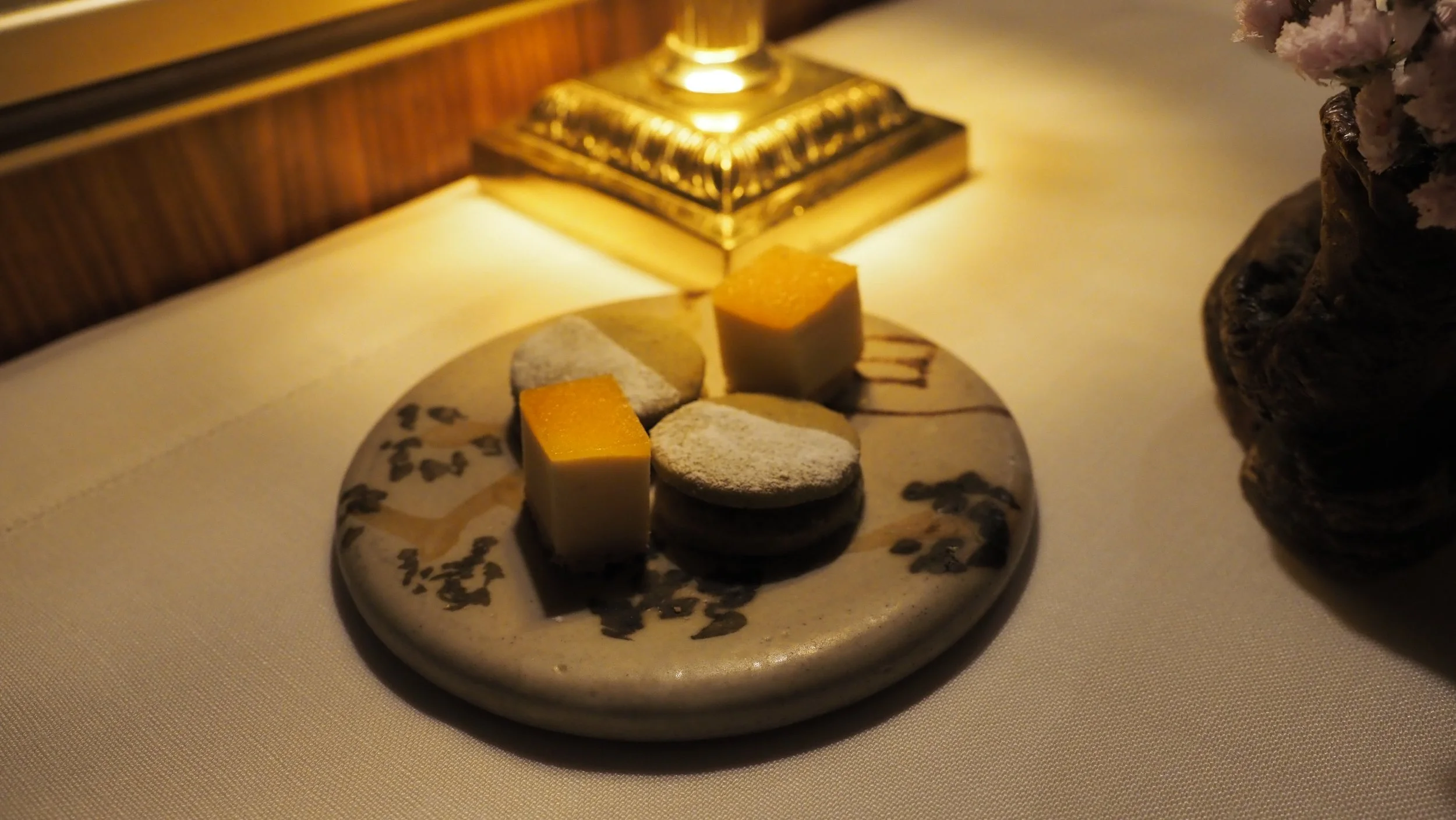
Nancy’s knowledge was nothing short of extraordinary, a tapestry woven with historical insight, cultural nuance, and an unyielding curiosity for truth. It was under her guidance that we discovered a hidden gem of a restaurant, a harmonious fusion of Peruvian and Japanese cuisine. Yet, the allure of this culinary sanctuary carried a shadowed weight. The building, now alive with the clinking of glasses and the hum of conversation, bore witness to a tragic past. It was once the home of a girl and her father, whose lives were stolen in an unspeakable act of violence—she, a victim of the local bishop’s assault, and both silenced in death. At the entrance, their bones now rest, embedded starkly in the pavement, a chilling reminder of the enduring scars left by colonial and patriarchal dominion.
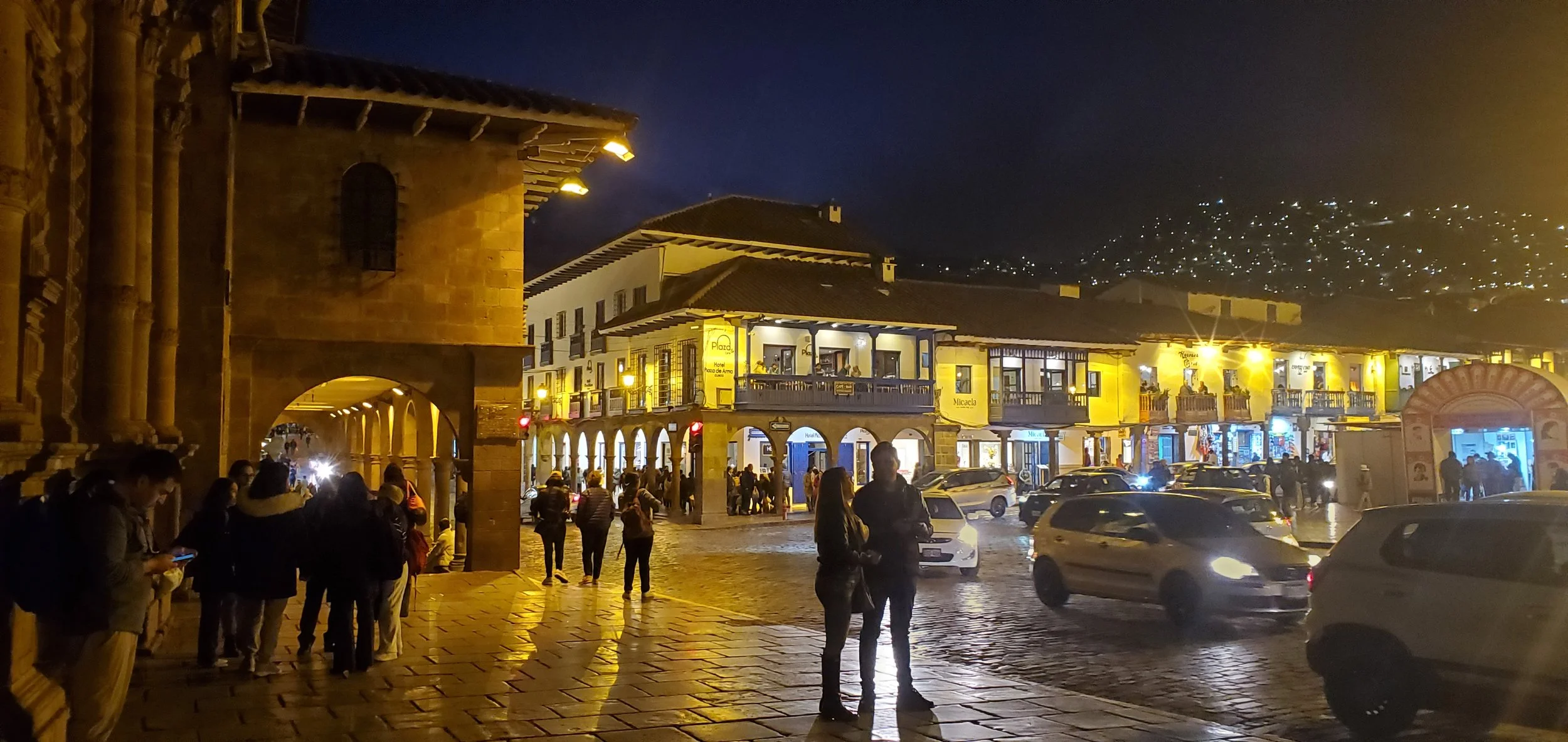
Plaza de Armas | Cusco
This place was a paradox, a vessel both of beauty and mourning. The tragedy felt rooted not just in history, but in the very earth beneath our feet, as if Pachamama herself wept for what had been done. It struck me then how colonial structures, woven with power and violence, have festered like an old wound, chaining us to cycles of pain. And yet, in that darkness, there was a pull toward something greater—a quiet but urgent call from mother earth. She, steadfast and nurturing, waits for us to come back to her, to reconcile what has been and to heal. Each beautiful experience in Peru felt like part of that reconciliation, a small mending of the soul and spirit, surrounded by stories both unspeakably heartbreaking and profoundly resilient.
On our last day, wandering through Cusco's vibrant streets, I think about that young soldier from twenty years ago. She saw a sliver of this country in the north near the border of Ecuador, a place of devastating poverty and quiet resilience, and just a brief glimpse of Lima. She had no idea what was waiting in the south, no concept of the grandeur, no inkling of the life she would one day build. She was just a kid in 2003, trying to do a job, unaware that the world was about to break her open in Iraq in 2004.
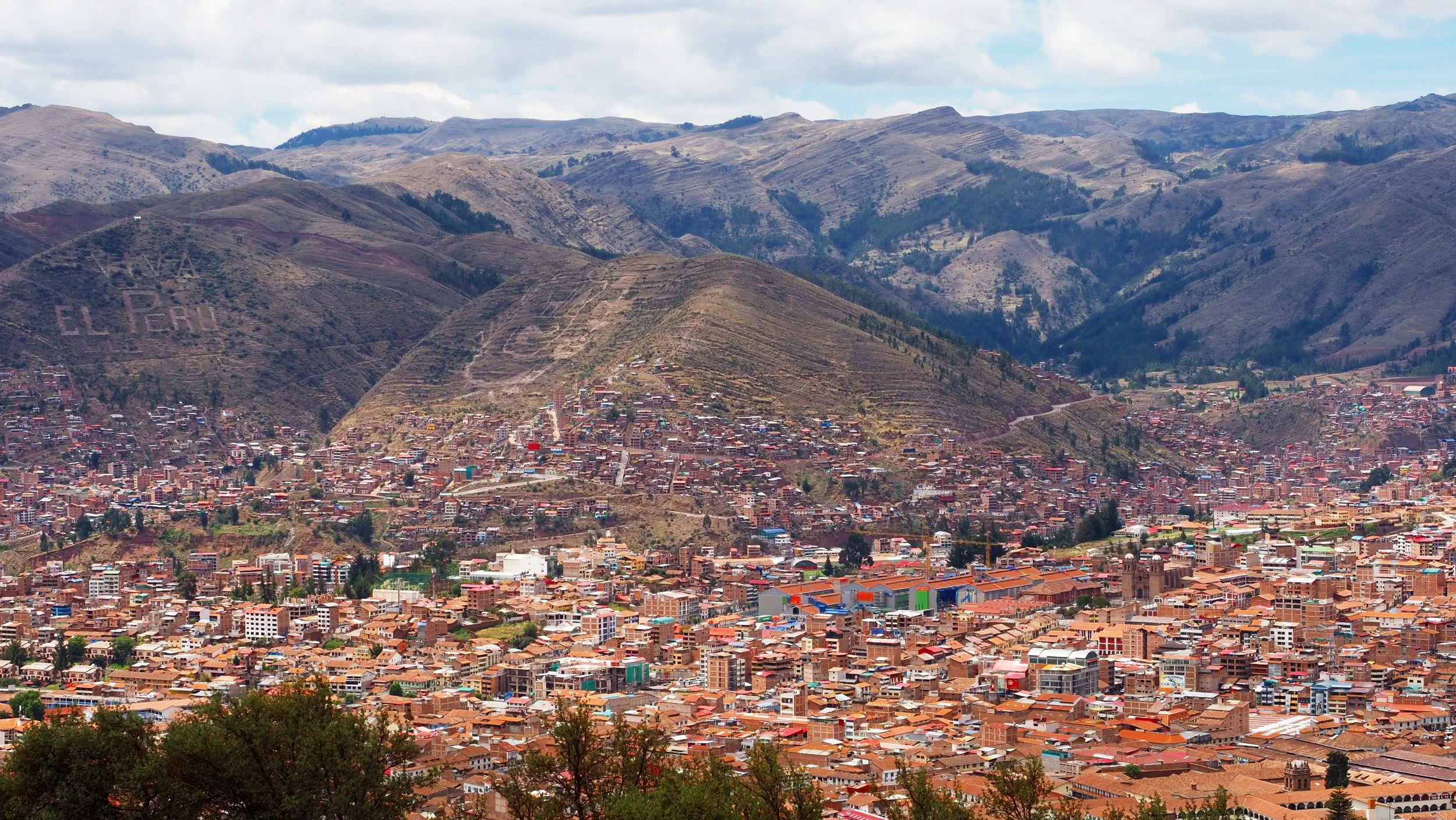
Cusco
Returning to Peru with my family felt like closing a circle. It was a pilgrimage of sorts, not just to holy sites, but to a younger version of myself. It was a chance to see this incredible country not as a backdrop for conflict and strife, but as a destination of wonder. The ghost of Peru past is still with me, but she’s quieter now. She has seen the condors fly, walked the paths of Machu Picchu, and tasted the history in a plate of ceviche accompanied by a pisco sour. And maybe, just maybe, she has finally found a way to make peace with her past.